

How to Remove Dark Spots Fast — A Complete, Easy & Effective Guide
November 14, 2025
Shoulder Pain Treatment Options: A Complete, Easy Guide to Finding Relief
November 14, 2025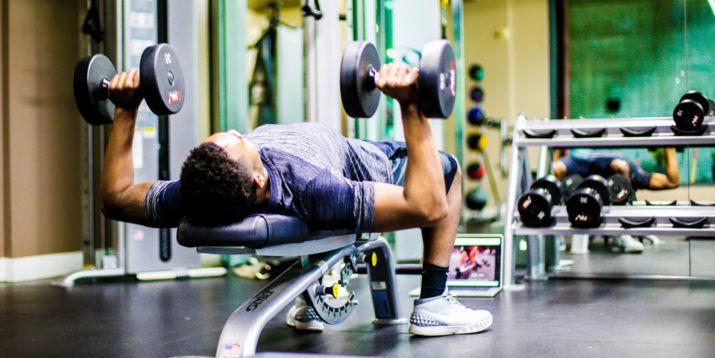
Keeping your bones strong is one of the best gifts you can give yourself. You may not always think about your bones, but they support every movement you make—walking, sitting, bending, lifting, and even sleeping comfortably. As we get older, our bones naturally lose density. But the good news? You can absolutely strengthen them with the right lifestyle choices.
Whether you’re trying to prevent osteoporosis, recovering from weak bones, or simply want to age gracefully, this guide will walk you through easy, practical, everyday ways to improve bone strength. No complicated medical terms—just things you can understand and actually use.
Why Bone Strength Matters More Than You Think
Your skeleton is like the frame of a house—if it’s weak, everything else becomes unstable. Weak bones increase your risk of fractures, back pain, posture issues, early aging, and mobility problems. Good bone health helps you stay active, confident, and independent for longer.
Bone loss starts around age 30, and it speeds up in women after menopause. But you can take action at ANY age. Even small changes you make today can have powerful long-term results.
1. Eat Calcium-Rich Foods Every Day
Calcium is the main building block of your bones—it’s like cement that holds everything together. Your body cannot make calcium on its own, so daily intake is essential.
Best Calcium Sources
- Milk, yogurt, and cheese
- Almonds
- Broccoli and spinach
- Sardines and salmon with bones
- Beans
- Fortified cereals
- Tofu and soy products
If your diet is low in calcium, your body will pull calcium from your bones, making them weaker over time. Try to add at least 2–3 servings of calcium-rich foods daily.
2. Boost Vitamin D Levels
If calcium is the brick, Vitamin D is the worker that helps place the bricks properly. Without enough Vitamin D, your body can’t absorb calcium—even if you eat a lot of it.
How to Get More Vitamin D
- Sunlight: 10–20 minutes a day (early morning sun is best)
- Foods: eggs, fortified milk, salmon, mushrooms
- Supplements: only if your doctor recommends
People who spend most of their time indoors or cover their skin tend to be low in Vitamin D. A simple blood test can confirm your levels.
3. Add Weight-Bearing Exercise to Your Routine
Bone becomes stronger when you apply pressure to it. Weight-bearing exercises are the BEST natural way to improve bone strength.
Examples of Bone-Strengthening Exercises
- Walking or brisk walking
- Jogging
- Stair climbing
- Dancing
- Hiking
- Jump roping
- Strength training (lifting weights)
- Body-weight exercises like squats, lunges, planks, and push-ups
You don’t need to start heavy—just consistent movement strengthens your bones.
Aim for 30 minutes of weight-bearing exercise 4–5 times a week.
4. Strength Train at Least Twice a Week
Strength training puts healthy stress on your bones. When muscles pull on bones during exercise, bones respond by building more density.
Try simple exercises like:
- Dumbbell curls
- Squats
- Deadlifts
- Step-ups
- Resistance band exercises
- Kettlebell swings
Start light and increase gradually. Even small weights can make a huge difference.
5. Include More Protein in Your Diet
Protein helps build not just muscles—but bones too. Around 50% of bone tissue is made of protein.
Healthy protein options:
- Eggs
- Fish
- Lean meats
- Lentils and chickpeas
- Greek yogurt
- Nuts and seeds
- Soy and tofu
Each meal should include a source of protein to support bone repair and strength.
6. Reduce Salt and Caffeine Intake
Too much salt and caffeine can cause calcium loss through urine, weakening bones over time.
Try These Tips:
- Limit processed or salty foods
- Choose low-sodium options
- Reduce coffee to 1–2 cups per day
- Drink more water
A balanced diet helps your bones stay healthy long-term.
7. Avoid Smoking and Limit Alcohol
Smoking weakens bones by reducing calcium absorption and slowing bone formation. Alcohol, especially in large amounts, interferes with Vitamin D levels and damages bone cells.
If possible:
- Quit smoking
- Limit alcohol to moderate levels
Your bones will thank you with stronger support, better posture, and less pain.
8. Maintain a Healthy Body Weight
Being underweight increases your risk of bone loss, while extra weight can strain bones and joints. A stable, healthy weight helps maintain bone density.
Focus on:
- Balanced meals
- Regular physical activity
- Enough protein and calcium
Crash diets or skipping meals can also weaken bones, so avoid extreme weight loss methods.
9. Improve Your Posture Daily
Good posture not only protects your spine—it also supports stronger bones.
Try simple habits like:
- Sit up straight
- Avoid slouching
- Stretch regularly
- Use ergonomic furniture
- Strengthen your core
A strong spine leads to better balance and less risk of fractures.
10. Get Bone Density Checkups (Especially After 40)
If you’re at risk for osteoporosis, your doctor may suggest a bone density test. This helps determine if you need supplements, medication, or lifestyle changes.
Putting It All Together: A Simple Bone-Strength Routine
Here’s a realistic daily routine you can follow:
Morning
- 10 minutes of sunshine
- A calcium-rich breakfast (yogurt, eggs, almonds)
- Light stretching
Afternoon
- Brisk walking for 20–30 minutes
- Add a protein source to your lunch
Evening
- Strength training for 15 minutes
- Healthy dinner with vegetables and calcium sources
Lifestyle
- Reduce salt and caffeine
- Stay hydrated
- Avoid smoking
- Sleep well
These small habits create powerful improvements over time.
5 Frequently Asked Questions (FAQs)
1. How long does it take to strengthen bones?
Bone strengthening is a slow process. You may start seeing improvements in 3 to 6 months, but long-term bone density increases happen over 1–2 years of consistent habits.
2. Can I improve bone strength after age 50?
Absolutely! Even in your 50s, 60s, and beyond, weight-bearing exercise, calcium, Vitamin D, and a healthy diet can significantly improve bone strength and reduce fracture risks.
3. What foods are worst for bone health?
Try to limit:
- Excess salt
- Soft drinks
- Processed snacks
- Alcohol
- Excess caffeine
These can reduce calcium or harm bone tissue if consumed too often.
4. Do supplements help improve bone strength?
They can help if you’re deficient, especially in calcium or Vitamin D. But it’s better to get nutrients naturally from food unless your doctor recommends supplements.
5. Are walking and jogging enough for stronger bones?
Walking helps maintain bone strength, while jogging increases it. For best results, combine walking with strength training and a calcium-rich diet.
Final Thoughts
Improving bone strength isn’t complicated—it’s about consistent, healthy habits. Eating well, moving your body, getting sunlight, and avoiding harmful habits can keep your bones strong and supportive for life. Start small, stay committed, and your bones will grow stronger every day.