

Natural Ways to Balance Female Hormones
November 14, 2025
Heart Attack Symptoms in Women: What Every Woman Should Know
November 14, 2025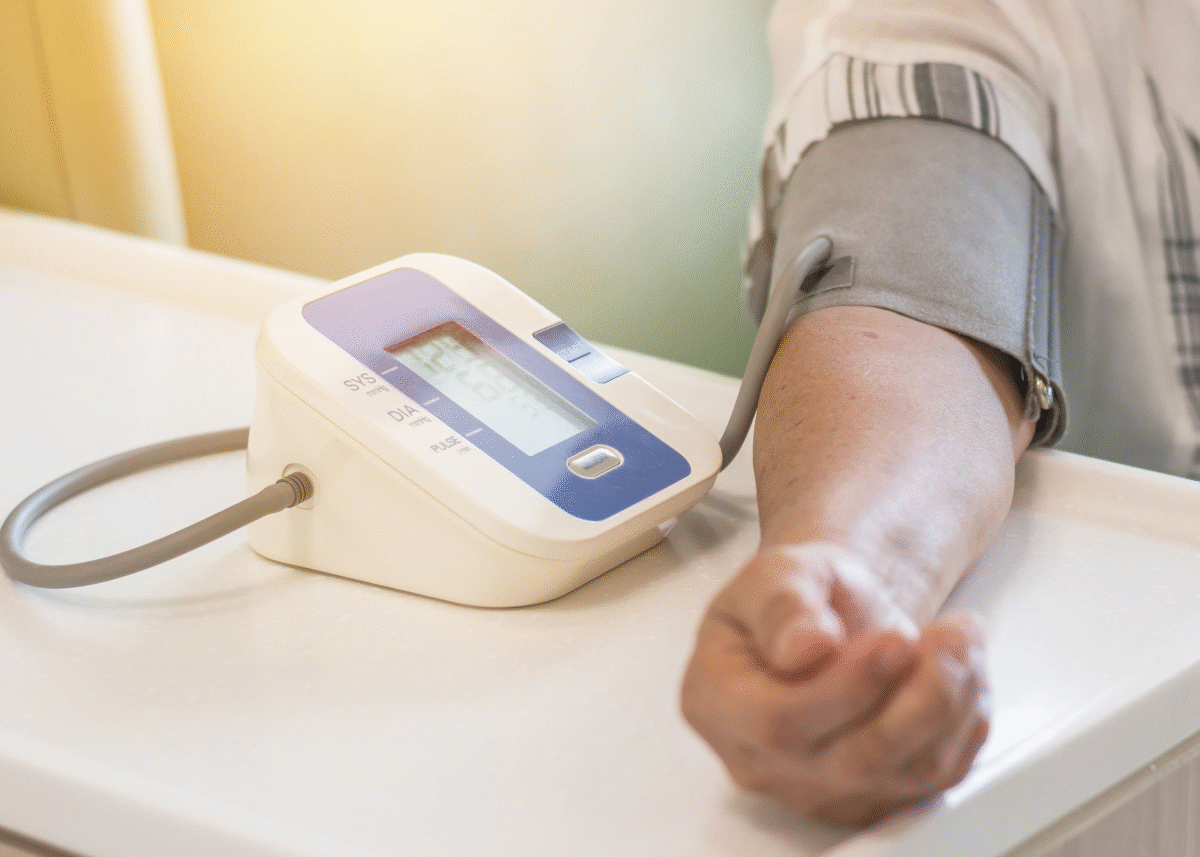
High blood pressure, also called hypertension, is a common health condition that affects millions of people worldwide. Often called the “silent killer,” high blood pressure usually has no symptoms but can lead to serious health issues, such as heart disease, stroke, kidney problems, and vision loss. Managing high blood pressure is not only about taking medications—it’s about adopting a healthy lifestyle, understanding risk factors, and making sustainable changes that protect your heart and overall health. In this article, we will explore practical strategies for high blood pressure management in an easy and human-friendly way.
Understanding High Blood Pressure
Blood pressure is the force of your blood pushing against the walls of your arteries. It is measured using two numbers:
- Systolic pressure: The top number, which indicates how much pressure your blood exerts when your heart beats.
- Diastolic pressure: The bottom number, which shows the pressure when your heart is resting between beats.
A normal blood pressure reading is around 120/80 mmHg. Readings consistently above 130/80 mmHg are considered high. Hypertension can develop due to genetics, lifestyle, stress, or other underlying health issues.
Causes and Risk Factors
High blood pressure can result from a combination of factors:
- Unhealthy Diet: Eating too much salt, processed food, or foods high in saturated fats can raise blood pressure.
- Lack of Exercise: A sedentary lifestyle weakens the heart and blood vessels, contributing to hypertension.
- Obesity: Excess body weight increases the strain on your heart, raising blood pressure.
- Stress: Chronic stress can trigger high blood pressure by causing hormonal changes and unhealthy coping habits.
- Smoking and Alcohol: Both habits damage blood vessels and elevate blood pressure.
- Age and Genetics: Blood pressure tends to rise with age, and a family history increases the risk.
Understanding these causes is the first step in managing hypertension effectively.
Lifestyle Changes for Blood Pressure Management
Lifestyle changes are often the most effective and sustainable way to manage high blood pressure. Here are practical steps:
1. Healthy Eating
- Reduce Salt Intake: Limit sodium consumption to less than 2,300 mg per day (about one teaspoon).
- Eat More Fruits and Vegetables: Foods rich in potassium, such as bananas, spinach, and oranges, help balance blood pressure.
- Opt for Whole Grains: Brown rice, oats, and whole wheat bread are better than refined grains.
- Include Healthy Fats: Avocados, olive oil, nuts, and fatty fish can support heart health.
- Avoid Sugary Drinks and Processed Foods: These can contribute to weight gain and high blood pressure.
2. Regular Physical Activity
Exercise strengthens your heart, reduces stress, and helps maintain a healthy weight. Aim for:
- At least 150 minutes of moderate-intensity exercise per week, such as brisk walking, swimming, or cycling.
- Strength training twice a week to improve overall cardiovascular health.
3. Maintain a Healthy Weight
Even a small reduction in weight can have a significant impact on blood pressure. Losing 5–10% of your body weight can lower systolic pressure by 5–20 mmHg.
4. Stress Management
Managing stress is crucial for blood pressure control. Techniques include:
- Meditation and Deep Breathing: Just 10 minutes a day can help.
- Yoga: Combines movement and mindfulness to reduce stress.
- Hobbies and Relaxation: Reading, gardening, or listening to music can improve mental well-being.
5. Limit Alcohol and Quit Smoking
- Alcohol: Keep it moderate—up to one drink per day for women and two for men.
- Smoking: Quitting improves blood vessel function almost immediately.
Monitoring and Medical Management
Managing high blood pressure requires regular monitoring and sometimes medications:
- Home Blood Pressure Monitoring: Checking your blood pressure at home helps track progress and detect patterns.
- Medical Check-Ups: Regular visits to a doctor ensure timely adjustments in treatment.
- Medications: Depending on severity, doctors may prescribe antihypertensive medications such as ACE inhibitors, beta-blockers, or diuretics. Never stop medication without consulting your doctor.
Complications of Untreated High Blood Pressure
Without proper management, hypertension can lead to serious complications:
- Heart Attack or Heart Failure: High pressure strains the heart.
- Stroke: Damaged arteries may cause blood clots or bleeding in the brain.
- Kidney Damage: Hypertension can harm kidney blood vessels.
- Vision Problems: High blood pressure can damage the tiny blood vessels in the eyes.
Prevention through lifestyle changes and medical management is much easier than treating these complications later.
Tips for Long-Term Management
- Keep a Blood Pressure Log: Note readings and lifestyle changes.
- Set Realistic Goals: Focus on small, gradual improvements.
- Build a Support System: Family or community support can help maintain motivation.
- Stay Informed: Keep learning about heart-healthy practices.
- Listen to Your Body: Fatigue, headaches, or shortness of breath may signal high blood pressure—don’t ignore symptoms.
FAQs About High Blood Pressure Management
1. Can high blood pressure be cured?
No, high blood pressure usually cannot be cured, but it can be effectively managed with lifestyle changes and medication.
2. How often should I check my blood pressure at home?
For most adults, checking 1–2 times daily for a few days each month is sufficient, but follow your doctor’s recommendations.
3. Are there foods that naturally lower blood pressure?
Yes, foods rich in potassium, magnesium, and fiber, such as leafy greens, berries, bananas, beans, and whole grains, can help reduce blood pressure.
4. Can stress really raise blood pressure?
Yes, chronic stress triggers hormones that temporarily increase blood pressure, and long-term stress can contribute to hypertension.
5. Is medication always necessary for high blood pressure?
Not always. Mild cases may be managed with lifestyle changes, but moderate to severe hypertension usually requires medication to prevent complications.
Conclusion
High blood pressure management is a lifelong commitment that combines healthy habits, regular monitoring, and sometimes medication. While it may seem daunting at first, making small, consistent changes can lead to remarkable improvements in your health. By adopting a balanced diet, staying physically active, reducing stress, and following your doctor’s advice, you can take control of your blood pressure and live a healthier, longer life.
Remember, managing high blood pressure is not just about numbers—it’s about empowering yourself to live better every day.