High Blood Pressure Management: A Complete Guide to a Healthier Life
November 14, 2025
How to Start a Blog and Earn Money: A Complete Guide for Beginners
November 14, 2025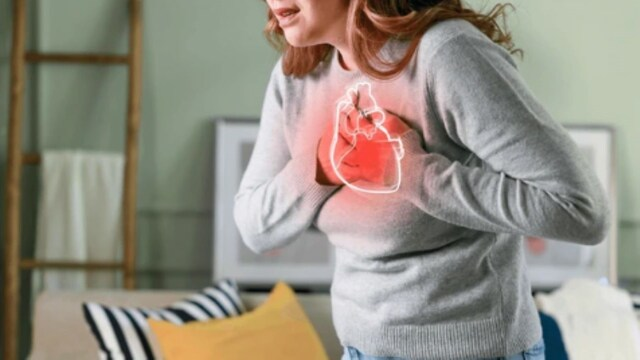
Heart disease is often thought of as a “man’s problem,” but it is actually the leading cause of death among women worldwide. Heart attacks, or myocardial infarctions, do not always present in the same way in women as they do in men. Understanding the unique symptoms of heart attacks in women can save lives. This article will explain the warning signs, risk factors, and what to do if you suspect a heart attack.
Understanding Heart Attacks
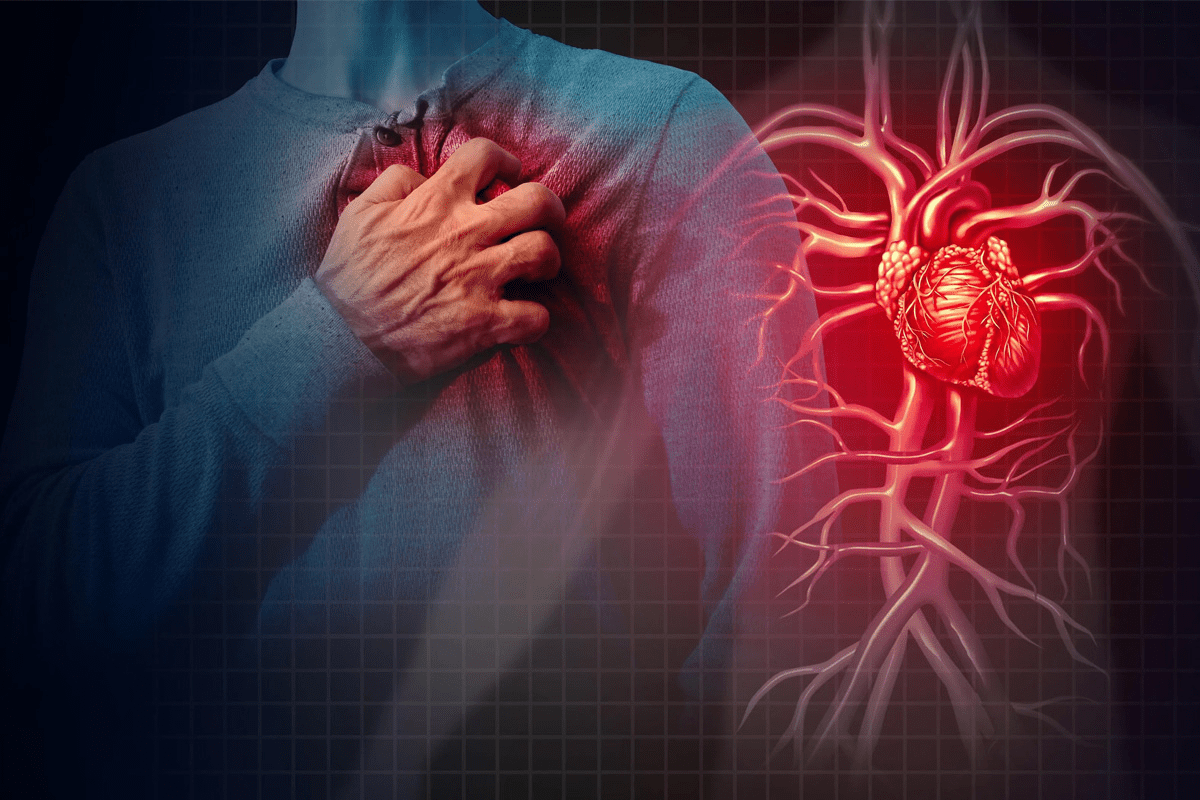
A heart attack occurs when the blood flow to a part of the heart muscle is blocked, usually by a blood clot. This blockage prevents oxygen from reaching the heart, causing damage to the heart muscle. Prompt treatment is critical.
While men often experience the classic heart attack symptom of severe chest pain, women may show different, less obvious signs, which can make diagnosis tricky.
Common Heart Attack Symptoms in Women
Here are the key symptoms women should be aware of:
1. Chest Pain or Discomfort
Although women can experience chest pain, it may not be as intense or dramatic as the stereotypical “clutching the chest” symptom seen in men. Women might describe it as:
- Pressure, tightness, or squeezing
- Mild discomfort rather than sharp pain
- Pain that comes and goes
2. Shortness of Breath
Many women experience difficulty breathing, sometimes without any chest pain. This can happen while resting or during mild activity. Shortness of breath may be accompanied by fatigue or a sense of being unable to take a full breath.
3. Nausea, Vomiting, or Indigestion
Women are more likely than men to report gastrointestinal symptoms. You might feel:
- Nausea or vomiting
- Indigestion or heartburn
- Stomach pain
These symptoms are often mistaken for less serious conditions, like the flu or digestive issues.
4. Unusual Fatigue
Feeling extremely tired, even after a good night’s sleep, can be an early warning sign. Women may experience unexplained fatigue days or even weeks before a heart attack occurs.
5. Pain in the Neck, Jaw, or Back
Women may feel pain in areas other than the chest, such as:
- Neck
- Jaw
- Upper back
- Shoulder
This discomfort can be subtle, intermittent, or mistaken for muscle strain.
6. Lightheadedness or Dizziness
Feeling faint or dizzy may occur with other symptoms like shortness of breath, nausea, or cold sweats. These warning signs should never be ignored.
7. Cold Sweats
Breaking out in a cold sweat without exertion can be another sign of a heart attack in women.
Risk Factors for Heart Attack in Women
Certain factors increase the likelihood of a heart attack in women:
- High blood pressure: Increases strain on the heart.
- High cholesterol: Leads to plaque buildup in arteries.
- Diabetes: Significantly raises the risk.
- Obesity: Excess weight contributes to heart disease.
- Smoking: Doubles the risk of heart attack.
- Family history: Heart disease in close relatives increases risk.
- Hormonal changes: Menopause can increase risk due to decreased estrogen.
- Stress and mental health issues: Chronic stress and depression are linked to higher risk.
Prevention Tips
Prevention is always better than cure. Women can reduce their heart attack risk by adopting healthy lifestyle habits:
- Eat a Heart-Healthy Diet: Focus on fruits, vegetables, whole grains, lean proteins, and healthy fats. Limit sugar, salt, and processed foods.
- Stay Active: Aim for at least 30 minutes of moderate exercise most days of the week.
- Avoid Smoking: If you smoke, quitting is one of the best ways to protect your heart.
- Manage Stress: Practice relaxation techniques such as yoga, meditation, or deep breathing.
- Monitor Health: Keep track of blood pressure, cholesterol, and blood sugar levels regularly.
- Maintain a Healthy Weight: Even a small amount of weight loss can improve heart health.
What to Do If You Suspect a Heart Attack
If you or someone else experiences symptoms of a heart attack, act immediately:
- Call emergency services (911 or local emergency number).
- Chew aspirin (if not allergic) to help thin the blood and reduce clotting.
- Stay calm and sit or lie down while waiting for help.
- Do not drive yourself to the hospital unless absolutely necessary.
Early treatment, such as clot-busting medication or procedures like angioplasty, can save lives and reduce heart damage.
Why Heart Attack Symptoms in Women Are Often Missed
Many women and even healthcare providers underestimate or misinterpret heart attack symptoms. Women may:
- Dismiss fatigue or indigestion as everyday stress
- Ignore mild chest discomfort
- Think pain in the jaw or back is due to muscle strain
Raising awareness about the atypical symptoms in women is crucial to improve early detection and survival rates.
Frequently Asked Questions (FAQs)
1. Do women always have chest pain during a heart attack?
No. While chest pain is common, many women experience other symptoms like shortness of breath, nausea, or unusual fatigue instead.
2. Can a heart attack happen without warning signs?
Yes. Some heart attacks, especially in women, can occur suddenly with minimal or no warning signs. This is why awareness and regular check-ups are important.
3. How is a heart attack in women diagnosed?
Doctors use a combination of ECG (electrocardiogram), blood tests (troponin), and imaging studies to diagnose a heart attack. Symptoms reported by the patient also play a key role.
4. Can lifestyle changes prevent heart attacks?
Yes. Healthy eating, regular exercise, stress management, avoiding smoking, and maintaining a healthy weight can significantly reduce the risk.
5. What is the difference between a heart attack and angina in women?
Angina is chest discomfort caused by reduced blood flow to the heart but usually resolves with rest. A heart attack involves permanent damage to heart muscle and requires immediate medical attention.
Final Thoughts
Heart attacks in women often present differently than in men, with subtle or atypical symptoms like fatigue, nausea, jaw pain, and shortness of breath. Awareness of these signs, combined with lifestyle modifications and prompt medical care, can save lives. Women should take any unusual discomfort seriously and consult a doctor regularly to manage risk factors.
Remember: Trust your instincts—if something feels wrong, don’t wait. Early intervention is life-saving.