How to Improve Eyesight Naturally
November 14, 2025
How to Whiten Teeth Naturally: A Complete Guide
November 14, 2025
Cataracts are one of the most common eye problems, especially among older adults. They develop when the natural lens of the eye becomes cloudy, leading to blurred vision. While cataracts are usually associated with aging, they can also occur due to injury, certain medical conditions, or prolonged exposure to UV rays. Understanding the symptoms and available treatments can help you take timely action to protect your vision.
What is a Cataract?
A cataract occurs when the eye’s lens, which is normally clear, becomes cloudy. The lens is located behind the iris (the colored part of the eye) and helps focus light on the retina to create clear images. When proteins in the lens start to clump together, they form a clouded area, which reduces the amount of light reaching the retina. This results in vision that becomes blurry, dim, or yellowed over time.
Cataracts typically develop slowly and may not immediately affect vision. However, as they progress, they can interfere with daily activities such as reading, driving, or recognizing faces.
Common Symptoms of Cataracts
Identifying cataracts early can prevent complications and make treatment more effective. Here are the most common signs:
- Blurry or Cloudy Vision
One of the earliest symptoms is blurred vision that cannot be corrected with glasses or contact lenses. It may feel like you are looking through a foggy window or a smear on your glasses. - Difficulty Seeing at Night
Cataracts can make night vision challenging. People often experience glare from oncoming headlights or streetlights while driving. - Sensitivity to Light and Glare
Bright sunlight or indoor lighting may cause discomfort or halos around lights. This happens because the cloudy lens scatters light entering the eye. - Fading or Yellowing of Colors
Colors may appear dull, less vibrant, or more yellow than usual. This symptom often goes unnoticed until it becomes more pronounced. - Double Vision in One Eye
Sometimes, cataracts can cause double vision in a single eye. This differs from double vision caused by neurological issues, which typically affects both eyes. - Frequent Changes in Prescription Glasses
People with cataracts may find that their eyeglass prescription changes more often than usual as their vision gradually worsens.
It’s important to note that cataracts do not cause eye pain or redness. If you experience these symptoms along with vision changes, it may indicate another eye condition, and an eye doctor should be consulted.
Causes and Risk Factors
While aging is the primary cause of cataracts, several other factors can contribute to their development:
- Age: Most cataracts develop after the age of 60.
- Medical conditions: Diabetes and hypertension can increase the risk.
- Eye injury or surgery: Trauma to the eye or previous eye surgery can trigger cataract formation.
- Medications: Long-term use of corticosteroids may lead to cataracts.
- Lifestyle factors: Smoking, excessive alcohol use, and prolonged UV exposure can contribute.
- Genetics: A family history of cataracts increases susceptibility.
Diagnosing Cataracts
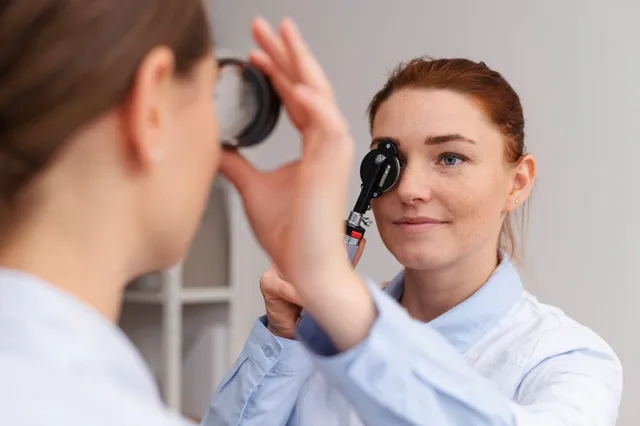
Cataracts are usually diagnosed through a comprehensive eye examination. An ophthalmologist will use various tests to evaluate your vision and examine the lens of your eye:
- Visual acuity test: Measures how well you see at different distances.
- Slit-lamp examination: Provides a magnified view of the structures in your eye, allowing the doctor to detect cloudiness in the lens.
- Retinal exam: After dilating your pupils, the doctor examines the retina to check how cataracts are affecting vision.
Early detection is crucial. Regular eye check-ups, especially after age 50, can help identify cataracts before they significantly impact your daily life.
Treatment Options for Cataracts
Treatment depends on the severity of the cataract and how much it affects your vision.
1. Non-Surgical Management
In the early stages, cataracts may be managed without surgery:
- Updated eyeglasses or contact lenses: Prescription changes can temporarily improve vision.
- Brighter lighting: Improves visibility for reading or close work.
- Magnifying lenses: Helps with small print and detailed tasks.
- Anti-glare sunglasses: Reduces sensitivity to bright light.
These measures do not reverse cataracts, but they can help you manage daily life until surgery becomes necessary.
2. Surgical Treatment
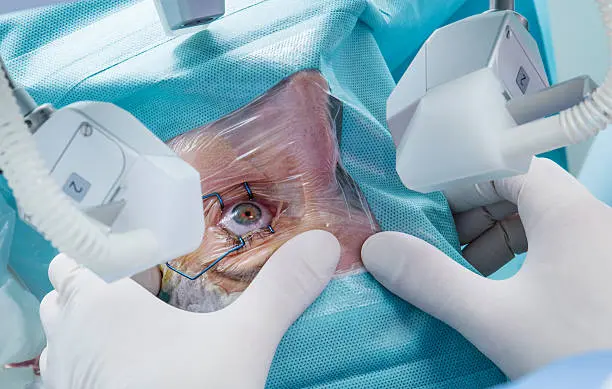
Cataract surgery is the most effective treatment and is one of the most commonly performed surgeries worldwide. It involves removing the cloudy lens and replacing it with an artificial intraocular lens (IOL).
- Types of surgery:
- Phacoemulsification: A small incision is made, and ultrasound waves break up the lens, which is then removed.
- Extracapsular cataract extraction: A larger incision is made to remove the lens in one piece.
- Recovery: Surgery usually takes less than an hour, and most patients can resume normal activities within a few days. Full recovery may take a few weeks.
- Risks: Cataract surgery is generally safe, but possible complications include infection, bleeding, retinal detachment, or lens dislocation.
Lifestyle and Preventive Measures
While cataracts cannot always be prevented, certain habits may slow their progression:
- Wear sunglasses with UV protection to reduce sun-related damage.
- Maintain a healthy diet rich in antioxidants like vitamin C, vitamin E, and beta-carotene.
- Quit smoking and limit alcohol consumption, which are known risk factors.
- Manage chronic conditions such as diabetes and high blood pressure.
- Regular eye exams for early detection and timely intervention.
When to See a Doctor
You should consult an eye specialist if you notice:
- Sudden changes in vision
- Difficulty performing everyday tasks due to blurred vision
- Double vision or halos around lights
- Frequent changes in eyeglass prescriptions
Prompt evaluation ensures that cataracts or any other underlying eye conditions are addressed before they significantly impact your quality of life.
5 FAQs About Cataracts
1. Can cataracts cause complete blindness?
Yes, if left untreated over many years, cataracts can lead to severe vision loss or blindness. However, timely surgery can restore vision in most cases.
2. Is cataract surgery painful?
Most patients experience minimal discomfort. Local anesthesia is used, and modern surgical techniques are quick and relatively painless.
3. How long does cataract surgery last?
Cataract surgery usually takes 30–60 minutes, and vision typically improves within a few days. Full recovery may take several weeks.
4. Can cataracts come back after surgery?
Cataracts themselves do not recur, but some patients may develop cloudiness in the lens capsule called posterior capsular opacification. It can be treated with a quick laser procedure.
5. Are there natural remedies to reverse cataracts?
No natural remedies can reverse cataracts. Healthy lifestyle choices may slow their progression, but surgery is the only proven treatment to restore clear vision.
Conclusion
Cataracts are a common eye condition that can gradually affect your vision. Recognizing the early symptoms, seeking timely medical advice, and adopting preventive measures can significantly improve your quality of life. Modern surgical techniques are highly effective, safe, and can restore clear vision, allowing you to continue enjoying daily activities without vision impairment. Regular eye check-ups, protective habits, and a healthy lifestyle are the best ways to maintain eye health and prevent complications.