

How to Boost Your Immune System: Simple Steps for a Healthier You
November 14, 2025
How to Sleep Better at Night: A Complete Guide for Restful Sleep
November 14, 2025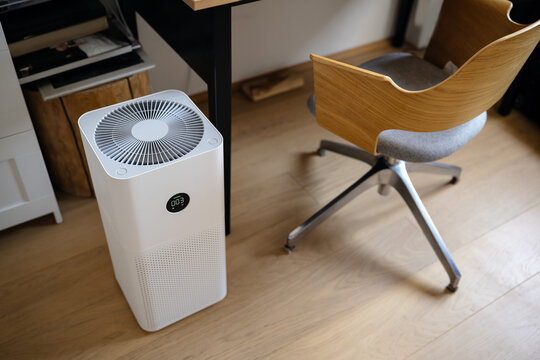
Allergies are an increasingly common problem affecting millions of people worldwide. From sneezing and itchy eyes to severe reactions like asthma attacks, allergens can disrupt everyday life. While it may not be possible to completely eliminate all allergy triggers, there are effective ways to reduce exposure and minimize symptoms. This guide will explore practical strategies to help you control allergens in your home, workplace, and daily life.
Understanding Allergies and Triggers
Before tackling allergy triggers, it’s important to understand what they are. Allergens are substances that provoke an immune system response in sensitive individuals. Common allergens include:
- Pollen: Released by trees, grasses, and weeds, pollen is a major seasonal trigger.
- Dust mites: Microscopic creatures found in bedding, carpets, and upholstered furniture.
- Pet dander: Tiny flakes of skin and hair from animals like cats and dogs.
- Mold: Found in damp areas like bathrooms, basements, and kitchens.
- Certain foods: Nuts, shellfish, dairy, and gluten can trigger allergic reactions in some people.
- Chemical irritants: Perfumes, cleaning products, and smoke can aggravate allergies.
Allergic reactions vary from person to person, but common symptoms include sneezing, runny nose, itchy eyes, congestion, coughing, and skin rashes.
1. Reduce Indoor Allergens
Your home is often the primary place where allergens accumulate. Taking proactive steps indoors can significantly reduce exposure.
Clean Regularly
Dust and vacuum frequently using a vacuum with a HEPA filter to trap allergens. Wipe surfaces with a damp cloth to prevent dust from becoming airborne.
Control Humidity
Dust mites and mold thrive in humid environments. Keep indoor humidity between 30% and 50% using a dehumidifier or air conditioner.
Wash Bedding and Curtains
Bedding and curtains can harbor dust mites and pet dander. Wash them weekly in hot water (at least 130°F/54°C) to kill dust mites and remove allergens.
Use Air Purifiers
HEPA air purifiers can trap pollen, pet dander, dust, and other allergens, improving air quality indoors.
Reduce Clutter
Clutter can collect dust and make cleaning harder. Keeping your home organized reduces surfaces where allergens can accumulate.
2. Manage Pet Allergens
Pets bring joy, but they can be a major source of allergens. To reduce exposure:
- Bathe and groom pets regularly to minimize dander.
- Keep pets out of bedrooms and off upholstered furniture.
- Wash your hands after touching pets and consider changing clothes afterward.
- Use HEPA filters in rooms where pets spend the most time.
3. Control Outdoor Allergens
Seasonal allergens like pollen can be challenging, but there are strategies to limit exposure:
- Check local pollen counts and stay indoors when counts are high.
- Keep windows and doors closed during allergy season.
- Wear sunglasses and hats to protect your eyes and hair from pollen.
- Shower and change clothes after spending time outdoors.
4. Reduce Food and Chemical Allergens
Some allergies are triggered by certain foods or chemicals:
- Read labels carefully: Avoid foods that trigger reactions, and be aware of hidden ingredients.
- Cook at home: Preparing meals at home reduces exposure to cross-contaminated foods.
- Limit chemical exposure: Choose fragrance-free cleaning products, detergents, and personal care items when possible.
5. Adopt Healthy Lifestyle Habits
Your lifestyle can also impact how your body reacts to allergens:
- Stay hydrated: Drinking plenty of water helps thin mucus and reduces nasal congestion.
- Exercise regularly: Moderate exercise can improve immune function and reduce inflammation.
- Eat an anti-inflammatory diet: Fruits, vegetables, and omega-3-rich foods can support immune health.
- Sleep well: Quality sleep strengthens your body’s defense mechanisms against allergens.
6. Seek Medical Advice
If allergies are severe or persistent, professional medical advice is essential. An allergist can:
- Conduct tests to identify specific allergens.
- Recommend medications like antihistamines, nasal sprays, or eye drops.
- Suggest immunotherapy (allergy shots) for long-term relief.
7. Create an Allergy Action Plan
Being proactive is key. An allergy action plan can help you manage symptoms effectively:
- Identify your triggers and keep a log of symptoms.
- Plan indoor and outdoor activities around allergen levels.
- Keep medications on hand and know how to use them properly.
FAQs About Reducing Allergy Triggers
1. Can allergies be completely cured?
Allergies cannot always be fully cured, but symptoms can be effectively managed through lifestyle changes, avoidance strategies, and medical treatment.
2. Are natural remedies effective against allergies?
Some natural remedies like saline nasal rinses, local honey, or herbal supplements may relieve mild symptoms, but they should not replace medical advice or treatment.
3. How can I reduce dust mites in my home?
Wash bedding weekly in hot water, use allergen-proof mattress and pillow covers, vacuum with a HEPA filter, and reduce indoor humidity.
4. Can changing my diet help with allergies?
Avoiding foods that trigger allergic reactions can prevent symptoms, and an anti-inflammatory diet can help reduce overall inflammation in the body.
5. When should I see an allergist?
Consult an allergist if you experience severe reactions, frequent symptoms, or symptoms that do not improve with over-the-counter remedies.
Conclusion
Reducing allergy triggers requires a combination of environmental control, lifestyle changes, and, when necessary, medical intervention. By maintaining a clean home, managing exposure to pets and outdoor allergens, choosing safe foods and products, and supporting your immune system, you can significantly reduce allergy symptoms and enjoy a healthier, more comfortable life. Remember, small daily steps can make a big difference in keeping allergens at bay.