
Mental Health and Sexual Wellbeing: Understanding the Connection
November 14, 2025
How to Improve Oxygen Levels Naturally
November 14, 2025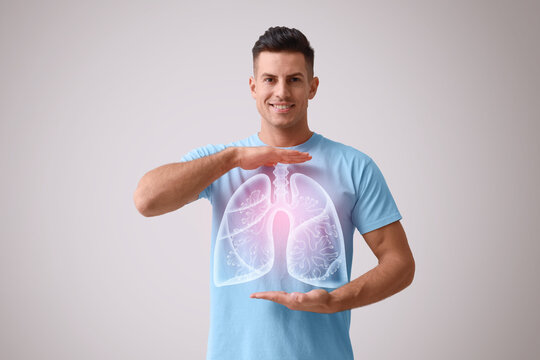
Our lungs are remarkable organs, tirelessly working every second of our lives to supply oxygen to our blood and remove carbon dioxide. Yet, despite their importance, we often take lung health for granted. Poor lung health can lead to chronic diseases like asthma, COPD, and even increase the risk of infections. The good news? With consistent habits and lifestyle choices, you can significantly improve your lung function, boost your overall health, and breathe easier every day.
Here’s a practical guide on how to improve lung health in a natural and human-friendly way.
1. Quit Smoking and Avoid Secondhand Smoke
Smoking is the leading cause of lung problems worldwide. It damages the airways, reduces lung capacity, and increases the risk of chronic obstructive pulmonary disease (COPD) and lung cancer. If you smoke, quitting is the single most effective step you can take to improve your lung health.
Even being around smokers can be harmful. Secondhand smoke contains toxic chemicals that irritate the lungs, reduce their efficiency, and increase your risk of respiratory infections. Protect your lungs by avoiding smoky environments and encouraging loved ones to quit.
Tip: Seek support through counseling, nicotine replacement therapy, or support groups. Many people find success when they combine methods rather than rely on one alone.
2. Practice Deep Breathing Exercises
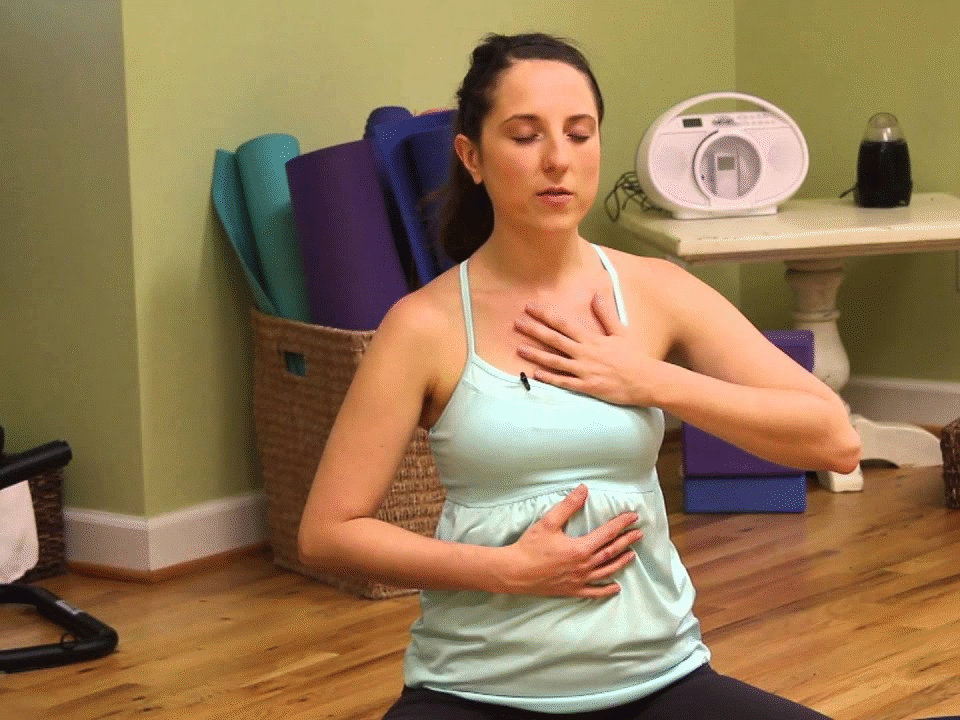
Shallow breathing reduces oxygen intake and can leave your lungs underused. Practicing deep breathing helps improve lung capacity and efficiency. Here are a few techniques:
- Diaphragmatic Breathing: Lie on your back, place one hand on your chest and one on your belly. Inhale deeply through your nose, making your belly rise more than your chest, then exhale slowly.
- Pursed-Lip Breathing: Inhale through your nose for two counts and exhale slowly through pursed lips for four counts. This helps keep your airways open longer.
Try practicing these exercises 5–10 minutes daily. Over time, you’ll notice improved stamina and easier breathing during physical activity.
3. Exercise Regularly
Physical activity strengthens not just your heart and muscles but also your lungs. Exercise increases oxygen demand, forcing your lungs to work harder and more efficiently. Activities like brisk walking, swimming, cycling, and yoga can improve lung function and capacity.
Tip: Start gradually if you’re new to exercise. Even short, consistent sessions daily are better than occasional intense workouts. Yoga, in particular, combines breathing techniques with stretching, which is excellent for lung health.
4. Maintain Good Air Quality
The air you breathe plays a significant role in lung health. Polluted air, dust, and allergens can damage lung tissue over time. Here’s how to improve the air around you:
- Keep indoor spaces clean and dust-free.
- Use air purifiers with HEPA filters.
- Avoid using harsh chemicals or aerosol sprays indoors.
- Spend time outdoors in areas with cleaner air, such as parks or forests.
Monitoring air quality, especially in cities, helps you plan outdoor activities when pollution levels are lower.
5. Stay Hydrated
Water helps keep the mucosal linings in the lungs thin, making it easier for oxygen to pass into the bloodstream. Staying hydrated also helps loosen mucus, which can otherwise accumulate and block airways. Aim to drink at least 8 glasses of water daily, and more if you are physically active.
6. Eat Lung-Friendly Foods
Your diet can support lung health in multiple ways. Certain foods help reduce inflammation, boost immunity, and protect lung tissue:
- Fruits and Vegetables: Rich in antioxidants like vitamin C and beta-carotene. Examples: oranges, carrots, berries, and leafy greens.
- Omega-3 Fatty Acids: Found in fish, flaxseeds, and walnuts, omega-3s help reduce lung inflammation.
- Garlic and Ginger: Contain anti-inflammatory compounds that support respiratory health.
- Green Tea: Antioxidants in green tea may help protect lung cells.
Avoid excessive processed foods, fried meals, and sugary drinks, as these can contribute to inflammation and reduce lung efficiency.
7. Prevent Infections
Respiratory infections like the flu or pneumonia can severely damage the lungs. Protect your lungs by:
- Washing hands regularly.
- Avoiding close contact with sick individuals.
- Staying up-to-date on vaccinations like flu shots and pneumonia vaccines.
- Wearing masks in high-risk areas during cold and flu season.
A strong immune system is your lungs’ first line of defense.
8. Maintain a Healthy Weight
Excess weight can put pressure on your lungs and diaphragm, making breathing more difficult. Maintaining a healthy weight through balanced nutrition and regular exercise allows your lungs to function optimally and improves overall stamina.
9. Practice Good Posture
Believe it or not, posture affects lung capacity. Slouching compresses your lungs, reducing oxygen intake. Maintain a straight, upright posture while sitting or standing. Yoga and stretching exercises can help improve posture and chest expansion, allowing you to breathe more fully.
10. Regular Health Checkups
Routine checkups help detect lung problems early, even before symptoms appear. If you have a history of smoking, exposure to pollutants, or respiratory issues, regular lung function tests can help prevent serious complications.
5 Frequently Asked Questions About Lung Health
1. Can lung health improve after quitting smoking?
Yes! Lung function begins to improve within weeks of quitting. Over time, the risk of lung disease decreases, and your lungs start repairing damaged tissue.
2. How much exercise is needed for healthy lungs?
At least 150 minutes of moderate-intensity exercise per week is recommended. Even brisk walking for 30 minutes a day can improve lung capacity.
3. Are supplements necessary for lung health?
A balanced diet usually provides all necessary nutrients. Supplements may help if you have deficiencies, but consult a doctor before starting any.
4. Can air pollution permanently damage lungs?
Long-term exposure to pollutants can reduce lung function and increase the risk of chronic diseases. Reducing exposure and practicing lung-friendly habits can minimize damage.
5. Is deep breathing enough to keep lungs healthy?
Deep breathing exercises improve lung capacity and efficiency, but overall lung health also depends on avoiding pollutants, exercising, eating well, and maintaining a healthy lifestyle.
Final Thoughts
Improving lung health doesn’t happen overnight. It’s about small, consistent steps that protect your lungs, strengthen their function, and enhance your overall well-being. Whether it’s quitting smoking, practicing breathing exercises, exercising regularly, or eating nutrient-rich foods, every positive choice counts.
Your lungs are the engine of life. Take care of them today, and they will take care of you tomorrow—helping you breathe easier, live healthier, and enjoy life to the fullest.