

How to Improve Lung Health: A Complete Guide to Breathing Easier
November 14, 2025
How to Lose Weight Naturally: A Complete Guide
November 14, 2025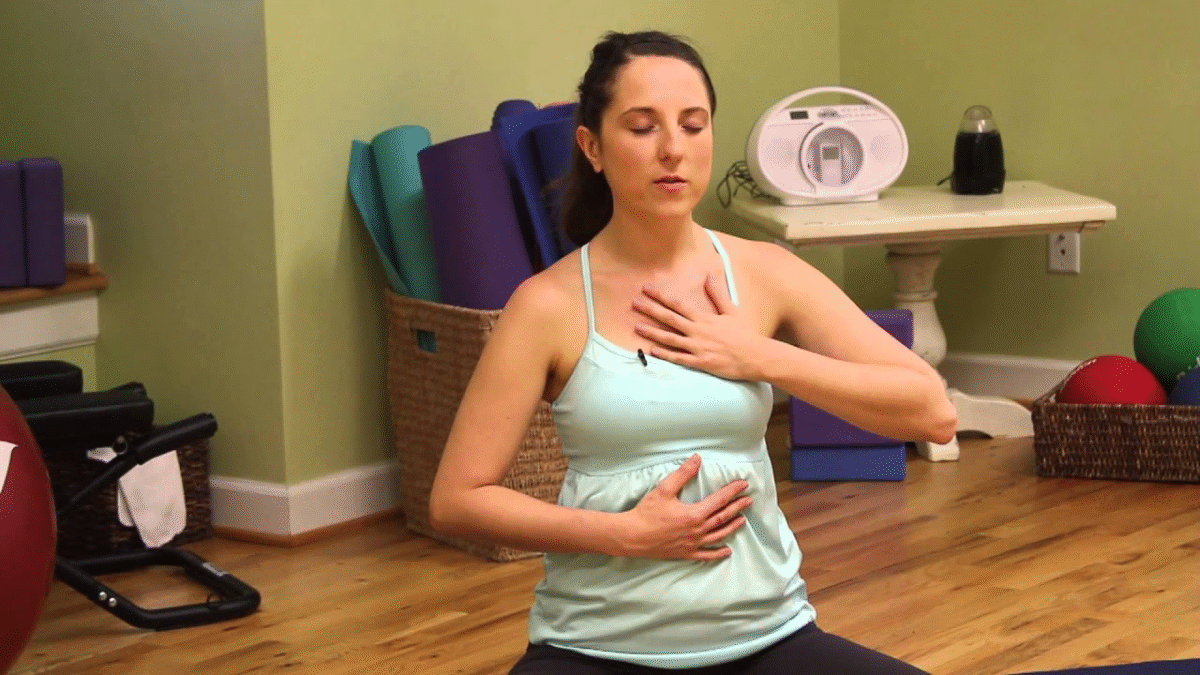
Oxygen is the fuel that keeps our body alive. Every cell, organ, and tissue in our body needs oxygen to function properly. Low oxygen levels can make you feel tired, dizzy, short of breath, or even affect your overall health if left unchecked. While medical conditions may require professional care, there are natural ways to improve oxygen levels in your body and boost your overall well-being. Let’s explore practical strategies that anyone can apply.
1. Practice Deep Breathing Exercises
One of the simplest and most effective ways to increase oxygen levels naturally is through deep breathing. Most of us breathe shallowly without even realizing it, which prevents the lungs from fully expanding and reduces oxygen intake. Deep breathing, on the other hand, helps increase lung capacity, improves circulation, and enhances oxygen absorption.
How to do it:
- Sit or lie in a comfortable position.
- Inhale slowly through your nose, allowing your stomach to expand.
- Hold your breath for 2–3 seconds.
- Exhale slowly through your mouth.
- Repeat this 5–10 minutes daily.
Yoga practices such as pranayama and techniques like diaphragmatic breathing are excellent ways to naturally boost oxygen levels.
2. Get Regular Exercise
Physical activity helps your body use oxygen more efficiently. During exercise, your heart pumps faster, and your lungs work harder, improving oxygen circulation throughout your body. Regular workouts can also strengthen your lungs, improve your endurance, and support cardiovascular health.
Tips:
- Walk, jog, or cycle for 30 minutes daily.
- Include aerobic exercises such as swimming or dancing.
- Practice interval training to improve lung efficiency.
Even light exercises like stretching or brisk walking can improve oxygenation over time.
3. Spend Time in Nature
Fresh air is rich in oxygen. Spending time outdoors, especially in green spaces like parks, forests, or near water, exposes you to cleaner air and higher oxygen levels. Plants also release oxygen and absorb carbon dioxide, helping improve air quality around you.
Ways to benefit:
- Take a daily walk outside.
- Practice outdoor meditation or yoga.
- Open windows at home to allow fresh air in.
Avoiding heavily polluted areas or using indoor plants to purify air can further help maintain healthy oxygen levels.
4. Eat Oxygen-Boosting Foods
Nutrition plays a vital role in oxygen absorption and utilization. Certain foods can improve your blood’s ability to carry oxygen and enhance overall lung function.
Top oxygen-friendly foods:
- Leafy greens (spinach, kale) – rich in iron and nitrates that improve oxygen transport.
- Beets – contain nitrates that increase nitric oxide in the blood, helping vessels dilate and improve oxygen flow.
- Berries – antioxidants in berries support lung and heart health.
- Citrus fruits – vitamin C strengthens blood vessels and improves oxygen delivery.
- Garlic and onions – natural anti-inflammatory properties that enhance blood circulation.
Eating a balanced diet with plenty of fruits, vegetables, whole grains, and lean proteins supports healthy oxygen levels naturally.
5. Stay Hydrated
Water is essential for oxygen transport in your body. Proper hydration ensures that blood can carry oxygen efficiently to every organ and tissue. When you’re dehydrated, your blood thickens, making it harder for oxygen to reach your cells.
Tips for staying hydrated:
- Drink at least 8 glasses of water daily.
- Include hydrating foods like watermelon, cucumber, and oranges.
- Limit excessive caffeine or alcohol, as they can dehydrate you.
6. Improve Posture
Believe it or not, poor posture can affect your oxygen intake. Slouching or hunching compresses the lungs and diaphragm, limiting your lung capacity. Maintaining proper posture allows your lungs to fully expand and take in more oxygen.
How to improve posture:
- Sit straight with shoulders back.
- Stand tall, keeping your spine aligned.
- Stretch your chest and shoulders regularly.
Even a few minutes of posture-focused exercises each day can enhance breathing efficiency.
7. Practice Mindfulness and Reduce Stress
Stress and anxiety can lead to shallow breathing and reduced oxygen intake. Mindfulness techniques such as meditation, progressive muscle relaxation, or guided breathing exercises can calm the mind, improve lung function, and increase oxygen levels.
Tips:
- Practice 10–15 minutes of meditation daily.
- Focus on slow, deep breaths during stressful situations.
- Engage in relaxing activities like reading, listening to music, or gentle stretching.
Reducing stress not only helps oxygen intake but also benefits your overall health.
8. Consider Natural Supplements
Certain natural supplements can support healthy oxygen levels, especially if combined with a balanced diet. Iron, vitamin B12, and folic acid are essential for red blood cells, which carry oxygen in the blood.
Consult a healthcare professional before starting any supplements to ensure they are suitable for your needs.
9. Avoid Smoking and Polluted Environments
Cigarette smoke and polluted air reduce oxygen levels in your body. Chemicals in smoke can damage lung tissue, making oxygen absorption less efficient. Limiting exposure to pollution and quitting smoking are critical steps for naturally improving oxygen levels.
Tips:
- Use an air purifier at home if needed.
- Avoid high-traffic areas during peak hours.
- Encourage smoke-free environments at home and work.
Conclusion
Improving oxygen levels naturally is all about combining lifestyle changes, good nutrition, and mindful practices. Simple adjustments such as deep breathing, regular exercise, spending time in nature, and eating oxygen-friendly foods can significantly boost your oxygen intake. Maintaining proper posture, staying hydrated, reducing stress, and avoiding harmful pollutants further enhance your overall health.
By following these natural strategies, you can increase your energy levels, improve mental clarity, support heart and lung function, and enjoy a healthier, more vibrant life.
Frequently Asked Questions (FAQs)
1. How can I tell if my oxygen levels are low?
Common signs include shortness of breath, fatigue, dizziness, rapid heartbeat, or bluish lips and fingertips. A pulse oximeter can measure oxygen saturation at home.
2. Can deep breathing really increase oxygen in the blood?
Yes. Deep breathing expands the lungs fully, improves oxygen exchange, and increases oxygen levels in your bloodstream.
3. Which exercises are best for boosting oxygen?
Aerobic exercises like walking, jogging, cycling, swimming, and even yoga help improve lung efficiency and oxygen circulation.
4. Are there specific foods that help increase oxygen?
Yes. Leafy greens, beets, berries, citrus fruits, garlic, and onions all support oxygen transport and lung health.
5. Can stress affect oxygen levels?
Absolutely. Stress leads to shallow breathing and reduces oxygen intake. Mindfulness and relaxation techniques can improve breathing and oxygenation.