

How to Lose Weight Naturally: A Complete Guide
November 14, 2025
Sinusitis Symptoms and Treatment: A Complete Guide
November 14, 2025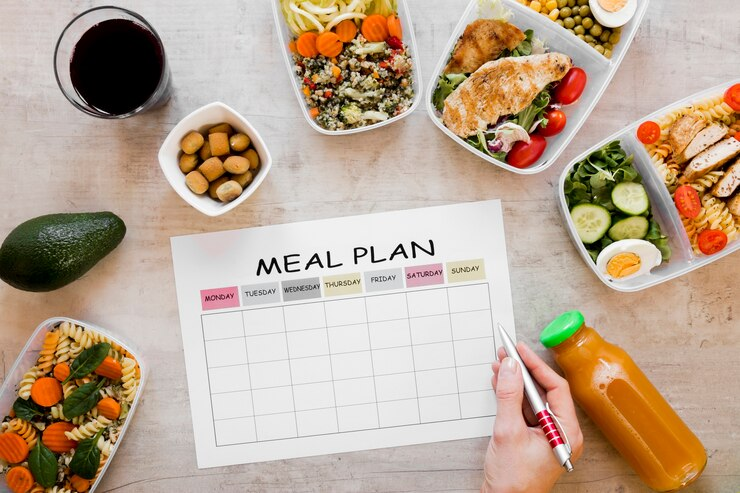
Managing weight is more than just exercising or skipping meals—it’s about adopting a balanced approach to nutrition. One of the most effective ways to control weight and maintain a healthy lifestyle is through structured meal plans. Meal plans help you make better food choices, control portions, and avoid unhealthy snacking, which can all contribute to achieving your weight goals. In this article, we’ll explore how meal plans can support weight management, tips for creating one, sample meal ideas, and answer common questions.
Why Meal Plans Matter for Weight Management
Meal plans provide a roadmap for your daily nutrition. They are more than just a list of foods; they are a strategy to balance calories, nutrients, and satiety. Here’s why they are so effective:
- Portion Control – Overeating is one of the biggest reasons for weight gain. Meal plans help you decide how much to eat at each meal.
- Balanced Nutrition – They ensure you get the right mix of protein, carbohydrates, fats, vitamins, and minerals.
- Reduced Temptations – When you know what to eat, you are less likely to grab junk food impulsively.
- Consistency – Regular eating patterns can improve metabolism and energy levels.
- Stress-Free Decisions – Meal planning takes the guesswork out of daily meals, making healthy eating easier.
How to Create an Effective Meal Plan
A good meal plan is tailored to your body, lifestyle, and goals. Here are the key steps to create one:
1. Calculate Your Calorie Needs
Weight management depends on the balance between calories consumed and calories burned. Use online calculators or consult a nutritionist to determine how many calories you need daily to maintain, lose, or gain weight.
2. Include All Food Groups
Make sure each meal has:
- Protein – chicken, fish, tofu, beans, eggs. Protein helps build muscle and keeps you full.
- Healthy Fats – olive oil, nuts, seeds, avocado. Fats support brain health and satiety.
- Carbohydrates – whole grains, vegetables, fruits. They provide energy and fiber.
- Vitamins & Minerals – include a variety of colorful vegetables and fruits.
3. Plan Meal Frequency
Some people do well with three main meals, while others prefer three meals plus snacks. Find a schedule that suits your appetite and daily routine.
4. Portion Control
Even healthy foods can lead to weight gain if eaten in excess. Use measuring cups or intuitive portion sizes (like a fist for carbs or palm for protein) to keep portions in check.
5. Stay Hydrated
Water is crucial for metabolism, digestion, and satiety. Aim for at least 8 glasses a day.
Sample Meal Plan for Weight Management
Here’s a simple 1-day meal plan to get started:
Breakfast
- 2 boiled eggs or a small omelet with spinach
- 1 slice of whole-grain toast
- 1 small apple or orange
- Green tea or black coffee (optional)
Mid-Morning Snack
- 1 handful of almonds or walnuts
- A few carrot or cucumber sticks
Lunch
- Grilled chicken breast or chickpea salad
- Quinoa or brown rice (½ cup cooked)
- Steamed vegetables (broccoli, carrots, bell peppers)
- 1 glass of water with lemon
Afternoon Snack
- Greek yogurt with berries
- Green tea or herbal tea
Dinner
- Baked salmon or tofu
- Roasted vegetables (zucchini, bell peppers, asparagus)
- Mixed green salad with olive oil dressing
Optional Evening Snack
- A small piece of dark chocolate or a few nuts
This sample plan includes lean protein, healthy fats, complex carbs, and plenty of fiber to help you feel full while supporting weight loss or maintenance.
Tips for Successful Meal Planning
- Prep in Advance – Cook or chop ingredients in advance to save time.
- Mix and Match – Rotate proteins, vegetables, and grains to avoid boredom.
- Mindful Eating – Focus on eating slowly and recognizing hunger cues.
- Track Your Progress – Use an app or journal to monitor meals and portion sizes.
- Be Flexible – Life happens, so allow occasional indulgences without guilt.
Benefits of Following a Meal Plan
- Sustained Energy Levels: Eating balanced meals prevents energy crashes.
- Reduced Cravings: Regular meals keep blood sugar levels stable.
- Improved Digestion: Fiber-rich foods in meal plans support gut health.
- Better Long-Term Habits: Structured meal plans teach portion control and healthy choices.
Common Mistakes to Avoid
- Skipping Meals – Can lead to overeating later.
- Ignoring Snacks – Healthy snacks prevent binge eating.
- Focusing Only on Calories – Quality of food matters as much as quantity.
- Being Too Restrictive – Extreme diets are hard to maintain and may slow metabolism.
- Not Tracking Progress – Without monitoring, it’s easy to slip back into old habits.
5 FAQs About Meal Plans for Weight Management
1. Can I still eat out while following a meal plan?
Yes! Choose grilled proteins, salads, and vegetables. Limit fried or processed foods, and watch portions. Planning ahead helps you make better choices.
2. How many calories should I eat daily to lose weight?
It depends on age, gender, activity level, and weight goals. Generally, a reduction of 500 calories per day leads to roughly 1 pound of weight loss per week. A nutritionist can help personalize this.
3. Are snacks allowed in meal plans?
Absolutely. Healthy snacks like nuts, fruits, or yogurt keep blood sugar stable and prevent overeating at main meals.
4. How do I stay motivated to stick to my meal plan?
Set realistic goals, track progress, celebrate small wins, and vary your meals to keep things exciting.
5. Can meal plans help maintain weight after losing it?
Yes. Meal plans teach portion control, balanced nutrition, and healthy habits, which are essential for long-term weight maintenance.
Conclusion
Meal plans are a practical tool for anyone looking to manage weight effectively. By planning your meals, focusing on balanced nutrition, and staying consistent, you can enjoy your food while achieving your weight goals. Remember, the best meal plan is one that fits your lifestyle, preferences, and nutritional needs. Start small, stay patient, and your body will thank you for it.