
Nuclear Medicine’s Impact on Cardiovascular Health Assessment
January 16, 2026The Influence of Sleep Disorders on Cognitive Function
January 16, 2026
Preventive cardiology focuses on the early detection of heart disease risk factors, and this medical specialty identifies potential issues before they develop into life-threatening conditions like heart attacks. Doctors use various screenings to assess your current cardiovascular health, and they create plans based on those findings. Here are some of the benefits of regular screening in preventive cardiology:
Reduced Risks
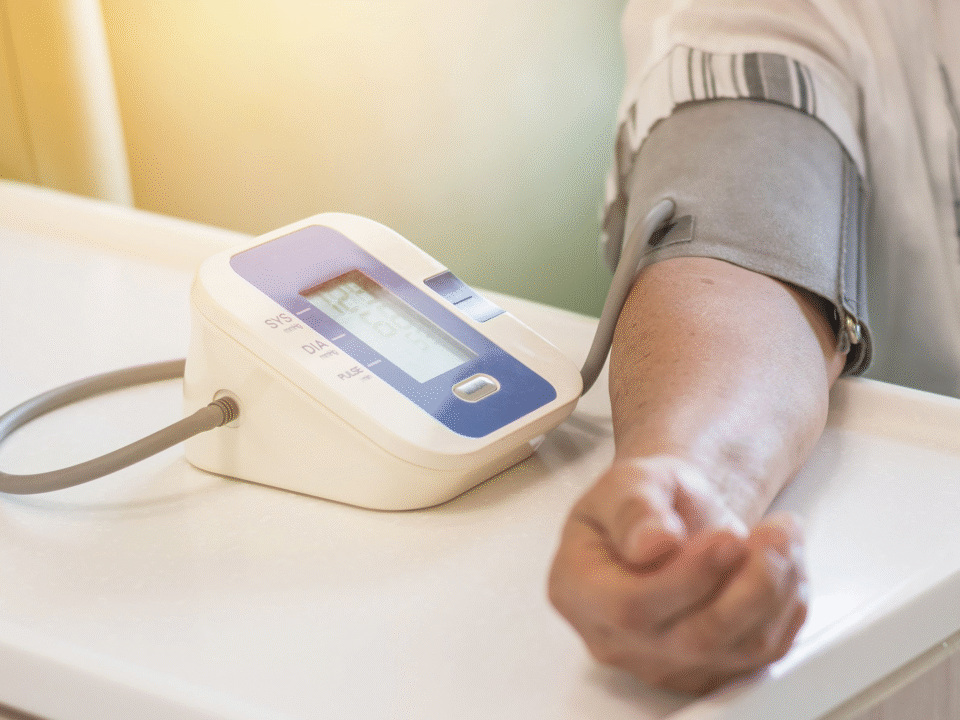
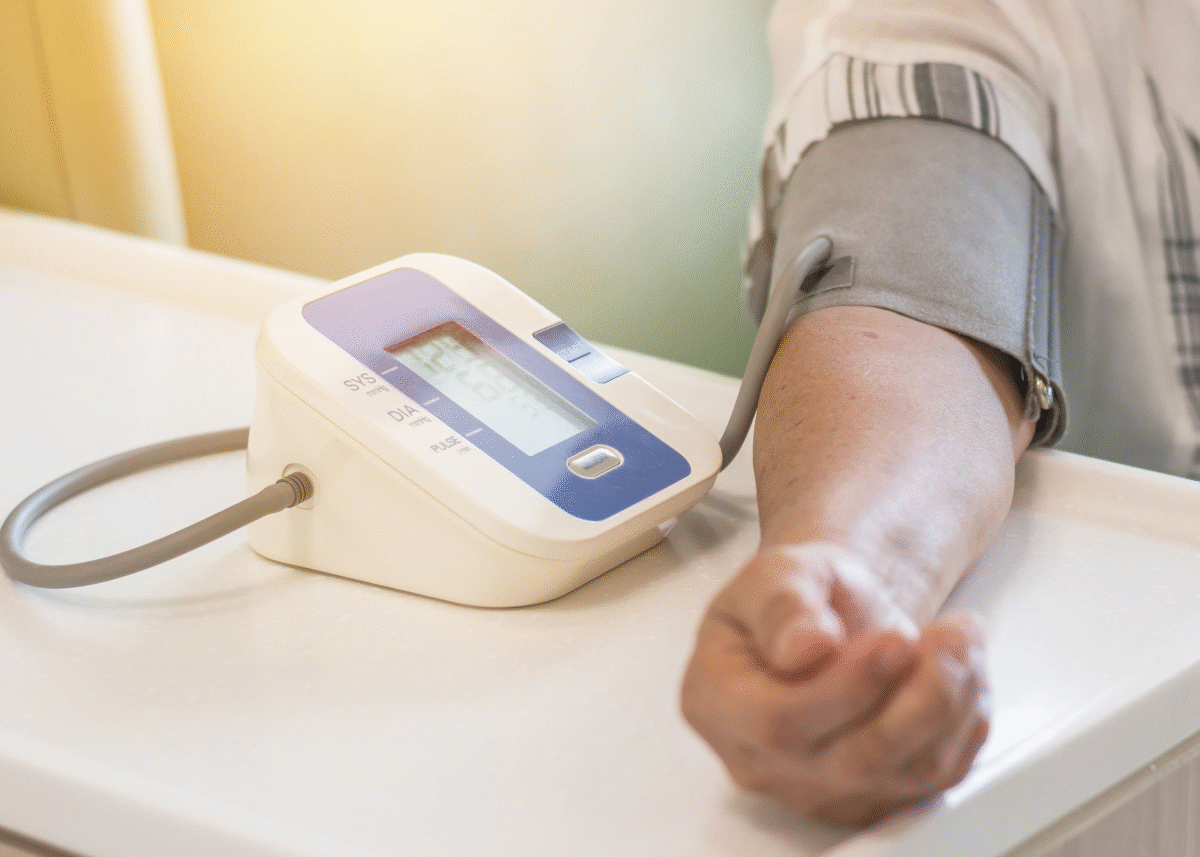
Early detection helps you manage health threats before they become severe. High blood pressure damages arteries over time, but screenings catch these silent problems early. When you identify these issues promptly, you have more options for successful management.
Cholesterol levels play a significant role in heart health, yet many people may not know their numbers. A blood test reveals these levels, and it gives you the knowledge to make changes. Doctors review your family history during these screenings because genetics significantly influence your risk profile.
Lifestyle factors also contribute to your overall heart disease risk. Smoking weakens the cardiovascular system, so physicians evaluate these behaviors during exams. Addressing these habits may reduce the likelihood of future cardiac events. Maintaining a balanced diet rich in fruits, vegetables, whole grains, and lean proteins is another significant step to improving heart health and minimizing risk factors.
Personalized Interventions
There are no universal solutions in heart health, and preventive cardiology relies on customization. As your doctor reviews your specific test results, they can build a plan that matches your unique physiology. This approach targets your specific vulnerabilities, and it may include:
- Medication adjustments
- Diet modifications
- Exercise planning
Nutrition plays a key role in heart health. A registered dietitian might suggest a specific eating plan, or you might need to limit sodium intake. These small changes add up, and they can lead to significant improvements.
Other factors apply to maintaining a healthy heart, as stressors may contribute to hypertension and other cardiovascular issues. While techniques like mindfulness, yoga, or hobbies can greatly reduce symptoms, consistent practice is key for long-term benefits. Regular follow-ups with your healthcare provider make sure that your care plan remains effective and adapts to any changes in your condition over time.
Minimally Invasive Solutions
Advanced imaging technology enables doctors to visualize your arteries without surgery. These non-invasive tests provide detailed pictures of your heart, and they detect blockages that physical exams might miss. When you do this, you get a clear view of your arterial health. Doctors use these imaging tools to determine if you need medication.
Improved Management
Managing chronic conditions requires consistent oversight, and this should be done by a professional. If you have diabetes or hypertension, regular cardiology screenings help you stay ahead of complications. This proactive approach keeps your condition stable.
Medication adherence is easier when you understand your numbers. You see the direct impact of your efforts, and that feedback motivates you to stick with the treatment plan. Your doctor adjusts dosages based on these regular check-ins.
Find Preventive Cardiology Treatments
Taking charge of your heart health starts with an initial appointment. With the help of a doctor, you can gain control over your heart health. Understand your risks, and learn how to mitigate them effectively. Contact a cardiology clinic today to schedule your preventive screening.
- When Surgery Is Not Your Answer: Understanding Your Real Spinal Health Options
- Mallory Plotnik: Biography, Marriage, Family, and Life With Phil Wickham
- Brumeblog Com: A Comprehensive Guide to the Multi-Niche Content Platform
- Eractoll: What the Charge Means, Why It Appears, and How Enterprise Toll Charges Work
- RLP Letter: What It Means, What to Do, and Your Rights