
Innovations in Dermatology and Treatments for Common Skin Conditions
December 23, 2025Understanding the Aftercare for Veneers
January 9, 2026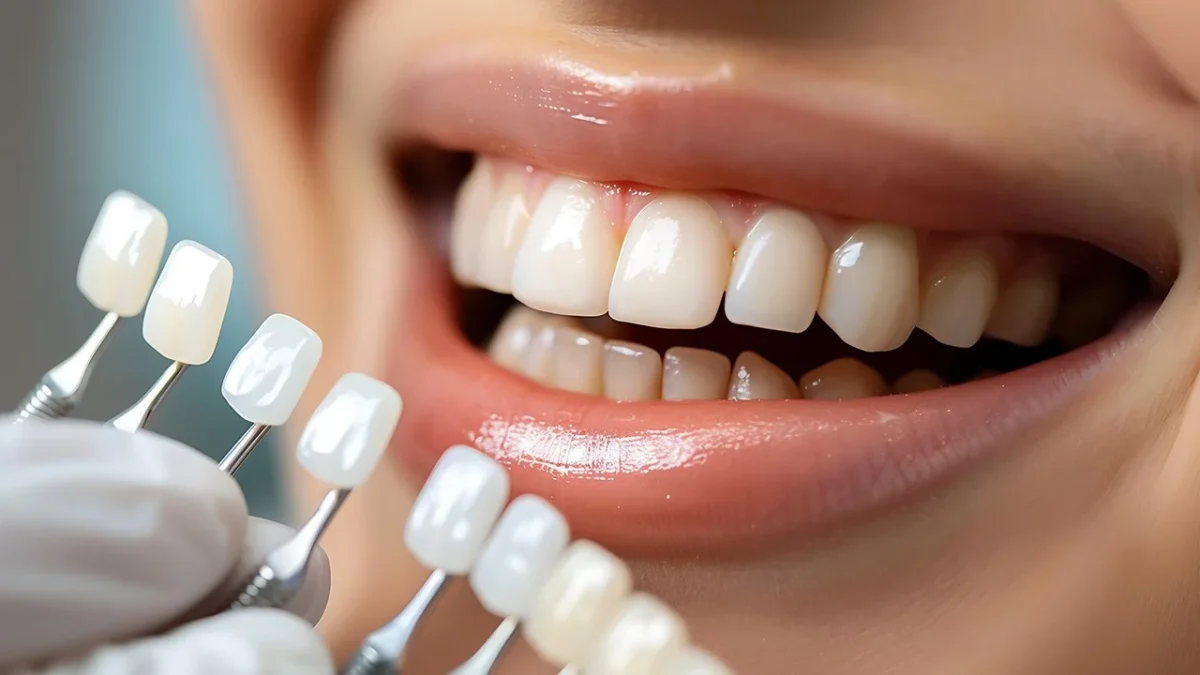
Cosmetic dentistry provides various options for individuals looking to modify the appearance of their smile. Among these, porcelain veneers represent a method used to alter the look of teeth. These custom-made facings are designed to fit over the front surfaces of teeth, allowing them to be reshaped, colored, or sized. Understanding the application and characteristics of porcelain veneers can provide insight into their role in aesthetic dental procedures.
What Are Porcelain Veneers?
Porcelain veneers are thin, shell-like restorations meticulously crafted from dental ceramic. Each veneer is custom-fabricated in a dental laboratory to match the specific dimensions and desired shade for a patient’s tooth. The process begins with a dental professional preparing the tooth, which typically involves removing a small amount of enamel from the front surface. This step creates space for the veneer to be placed, allowing it to sit flush with the surrounding teeth.
After the tooth is prepared, an impression is taken. This impression serves as a precise model for the dental laboratory to create the final veneer. Once fabricated, the veneer is returned to the dentist’s office. The dentist will then check the fit and color before permanently bonding it to the tooth using a special light-sensitive resin and a curing light. This secure bond integrates the veneer with the tooth structure.
What Do They Address?
Porcelain veneers are applied to address a range of cosmetic dental concerns. They can be used to conceal stains or discoloration that do not respond to traditional whitening treatments. Teeth can become discolored from certain foods, drinks, smoking, or as a side effect of some medications. Veneers provide a uniform and brighter appearance by covering these imperfections.
Veneers are also a solution for minor physical irregularities in teeth. This includes teeth that are chipped, cracked, or worn down from grinding. By bonding a veneer to the surface, the tooth’s original shape and integrity can be visually restored. They can be used to close small gaps between teeth or to correct the appearance of teeth that are slightly misaligned or irregularly shaped. This application offers an alternative to more extensive orthodontic work for certain alignment issues.
Who Are They For?
Individuals who seek to modify the appearance of their smile may find porcelain veneers to be a suitable option. A good candidate for this procedure typically has healthy teeth and gums. The underlying tooth structure must be sound enough to support the veneer. People with active gum disease, significant tooth decay, or large fillings may need to have these issues addressed before veneers can be placed.
A person’s bite and oral habits also play a role in determining suitability. Those who clench or grind their teeth may put excessive pressure on the veneers. This can lead to chipping or damage. In such cases, a dentist might suggest a protective nightguard. The decision to pursue porcelain veneers is a personal one, made after a thorough evaluation of an individual’s dental health and aesthetic goals.
Confer With a Dentist
Receiving any dental procedure begins with a professional consultation. A thorough dental examination allows a dentist to assess your oral health and discuss your specific aesthetic objectives. During this appointment, the dentist can evaluate your teeth and gums to determine if porcelain veneers are an appropriate option for you.