

Best Oral Hygiene Practices: A Complete Guide to a Healthy Smile
November 14, 2025
How to Strengthen Core Muscles: A Complete Guide
November 14, 2025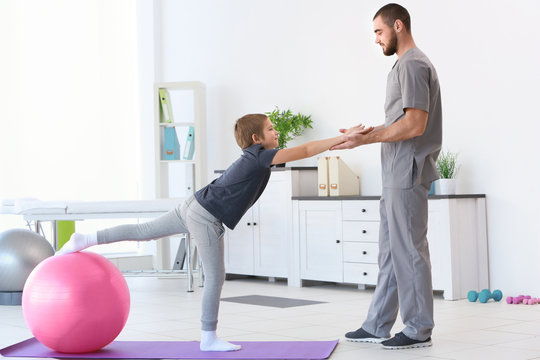
Physical therapy is often recommended after injuries, surgeries, or for managing chronic conditions. While visiting a clinic is beneficial, many people find it difficult to attend frequent sessions due to time, cost, or convenience. The good news is that home physical therapy exercises can be highly effective when done correctly. These exercises not only help with recovery but also improve strength, flexibility, balance, and overall well-being.
In this article, we’ll explore how to perform these exercises safely, the benefits, and tips to make them part of your daily routine.
Why Home Physical Therapy Exercises Are Important
Home exercises allow you to take control of your recovery. They are essential for several reasons:
- Convenience: You can perform them anytime without commuting.
- Consistency: Daily practice at home often leads to faster improvement.
- Cost-effective: Reduces the need for frequent clinic visits.
- Personalized Progress: You can start slow and gradually increase intensity based on your comfort level.
- Empowerment: Being actively involved in your recovery builds confidence and motivation.
Tips for Safe Home Physical Therapy
Before diving into exercises, it’s crucial to follow some safety tips:
- Consult a professional: Always get guidance from a physical therapist or doctor, especially if you have injuries or medical conditions.
- Warm up: Spend 5–10 minutes warming up your muscles to prevent strains. Simple activities like marching in place or gentle stretching work well.
- Listen to your body: Mild discomfort is normal, but sharp pain is a warning to stop.
- Use proper equipment: Resistance bands, yoga mats, and light dumbbells can enhance effectiveness but are optional.
- Track your progress: Keep a log of your exercises, repetitions, and improvements. This helps you stay motivated and see progress over time.
Key Home Physical Therapy Exercises
Here are some exercises commonly recommended for various conditions. They are simple, effective, and can be adjusted according to your ability.
1. Leg Strengthening Exercises
A. Straight Leg Raises
- Lie on your back with one leg bent and the other straight.
- Tighten your thigh muscles of the straight leg and lift it slowly to the height of the bent knee.
- Hold for 3–5 seconds, then lower gently.
- Repeat 10–15 times for each leg.
Benefits: Strengthens quadriceps and hip flexors, helpful for knee and hip recovery.
B. Wall Sits
- Stand with your back against a wall, feet shoulder-width apart.
- Slide down until your knees are at a 90-degree angle.
- Hold for 10–30 seconds, then slide back up.
- Repeat 5–10 times.
Benefits: Builds leg strength and stability.
2. Core Strengthening Exercises
A. Pelvic Tilts
- Lie on your back with knees bent, feet flat on the floor.
- Flatten your lower back against the floor by tightening your abdominal muscles.
- Hold for 5 seconds and relax.
- Repeat 10–15 times.
Benefits: Strengthens lower back and core muscles, improves posture, and reduces back pain.
B. Bridges
- Lie on your back, knees bent, feet hip-width apart.
- Lift your hips to form a straight line from shoulders to knees.
- Hold for 5 seconds, then lower slowly.
- Repeat 10–15 times.
Benefits: Strengthens glutes, lower back, and core, helping with stability and mobility.
3. Upper Body Exercises
A. Arm Raises
- Stand or sit with arms at your sides.
- Slowly raise your arms to shoulder height, then lower.
- Repeat 10–15 times. You can add light weights as you progress.
Benefits: Strengthens shoulder and arm muscles, improving range of motion.
B. Wall Push-Ups
- Stand a few feet from a wall and place hands on the wall at shoulder height.
- Bend elbows, bringing your chest toward the wall, then push back.
- Repeat 10–15 times.
Benefits: Improves upper body strength without putting too much strain on joints.
4. Flexibility and Balance Exercises
A. Heel-to-Toe Walk
- Walk in a straight line, placing your heel directly in front of your toes with each step.
- Do this for 10–15 steps.
Benefits: Enhances balance, reduces the risk of falls.
B. Gentle Stretching
- Stretch major muscle groups like hamstrings, quadriceps, back, and shoulders.
- Hold each stretch for 15–30 seconds without bouncing.
Benefits: Maintains flexibility and reduces stiffness, which is especially important for older adults.
5. Tips for Making Home Exercises Effective
- Set a routine: Choose a fixed time daily to perform exercises.
- Start slowly: Begin with fewer repetitions and gradually increase.
- Use reminders: Phone alarms or notes can help you stay consistent.
- Stay hydrated: Drink water before and after exercise.
- Combine with healthy habits: Proper nutrition, sleep, and stress management enhance recovery.
When to Seek Professional Help
While home exercises are helpful, professional supervision is necessary in some cases:
- Persistent pain that doesn’t improve in a few weeks.
- Swelling, redness, or unusual symptoms after exercise.
- Recovery from major surgery or serious injury.
- Neurological conditions affecting movement and balance.
A physical therapist can tailor exercises to your specific needs and ensure you’re performing them safely.
Benefits of Consistent Home Physical Therapy
Regular home exercises can lead to:
- Reduced pain and stiffness.
- Improved mobility and strength.
- Faster recovery after injury or surgery.
- Enhanced balance and coordination.
- Long-term prevention of injuries and chronic conditions.
By making these exercises part of your daily routine, you take an active role in your health and overall quality of life.
5 Frequently Asked Questions (FAQs)
1. Can home physical therapy replace professional therapy?
Home exercises are effective for maintaining strength, flexibility, and mobility but cannot fully replace professional guidance for serious injuries. Always consult a therapist for tailored programs.
2. How often should I do these exercises?
Most exercises can be performed 4–6 times per week. Start slowly and gradually increase frequency as tolerated.
3. What equipment do I need at home?
A yoga mat, resistance bands, light dumbbells, and a stable chair or wall are usually sufficient. Most exercises can be done with bodyweight alone.
4. How long before I see results?
Consistency is key. Most people notice improvements in strength, flexibility, and reduced discomfort within 3–6 weeks.
5. What if I feel pain during an exercise?
Mild discomfort is normal, but sharp pain indicates injury or improper technique. Stop immediately and consult a professional if pain persists.
Conclusion
Home physical therapy exercises are a convenient, effective, and affordable way to maintain or regain strength, mobility, and overall health. By combining consistent practice, proper technique, and guidance from healthcare professionals, you can improve your physical well-being and prevent future injuries. Remember, progress takes time, so be patient, stay consistent, and celebrate small milestones along the way.