
Intégrammes: The Ultimate Guide to Logic Puzzles That Train Your Brain
November 13, 2025
Best Foods for a Healthy Digestive System: A Complete Guide for Better Gut Health
November 14, 2025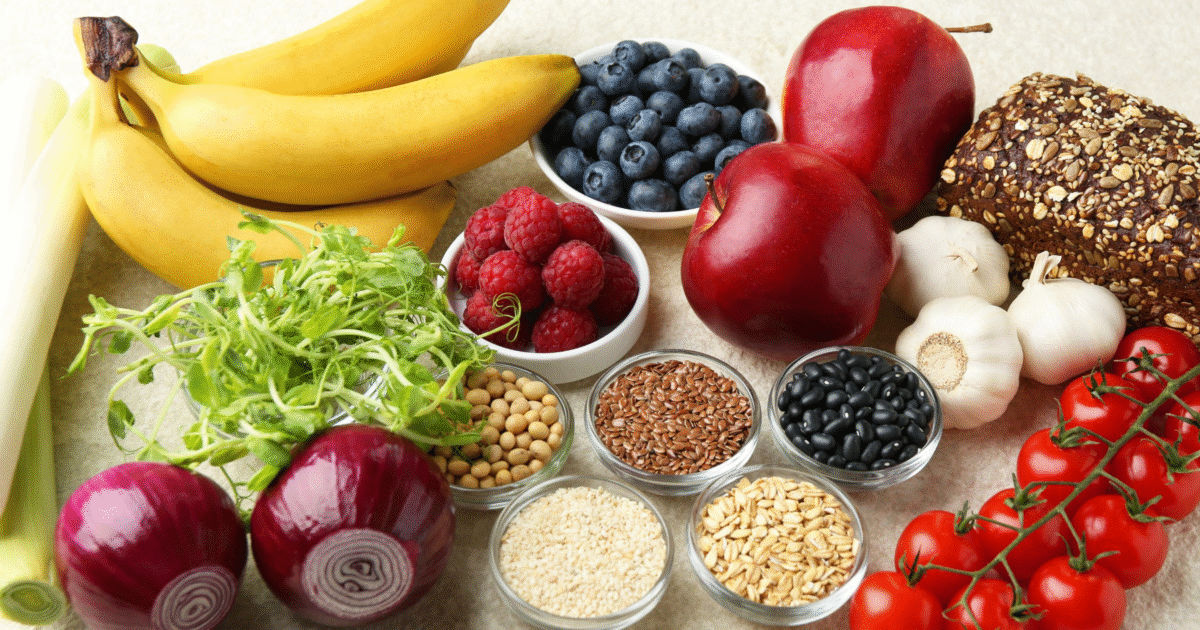
Your gut is more powerful than you might think. It plays a role in digestion, immunity, mood, weight, inflammation, energy levels, and even your skin. When your gut is healthy, you feel healthy. But when it gets out of balance, problems like bloating, constipation, fatigue, acne, and food sensitivities start showing up.
The good news? You can improve your gut health naturally—without expensive supplements, strict diets, or complicated routines. All it takes is simple, consistent habits that support the trillions of bacteria living in your digestive system.
In this easy and human-style guide, you’ll learn what gut health really means, why it matters, and the natural ways to restore and maintain a healthy gut.
What Is Gut Health and Why Does It Matter?
Your gut is not just a place where food is digested—it’s a busy ecosystem full of bacteria, fungi, and microbes called the gut microbiome. These tiny organisms help:
- Break down food
- Absorb nutrients
- Produce vitamins
- Support your immune system
- Maintain hormone balance
- Improve mood by producing serotonin
- Reduce inflammation in the body
When your gut bacteria are balanced, everything runs smoothly. But when they’re disrupted—because of stress, poor diet, antibiotics, or lack of sleep—you may experience:
- Bloating
- Gas
- Constipation or diarrhea
- Low energy
- Skin problems
- Brain fog
- Frequent illness
Improving gut health naturally is all about nourishing your microbiome with the right foods and lifestyle habits.
Natural Ways to Improve Gut Health
Let’s dive into the most effective, science-backed, and easy habits you can start today.
1. Eat a Fiber-Rich Diet
Fiber is the “food” your good bacteria love. They ferment fiber and produce short-chain fatty acids (SCFAs) that keep your gut lining strong and reduce inflammation.
Best sources of natural fiber include:
- Oats
- Quinoa
- Lentils and beans
- Chia seeds and flaxseeds
- Broccoli, carrots, and spinach
- Apples, bananas, pears
- Whole grains
Aim to include fiber in every meal. Even small changes—like switching from white bread to whole grain—can make a difference.
2. Add More Fermented Foods
Fermented foods are rich in probiotics—live bacteria that support gut balance.
Try adding these to your diet:
- Yogurt with live cultures
- Kefir
- Kimchi
- Sauerkraut
- Kombucha
- Miso
- Fermented pickles
Start slowly, especially if you’re not used to fermented foods, to avoid temporary bloating.
3. Reduce Sugar and Processed Foods
Sugar feeds harmful bacteria and yeast in the gut. Processed foods contain additives, artificial sweeteners, and preservatives that can disrupt your microbiome.
Try cutting back on:
- Soft drinks
- Packaged snacks
- Fast foods
- Sugary desserts
- White bread and pastries
Instead, choose whole foods full of vitamins, minerals, and natural fiber.
4. Stay Hydrated
Water helps your digestive system break down food and regulates bowel movements. Hydration keeps your gut functioning smoothly.
Tips:
- Drink 6–8 glasses of water daily
- Add lemon for digestive support
- Drink herbal teas like peppermint or ginger
Your gut loves hydration more than you think.
5. Eat a Diverse Range of Foods
The more diverse your diet, the more diverse your gut bacteria—a major sign of good gut health.
Try adding:
- New fruits
- Seasonal vegetables
- Different grains
- Various nuts and seeds
- New herbs and spices
Think of your plate like a rainbow—the more colors, the better.
6. Manage Stress Levels
Your gut and brain are directly connected through the gut-brain axis. Stress can cause stomachaches, inflammation, digestive problems, and imbalance in gut bacteria.
Try these natural stress-relief habits:
- Deep breathing
- Light exercise or yoga
- Meditation
- Spending time outdoors
- Listening to relaxing music
- Journaling
Even 10 minutes a day can help calm your digestive system.
7. Sleep Well Every Night
Poor sleep disrupts the microbiome and increases cravings for unhealthy foods. Aim for 7–9 hours of quality sleep.
Helpful sleep habits:
- Avoid screens 1 hour before bed
- Follow a sleep schedule
- Keep your room cool and dark
- Limit caffeine in the afternoon
A well-rested gut is a healthier gut.
8. Move Your Body Daily
Exercise increases healthy bacteria and improves digestion.
You don’t need intense workouts—gentle movement is enough.
Try:
- Walking
- Cycling
- Stretching
- Yoga
- Light jogging
- Dancing
Just 20–30 minutes a day can make a big difference.
9. Avoid Overusing Antibiotics
Antibiotics kill both good and bad bacteria. Only use them when medically necessary.
If you must take antibiotics, support your gut by:
- Taking probiotics (discuss with a doctor)
- Eating fermented foods
- Increasing fiber intake
It helps restore balance faster.
10. Try Natural Gut-Healing Foods
Some foods have soothing and healing effects on the digestive system.
Examples:
- Ginger: reduces nausea and inflammation
- Garlic: acts as a prebiotic
- Aloe vera juice: soothes the gut lining
- Bone broth: supports the gut wall
- Turmeric: reduces inflammation
- Bananas: calm the stomach and restore electrolytes
Add them gradually to your diet based on your comfort.
11. Don’t Eat Too Fast
Fast eating leads to swallowing air, bloating, indigestion, and overeating.
Slow down by:
- Chewing food thoroughly
- Eating without distractions
- Taking smaller bites
- Enjoying the taste of your food
Mindful eating supports better digestion and gut health.
12. Listen to Your Body
Everyone’s gut is unique. What bothers someone else may not bother you.
Pay attention to:
- Foods that cause discomfort
- Stress triggers
- Bowel habits
- Energy levels
Your gut is always giving clues—just tune in.
Final Thoughts
Improving gut health naturally doesn’t require complicated diets or expensive supplements. It’s about building simple, consistent habits that feed your good bacteria, support digestion, and reduce inflammation.
Start with small steps:
- Add fiber
- Eat fermented foods
- Drink more water
- Sleep well
- Move your body
Over time, your gut will respond with better digestion, clearer skin, more energy, and a stronger immune system.
Your gut is the foundation of your well-being—take care of it, and it will take care of you.
5 Frequently Asked Questions
1. How long does it take to improve gut health naturally?
Most people notice improvements in 2–4 weeks, but deeper gut healing may take a few months depending on diet, lifestyle, and overall health.
2. Can probiotics improve gut health?
Yes. Probiotics add beneficial bacteria to your gut. You can get them from food (like yogurt, kefir, kimchi) or supplements.
3. What are signs of an unhealthy gut?
Common signs include bloating, gas, constipation, diarrhea, fatigue, sugar cravings, acne, bad breath, and frequent infections.
4. Is coffee bad for gut health?
Coffee is not harmful for most people and may even support digestion. But too much caffeine can irritate sensitive stomachs.
5. What foods should I avoid for better gut health?
Try to limit sugary foods, processed snacks, fried foods, artificial sweeteners, alcohol, and highly refined carbohydrates.