
How to Sleep Better at Night: A Complete Guide for Restful Sleep
November 14, 2025
How to Improve Sexual Wellness: A Complete Guide to a Healthier, Happier You
November 14, 2025
Nighttime anxiety is a challenge many people face, and it can be incredibly frustrating. You might find yourself lying in bed, heart racing, thoughts swirling, and sleep feeling impossible. Anxiety at night can affect your health, mood, and overall well-being. Fortunately, there are practical steps you can take to calm your mind and enjoy restful sleep. In this guide, we’ll explore simple, effective strategies to reduce nighttime anxiety naturally.
Understanding Nighttime Anxiety
Nighttime anxiety occurs when your mind refuses to switch off at the end of the day. Unlike daytime stress, which is often tied to specific tasks, nighttime anxiety can feel overwhelming and unfocused. Common symptoms include:
- Racing thoughts or worries
- Difficulty falling asleep
- Muscle tension
- Restlessness
- Feeling on edge or nervous without reason
Understanding why this happens is the first step. Often, your brain continues to process stress, emotions, or unfinished tasks from the day. Hormones like cortisol may be elevated, and habits like excessive screen time or caffeine consumption can worsen the problem.
1. Create a Calming Bedtime Routine
A consistent bedtime routine signals your body that it’s time to relax. Here’s how to set one up:
- Set a regular sleep schedule: Go to bed and wake up at the same time every day. This helps regulate your body clock.
- Wind down for 30-60 minutes: Read a book, listen to soft music, or take a warm bath.
- Avoid stimulating activities: Stay away from stressful work, emails, or intense exercise right before bed.
A routine trains your brain to associate certain activities with relaxation, making it easier to fall asleep.
2. Practice Mindfulness and Relaxation Techniques
Mindfulness is a powerful tool to reduce anxiety. It helps you focus on the present moment instead of worrying about the past or future. Some techniques include:
- Deep breathing: Try the 4-7-8 method—inhale for 4 seconds, hold for 7, exhale for 8.
- Progressive muscle relaxation: Tense and release muscles from head to toe to release physical tension.
- Guided meditation or apps: Listening to calming meditation can quiet racing thoughts.
These techniques can lower your heart rate and create a sense of calm, helping you drift into sleep.
3. Limit Stimulants and Heavy Meals
What you consume during the day can affect nighttime anxiety:
- Avoid caffeine late in the day: Coffee, tea, chocolate, and energy drinks can keep your mind alert at night.
- Limit alcohol: Alcohol may initially make you sleepy but can disrupt your sleep cycle.
- Eat lighter dinners: Heavy meals can cause discomfort or indigestion, increasing restlessness.
Opt for calming foods such as chamomile tea, warm milk, or snacks rich in magnesium like nuts or seeds.
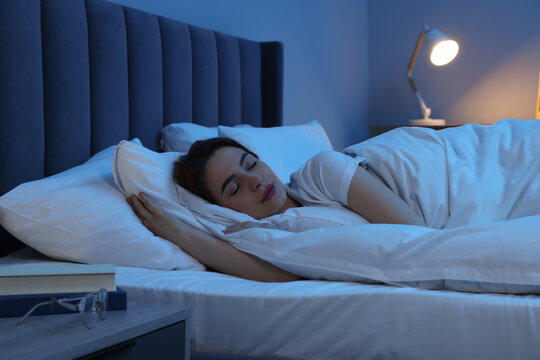
4. Create a Sleep-Friendly Environment
Your bedroom should be a sanctuary for rest. Small changes can make a big difference:
- Keep your room cool, dark, and quiet: Use blackout curtains, earplugs, or white noise machines.
- Invest in a comfortable mattress and pillows: Comfort reduces physical discomfort that can trigger anxiety.
- Remove electronics from your bed: Avoid scrolling phones or watching TV in bed, as these can keep your brain active.
A soothing environment tells your brain that it’s safe to relax.
5. Journal Your Thoughts Before Bed
Writing down your worries before sleeping can prevent your mind from obsessing over them in bed. Try these tips:
- List your worries: Get them out of your head and onto paper.
- Write a “to-do” list for tomorrow: This can reduce stress about forgetting tasks.
- End with gratitude: Note three things you are grateful for to shift your mindset to positivity.
Journaling can create mental clarity and reduce the cycle of anxious thinking.
6. Exercise Regularly, But Timing Matters
Physical activity is great for reducing anxiety, but timing is crucial:
- Exercise during the day: Morning or afternoon workouts release endorphins and lower stress hormones.
- Avoid intense exercise right before bed: This can raise adrenaline and make falling asleep harder.
Even light activities like walking or stretching in the evening can help release tension without overstimulating your body.
7. Practice Cognitive Techniques
Sometimes anxiety persists because of patterns in thinking. Cognitive strategies help retrain your mind:
- Challenge anxious thoughts: Ask yourself if worries are realistic or exaggerated.
- Set a “worry period”: Allocate 15-20 minutes earlier in the day to process worries instead of letting them spill into bedtime.
- Visualize peaceful scenes: Imagine a calm beach or forest to distract from racing thoughts.
Cognitive techniques can gradually reduce the power of nighttime anxiety over time.
8. Seek Professional Support if Needed
Persistent nighttime anxiety can sometimes indicate a deeper issue like generalized anxiety disorder, depression, or insomnia. Consulting a mental health professional can provide tailored strategies, therapy, or treatment if necessary. Remember, seeking help is a sign of strength, not weakness.
5 FAQs About Nighttime Anxiety
1. Why do I feel more anxious at night than during the day?
At night, your mind has fewer distractions, so unresolved stress or worries can surface. Reduced sunlight and lower serotonin levels can also contribute.
2. Can lifestyle changes really reduce nighttime anxiety?
Yes! Habits like a bedtime routine, mindfulness, exercise, and limiting caffeine can significantly lower anxiety and improve sleep.
3. Is it normal to wake up anxious during the night?
Occasional nighttime anxiety is common. If it happens frequently or disrupts sleep, it may need attention from a healthcare professional.
4. Can diet affect nighttime anxiety?
Absolutely. Heavy meals, sugar, caffeine, and alcohol can worsen anxiety. Lighter, calming foods can help your body relax.
5. Are there natural remedies for nighttime anxiety?
Yes. Herbal teas (like chamomile or lavender), magnesium supplements, meditation, and aromatherapy can help reduce anxiety naturally.
Final Thoughts
Nighttime anxiety can feel overwhelming, but it doesn’t have to control your life. By understanding the root causes and implementing simple habits—like creating a calming routine, practicing mindfulness, journaling, and optimizing your sleep environment—you can regain control and enjoy restful nights. Remember, small consistent changes often lead to the biggest improvements. With patience and self-care, peaceful, anxiety-free sleep is achievable.