
Mental Health Tips for Working Women: How to Stay Balanced and Strong
November 14, 2025
How Massage Improves Circulation: Unlocking the Benefits of Touch
November 14, 2025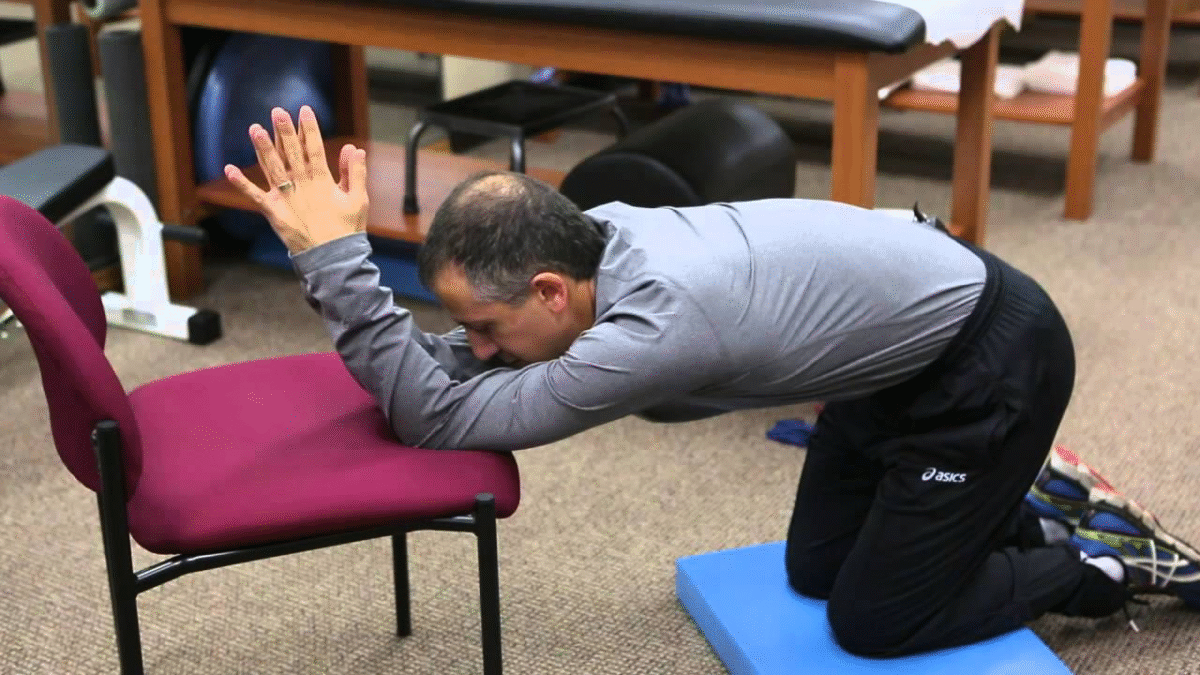
Muscle tension is something most of us experience at some point in our lives. Whether it’s after a long day at work, an intense workout, or even from sitting in one position for too long, tight muscles can be uncomfortable and even painful. Learning how to relax your muscles not only eases discomfort but also improves overall well-being, flexibility, and mental clarity. In this article, we’ll explore practical and effective ways to relax your muscles and keep your body feeling light and stress-free.
Understanding Muscle Tension
Before diving into relaxation techniques, it’s important to understand why muscles get tense. Muscle tension occurs when fibers in a muscle remain contracted for extended periods. This can happen due to:
- Stress or anxiety: Emotional stress can cause your body to tighten up, especially in the neck, shoulders, and back.
- Poor posture: Sitting hunched over a desk or slouching can strain muscles over time.
- Overuse or injury: Repeating certain motions or overexerting muscles can lead to tightness.
- Lack of movement: Staying in one position for long periods can cause stiffness and discomfort.
Chronic muscle tension can lead to headaches, fatigue, and even decreased mobility. Fortunately, there are many simple strategies to help relax your muscles and prevent further tension.
1. Stretching Exercises
Stretching is one of the most effective ways to release tight muscles. By gently elongating the muscle fibers, you increase blood flow and oxygen supply, which helps them relax.
- Neck stretch: Sit or stand straight. Slowly tilt your head to one side, bringing your ear toward your shoulder. Hold for 15-30 seconds and repeat on the other side.
- Shoulder stretch: Bring one arm across your chest and gently press it with your other arm. Hold for 20 seconds.
- Hamstring stretch: Sit on the floor with one leg extended. Reach toward your toes and hold for 20-30 seconds.
Try to stretch daily, especially after sitting for long periods or exercising. Consistent stretching reduces stiffness and improves overall flexibility.
2. Massage Therapy
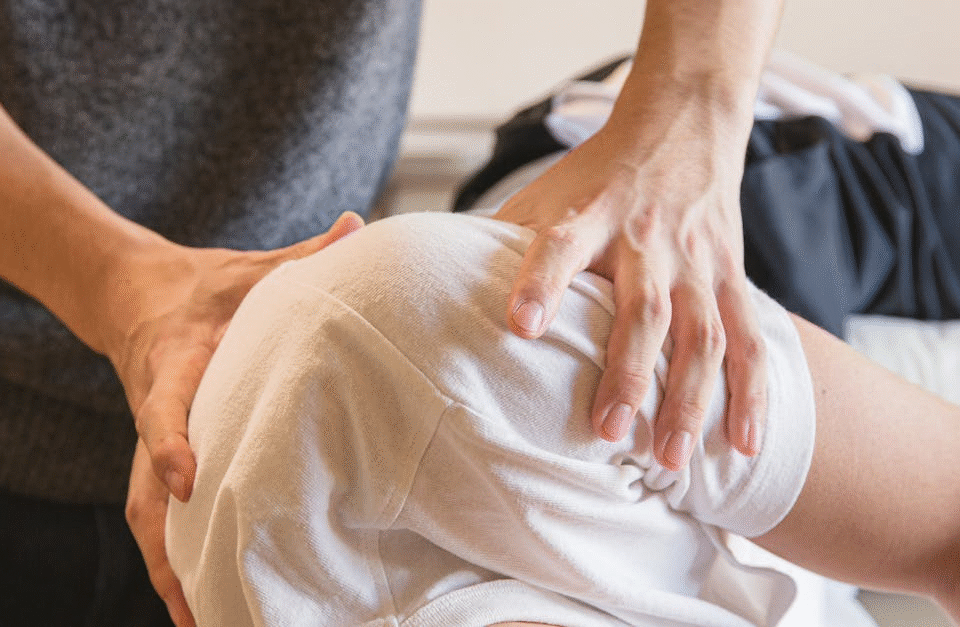
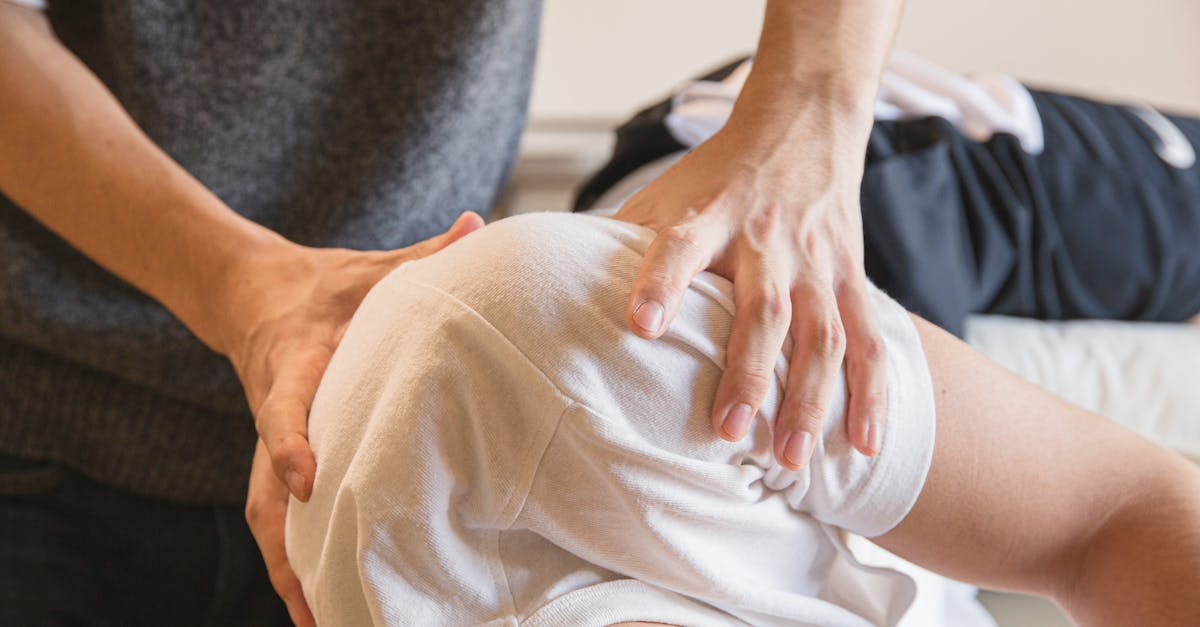
Massage is a wonderful way to release muscle tension and stimulate relaxation. Massaging helps increase blood circulation, break down knots, and release endorphins that improve mood.
- Self-massage: You can use your hands or a foam roller to massage tight areas such as the neck, shoulders, or legs.
- Professional massage: Visiting a licensed massage therapist can provide deeper relief, especially for chronic tension or sports injuries.
Even a few minutes of self-massage can make a noticeable difference in muscle relaxation and overall comfort.
3. Heat Therapy
Applying heat to tense muscles can increase blood flow and relax stiffness. Heat therapy is particularly effective for chronic tension, sore muscles, and tight joints.
- Warm baths: Soaking in warm water helps loosen tight muscles while promoting mental relaxation. Adding Epsom salts can enhance the effect.
- Heating pads: Place a heating pad on the tense area for 15-20 minutes.
- Warm compresses: A towel soaked in hot water can also work as a temporary relief method.
Avoid excessive heat, and do not apply heat directly to open wounds or inflamed areas.
4. Progressive Muscle Relaxation
Progressive Muscle Relaxation (PMR) is a technique where you tense and then release each muscle group in your body. This method helps you identify areas of tension and consciously relax them.
How to practice PMR:
- Sit or lie down in a comfortable position.
- Start with your feet and work your way up.
- Tense the muscles in your feet for 5-10 seconds, then release completely.
- Move on to calves, thighs, abdomen, arms, shoulders, and face.
- Focus on the sensation of relaxation after releasing each muscle group.
Practicing PMR for 10-15 minutes daily can significantly reduce overall muscle tension and promote calmness.
5. Deep Breathing Exercises
Muscle tension often accompanies stress and anxiety. Deep breathing can help relax your body by lowering stress hormones and calming your nervous system.
- Diaphragmatic breathing: Sit or lie down comfortably. Place one hand on your chest and the other on your stomach. Breathe in deeply through your nose, allowing your stomach to rise. Exhale slowly through your mouth. Repeat 10 times.
- 4-7-8 breathing: Inhale for 4 seconds, hold for 7 seconds, and exhale for 8 seconds.
Combining deep breathing with stretching or PMR enhances muscle relaxation and provides a sense of overall calm.
6. Gentle Exercise and Movement
Light physical activity keeps muscles flexible and prevents stiffness. While intense workouts can cause temporary soreness, gentle exercises can actually relieve tension.
- Yoga: Yoga combines stretching, breathing, and mindfulness to release muscle tightness and improve flexibility. Poses like Child’s Pose, Cat-Cow, and Downward Dog are especially effective.
- Walking: A short walk improves circulation and eases muscle tightness in the legs and back.
- Swimming: The buoyancy of water reduces pressure on joints and relaxes muscles.
Even 20-30 minutes of daily gentle movement can prevent and relieve muscle tension.
7. Hydration and Nutrition
Believe it or not, what you eat and drink affects muscle health. Dehydration can make muscles more prone to cramps and stiffness, while a lack of essential nutrients can impair muscle function.
- Drink water regularly: Aim for 6-8 glasses a day.
- Consume magnesium-rich foods: Spinach, almonds, and bananas help relax muscles.
- Include potassium: Potatoes, tomatoes, and oranges support healthy muscle function.
A balanced diet and proper hydration help muscles recover faster and reduce tension.
8. Lifestyle Adjustments
Making simple changes in daily habits can reduce muscle tension and improve overall comfort:
- Ergonomic workspace: Adjust your chair, desk, and monitor to maintain good posture.
- Take breaks: Stand up, stretch, and move every 1-2 hours.
- Sleep well: Poor sleep increases stress and muscle tension. Aim for 7-9 hours per night.
- Manage stress: Meditation, journaling, or hobbies can help reduce mental and physical tension.
Conclusion
Muscle relaxation isn’t just about comfort—it’s about maintaining a healthy, flexible, and pain-free body. By incorporating stretching, massage, heat therapy, deep breathing, gentle exercise, proper hydration, and lifestyle adjustments, you can effectively relax your muscles and prevent tension from building up. Start small, be consistent, and notice how your body gradually feels lighter, more flexible, and stress-free.
FAQs
1. How long does it take to relax tight muscles?
It depends on the cause and severity. Light tension can be relieved in a few minutes with stretching or massage, while chronic tension may take weeks of consistent practice.
2. Can stress cause muscle tension?
Yes. Stress triggers the body’s fight-or-flight response, which tightens muscles, especially in the neck, shoulders, and back.
3. Is heat or cold better for muscle relaxation?
For tight muscles, heat is usually more effective as it increases blood flow. Cold therapy is better for injuries or inflammation.
4. How often should I stretch to relax my muscles?
Daily stretching, even for 10-15 minutes, can prevent stiffness and improve flexibility.
5. Can yoga really help with muscle tension?
Absolutely. Yoga combines stretching, movement, and breathing, which collectively relax muscles and reduce overall stress.