Cataract Symptoms and Treatment: A Comprehensive Guide
November 14, 2025
Best Oral Hygiene Practices: A Complete Guide to a Healthy Smile
November 14, 2025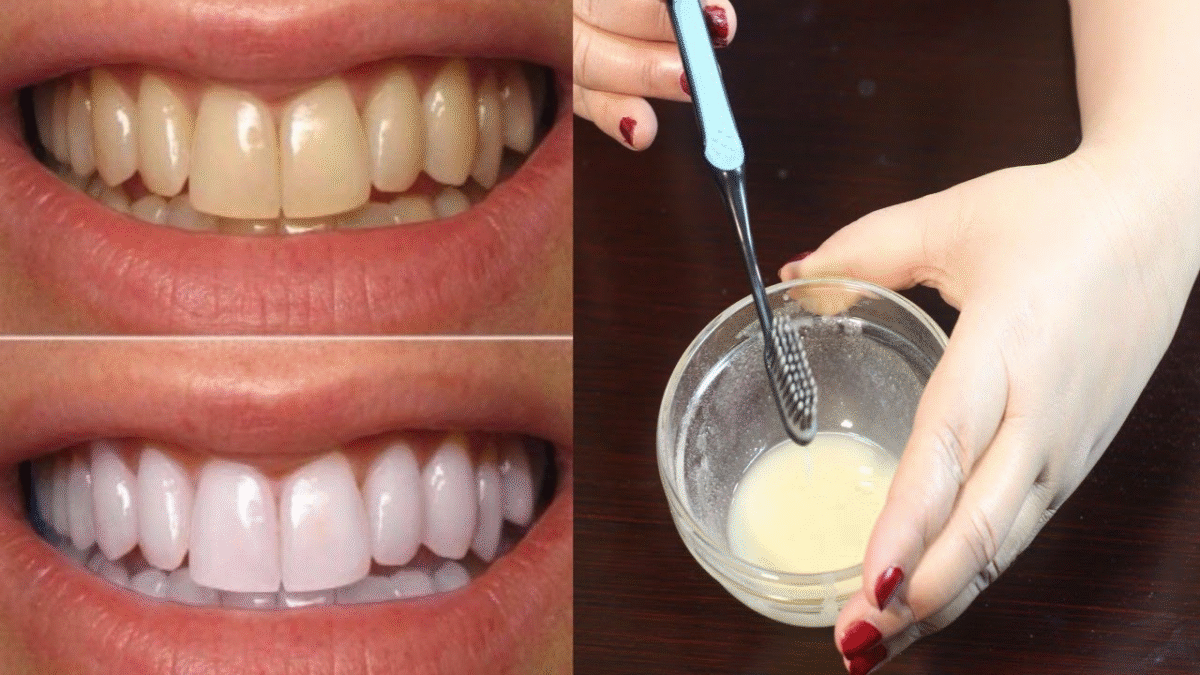
A bright, confident smile can make a world of difference. But daily habits, foods, drinks, and even aging can leave your teeth looking dull or stained. While professional teeth whitening treatments are available, many people prefer natural, at-home methods that are safe, affordable, and gentle on teeth. In this guide, we’ll explore practical ways to whiten teeth naturally and maintain a radiant smile.
Understanding Teeth Discoloration
Before we dive into whitening techniques, it’s important to understand why teeth become discolored:
- Food and Drinks – Coffee, tea, red wine, and certain berries can stain teeth over time.
- Tobacco – Smoking or chewing tobacco can cause yellowing.
- Poor Oral Hygiene – Inadequate brushing and flossing allow plaque and stains to accumulate.
- Aging – Over time, the enamel thins, revealing the naturally yellowish dentin underneath.
- Medications – Some antibiotics and medications may cause discoloration.
Knowing the cause of your teeth stains helps you choose the most effective natural whitening method.
Effective Natural Ways to Whiten Teeth
1. Baking Soda
Baking soda is a mild abrasive that can help remove surface stains and whiten teeth. Its natural whitening properties are well-documented, making it a popular home remedy.
How to use:
- Mix half a teaspoon of baking soda with a few drops of water to form a paste.
- Brush your teeth gently with this paste for 1–2 minutes.
- Use it 2–3 times a week for the best results.
Tip: Don’t use baking soda daily as it can be abrasive and may damage enamel over time.
2. Hydrogen Peroxide
Hydrogen peroxide is a natural bleaching agent and also has antibacterial properties, making it effective for whitening teeth and improving oral health.
How to use:
- Mix equal parts of hydrogen peroxide (3% solution) and water.
- Swish it around your mouth for 30–60 seconds.
- Spit it out and rinse thoroughly with water.
Alternative: You can mix hydrogen peroxide with baking soda to create a whitening paste.
Note: Avoid swallowing hydrogen peroxide. Use it sparingly, 2–3 times a week.
3. Oil Pulling
Oil pulling is an ancient Ayurvedic practice that uses oil to “pull” toxins and bacteria from the mouth. It can also help reduce yellowing and improve oral hygiene.
How to use:
- Take 1 tablespoon of coconut oil and swish it around your mouth for 15–20 minutes.
- Spit out the oil and rinse with warm water.
- Brush your teeth as usual.
Why it works: Coconut oil contains lauric acid, which helps fight bacteria and prevent plaque buildup.
4. Apple Cider Vinegar (ACV)
Apple cider vinegar is a natural cleanser and can help remove stains from teeth. However, it is acidic, so it should be used carefully.
How to use:
- Dilute ACV with water (1 part vinegar to 2 parts water).
- Swish the mixture in your mouth for 1–2 minutes.
- Rinse thoroughly and brush your teeth afterward.
Caution: Do not use ACV daily, as repeated exposure to acid can erode enamel.
5. Eating Crunchy Fruits and Vegetables
Certain fruits and vegetables help clean teeth naturally while you chew. They act as natural abrasives and stimulate saliva, which helps wash away food particles and bacteria.
Examples:
- Apples
- Carrots
- Celery
Bonus: Strawberries contain malic acid, which can help whiten teeth. You can mash a strawberry and apply it to your teeth for a few minutes once a week. Rinse afterward.
6. Avoid Staining Habits
Whitening efforts are more effective if you minimize habits that stain teeth:
- Limit coffee, tea, red wine, and dark-colored sodas.
- Avoid smoking or chewing tobacco.
- Rinse your mouth or brush your teeth shortly after consuming staining foods.
7. Maintain Good Oral Hygiene
A consistent oral hygiene routine is key to naturally white teeth:
- Brush at least twice a day with fluoride toothpaste.
- Floss daily to remove plaque between teeth.
- Use an antiseptic mouthwash to reduce bacteria.
Regular dental checkups are also important to remove tartar buildup, which can’t be removed at home.
8. Activated Charcoal
Activated charcoal is another popular natural remedy for whitening teeth. It works by binding to stains and toxins on the teeth.
How to use:
- Wet your toothbrush and dip it into powdered activated charcoal.
- Brush gently for 2 minutes.
- Rinse thoroughly and brush with regular toothpaste.
Tip: Use it sparingly, 1–2 times per week, to avoid enamel abrasion.
Tips for Long-Lasting White Teeth
- Drink Plenty of Water – Helps wash away staining compounds.
- Use a Straw – When drinking coffee, tea, or soda to minimize contact with teeth.
- Eat Dairy Products – Cheese, yogurt, and milk strengthen enamel.
- Chew Sugar-Free Gum – Stimulates saliva production to clean teeth.
- Stay Consistent – Natural whitening methods take time, usually several weeks.
5 FAQs About Natural Teeth Whitening
Q1: Can natural methods really make my teeth white?
Yes, natural methods like baking soda, oil pulling, and hydrogen peroxide can gradually remove stains and improve brightness. However, results take time compared to professional treatments.
Q2: Are natural whitening methods safe?
Most natural methods are safe if used properly. Avoid overuse of abrasive substances like baking soda and activated charcoal to prevent enamel damage.
Q3: How long does it take to see results?
Results vary depending on the method and severity of staining. Typically, you may notice improvement within 2–4 weeks of regular use.
Q4: Can children use natural whitening methods?
Children should avoid harsh abrasives and chemical whitening agents. Brushing with fluoride toothpaste and maintaining good oral hygiene is usually enough.
Q5: Should I still visit the dentist if I use natural methods?
Absolutely. Regular dental checkups are essential to remove plaque and tartar, and to ensure your teeth and gums are healthy.
Final Thoughts
Whitening your teeth naturally is possible with consistent care and the right techniques. While the results may take longer than professional treatments, natural methods are gentle, affordable, and safe. Combine these methods with good oral hygiene, a healthy diet, and avoidance of staining habits to achieve a naturally bright, confident smile.
Remember, patience is key—your smile will shine with time and consistent care.