
Tips and Tricks for Navigating Life With Chronic Knee Pain
January 23, 2026
How Mental Health Influences Physical Health
February 4, 2026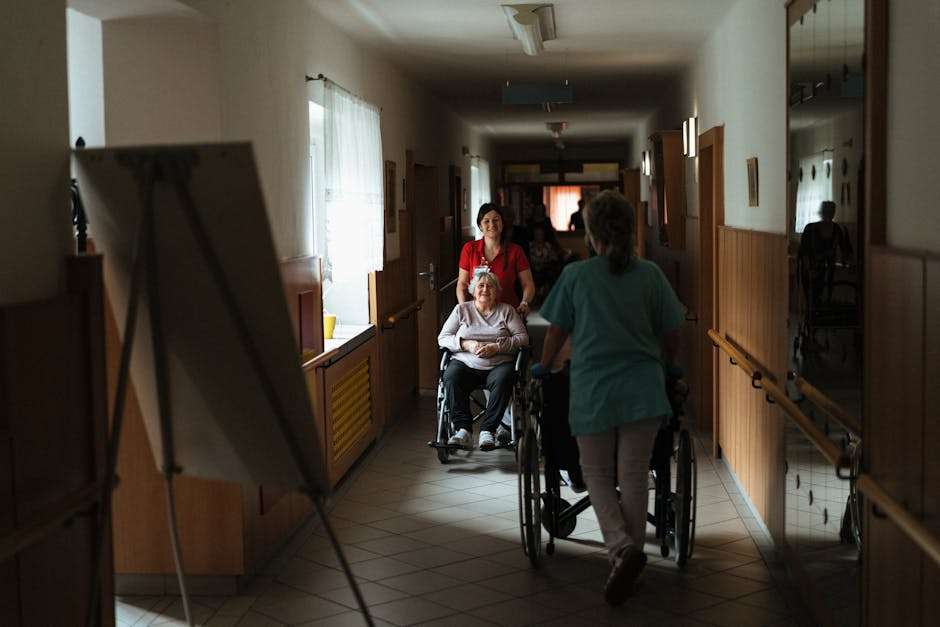
Nursing homes provide support for individuals recovering from illness, injury, or surgery, and they also care for those with chronic diseases and age-related conditions. Each resident receives a personalized care plan, whether they require physical therapy or assistance with daily tasks. The duration depends on the patient’s medical needs, recovery progress, and level of independence. Here are some ways in which long-term and short-term care plans may differ in a nursing home:
Purpose of the Care Plan
A short-term care plan helps residents regain strength, mobility, and independence, which are sometimes lost following a significant injury or medical procedure. Patients who are recovering from broken bones or joint replacement surgeries may require targeted therapies. Their care plans often involve physical, occupational, or speech therapy. These services aim to restore function and support a safe transition back to normal activities. Nursing homes provide access to each of these therapies, and the staff monitor progress and adjust treatments as needed. These steps make sure each resident receives individualized support throughout their stay.
Long-term care plans provide ongoing support and health monitoring. They work towards maintaining a good quality of life for residents who are unable to live independently due to chronic illness, disability, or aging. The nursing home staff provides assistance with daily tasks like bathing and dressing. These facilities also employ trained nutritionists, so residents can follow a balanced diet that meets their health needs. Long-term care also incorporates safety measures. Fall prevention, pressure sore prevention, and infection control can all be included in the plan.
Focus of the Care Services
Since a short-term care plan focuses on recovery, rehabilitation, and transitioning to home, the services involved should do the same. The recovery process sometimes requires pain management and respiratory care. These services make sure residents will be able to return home safely and comfortably. Rehabilitation may focus on improving muscle use and coordination, enabling residents to resume their normal routines after their recovery. During the transition to home, nursing home staff help create a safe discharge plan. They provide education for residents, and they can coordinate any required follow-up care.
Long-term care plans involve services that help manage chronic diseases and make daily living safer. Nursing staff may recommend mobility equipment, such as walkers, and room alert systems to protect residents prone to wandering. They also assist with medication management.
Nursing staff provide services for various chronic conditions, including:
- Diabetes
- Heart Disease
- Kidney Disease
- Alzheimer’s Disease
For those with diabetes, nursing staff can monitor blood sugar levels and make sure residents follow a proper diet. They also provide education for managing symptoms. Long-term care plans for heart disease include administering medications and promoting heart-healthy diets. If a resident has kidney disease, the nursing home can provide regular dialysis. Some facilities offer this service on-site. This reduces transportation needs, and it makes long-term care more convenient for residents with chronic kidney disease. Nursing facilities also provide support for Alzheimer’s disease, which may involve structured daily routines and fall prevention.
Outcomes of the Care Plan
Typical outcomes of a short-term care plan include medical stabilization, improved function, and discharge readiness. It may help residents work towards small, daily goals, such as walking 50 feet on their own or using the restroom by themselves. These plans usually have a clear endpoint. Long-term care outcomes may not be as time-limited or measurable. They often focus on maintaining health, preventing complications, and preserving quality of life. Success may be measured by the resident’s comfort and safety, and some long-term plans also involve hospice care.
Find Quality Nursing Home Care
Nursing homes offer both short- and long-term care plans, and each one is personalized to meet the resident’s medical needs and functional abilities. Short-term plans emphasize rehabilitation and returning home, while long-term plans focus on ongoing disease management, safety, and daily support. Regardless of the duration of care, nursing homes provide access to many qualified healthcare professionals. This includes physicians, nurses, therapists, and nutritionists. Contact a rehab and extended care center today to learn more about their nursing home services.