
The Influence of Sleep Disorders on Cognitive Function
January 16, 2026Tips and Tricks for Navigating Life With Chronic Knee Pain
January 23, 2026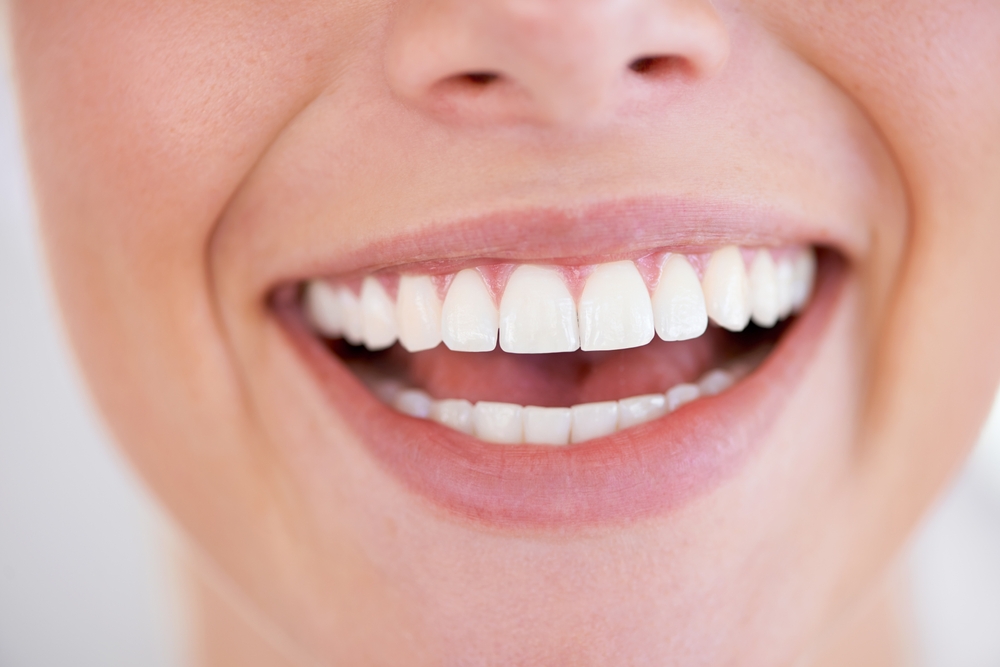
A smile makeover involves one or more cosmetic dentistry procedures to improve the appearance of the smile. Many people seek these treatments to address aesthetic concerns such as:
- Discoloration
- Misalignment
- Missing teeth
A dentist evaluates the patient’s oral health and aesthetic goals before recommending a customized plan. While general dentistry focuses on oral hygiene and disease prevention, cosmetic dentistry focuses on improving the appearance of teeth and gums.
Veneers for Surface Imperfections
Porcelain veneers are thin shells that cover the front surface of teeth to mask imperfections. They are custom-made in a dental laboratory to match the shape and color of the patient’s natural teeth, but they can also be selected in a brighter shade for a whiter appearance. As the procedure involves removing a small amount of enamel, this cosmetic dentistry process is generally irreversible. Patients often choose veneers to correct chipped, stained, or slightly misaligned teeth.
The application process typically requires two visits to the dentist over a few weeks. During the first visit, the dentist prepares the tooth and takes an impression. A temporary veneer protects the tooth while the permanent one is being fabricated. Once the permanent veneer is ready, the dentist bonds it to the tooth with special cement.
Professional Teeth Whitening
Teeth whitening is a common cosmetic dentistry procedure that lightens the natural color of teeth. Tooth enamel may get stained due to:
- Food
- Drinks
- Tobacco
- Age
Professional whitening treatments use higher concentrations of bleaching agents than over-the-counter products. In-office whitening procedures usually take about an hour. The dentist applies a protective gel to the gums, then applies the bleaching agent to the teeth. Some systems use a special light to activate the gel, significantly accelerating the whitening process. Patients may experience temporary sensitivity after treatment, but this usually subsides within a few days.
Dental Crowns for Restoration
A dental crown covers the entire visible portion of a tooth to restore its shape, size, and strength. Dentists use crowns when a tooth is severely decayed or damaged, or they may use them to cover a dental implant. While metal crowns exist, porcelain or ceramic options provide a natural look that blends seamlessly with surrounding teeth. This restoration protects the underlying tooth structure from further damage.
Dental Bridges in Cosmetic Dentistry
Dental bridges replace one or more missing teeth by spanning the gap where the teeth are missing. Bridges restore the ability to chew properly and maintain the shape of the face. The process for getting a bridge is similar to that of a crown. The dentist prepares the bridge by removing a portion of the enamel, and they take impressions for the lab. A temporary bridge protects the exposed teeth and gums while the custom bridge is being fabricated. Once the final bridge arrives, the dentist checks the fit and bonds it securely.
Invisalign for Discreet Alignment
Invisalign uses a series of clear, removable aligners to gradually straighten teeth. These aligners are made of smooth plastic that fits snugly over the teeth, and they are virtually invisible when worn. Unlike traditional metal braces, Invisalign allows patients to remove the aligners for eating, drinking, and cleaning their teeth. Commitment to wearing the aligners for 20 to 22 hours a day dictates the success of the treatment.
Looking Forward
Consulting with a qualified dental professional provides the necessary insight into which treatments align with their specific goals and oral health needs. A smile makeover combines science and artistry to enhance the appearance of the teeth. Proper maintenance and regular dental visits prolong the results of any cosmetic procedure.