

Home Remedies for Sore Throat: Natural Ways to Soothe Your Pain
November 14, 2025
How to Build Muscle Fast: A Complete Guide
November 14, 2025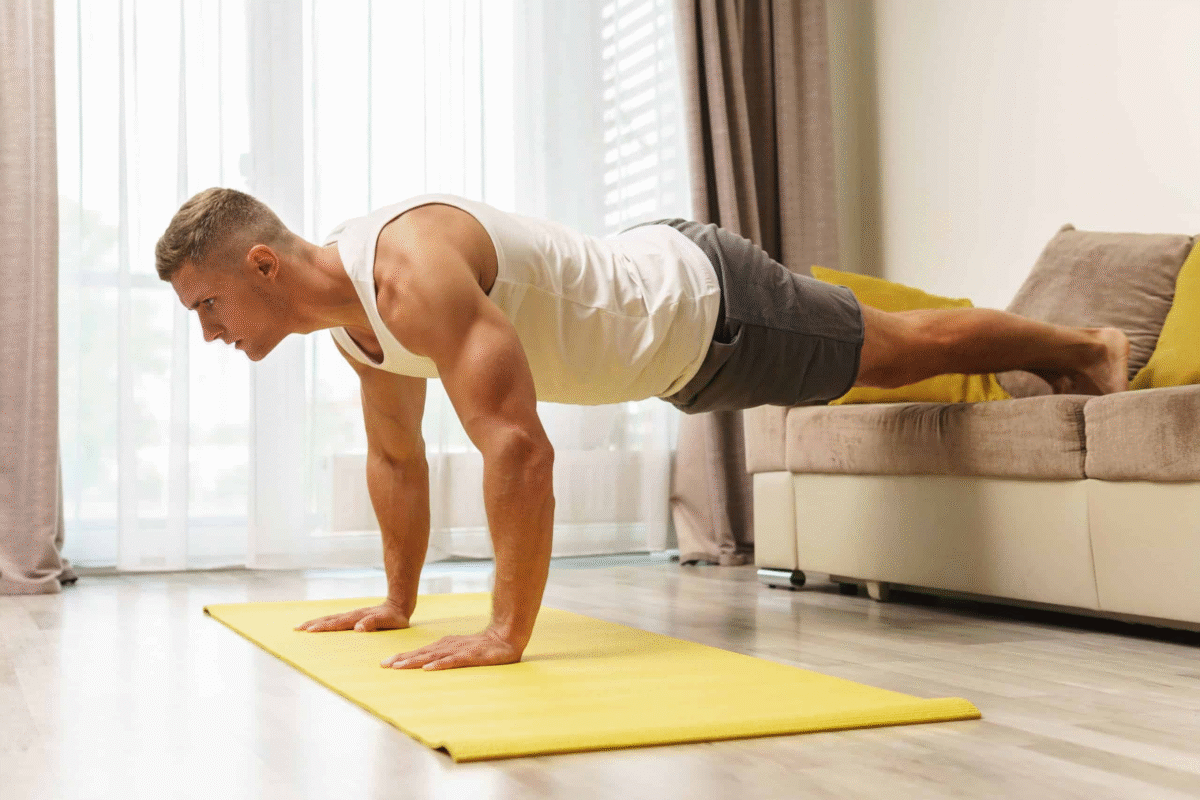
In today’s fast-paced world, many of us find it challenging to go to the gym regularly. Busy schedules, distance, or simply the comfort of home can make it hard to maintain a consistent fitness routine. Luckily, home workout routines offer a convenient, flexible, and effective way to stay fit, build strength, and improve overall health without stepping outside.
Whether you’re a beginner or someone experienced in fitness, working out at home can be as effective as going to a gym—if done correctly. This article will guide you through different types of home workouts, their benefits, and tips to create your own routine.
Why Choose Home Workout Routines?
There are many reasons why home workouts have become increasingly popular:
- Convenience: No travel time or gym membership is required. You can work out anytime that fits your schedule.
- Cost-effective: You don’t need expensive equipment or memberships. Many exercises require just your body weight.
- Privacy: If you feel self-conscious at a gym, home workouts let you exercise in private.
- Flexibility: You can easily adjust the duration and intensity according to your fitness level.
- Family-friendly: You can involve family members or children, making fitness a fun and collective activity.
Types of Home Workout Routines
Home workouts can be broadly divided into several categories. Choosing the right type depends on your goals—whether it’s weight loss, building strength, increasing flexibility, or overall wellness.
1. Bodyweight Exercises
Bodyweight exercises are the easiest way to start a home workout routine. They require no equipment and can be done anywhere. Some examples include:
- Push-ups: Strengthen your chest, arms, and shoulders.
- Squats: Great for legs and glutes.
- Lunges: Improve leg strength and balance.
- Planks: Build core stability and strength.
You can mix these into a 15-30 minute circuit, repeating each exercise 3 times with short rests in between.
2. Cardio Workouts
Cardio workouts at home increase heart rate, burn calories, and improve endurance. You don’t need a treadmill—just space to move. Examples include:
- Jumping jacks
- High knees
- Burpees
- Mountain climbers
A 20-minute HIIT session (High-Intensity Interval Training) combining these exercises can burn fat effectively and improve cardiovascular health.
3. Strength Training
For those looking to build muscle, you can use resistance bands, dumbbells, or even household items like water bottles or backpacks filled with books. Key exercises:
- Bicep curls
- Shoulder presses
- Deadlifts (using weights or heavy objects)
- Glute bridges
Strength training 2-3 times a week can significantly improve muscle tone and metabolism.
4. Yoga and Flexibility Workouts
Yoga and stretching exercises improve flexibility, reduce stress, and promote mental well-being. You can follow guided sessions online or try poses like:
- Downward dog
- Cobra stretch
- Child’s pose
- Sun salutations
Even 15-20 minutes of daily stretching can improve posture, prevent injuries, and help your muscles recover.
5. Dance and Fun Workouts
If you find traditional workouts boring, dancing at home can be a fun alternative. Play your favorite music and move! Dance-based routines are great for cardio, mood improvement, and coordination.
How to Create Your Home Workout Routine
Creating a successful home workout plan is all about consistency, variety, and progression. Here’s how to design your own:
- Set Your Goals: Decide if you want to lose weight, build strength, improve endurance, or just stay active.
- Choose Exercises: Pick exercises that target your goals. Combine cardio, strength, and flexibility for a balanced routine.
- Set a Schedule: Consistency is key. Start with 3-4 days per week and gradually increase.
- Warm-Up and Cool Down: Always warm up for 5-10 minutes to prevent injuries and cool down afterward to help recovery.
- Progress Gradually: Increase repetitions, duration, or intensity over time. Avoid pushing too hard initially to prevent burnout or injuries.
- Track Your Progress: Keep a journal or use fitness apps to monitor your improvement.
Tips for Staying Motivated at Home
Staying motivated can be challenging without the gym environment. Here are a few tips:
- Create a dedicated workout space: Even a small corner with a mat can improve focus.
- Follow online classes or videos: It adds guidance and variety.
- Set mini-goals: Celebrate small milestones to stay motivated.
- Workout with a partner: A friend or family member can make exercising fun.
- Mix it up: Alternate between cardio, strength, and yoga to prevent boredom.
Benefits of Home Workout Routines
- Improved Physical Health: Enhances muscle strength, flexibility, and cardiovascular fitness.
- Weight Management: Regular exercise helps burn calories and maintain a healthy weight.
- Mental Health: Releases endorphins, reduces stress, and improves mood.
- Better Sleep: Regular activity can help regulate sleep patterns.
- Cost Savings: No gym fees, commuting costs, or fancy equipment required.
Common Mistakes to Avoid
- Skipping Warm-Up: Jumping straight into workouts can lead to injuries.
- Overtraining: Too much too soon can cause fatigue or injuries.
- Poor Form: Incorrect form reduces effectiveness and increases injury risk.
- Ignoring Recovery: Muscles need rest to grow and strengthen.
- Lack of Consistency: Sporadic workouts don’t yield results.
Sample Home Workout Routine for Beginners
Duration: 30 minutes
Frequency: 3-4 times per week
- Warm-Up (5 min): Jumping jacks, arm circles, and gentle stretching.
- Circuit (20 min) – Repeat 2-3 times:
- 10 push-ups
- 15 squats
- 10 lunges per leg
- 30-second plank
- 20 high knees
- Cool Down (5 min): Stretch legs, arms, and back.
Gradually increase reps or add weights as you progress.
Frequently Asked Questions (FAQs)
1. Do I need equipment for a home workout routine?
Not necessarily. Many effective exercises use just your body weight. However, resistance bands or dumbbells can add variety and intensity.
2. How long should a home workout last?
It depends on your goals. Beginners can start with 20-30 minutes, while more advanced individuals may go up to an hour. Consistency matters more than duration.
3. Can home workouts help me lose weight?
Yes. Combining cardio, strength training, and a healthy diet can help you burn calories, reduce fat, and manage weight effectively.
4. How often should I work out at home?
3-5 times a week is ideal. Include at least one day for rest or light activity to allow your muscles to recover.
5. How can I stay motivated without a gym?
Set clear goals, follow online classes, track your progress, and vary your routine. Creating a dedicated workout space also helps.
Conclusion
Home workout routines provide an accessible, flexible, and effective way to improve your fitness, health, and overall well-being. Whether you want to lose weight, gain strength, or simply stay active, there are exercises suitable for every fitness level. By creating a consistent routine, tracking progress, and staying motivated, you can achieve remarkable results—all from the comfort of your home.
Start today, and make fitness a part of your daily life. Your body and mind will thank you for it!