
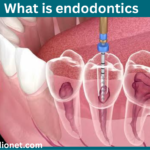
What Is Endodontics? A Complete Guide to Endodontic Treatment, Root Canals, and Tooth Pain
August 30, 2026
What Is the Difference Between DDS and DMD Degree? Complete Guide for Dental Students
September 1, 2026
If you have ever looked at a dentist’s name and seen “DDS” after it, you may have wondered what those letters mean. The question “what is a DDS” is common because dental professionals may use different titles after their names, including DDS and DMD.
DDS stands for Doctor of Dental Surgery. It is a professional dental degree earned after completing dental school and meeting the requirements for becoming a licensed dentist in the United States.
A DDS dentist can diagnose and treat many problems involving the teeth, gums, mouth, and related oral structures. Depending on the dentist’s training, license, and practice setting, a DDS may provide preventive care, fillings, crowns, root canals, tooth extractions, dentures, cosmetic procedures, and other dental services.
One important point is often misunderstood: a DDS and a DMD are considered equivalent dental degrees in the United States. The difference is mainly the name used by the dental school that awards the degree. The American Dental Association explains that dentists with DDS and DMD degrees receive the same type of professional dental education and are licensed to practice the same scope of general dentistry when they meet state requirements.
Understanding what is a DDS can therefore help patients, students, parents, and anyone considering a career in dentistry make sense of dental credentials.
What Is a DDS?
DDS means Doctor of Dental Surgery.
It is a professional doctoral degree for dentists. A person who earns a DDS has completed an accredited dental education program and then must satisfy the licensing requirements of the state where they want to practice.
The word “surgery” in Doctor of Dental Surgery can sometimes make the degree sound as if every DDS dentist is a dental surgeon. That is not the case.
A general dentist with a DDS degree is trained to provide a broad range of oral health services. Some procedures may involve minor surgical techniques, such as tooth extractions, but a general DDS dentist is not automatically an oral and maxillofacial surgeon.
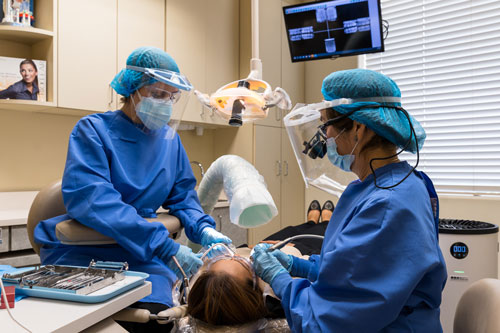
A DDS is best understood as a professional degree that prepares a person to become a dentist.
Also read:Are Dentists Doctors? Understanding Dental Degrees, Medical Training, and What Dentists Do
In simple terms:
DDS = Doctor of Dental Surgery = professional dental degree
After earning the degree, the person still needs to meet applicable state licensing requirements before practicing dentistry independently.
What Does DDS Stand For?
DDS stands for Doctor of Dental Surgery.
The abbreviation is written as D.D.S. in some formal settings, although DDS without periods is also widely used.
The three letters mean:
D = Doctor
D = Dental
S = Surgery
The title does not mean that the dentist only performs surgery. Instead, it is the historical name of the dental degree.
Dentists with a DDS degree can work in many areas of general dentistry. Their daily work may include examining patients, diagnosing dental conditions, preventing oral disease, restoring damaged teeth, managing dental pain, and helping patients maintain healthy teeth and gums.
DDS Meaning in Simple Words
The easiest way to understand DDS meaning is to think of it as a dentist’s professional degree.
If you see a name such as:
John Smith, DDS
the DDS indicates that John Smith earned a Doctor of Dental Surgery degree.
It does not by itself tell you whether the dentist is a general dentist or has completed specialty training.
For example, a dentist with a DDS may later complete additional education in orthodontics, endodontics, periodontics, pediatric dentistry, prosthodontics, or another dental specialty.
The degree is the starting professional qualification. Additional training determines whether the dentist becomes a specialist.
Is a DDS a Doctor?
Yes. A DDS is a doctoral-level professional degree in dentistry.
A person who has earned a DDS and obtained the required state license can practice as a dentist within the scope allowed by that license.
However, a DDS dentist is a dental doctor rather than a medical doctor. Dentistry is a separate healthcare profession focused primarily on oral health and the structures connected to the mouth.
Dentists also receive medical and biological science education because oral health is connected with overall health.
Dental professionals may identify signs in the mouth that require further evaluation. They may also coordinate care with physicians or other healthcare professionals when a patient’s needs go beyond dentistry.
What Does a DDS Dentist Do?
A DDS dentist can perform many different types of dental care.
The exact services offered depend on the dentist’s education, experience, license, practice setting, and whether the dentist has completed additional specialty training.
Common responsibilities include:
- Examining teeth and gums
- Checking for cavities
- Looking for gum disease
- Taking and interpreting dental X-rays
- Diagnosing oral health problems
- Cleaning and maintaining teeth
- Treating cavities
- Placing dental fillings
- Repairing damaged teeth
- Placing crowns
- Performing some root canal treatments
- Extracting certain teeth
- Providing dentures
- Treating minor dental emergencies
- Providing preventive dental care
- Discussing oral hygiene
- Monitoring changes in oral health
- Referring patients to specialists when needed
A major part of dentistry is prevention.
A dentist does not only treat a problem after it becomes painful. Regular dental visits can help identify problems earlier, when treatment may be simpler.
What Is a DDS Degree?
A DDS degree is the professional degree awarded by dental schools that choose the Doctor of Dental Surgery title.
The DDS degree prepares students for professional dental practice.
Dental school combines classroom education, laboratory training, simulation, and supervised clinical experience. Students learn both the science behind oral health and the practical skills needed to care for patients.
The education is demanding because dentists must understand much more than how to work on teeth.
Dental students study subjects related to anatomy, physiology, microbiology, pathology, pharmacology, dental materials, oral diagnosis, radiology, and clinical dentistry.
They also develop communication and patient-care skills.
This combination matters because dentists work directly with patients and must make careful decisions about diagnosis and treatment.
How Long Does It Take to Earn a DDS?
A traditional U.S. dental program generally takes four years after the required undergraduate preparation.
The American Dental Association states that students generally complete about three to four years of undergraduate education followed by four years of dental school, although educational pathways can vary.
This means becoming a dentist usually requires a significant amount of education before independent practice.
A simplified pathway looks like this:
High school → undergraduate education → dental school → DDS or DMD → licensing requirements → dentist
Students who later become dental specialists usually complete additional postgraduate education.
For example, an orthodontist, periodontist, endodontist, or oral and maxillofacial surgeon generally receives additional specialized training after dental school.
What Do You Study in DDS School?
Dental school covers a wide range of subjects.
During the early part of dental education, students typically focus heavily on biomedical and dental sciences. Later, clinical training becomes increasingly important.
Common areas of study include:
Anatomy
Students learn the structure of the human body, with special attention to the head, neck, jaw, face, and oral structures.
Physiology
This helps students understand how body systems function.
Microbiology
Students learn about microorganisms and how infections can affect oral health.
Pathology
Dental students learn how diseases develop and how abnormal conditions can appear in the mouth.
Pharmacology
Students learn about medications, their effects, possible interactions, and considerations relevant to dental treatment.
Dental Materials
Dentists work with many materials, including restorative materials, impression materials, bonding systems, ceramics, and other products.
Radiology
Students learn how dental imaging can help identify problems that cannot be seen during a normal visual examination.
Operative Dentistry
This area focuses on restoring teeth affected by decay or damage.
Periodontology
Students learn about the gums and supporting structures around teeth.
Endodontics
This involves the dental pulp and tissues inside teeth and includes root canal treatment.
Prosthodontics
Students learn about restoring and replacing missing or damaged teeth using options such as crowns, bridges, and dentures.
Oral Surgery
Students receive training in procedures such as certain tooth extractions and other surgical care within the scope of general dentistry.
Pediatric Dentistry
Students learn how dental care differs for children and developing patients.
The goal is not simply to teach students individual procedures. Dental education is designed to help future dentists assess patients, make diagnoses, develop treatment plans, perform procedures safely, and understand when a patient should be referred to another professional.
DDS vs DMD: What Is the Difference?
One of the most common questions related to what is a DDS is whether DDS is better than DMD.
For general dental practice in the United States, DDS and DMD are considered equivalent degrees.
DDS means Doctor of Dental Surgery.
DMD means Doctor of Dental Medicine or Doctor of Medicine in Dentistry, depending on the institution.
The name is different, but the professional purpose is essentially the same.
The American Dental Association states that universities decide whether to award a DDS or DMD, while both degrees follow the educational requirements established through the dental accreditation system. State licensing boards accept the degrees as equivalent for general dental practice.
This means a patient should not assume that a DMD dentist is more qualified than a DDS dentist, or that a DDS dentist is more qualified than a DMD dentist simply because of the letters after the name.
The more important questions are whether the dentist is properly licensed, where they received their education, what services they provide, their experience, and whether additional specialty training is relevant to the patient’s needs.
DDS vs DMD Comparison
| Feature | DDS | DMD |
| Full name | Doctor of Dental Surgery | Doctor of Dental Medicine or Doctor of Medicine in Dentistry |
| Professional dental degree | Yes | Yes |
| Prepares students for dental practice | Yes | Yes |
| Recognized for dental licensure | Yes, when other requirements are met | Yes, when other requirements are met |
| General dentistry scope | Equivalent | Equivalent |
| Main difference | Degree title | Degree title |
| Can lead to specialty training | Yes | Yes |
The important takeaway is simple: DDS and DMD are different names for equivalent professional dental degrees in the United States.
Why Do Some Dental Schools Use DDS and Others Use DMD?
The difference comes largely from the history and naming traditions of dental schools.
Harvard University began awarding the DMD degree in the 19th century. The American Dental Association’s dental history resources note that Harvard University Dental School was founded in 1867 and used the Dentariae Medicinae Doctorae title, which contributed to the continuing DDS-versus-DMD naming difference.
Over time, different dental schools continued using different degree names.
There is no general rule saying that every dental school must use DDS or every school must use DMD.
The university determines the degree title it awards.
This explains why two dentists with similar education and professional responsibilities may have different letters after their names.
Is a DDS the Same as a Dentist?
Not exactly.
DDS is the name of the professional degree.
Dentist is the profession.
A person earns a DDS or DMD degree and then must meet the applicable licensing requirements before practicing independently as a dentist.
So the relationship can be understood this way:
DDS = degree
Dentist = licensed professional
This distinction is important because earning a degree alone does not replace state licensing.
What Is a Licensed DDS Dentist?
A licensed DDS dentist is a person who has earned a qualifying dental degree and satisfied the requirements of the state where they practice.
Dental licensing rules vary by state.
The American Dental Association explains that U.S. dental licensure generally involves educational requirements, a written assessment, and a clinical assessment, although exact requirements can vary among jurisdictions. The Integrated National Board Dental Examination, or INBDE, replaced the former NBDE Part I and Part II examinations and was launched in 2020.
This is one reason patients should not judge a dentist only by the letters DDS or DMD.
Licensure is an important part of determining whether a dentist can legally practice.
What Is CODA and Why Does It Matter for a DDS?
CODA stands for the Commission on Dental Accreditation.
CODA is the national programmatic accrediting agency for dental and dental-related education programs at the postsecondary level in the United States.
Its role is important because dental education must meet established standards.
CODA evaluates dental education programs through a formal accreditation process. Its work includes reviewing resources, curriculum, policies, clinical education, and other aspects of educational quality.
Also read:What Does DDS Stand For? Meaning, Uses, and Common Definitions Explained
For someone researching dental school, accreditation is an important consideration.
For patients, it can also help explain why professional dental education is structured around established educational standards.
As of 2026, CODA continues to update dental education standards. Its current information includes revised standards adopted at the Summer 2026 meeting with a July 1, 2028 implementation date.
This is a useful reminder that dental education is not static. Programs and standards can change as healthcare, technology, science, and professional expectations evolve.
Can a DDS Dentist Perform Surgery?
A DDS dentist can perform certain surgical procedures that fall within the dentist’s education, training, experience, and legal scope of practice.
For example, some general dentists perform routine tooth extractions.
However, not every dental surgery should be performed by a general dentist.
More complex procedures may require an oral and maxillofacial surgeon.
Oral and maxillofacial surgery is a dental specialty involving surgical treatment of diseases, injuries, defects, and other conditions involving the mouth, jaw, face, and related structures.
This distinction is important because the phrase “Doctor of Dental Surgery” can create confusion.
The word “surgery” in the degree title does not mean every DDS dentist is a surgical specialist.
What Is the Difference Between a DDS Dentist and a Dental Specialist?
A general DDS dentist is trained to provide a broad range of dental care.
A dental specialist completes additional education after dental school in a specific field.
Examples include:
- Orthodontists
- Periodontists
- Endodontists
- Prosthodontists
- Pediatric dentists
- Oral and maxillofacial surgeons
- Oral and maxillofacial radiologists
- Oral medicine specialists
- Dental anesthesiologists
The additional training can be important when a patient has a complex or specialized condition.
For example, a general dentist may diagnose a difficult root canal problem and refer the patient to an endodontist.
Similarly, a dentist may refer a patient with complex jaw surgery needs to an oral and maxillofacial surgeon.
Referral does not mean that the general dentist is unqualified. In many cases, referral is a sign of good professional judgment.
Can a DDS Dentist Do Root Canals?
Yes, many general DDS dentists perform root canal treatment.
Root canal treatment is an endodontic procedure designed to treat problems involving the inside of a tooth.
A general dentist may perform a straightforward root canal, while a more complicated case may be referred to an endodontist.
The decision depends on factors such as the anatomy of the tooth, the complexity of the infection, previous treatment, available equipment, and the dentist’s experience.
Can a DDS Dentist Remove Teeth?
Yes.
Many general dentists perform routine tooth extractions.
However, difficult extractions may require referral to an oral and maxillofacial surgeon.
Examples of situations that can be more complicated include deeply impacted teeth, unusual root shapes, significant surgical risks, or cases involving complex anatomy.
The important point is that the DDS degree gives a dentist broad professional training, but individual dentists may have different levels of experience with specific procedures.
Can a DDS Dentist Provide Cosmetic Dentistry?
Yes.
Many general dentists provide cosmetic dental services.
Depending on training and practice focus, these may include:
- Teeth whitening
- Dental bonding
- Tooth-colored fillings
- Veneers
- Crowns
- Smile-related restorative treatment
Cosmetic dentistry often overlaps with restorative dentistry.
For example, a crown may improve the appearance of a tooth while also protecting and restoring its function.
Patients should focus on the dentist’s actual training and experience rather than assuming every DDS provides every cosmetic procedure.
What Is the Difference Between DDS and MD?
DDS and MD are different professional degrees.
DDS stands for Doctor of Dental Surgery and focuses on dentistry and oral health.
MD stands for Doctor of Medicine and focuses on medicine.
Both professionals are healthcare providers, but their education and professional scopes are different.
A dentist specializes in oral health, while a physician generally treats medical conditions affecting the broader body.
There can be important overlap.
For example, certain medical conditions can affect oral health, and oral conditions can be relevant to overall health.
This is why dentists and physicians may sometimes work together.
Is a DDS Degree a Doctoral Degree?
Yes.
DDS is a professional doctoral degree.
It is designed to prepare students for professional practice in dentistry rather than primarily for academic research.
This is similar in concept to other professional healthcare degrees that prepare graduates for direct patient care.
The title “doctor” in dentistry therefore reflects the professional level of the degree.
What Are the Requirements to Become a DDS Dentist?
The exact path can vary, but becoming a dentist in the United States generally involves several major stages.
Complete Undergraduate Education
Dental schools typically require applicants to complete prerequisite college coursework.
Students commonly study subjects such as biology, chemistry, physics, and other sciences.
The exact prerequisites depend on the dental school.
Take the Dental Admission Test
Many dental school applicants take the Dental Admission Test, commonly known as the DAT.
Dental schools consider multiple parts of an applicant’s profile, including academic performance and other application factors.
Attend Dental School
The traditional DDS or DMD program generally takes four years.
Students complete classroom, laboratory, simulation, and clinical training.
Earn the DDS or DMD
After successfully completing the dental program, graduates receive the degree awarded by their school.
This may be DDS or DMD.
Complete State Licensing Requirements
Graduates must meet the licensing requirements of the state in which they intend to practice.
These requirements can include examinations and other documentation.
Maintain Professional Requirements
Dentists may also need to complete continuing education and comply with state rules to maintain their license.
The details differ by state.

Is DDS a Good Career?
For someone interested in healthcare, science, patient care, and hands-on work, dentistry can be a strong career choice.
However, it is not the right career for everyone.
Dentistry requires years of education and professional training.
Dentists also have significant responsibility. A dentist must make careful clinical decisions, communicate clearly with patients, manage procedures safely, and keep learning as dental science changes.
The profession can also offer different career paths.
A dentist may work in:
- A private dental office
- A group practice
- A community health center
- A hospital
- A public health organization
- An academic institution
- A research setting
- The military
- A corporate dental organization
Some dentists also own their practices.
Others prefer employment because they do not want the additional responsibilities associated with running a business.
How Much Does a DDS Dentist Earn?
DDS dentist income can vary widely in the United States.
There is no single salary that applies to every DDS dentist.
Income can be influenced by:
- Geographic location
- Years of experience
- Practice ownership
- Employment model
- Specialty training
- Number of patients treated
- Types of services provided
- Work schedule
- Practice expenses
- Local demand
A general dentist who owns a practice may have a very different financial situation from a dentist who works as an employee.
For this reason, people researching “DDS salary” should avoid relying on one number as if it applies to every dentist.
Salary data should also be checked for the year, location, employment type, and whether the source reports wages, income, or business earnings.
Is DDS Hard to Earn?
Yes, becoming a DDS generally requires serious academic and practical effort.
Dental students must learn large amounts of scientific information while also developing precise clinical skills.
The work is not limited to memorizing facts.
Students must learn how to apply knowledge to real patients.
They must understand anatomy, disease processes, diagnosis, treatment planning, dental materials, medications, infection control, communication, and clinical procedures.
The combination of academic learning and hands-on training is one reason dental education is demanding.
What Skills Does a Good DDS Dentist Need?
Technical knowledge is important, but good dentistry requires more than technical ability.
Important skills include:
Communication
Dentists need to explain problems and treatment options in language patients can understand.
Attention to Detail
Small differences can matter when examining teeth, gums, X-rays, and restorations.
Hand Skills
Dentistry involves precise movements in a very small working area.
Problem Solving
Patients do not always present with simple problems. Dentists often need to combine information from the examination, medical history, imaging, and symptoms.
Patience
Some procedures require careful and controlled work.
Empathy
Dental treatment can be stressful for some patients. A calm and respectful approach can improve the patient experience.
Lifelong Learning
Dental materials, technology, treatment approaches, and professional standards continue to change.
DDS and Dental Technology
Modern DDS practice is very different from dentistry in previous generations.
Technology now plays an important role in many dental offices.
Also read:Dental Fillings Near Me: A Complete Guide to Costs, Types, Procedure, and Choosing a Dentist
Depending on the practice, dentists may use:
- Digital X-rays
- Intraoral cameras
- Digital impressions
- CAD/CAM technology
- 3D imaging
- Digital treatment planning
- Electronic health records
- Computer-assisted procedures
Technology can make diagnosis and treatment planning more efficient, but technology does not replace professional judgment.
A digital scan still needs to be interpreted by a trained professional.
This is an important distinction when thinking about modern dentistry: better tools can support a dentist, but they do not eliminate the need for clinical knowledge and experience.
What Should You Look for When Choosing a DDS Dentist?
If you are choosing a dentist, the degree is only one part of the decision.
A useful checklist includes:
Check the License
Make sure the dentist is licensed to practice in your state.
Consider Experience
Ask about experience with the treatment you need.
Look at the Practice
Consider cleanliness, communication, technology, accessibility, and how the staff treats patients.
Ask About Treatment Options
A good dentist should be willing to explain what is wrong and discuss reasonable treatment choices.
Understand Costs
Before major treatment, ask about estimated costs and what your dental insurance may cover.
Consider Referrals
If your case is complex, ask whether a specialist should be involved.
Pay Attention to Communication
You should feel comfortable asking questions.
Good communication can make dental care easier and less stressful.
Does Having DDS After a Name Mean the Dentist Is a Specialist?
No.
DDS generally indicates the professional dental degree.
It does not automatically mean the person is an orthodontist, endodontist, periodontist, prosthodontist, or oral and maxillofacial surgeon.
Specialists complete additional education after dental school.
Therefore, if you need specialized treatment, look for the appropriate specialty credentials and training rather than relying only on the DDS abbreviation.
Can International Dentists Earn a DDS in the United States?
Yes, international dentists may have pathways to obtain a U.S. dental degree and become licensed, but the process can be different from the traditional pathway for students entering dental school after undergraduate education in the United States.
Some dental schools offer advanced standing programs for internationally trained dentists.
These programs can allow eligible international dental graduates to enter a U.S. DDS or DMD program with advanced standing rather than starting from the first year.
The American Dental Association notes that advanced standing programs are designed for internationally trained dentists seeking a pathway toward U.S. dental licensure and are typically shorter than traditional four-year dental programs.
Requirements vary by school and state, so international dentists should carefully review current admission and licensing rules.
Can a DDS Work in Any State?
Not automatically.
A dentist must meet the licensing requirements of the state or jurisdiction where they practice.
Dental licenses are issued under state authority, and requirements can differ.
A dentist who is licensed in one state may need to satisfy additional requirements before practicing in another.
This is why the question “what is a DDS” should be separated from the question “is a DDS licensed to practice?”
The degree identifies the professional education.
The state license provides legal authorization to practice.
DDS Degree vs Dental License
These two concepts are easy to confuse.
A DDS degree means the person completed a professional dental education program and earned the degree.
A dental license means the person has met the legal requirements established by the relevant state or jurisdiction to practice dentistry.
Think of it this way:
DDS = education
License = legal authorization to practice
Both are important.
Why the DDS Title Matters to Patients
For patients, the DDS title can provide useful information about a dentist’s professional education, but it should not be the only factor considered.
A patient’s needs are usually more specific than a degree abbreviation.
Someone looking for routine preventive care may need a general dentist.
Someone with complex tooth pain may need a general dentist or an endodontist.
Someone needing braces may see an orthodontist.
Someone with advanced gum disease may need a periodontist.
Someone needing complex jaw surgery may need an oral and maxillofacial surgeon.
Understanding these differences helps patients make better healthcare decisions.
Common Misunderstandings About DDS
Several myths continue to appear when people search for DDS information.
Myth 1: DDS Means the Dentist Only Performs Surgery
False.
DDS is the name of a professional dental degree. General DDS dentists provide many types of preventive, restorative, diagnostic, and routine dental care.
Myth 2: DMD Is Better Than DDS
False.
DDS and DMD are equivalent professional dental degrees for general dental practice in the United States when licensing requirements are met.
Myth 3: Every DDS Is a Specialist
False.
A DDS degree does not automatically mean the dentist completed specialty training.
Myth 4: DDS and MD Are the Same Degree
False.
DDS is a dental degree, while MD is a medical degree.
Myth 5: A DDS Degree Automatically Gives Someone Permission to Practice Everywhere
False.
Dental practice is regulated by state licensing authorities, and requirements can vary by jurisdiction.
What Is a DDS in a Dental Office?
When you see DDS on a dental office website, business card, or professional profile, it usually indicates that the dentist earned a Doctor of Dental Surgery degree.
For example:
Dr. Jane Smith, DDS
This generally means Jane Smith earned a Doctor of Dental Surgery degree.
It does not automatically tell you:
- How many years she has practiced
- Whether she owns the practice
- Whether she is a specialist
- What procedures she performs
- What insurance she accepts
- Where she is licensed
Those are separate questions.
What Is a DDS vs a Dental Hygienist?
A DDS dentist and dental hygienist have different education and responsibilities.
A dentist is trained to diagnose dental conditions, create treatment plans, and perform a broad range of dental procedures.
A dental hygienist focuses heavily on preventive oral care, including professional cleanings and patient education.
Dental hygienists do not replace dentists.
They are important members of the dental care team and often work alongside dentists to support patients’ oral health.
What Is a DDS vs a Dental Assistant?
A dental assistant also has a different role.
Dental assistants support dentists and dental teams with tasks that can include preparing treatment areas, assisting during procedures, managing instruments, taking certain images when permitted, communicating with patients, and other duties depending on state law and training.
A dental assistant does not have the same professional education or scope of practice as a dentist.
Why Patients Should Not Choose a Dentist Based Only on DDS or DMD
The DDS-versus-DMD question is useful, but it should not become the main factor when choosing dental care.
Because the degrees are equivalent, the letters alone do not tell you which dentist is the best choice.
A more useful approach is to consider:
- Licensing
- Education
- Experience
- Specialty training
- Treatment needs
- Communication
- Patient reviews
- Office policies
- Insurance participation
- Treatment costs
- Emergency availability
For complicated treatment, the dentist’s experience with that particular procedure can be more meaningful than whether the name says DDS or DMD.
The Future of DDS Dentistry
Dentistry continues to change.
Artificial intelligence, digital imaging, 3D printing, computer-assisted design, improved materials, minimally invasive treatment, and new approaches to prevention may continue to influence dental care.
However, the fundamental role of the dentist remains important.
A DDS dentist must understand the patient, evaluate the evidence, identify oral health problems, explain treatment options, and make decisions based on the individual situation.
Technology can improve the process, but professional judgment remains central.
Another important trend is the growing understanding that oral health is connected with broader health.
This encourages dental professionals to consider a patient’s medical history, medications, lifestyle, risk factors, and overall health when planning care.
What Is a DDS? The Simple Answer
If you want the shortest answer to “what is a DDS,” it is this:
DDS stands for Doctor of Dental Surgery. It is a professional dental degree awarded by dental schools in the United States. A person who earns a DDS can become a licensed dentist after meeting the licensing requirements of the state where they want to practice.
A DDS dentist can provide many types of general dental care.
DDS and DMD are considered equivalent professional dental degrees in the United States. The primary difference is the name used by the dental school.
The important thing for patients is not whether a dentist has DDS or DMD after their name. Instead, consider whether the dentist is properly licensed, appropriately trained, experienced with the treatment you need, and able to provide safe and suitable care.
Final Thoughts
Understanding what is a DDS is easier when you separate the degree from the dentist’s license and specialty training. DDS means Doctor of Dental Surgery and represents a professional dental degree. It prepares graduates to provide dental care after they complete the required education and licensing process. In the United States, DDS and DMD are equivalent degrees for general dental practice. The title alone does not determine how experienced a dentist is or whether the dentist is a specialist. For patients, the most useful approach is to look beyond the letters after a dentist’s name and consider education, licensing, experience, treatment needs, communication, and the quality of care provided.
Frequently Asked Questions About What Is a DDS
What does DDS mean after a dentist’s name?
DDS means Doctor of Dental Surgery. It indicates that the dentist earned a professional dental degree from a dental school that awards the DDS degree.
Is a DDS dentist a real doctor?
Yes. DDS is a professional doctoral degree in dentistry. A licensed DDS dentist is a healthcare professional who provides dental care within the scope allowed by the applicable state license.
Is DDS better than DMD?
No. DDS and DMD are considered equivalent professional dental degrees in the United States. The difference is primarily the name of the degree awarded by the dental school.
Can a DDS dentist diagnose oral cancer?
Dentists are trained to examine the mouth and identify abnormal findings that may require additional evaluation. If a suspicious area is found, the dentist may recommend further testing or referral to an appropriate medical or dental specialist.
Can someone with a DDS degree become a dental professor?
Yes. A dentist with a DDS can pursue an academic career. Additional education, research experience, clinical specialization, or other qualifications may be required depending on the teaching or research position.