

What Is a DMD? Meaning, Degree, Education, Licensing, and Dental Career Guide
September 1, 2026
What Is an Odontologist? A Complete Guide to Forensic Dentistry, Training, Jobs, and What They Do
September 2, 2026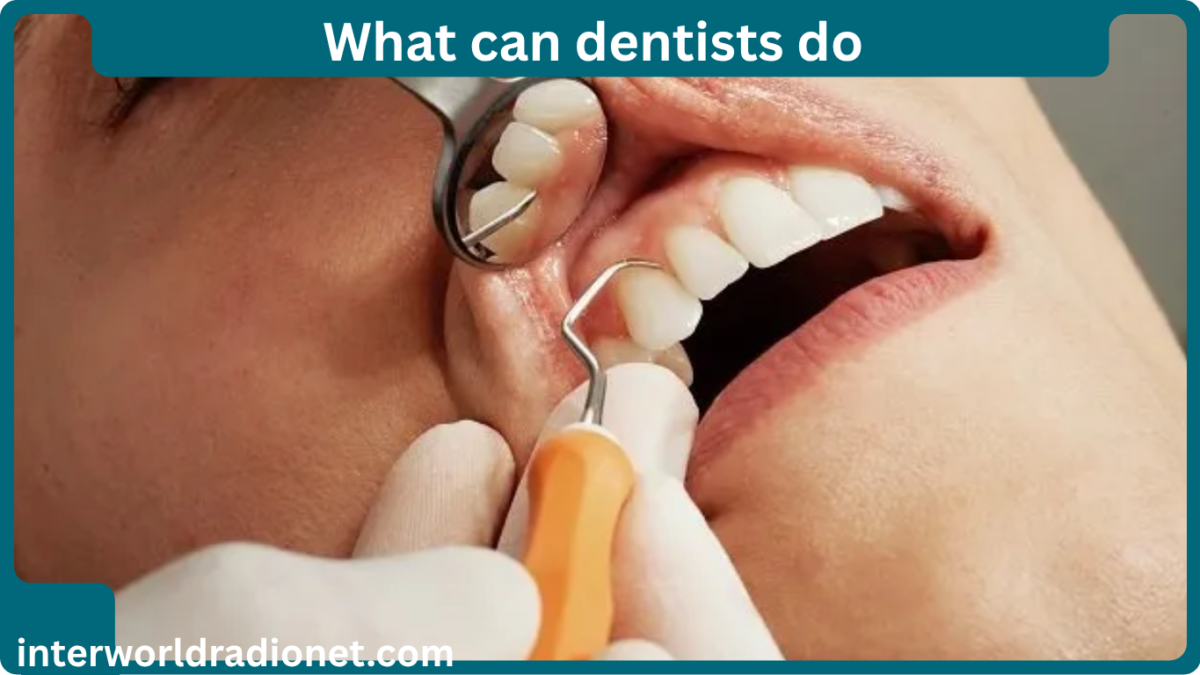
Going to the dentist is about much more than getting a cavity filled. Modern dentists can prevent dental problems, find disease early, repair damaged teeth, replace missing teeth, improve chewing, protect your gums, and help you maintain a healthy smile for many years.
If you have ever wondered, “What can dentists do?” the answer depends on your oral health, symptoms, age, medical history, and treatment needs. A general dentist can handle many common problems, while specialists may provide advanced care for specific conditions.
Dentists can examine your teeth and gums, take dental X-rays when needed, remove plaque and tartar, treat cavities, repair broken teeth, perform root canals, treat gum disease, remove certain teeth, provide crowns and bridges, replace missing teeth with dentures or implants, and offer selected cosmetic treatments.
They can also identify signs of problems that may not hurt yet. This is one reason regular dental visits matter. A tooth can have decay before you notice pain, and gum disease can progress for a long time without obvious symptoms.
This guide explains what dentists can do, when different treatments may be recommended, what happens during a dental visit, and how to know when you may need urgent dental care.
What Does a Dentist Do?
A dentist is a healthcare professional who diagnoses, prevents, and treats conditions affecting the mouth, teeth, gums, and related structures.
Dentists commonly provide preventive care, restorative treatment, gum care, dental surgery, and oral health education.
A dentist may also look for signs of conditions that affect more than the teeth.
During an examination, your dentist may evaluate:
- Teeth
- Gums
- Tongue
- Cheeks
- Jaw
- Bite
- Existing dental restorations
- Signs of infection
- Signs of tooth wear
- Oral tissues
The exact services available depend on the dentist’s education, training, license, and practice.

What Can Dentists Do for Your Teeth?
Dentists can perform many treatments designed to keep natural teeth healthy and functional.
Also read:What Is a DMD? Meaning, Degree, Education, Licensing, and Dental Career Guide
Common services include:
- Dental cleanings
- Cavity treatment
- Fillings
- Crowns
- Root canal treatment
- Tooth extractions
- Treatment for cracked or broken teeth
- Treatment for tooth sensitivity
- Fluoride treatments
- Dental sealants
- Replacement of missing teeth
The goal is not always to remove or replace a tooth.
Whenever practical, dentists often try to preserve healthy natural tooth structure.
That is why finding a problem early can make treatment simpler.
Can Dentists Find Cavities?
Yes.
Dentists can look for tooth decay during an oral examination and may use dental X-rays when appropriate.
A cavity may not always cause pain.
Early decay can sometimes be difficult to notice without professional evaluation.
Depending on the stage and location of the decay, treatment may range from preventive care and fluoride to a filling or more extensive restoration.
The sooner significant decay is identified, the more opportunities there may be to preserve the tooth.
What Can a Dentist Do for a Cavity?
Treatment depends on how advanced the decay is.
If a very early area of mineral loss has not developed into a true cavity, your dentist may recommend fluoride, improved oral hygiene, dietary changes, and monitoring.
If a cavity has formed, a filling may be necessary.
During a filling procedure, the dentist removes the damaged tooth structure and fills the area with a dental material.
Common filling materials include tooth-colored composite resin and other restorative materials.
The dentist chooses the appropriate material based on factors such as the location of the tooth, the size of the restoration, your needs, and the clinical situation.
Can Dentists Treat Tooth Pain?
Yes. Dentists can examine tooth pain and determine what may be causing it. Tooth pain can result from cavities, cracked teeth, infections, gum disease, tooth sensitivity, dental injuries, nerve irritation, damaged fillings or crowns, teeth grinding, or impacted teeth. Pain is a warning sign rather than a diagnosis, so treating the discomfort alone may not solve the underlying problem. Pain relievers may provide temporary relief, but persistent or severe tooth pain should be evaluated by a dentist.
What Can Dentists Do for a Broken Tooth?
Treatment depends on how much of the tooth has been damaged and whether the inner pulp is affected. A small break may be repaired with bonding or a filling, while a larger fracture may require a crown or another restoration. If the damage reaches the pulp and causes inflammation or infection, root canal treatment may be recommended. If the tooth cannot be restored safely, extraction may be necessary. A broken tooth does not always need to be removed, because restorative treatments can sometimes preserve the natural tooth.
Can Dentists Fix Chipped Teeth?
Yes. Dentists can often repair chipped teeth with bonding, fillings, veneers, or other restorations. The best option depends on the size and location of the chip, the condition of the tooth, and whether the tooth needs additional protection. Small chips may need only minor cosmetic repair, while larger chips may require a stronger restoration. For front teeth, appearance and color matching are important, while back teeth may need a restoration designed to handle normal chewing forces.
What Can Dentists Do for Tooth Sensitivity?
Dentists can investigate why your teeth are sensitive.
Common contributors include:
- Exposed tooth roots
- Gum recession
- Tooth wear
- Enamel erosion
- Tooth decay
- Cracked teeth
- Recent dental treatment
Treatment depends on the cause.
A dentist may recommend desensitizing toothpaste, fluoride, changes in brushing technique, treatment for decay, gum treatment, or restorative procedures.
Do not assume that severe sensitivity is simply something you must live with.
Can Dentists Treat Gum Disease?
Yes.
Dentists can diagnose and treat gum disease, often working with dental hygienists and, when needed, periodontists.
Gum disease can range from early inflammation called gingivitis to more advanced periodontal disease involving damage to the tissues and bone supporting the teeth.
Treatment may include professional cleaning, improved home care, scaling and root planing, medication in selected cases, or referral to a periodontal specialist.
The treatment depends on how advanced the condition is.
What Can Dentists Do for Bleeding Gums?
Bleeding gums can be a sign of gingivitis or periodontal disease.
They may also occur because of brushing technique, plaque buildup, hormonal changes, certain medications, or other health factors.
Healthy gums generally should not regularly bleed during routine brushing and flossing.
If your gums bleed repeatedly, tell your dentist.
Rather than simply treating the bleeding, the dentist can look for the reason behind it.
Can Dentists Treat Bad Breath?
Yes, dentists can help evaluate persistent bad breath.
Bad breath can result from:
- Plaque
- Gum disease
- Tongue bacteria
- Dry mouth
- Poor oral hygiene
- Certain foods
- Tobacco use
- Dental infections
- Some medical conditions
Cleaning the teeth and tongue and improving oral hygiene may help.
If bad breath continues despite good dental care, your dentist may recommend further evaluation or referral.
Can Dentists Clean Your Teeth?
Yes.
Professional dental cleanings remove plaque and hardened tartar that regular brushing cannot completely remove.
A typical cleaning may involve:
- Examining the mouth
- Removing plaque and tartar
- Cleaning around the gumline
- Polishing the teeth
- Reviewing oral hygiene
The recommended frequency depends on your individual oral health.
Some people may benefit from more frequent professional care, especially if they have periodontal disease or other risk factors.
What Are Dental X-Rays Used For?
Dental X-rays allow dentists to see areas that cannot always be evaluated directly during an oral examination.
They may help identify:
- Cavities between teeth
- Problems below the gumline
- Bone loss
- Impacted teeth
- Root problems
- Certain infections
- Abnormal areas
X-rays are not necessarily required at every appointment.
The dentist should consider your history, symptoms, risk factors, age, and previous findings when deciding whether imaging is appropriate.
Can Dentists Do Root Canals?
Yes.
General dentists with appropriate training can perform root canal treatment, while some complicated cases may be referred to an endodontist.
A root canal is used when the soft tissue inside a tooth, called the pulp, becomes inflamed or infected.
This can happen because of:
- Deep decay
- Cracks
- Trauma
- Repeated dental procedures
During root canal treatment, the affected pulp is removed, the inside of the tooth is cleaned and shaped, and the space is sealed.
The tooth can then often be restored so it can continue functioning.
Does a Root Canal Save a Tooth?
Often, yes.
The purpose of root canal treatment is generally to remove diseased pulp while keeping the natural tooth.
This can be preferable to extracting the tooth when the tooth is otherwise restorable.
After root canal treatment, the tooth may need a crown or another restoration depending on how much structure remains.
Can Dentists Pull Teeth?
Yes.
A dentist can extract a tooth when it cannot be predictably restored or when removal is otherwise medically appropriate.
Reasons for extraction may include:
- Severe decay
- Advanced periodontal disease
- Certain fractures
- Significant infection
- Impacted teeth
- Orthodontic treatment in selected cases
- Other dental conditions
However, extraction is not automatically the first choice.
Dentists generally consider whether the tooth can be safely and predictably preserved.
Can Dentists Remove Wisdom Teeth?
Yes, dentists and oral surgeons can remove wisdom teeth.
Wisdom teeth may cause problems when they are impacted, difficult to clean, infected, damaging nearby teeth, or associated with other pathology.
Not everyone needs wisdom teeth removed.
The decision depends on the individual tooth and the person’s oral health.
An oral surgeon may be recommended when the extraction is complex or when the tooth’s position creates additional surgical concerns.
Can Dentists Replace Missing Teeth?
Yes.
Several options are available for replacing missing teeth.
These can include:
- Dental implants
- Dental bridges
- Partial dentures
- Complete dentures
The best option depends on the number of missing teeth, bone health, gum condition, overall health, budget, and personal preferences.
Replacing a missing tooth is not only about appearance.
Missing teeth can affect chewing, speech, tooth movement, and how the mouth functions.
What Can Dentists Do With Dental Implants?
Dental implants are used to replace missing teeth.
An implant is placed into the jawbone and can support a dental crown, bridge, or denture depending on the treatment plan.
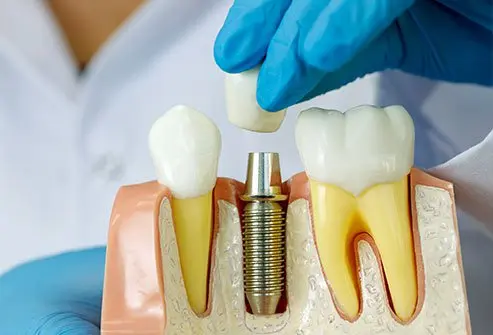
Implant treatment typically involves several stages.
The dentist or dental specialist evaluates the mouth and jawbone, develops a treatment plan, places the implant when appropriate, allows healing, and then completes the restoration.
Also read:What Is the Difference Between DDS and DMD Degree? Complete Guide for Dental Students
Not everyone is an immediate candidate.
Bone quality, gum health, smoking, certain medical conditions, and other factors can influence treatment planning and healing.
Can Dentists Provide Dentures?
Yes.
Dentures can replace several missing teeth or all teeth in an arch.
Types include:
- Complete dentures
- Partial dentures
- Implant-supported dentures
Dentures can improve chewing and speech and may restore facial appearance.
However, dentures are not identical to natural teeth.
They require cleaning, proper fit, and periodic evaluation.
The mouth can change over time, so an older denture may eventually need adjustment, relining, or replacement.
What Can Dentists Do With Dental Crowns?
A crown covers and protects a damaged or weakened tooth.
Crowns may be recommended when a tooth has lost significant structure from decay, fracture, or previous treatment.
They can also be used after some root canal procedures.
Crowns can be made from different materials, including ceramic, porcelain-based materials, metal, or combinations of materials.
The choice depends on factors such as tooth location, appearance, strength, bite, and clinical needs.
Can Dentists Fix Worn Teeth?
Yes, depending on the cause and severity.
Tooth wear can result from:
- Grinding
- Clenching
- Acid erosion
- Abrasion
- Certain habits
- Some dietary patterns
Treatment may include addressing the underlying cause, changing habits, using protective appliances when appropriate, or restoring damaged teeth.
A dentist should first determine why the teeth are wearing down.
Replacing worn teeth without addressing the cause may not solve the long-term problem.
Can Dentists Treat Teeth Grinding?
Dentists can evaluate signs of teeth grinding, also known as bruxism.
Possible signs include:
- Worn teeth
- Jaw soreness
- Morning headaches
- Tooth fractures
- Muscle tenderness
- Increased sensitivity
A dentist may recommend a custom oral appliance in appropriate cases.
Stress, sleep problems, medications, and other factors can contribute to bruxism.
Some people may also need evaluation for sleep-related conditions.
Can Dentists Treat Jaw Pain?
Dentists can evaluate some causes of jaw pain and determine whether dental treatment may help.
Jaw discomfort can be related to:
- Teeth grinding
- Clenching
- Temporomandibular disorders
- Dental infection
- Tooth problems
- Trauma
- Muscle tension
Not every jaw problem is caused by the teeth.
Some cases require referral to an oral and maxillofacial specialist, physical therapist, physician, or another healthcare professional.
Can Dentists Help With TMJ Problems?
The term “TMJ” refers to the temporomandibular joint, while TMD refers to temporomandibular disorders.
Dentists can evaluate symptoms such as jaw pain, clicking, difficulty opening the mouth, and changes in chewing.
Treatment depends on the specific problem.
Conservative approaches are often considered before irreversible procedures.
These may include self-care, behavior changes, physical therapy, medication when appropriate, and selected dental appliances.
Complex cases may require specialist evaluation.
What Can Dentists Do for Children?
Dentists can help children establish healthy oral habits early.
Pediatric dental care may include:
- Dental examinations
- Cleanings
- Fluoride
- Sealants
- Cavity treatment
- Monitoring tooth development
- Assessing bite development
- Oral hygiene education
- Managing dental injuries
Early dental care also helps children become comfortable with dental visits.
Parents should not wait for a child to develop tooth pain before seeking dental care.
Can Dentists Apply Dental Sealants?
Yes.
Dental sealants are protective coatings placed in the grooves of certain teeth, particularly back teeth.
These grooves can trap food and plaque and may be difficult to clean thoroughly with a toothbrush.
Sealants can help reduce the risk of cavities in appropriate patients.
They do not replace brushing, flossing, fluoride, or regular dental care.
Can Dentists Apply Fluoride?
Yes.
Dentists may recommend professional fluoride treatments for people at increased risk of tooth decay.
Fluoride helps strengthen tooth enamel and can support resistance to acid-related mineral loss.
Children and adults may benefit from fluoride depending on their individual risk.
Your dentist can determine whether additional fluoride is appropriate.
What Can Dentists Do for Cosmetic Problems?
Some dentists provide cosmetic dental services designed to improve the appearance of teeth.
These may include:
- Teeth whitening
- Dental bonding
- Veneers
- Tooth-colored restorations
- Cosmetic contouring
- Certain aesthetic crowns
Cosmetic treatment should still be planned with oral health in mind.
A beautiful restoration is not a substitute for healthy gums and teeth.
Can Dentists Whiten Teeth?
Yes.
Professional teeth whitening can lighten the color of natural teeth.
Whitening does not work the same way on every type of discoloration, and restorations such as crowns or fillings may not change color in the same way as natural enamel.
A dentist can determine whether whitening is appropriate and help identify the cause of tooth discoloration.
Can Dentists Fix Gaps Between Teeth?
Sometimes.
Small gaps may be treated with bonding or veneers depending on the cause and location.
Orthodontic treatment may be appropriate when teeth need to be moved.
A gap can also be related to gum or bone conditions, missing teeth, or the natural shape of the teeth.
The right treatment begins with identifying why the gap exists.
Can Dentists Straighten Teeth?
Some dentists provide orthodontic treatment, while others refer patients to orthodontists.
Orthodontic treatment can use:
- Traditional braces
- Clear aligners
- Other orthodontic appliances
Treatment is used to improve tooth alignment and, in appropriate cases, the bite.
Not every orthodontic problem can be safely treated with clear aligners.
A proper examination is necessary before treatment begins.
Can Dentists Screen for Oral Cancer?
Yes.
Oral cancer screening is an important part of many dental examinations.
A dentist may examine the mouth, tongue, gums, cheeks, palate, and other tissues for unusual changes.
Warning signs can include:
- A sore that does not heal
- Persistent mouth pain
- A lump
- A thickened area
- Unusual red or white patches
- Difficulty swallowing
- Persistent hoarseness
- Numbness
Finding suspicious changes does not mean that cancer is present.
It means further evaluation may be needed.
Can Dentists Diagnose Infections?
Dentists can diagnose many infections involving the teeth and surrounding oral tissues.
A dental infection may develop when bacteria enter a tooth or surrounding tissue.
Possible symptoms include:
- Toothache
- Swelling
- Fever
- Pain when biting
- Bad taste
- Pus
- Facial swelling
Some dental infections require drainage or dental treatment rather than antibiotics alone.
Antibiotics may be used in selected situations, but they do not replace treatment of the underlying dental source when dental treatment is needed.
Can Dentists Prescribe Antibiotics?
Dentists who are licensed to prescribe medications may prescribe antibiotics when clinically appropriate.
However, antibiotics are not needed for every toothache.
For many dental infections, definitive treatment of the source is the most important step.
Unnecessary antibiotic use can cause side effects and contributes to antibiotic resistance.
This is why dentists consider the specific diagnosis before prescribing them.
What Can Dentists Do for Dry Mouth?
Dentists can help determine whether dry mouth may be contributing to tooth decay, discomfort, difficulty swallowing, or other oral problems.
Dry mouth can be associated with:
- Medications
- Dehydration
- Certain medical conditions
- Radiation treatment
- Mouth breathing
- Other factors
Treatment focuses on the cause when possible and on protecting the teeth and oral tissues.
Your dentist may recommend increased water intake, saliva substitutes, fluoride, sugar-free gum, or other measures depending on your situation.
Can Dentists Help With Sensitive Teeth From Whitening?
Yes.
Tooth sensitivity can occur during or after whitening.
Also read:What Is a DDS? Meaning, Degree, Education, Duties, Salary, and DDS vs DMD
A dentist can help determine whether the sensitivity is expected or whether another problem, such as decay or exposed roots, is responsible.
Professional guidance can also help reduce unnecessary whitening-related discomfort.
What Can Dentists Do for Dental Emergencies?
Dentists can provide urgent evaluation for many dental emergencies.
Examples include:
- Severe tooth pain
- Knocked-out permanent teeth
- Broken teeth
- Dental infections
- Facial swelling
- Significant bleeding
- Injuries to the mouth
A knocked-out permanent tooth requires particularly prompt attention.
If a tooth is completely knocked out, handle it carefully by the crown rather than the root and seek emergency dental care immediately.
For a severe facial injury, uncontrolled bleeding, trouble breathing, or trouble swallowing, emergency medical care may be necessary.
When Should You See a Dentist?
You should schedule a dental appointment if you have:
- Persistent tooth pain
- Bleeding gums
- Swollen gums
- A broken tooth
- New tooth sensitivity
- Persistent bad breath
- A loose adult tooth
- Changes in your bite
- Jaw pain
- A sore in the mouth that does not heal
- A lump or unusual oral change
You do not have to wait until pain becomes severe.
Preventive visits can identify problems earlier.
How Often Should You Visit the Dentist?
There is no single schedule that works for every person.
Some people may need dental visits once or twice a year, while others with periodontal disease, high cavity risk, or other concerns may need more frequent care.
Your dentist can recommend a schedule based on your individual risk.
The important idea is that dental care should be personalized rather than based on a rigid rule that applies equally to everyone.
What Happens During a Dental Checkup?
A typical dental visit may include several steps.
The dentist or dental team may review your medical and dental history.
They may ask about:
- Tooth pain
- Sensitivity
- Bleeding
- Medications
- Oral hygiene
- Diet
- Tobacco use
- Previous dental treatment
The mouth is then examined.
Depending on your needs, X-rays or other diagnostic procedures may be recommended.
Your dentist will explain any findings and discuss treatment options.
A good dental appointment should be a conversation, not just a procedure.
Do Dentists Only Treat Problems?
No.
Prevention is a major part of dentistry.
Dentists can help you understand:
- How to brush effectively
- How to clean between teeth
- How fluoride helps
- How diet affects cavities
- How tobacco affects oral health
- How to protect teeth from injury
- How to recognize early warning signs
Preventive care can reduce the need for more complicated treatment later.
What Is the Difference Between a Dentist and a Dental Hygienist?
A dentist is responsible for diagnosing oral conditions and providing or overseeing dental treatment within their scope of practice.
A dental hygienist commonly provides preventive services such as professional cleanings and oral hygiene education.
They work together as part of the dental care team.
The exact duties and scope of practice vary by state.
What Is the Difference Between a General Dentist and a Specialist?
A general dentist provides many common dental services.
A specialist receives additional education and training in a particular area of dentistry.
Examples include:
- Orthodontists
- Periodontists
- Endodontists
- Prosthodontists
- Oral and maxillofacial surgeons
- Pediatric dentists
- Oral and maxillofacial pathologists
You may never need a specialist.
But if your condition is complex, your general dentist may recommend one.
Can Dentists Refer You to Another Specialist?
Yes.
Referral is a normal part of dental care.
A general dentist may refer you when a problem requires specialized knowledge, advanced procedures, or a different level of care.
A referral does not mean that your dentist cannot help you.
It often means the dentist wants you to receive the most appropriate treatment for your particular situation.
How Much Can Dentists Do Without Removing Teeth?
Modern dentistry places significant emphasis on prevention and preservation of natural teeth.
Depending on the problem, dentists may use:
- Fillings
- Bonding
- Crowns
- Root canal treatment
- Periodontal treatment
- Preventive care
- Orthodontic treatment
However, some teeth cannot be safely restored.
The decision depends on the amount of healthy tooth structure remaining, the condition of the surrounding tissues, infection, fracture, periodontal support, and other factors.
What Should You Tell Your Dentist?
Be honest about your health history.
Tell your dentist about:
- Current medications
- Allergies
- Previous dental problems
- Medical conditions
- Pregnancy when relevant
- Tobacco use
- Dental anxiety
- Previous reactions to anesthesia or medications
Also tell them about symptoms, even if they seem minor.
A small change can sometimes provide an important clue.
What Questions Should You Ask Your Dentist?
Asking questions can help you understand your dental condition and make informed treatment decisions. You can ask your dentist what is causing the problem, whether treatment is needed now, and what may happen if you wait. You can also ask about different treatment options, their benefits and risks, whether the tooth can be saved, whether an X-ray is necessary, and whether you need to see a specialist. It is also reasonable to ask about the expected cost and whether a less invasive option is available. A clear conversation with your dentist can make your treatment plan easier to understand.
What Is the Most Important Thing Dentists Can Do?
One of the most important things dentists can do is help prevent dental problems before they become more serious. Treatments such as fillings, crowns, root canals, and implants can repair or replace damaged teeth, but prevention can often reduce the need for these procedures. Brushing twice a day with fluoride toothpaste, cleaning between your teeth, limiting frequent sugary foods and drinks, avoiding tobacco, and getting regular dental care can help protect your teeth and gums. Good home care combined with professional dental visits provides a strong foundation for long-term oral health.
What Can Dentists Do That You Cannot Do at Home?
Home care is essential, but professional dentistry provides diagnostic and treatment capabilities that you cannot perform yourself.
Dentists can:
- Examine areas you cannot easily see
- Detect certain problems before symptoms appear
- Take and interpret dental X-rays
- Remove hardened tartar
- Restore damaged teeth
- Treat dental infections
- Perform root canals
- Extract teeth when necessary
- Replace missing teeth
- Assess gum and bone health
- Screen for concerning oral changes
This is why professional care and home care work best together.
What Can Dentists Do for Long-Term Oral Health?
Good dental care is not only about fixing problems when they happen. It is also about protecting your teeth and gums over time. Your dentist can create a personalized care plan based on your oral health, cavity risk, gum condition, dental history, daily habits, diet, age, and other needs. One person may need more focus on preventing cavities, while another may need treatment for gum disease, tooth wear, or missing teeth. Because every mouth is different, there is no single dental plan that works for everyone. Personalized preventive care can help keep your teeth, gums, and smile healthy for the long term.
Final Thoughts
So, what can dentists do? Dentists can do far more than simply fill cavities or clean teeth. They can prevent oral disease, diagnose problems, treat tooth decay and gum disease, repair broken teeth, perform root canals, remove teeth when necessary, replace missing teeth, manage certain jaw problems, provide cosmetic treatments, and identify unusual changes that may require further evaluation. The right treatment depends on your individual condition, and not every dental problem requires the most aggressive option. In many cases, early diagnosis allows for simpler treatment and helps preserve natural teeth. Regular dental care, combined with good daily oral hygiene, remains one of the best ways to protect your teeth, gums, and overall oral health for years to come.
Frequently Asked Questions About What Dentists Can Do
Can a dentist fix almost any tooth?
Dentists can treat many types of tooth damage, but not every tooth can be saved. The decision depends on the amount of remaining healthy tooth structure, infection, fractures, gum and bone support, and other factors.
Can dentists treat problems outside the teeth?
Dentists primarily treat conditions involving the mouth and related structures. They can also recognize some signs that may require evaluation by a physician or other healthcare professional.
Can a dentist tell if you have an infection?
A dentist can evaluate signs and symptoms that may indicate a dental infection and use an examination and, when appropriate, imaging to help make a diagnosis. Some infections require immediate treatment.
Can dentists treat dental problems without surgery?
Many dental conditions can be treated without surgery. Fillings, professional cleanings, fluoride, bonding, crowns, and some root canal procedures are examples. The appropriate approach depends on the specific problem.
Can dentists help if you are afraid of dental treatment?
Yes. Tell your dentist about your anxiety before treatment. Many dental offices use communication strategies, breaks, topical or local anesthesia, and other approaches to make care more comfortable. For severe dental anxiety, additional options may be discussed.