What Can Dentists Do? A Complete Guide to Dental Treatments and Services
September 2, 2026
What Causes Bubble Gut? Common Causes, Symptoms, Bodybuilding Connections, and What to Do
September 3, 2026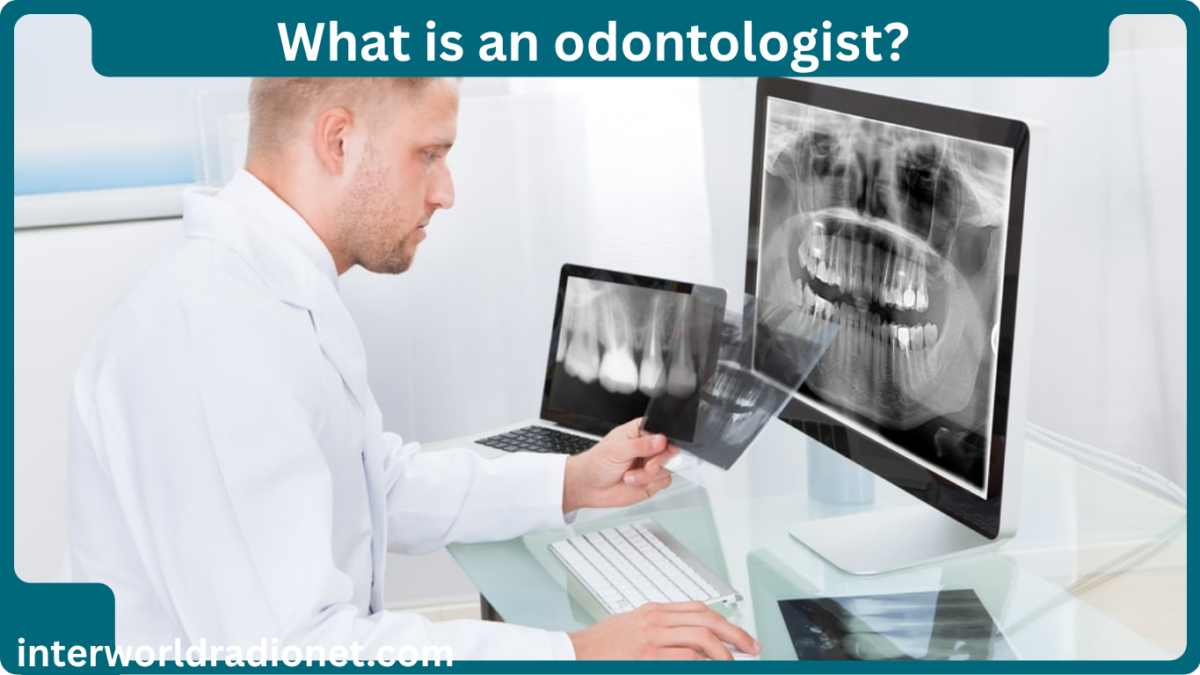
If you have searched for “what is an odontologist,” you may have noticed that the word is often connected with forensic science, human identification, and dental evidence. An odontologist is a dental professional who applies knowledge of teeth, jaws, and the mouth to specialized questions. In the United States, the term is most commonly encountered in the context of forensic odontology, also called forensic dentistry.
Forensic odontologists may help identify unknown human remains by comparing dental evidence with existing dental records. They may also evaluate dental injuries, assist with age assessment, examine certain patterned injuries, review dental records, and provide expert opinions in legal proceedings. The American Dental Association describes forensic odontology as a field focused on the identification and analysis of human teeth and related oral structures in a legal context.
This makes an odontologist different from the dentist you normally visit for a cleaning, filling, crown, or toothache. A general dentist primarily provides clinical dental care to living patients. A forensic odontologist uses dental knowledge to answer questions that may arise in investigations, courts, medical examiner offices, and disaster victim identification.
Teeth can be especially useful in identification because they are highly durable, and dental treatments can create patterns that may be compared with previous dental records.
However, forensic dentistry is not the same as the dramatic version sometimes shown in movies and television. Real forensic work depends on careful documentation, scientific methods, appropriate comparison data, professional judgment, and collaboration with other forensic specialists.
This article explains what an odontologist is, what a forensic odontologist does, how dental identification works, what education is required, how odontologists differ from regular dentists, what evidence they examine, and what people should know about this specialized field.
What Is an Odontologist?
An odontologist is a professional who specializes in the study and application of dental knowledge, particularly involving teeth, jaws, and related oral structures.
The word “odontology” refers broadly to the study of teeth and related structures. In everyday use in the United States, however, “odontologist” is frequently associated with forensic dentistry.
A forensic odontologist applies dental knowledge to legal and investigative questions.
The American Academy of Forensic Sciences explains that forensic dentistry, or forensic odontology, is an important area of forensic science and that one of its primary functions is identifying human remains.
An odontologist may work with:
- Dentists
- Medical examiners
- Coroners
- Law enforcement
- Forensic pathologists
- Anthropologists
- Other forensic specialists
- Attorneys
- Courts
The exact responsibilities depend on the person’s training, experience, and role in a particular case.
Also read:What Is a DMD? Meaning, Degree, Education, Licensing, and Dental Career Guide
What Does an Odontologist Do?
A forensic odontologist can perform several types of specialized work.
One of the most important is comparing dental records from a known person with dental findings from unidentified remains.
For example, investigators may have unidentified human remains but need to determine who the person was. If dental records are available from a possible match, a forensic odontologist can compare information such as:
- Missing teeth
- Existing teeth
- Fillings
- Crowns
- Root canals
- Dental implants
- Bridges
- Dentures
- Tooth positions
- Dental X-rays
- Other documented dental characteristics
The purpose is to determine whether the available dental evidence supports an identification or excludes a proposed identification.
The ADA notes that forensic odontologists analyze unidentified remains while relying on accurate dental records from practicing dentists for comparison.
What Is Forensic Odontology?
Forensic odontology is the use of dental science in legal and investigative cases. It is also known as forensic dentistry. A forensic odontologist may help identify unknown human remains, compare dental records, assess dental evidence, estimate age in certain cases, evaluate some oral injuries, and explain dental findings in court. The field connects dentistry with forensic science and often involves working with investigators, medical examiners, forensic pathologists, and other specialists.
A regular dentist may focus on questions such as, “What is causing this toothache?” or “How should this cavity be treated?” A forensic odontologist may instead be asked, “Do these dental records match the unidentified remains?” This difference is what makes forensic odontology a specialized area of dentistry.
Why Are Teeth Useful for Human Identification?
Teeth can be valuable evidence because they are among the most durable structures in the human body.
They can sometimes remain identifiable when other forms of evidence are damaged or unavailable.
Dental treatments also create individual patterns.
For example, two people may have different combinations of:
- Fillings
- Crowns
- Missing teeth
- Root canal treatments
- Implants
- Bridges
- Tooth positions
A person’s dental records can therefore provide a useful comparison with unidentified remains.
The ADA explains that dental identification is a primary function of forensic odontology and that teeth and dental treatment characteristics can contribute to positive identification.
This is one reason accurate dental records are so important.
How Does Dental Identification Work?
Dental identification is generally a comparison process.
The forensic team first documents the dental condition of the unidentified remains.
This may include examining and recording:
- Tooth presence
- Tooth absence
- Restorations
- Dental appliances
- Root structures
- Jaw characteristics
- Radiographic findings
- Other relevant oral structures
Investigators then try to obtain antemortem dental records.
“Antemortem” simply means information collected before death.
These records might include:
- Dental charts
- Dental X-rays
- Treatment notes
- Photographs
- Information about dental restorations
The forensic odontologist compares the information.
The goal is not to make a guess based on one tooth.
Instead, the professional looks for a consistent pattern across available evidence.
Current forensic standards include guidance for human identification by comparative dental analysis. NIST lists ADA 1088-2020D as a published standard concerning human identification by comparative dental analysis.
What Dental Records Are Used by an Odontologist?
Dental records can be extremely valuable in forensic investigations.
They may include:
- Dental charts
- Bitewing X-rays
- Periapical X-rays
- Panoramic images
- Treatment notes
- Crown records
- Filling records
- Implant information
- Orthodontic records
- Denture information
- Photographs
A record showing that a person had a particular dental restoration in a specific location can sometimes be compared with the corresponding finding in unidentified remains.
The quality of the original dental record matters.
Accurate documentation gives forensic professionals stronger information to work with.
Why Are Dental X-Rays Important?
Dental X-rays can contain details that are difficult to see during a simple visual examination.
They may show:
- Tooth roots
- Root canal treatments
- Bone structures
- Existing restorations
- Impacted teeth
- Tooth development
- Other anatomical features
When antemortem X-rays are available, they can provide particularly useful comparison information.
The ADA’s technical standards emphasize the importance of supporting documentation and comparative dental analysis when establishing identification.
Can an Odontologist Identify a Person From Their Teeth?
Sometimes, yes.
Dental identification can be highly useful when sufficient records and suitable dental evidence are available.
But an important point is that forensic identification is not guaranteed in every case.
The quality and completeness of the available evidence matter.
For example, identification may be more difficult when:
- No dental records exist
- Records are incomplete
- The dental history is limited
- The remains are severely damaged
- There are few distinctive dental characteristics
- The comparison information is inadequate
A responsible forensic odontologist must consider the evidence available rather than automatically claiming an identification.
Can Dentists Help Forensic Odontologists?
Yes.
This is an important part of forensic identification that many people overlook.
The forensic odontologist may analyze the unidentified remains, but practicing dentists may possess the antemortem records needed for comparison.
A dental office could have years of treatment information for a missing person.
Those records may provide valuable information to investigators.
The ADA specifically notes that forensic odontologists rely on practicing dentists to provide accurate and comprehensive dental records for identification work.
This means everyday dental care can unintentionally create a valuable record for future identification purposes.
What Is the Difference Between a Dentist and an Odontologist?
A dentist primarily provides clinical oral healthcare.
A dentist may:
- Examine teeth
- Treat cavities
- Clean teeth
- Treat gum disease
- Perform root canals
- Place crowns
- Extract teeth
- Replace missing teeth
- Provide preventive care
A forensic odontologist focuses on dental evidence in legal or investigative settings.
An odontologist may:
- Compare dental records
- Identify human remains
- Assess dental evidence
- Evaluate certain oral injuries
- Conduct age assessments
- Prepare forensic reports
- Provide expert testimony
The two fields overlap because forensic odontologists need dental knowledge, but their daily work can be very different.
Is an Odontologist a Dentist?
A forensic odontologist is generally a dentist who has developed additional education, training, and experience in forensic dentistry.
However, the exact educational and professional pathway can vary.
The important distinction is that “odontologist” does not simply mean “another type of general dentist.”
In forensic work, the professional needs specialized knowledge of dental evidence and its proper interpretation.
What Is the Difference Between an Odontologist and a Forensic Dentist?
In most contexts, the terms are used interchangeably.
“Forensic dentist” is often easier for the public to understand.
“Forensic odontologist” is the more specialized professional term.
Both refer to someone who applies dental expertise to forensic or legal questions.
The American Academy of Forensic Sciences uses both “forensic dentistry” and “odontology” when describing this field.
Can an Odontologist Determine a Person’s Age?
Dental evidence can sometimes help estimate age.
Teeth develop and change throughout life.
In younger people, dental development can provide useful information because tooth formation and eruption follow recognizable developmental patterns.
In adults, age assessment can become more difficult because dental changes are affected by many individual factors.
The American Dental Association has a technical report specifically addressing human age assessment by dental analysis, and NIST lists that report within its forensic standards resources.
Age assessment should therefore be understood as an estimate rather than a perfect measurement.
Can an Odontologist Determine Someone’s Identity From a Tooth Alone?
Usually, forensic identification is more complicated than finding one unusual tooth.
A single tooth may provide useful information, but identification typically becomes stronger when multiple characteristics and reliable records agree.
Forensic professionals evaluate the total available evidence.
This is a useful distinction because popular culture often makes forensic identification look instantaneous.
In real investigations, documentation and comparison are central.
Can an Odontologist Identify Burned or Decomposed Remains?
Dental evidence can sometimes remain useful when other identification methods are difficult.
Teeth are relatively resistant to environmental damage compared with many other tissues.
This is one reason forensic odontologists may become involved in cases involving severely damaged remains.
The American Academy of Forensic Sciences notes that dental evidence can be particularly important when fingerprints are unavailable or have been destroyed by decomposition, fragmentation, or fire.
The actual usefulness of dental evidence depends on the condition of the remains and the availability of comparison records.
Do Odontologists Work on Mass Disasters?
Yes.
Forensic odontologists may participate in disaster victim identification.
Examples can include major transportation accidents, natural disasters, and other mass-fatality events.
Their role may involve examining dental remains and comparing them with available dental records.
This work often requires close coordination with medical examiners, coroners, forensic pathologists, law enforcement, and other specialists.
Modern forensic identification is therefore a team process rather than the work of one person alone.
What Is Disaster Victim Identification?
Disaster victim identification, often abbreviated DVI, is the process of identifying people who died in a major incident.
Also read:What Is the Difference Between DDS and DMD Degree? Complete Guide for Dental Students
Different forms of evidence may be used.
These can include:
- Fingerprints
- Dental records
- DNA
- Medical records
- Personal information
- Physical characteristics
Dental evidence is one part of this larger system.
When dental records are available, forensic odontologists can help compare them with findings from unidentified remains.
Can an Odontologist Identify a Person Without DNA?
In some cases, yes.
DNA is not the only method of human identification.
Dental records can provide strong evidence when suitable antemortem records exist and the dental findings can be compared.
The ADA recognizes comparative dental analysis as a formal approach to human identification.
However, the best identification method depends on the circumstances.
Investigators may use multiple methods when possible.
What Is Bitemark Analysis?
Bitemark analysis involves examining patterned injuries that may resemble a bite.
Historically, forensic dentistry has included the evaluation of bitemarks.
However, this area requires particular caution.
Bitemark interpretation is not as simple or certain as television programs often suggest.
Scientific standards and research have raised important concerns about the reliability and limitations of making individual identifications from bite patterns.
NIST has published a scientific foundation review concerning bitemark analysis and has described standards and guidelines in this area.
Therefore, a professional should not treat a suspected bitemark as if it automatically provides a unique dental fingerprint.
Can an Odontologist Identify a Biter From a Bite Mark?
This question needs a careful answer.
A bite-pattern injury may contain information, but determining that a specific person caused it is scientifically challenging.
The shape and appearance of human skin can change because of movement, healing, swelling, distortion, and other factors.
For this reason, forensic bitemark evidence must be interpreted carefully.
It is better to view bitemark examination as a specialized forensic assessment with limitations rather than a guaranteed identification method.
Can an Odontologist Work on Abuse Cases?
Yes.
Forensic dental professionals may contribute to cases involving suspected abuse or neglect.
Oral injuries can sometimes provide important information in investigations.
The American Academy of Forensic Sciences identifies abuse and neglect cases among areas in which forensic odontologists may become involved.
However, suspected abuse should never be evaluated from dental evidence alone.
Investigators generally consider the complete medical, social, physical, and forensic picture.
Can an Odontologist Testify in Court?
Yes.
Forensic odontologists may provide expert testimony when their specialized knowledge is relevant to a legal case.
Their work can include:
- Reviewing records
- Preparing reports
- Explaining dental findings
- Describing methods
- Discussing limitations
- Answering questions in court
The American Academy of Forensic Sciences describes report writing and court testimony as part of forensic dentistry work.
The purpose of expert testimony is to explain specialized evidence clearly so that the legal system can evaluate it.
What Does an Odontologist Do in a Court Case?
An odontologist may be asked to explain dental evidence.
For example, they might discuss:
- Whether dental records are consistent with unidentified remains
- Whether a proposed identification can be supported
- Whether dental findings exclude a proposed identity
- What dental injuries were documented
- What limitations exist in the evidence
An expert should explain both what the evidence supports and what it does not support.
That balance is an important part of trustworthy forensic science.
Can an Odontologist Investigate Dental Malpractice?
Forensic dental professionals may serve as expert witnesses in cases involving alleged dental negligence or questions about standards of care.
The American Academy of Forensic Sciences identifies dental malpractice and negligence issues among areas in which forensic dentists may become involved.
In these cases, the odontologist may review:
- Dental records
- X-rays
- Treatment plans
- Clinical notes
- Procedures
- Outcomes
The expert may then provide an opinion within their area of knowledge.
What Education Does an Odontologist Need?
The pathway generally begins with dental education.
A person interested in forensic odontology may first become a dentist and then develop specialized knowledge through additional education, training, continuing education, research, case experience, and professional involvement.
The exact pathway can differ because forensic dentistry is a specialized field rather than a typical service found in every dental office.
People interested in the field should investigate current requirements through recognized dental and forensic organizations, dental schools, and relevant professional bodies.
Do Odontologists Need a Dental Degree?
Forensic odontologists generally have dental training because their work depends on advanced knowledge of teeth, dental anatomy, pathology, dental treatment, radiographs, and dental records.
A strong dental foundation is important for understanding how normal and treated teeth appear.
Additional forensic training then teaches the professional how to apply that knowledge to investigative and legal questions.
Where Do Forensic Odontologists Work?
Forensic odontologists may work in different settings.
Possible environments include:
- Medical examiner offices
- Coroner offices
- Universities
- Dental schools
- Government agencies
- Forensic laboratories
- Private consulting practices
- Legal settings
Some professionals maintain regular dental practices while also providing forensic consulting.
Others may have academic or forensic roles.
The field is relatively specialized, so many forensic odontologists work on a consulting or part-time basis rather than spending every working day at a crime scene.
Do Odontologists Work at Crime Scenes?
Sometimes, but not necessarily.
Movies often show forensic specialists spending most of their time at crime scenes.
In reality, forensic dental work may involve substantial time reviewing records, examining evidence, documenting findings, writing reports, and communicating with investigators.
The exact role depends on the case.
Some professionals may participate directly in disaster response or evidence collection, while others primarily perform analysis after evidence has been collected.
What Tools Do Odontologists Use?
Forensic odontologists may use many of the same dental tools and technologies used in clinical dentistry, along with forensic documentation and comparison methods.
Their work may involve:
- Dental radiographs
- Digital imaging
- Dental charts
- Clinical photographs
- Dental models
- Computerized records
- Measurement tools
- Forensic databases
- Documentation systems
Technology can make records easier to store and compare, but technology does not replace professional interpretation.
Why Are Accurate Dental Records So Important?
Accurate dental records can help a dentist provide better care while also preserving information that may become useful for identification.
Also read:What Is a DDS? Meaning, Degree, Education, Duties, Salary, and DDS vs DMD
A detailed record may document:
- Which teeth are present
- Which teeth are missing
- Where restorations were placed
- What treatment was performed
- What X-rays showed
- What appliances were used
The ADA has developed standards and guidance around forensic dental data and comparative dental identification, reflecting the importance of consistent documentation.
This creates an important connection between everyday dentistry and forensic science.
Is Forensic Odontology the Same as Forensic Anthropology?
No.
The two fields can work together, but they are different.
Forensic anthropology focuses heavily on human skeletal remains and biological characteristics.
Forensic odontology focuses on teeth and related oral structures.
The fields may overlap during human identification.
The ADA describes dental anthropology as the study of the development, evolution, and variation of teeth, while forensic odontology applies dental knowledge to identification and legal contexts.
Is Forensic Odontology the Same as Pathology?
No.
Forensic pathology focuses on determining medical causes and circumstances of death through medical examination, autopsy, and related evidence.
Forensic odontology focuses on dental evidence.
These professionals may collaborate during unidentified-remains investigations.
Is an Odontologist the Same as an Orthodontist?
No.
An orthodontist specializes in diagnosing and treating problems involving tooth and jaw alignment.
An odontologist, particularly a forensic odontologist, applies dental knowledge to forensic or legal questions.
Their work is therefore quite different.
How Accurate Is Dental Identification?
Dental identification can be highly useful when reliable antemortem records and suitable postmortem evidence are available.
But accuracy depends on the quality of the evidence and the methods used.
A strong identification requires careful comparison rather than a quick visual match.
This is why professional standards exist for comparative dental analysis. NIST lists ADA 1088-2020D as a published standard for human identification by comparative dental analysis.
The broader lesson is important: forensic evidence is strongest when it is properly documented, independently evaluated when appropriate, and interpreted within known scientific limitations.
Why Is Forensic Odontology Important?
Forensic odontology can provide an important identification method when other evidence is unavailable or difficult to obtain.
Identification is not simply a technical task.
It can help families receive answers and can support legal and investigative processes.
In mass-fatality incidents, rapid and organized identification can also help authorities manage the investigation and provide information to families.
The field therefore combines dental science with a very human purpose.
What Is the Future of Forensic Odontology?
Forensic odontology continues to develop alongside improvements in digital records, imaging, forensic data standards, and scientific research.
The ADA and forensic science organizations continue working on standards for dental data and comparative identification.
Digital dental records may make it easier to organize and retrieve information.
Improved imaging can also provide more detailed information for comparison.
At the same time, modern forensic science increasingly emphasizes understanding the limits of evidence.
That may be one of the most important developments in the field.
Better forensic science is not simply about finding more evidence.
It is about understanding exactly what evidence can and cannot prove.
What Is the Most Important Thing to Know About an Odontologist?
The simplest explanation is this:
An odontologist, especially a forensic odontologist, uses specialized dental knowledge to answer investigative and legal questions involving teeth and oral structures.
Their work can include human identification, dental record comparison, age assessment, evaluation of certain oral injuries, expert reporting, and testimony.
The field is much more scientific and methodical than its television image suggests.
A forensic odontologist does not simply “look at teeth and know who someone is.”
Instead, the professional studies available evidence, compares it with appropriate records, documents findings, considers limitations, and communicates conclusions carefully.
That process is what makes forensic dentistry valuable.
Final Thoughts
So, what is an odontologist? An odontologist is a professional who applies dental knowledge to specialized questions involving teeth, jaws, and oral structures. In the United States, the term is commonly associated with forensic odontology, or forensic dentistry. Forensic odontologists can help identify unknown human remains by comparing dental findings with existing records, assess certain dental injuries, contribute to age assessment, assist with some abuse or neglect investigations, review dental evidence, and provide expert testimony in legal cases. Teeth are useful in forensic work because they are durable and because dental treatment can create distinctive patterns that may be compared with reliable records. At the same time, forensic dentistry is not a magic identification system. Its conclusions depend on the quality of the evidence, accurate records, appropriate scientific methods, and careful professional interpretation. As digital dental records and forensic standards continue to develop, odontologists will remain an important part of multidisciplinary human identification and forensic investigation.
Frequently Asked Questions About Odontologists
Is an odontologist a medical doctor?
An odontologist in the forensic dentistry context is generally a dental professional rather than a medical doctor. Their education and expertise focus on dentistry, teeth, oral structures, and dental evidence.
Can an odontologist identify a missing person?
A forensic odontologist may help identify a missing person when unidentified remains are available and suitable dental records exist for comparison. Dental identification is one part of a broader identification process.
Do all dentists become odontologists?
No. Most dentists work in clinical dental care. Forensic odontology is a specialized area requiring additional training and experience in forensic dental evidence.
Can an odontologist identify someone from dental records alone?
Dental records can provide important evidence, but the identification process generally involves comparing antemortem records with documented findings from unidentified remains. The strength of the conclusion depends on the available evidence.
Is forensic odontology a good career?
For someone interested in dentistry, forensic science, investigation, research, and legal work, forensic odontology can be an interesting specialized career path. However, it is a relatively small field, so opportunities may be limited compared with general clinical dentistry.