
Shoulder Pain Treatment Options: A Complete, Easy Guide to Finding Relief
November 14, 2025
How to Care for Cracked Heels: A Complete and Easy Guide for Smooth, Healthy Feet
November 14, 2025
Your feet carry you through every step of life, yet they’re often the most ignored part of the body. Most people don’t think about foot health until something hurts, swells, or becomes difficult to walk on. The truth is, our feet deal with a lot—pressure, friction, weight, tight shoes, long work hours, workouts, and even genetics. All of these factors can lead to common foot problems that, if ignored, may turn into serious issues.
This guide explains the most common foot problems, what causes them, and the best treatments you can try. Whether you’re dealing with heel pain, ingrown nails, or dryness, this article will help you understand what’s happening and how to get relief quickly.
1. Plantar Fasciitis – Heel Pain That Won’t Quit
Plantar fasciitis is one of the most common reasons people visit podiatrists. It happens when the plantar fascia—a thick band of tissue under your foot—gets inflamed.
The pain usually feels like a sharp stab in the heel, especially when you take your first step in the morning.
Common Causes
- Standing or walking too long
- Flat feet or high arches
- Overuse from running or exercise
- Wearing unsupportive shoes
Treatments
- Rest: Avoid long walks or high-impact activities.
- Stretching: Calf and foot stretches reduce tightness.
- Ice therapy: Applying an ice pack for 15–20 minutes reduces pain.
- Supportive shoes or orthotic inserts: These help distribute foot pressure better.
- Physical therapy: Strengthening exercises improve stability.
If pain continues, a doctor may suggest corticosteroid injections or advanced therapy depending on severity.
2. Bunions – The Bump on the Side of Your Foot
A bunion is a bony bump that forms at the base of your big toe. Over time, the toe starts leaning inward, making walking painful and wearing shoes uncomfortable.
What Causes Bunions?
- Genetics (runs in families)
- Tight or narrow shoes
- Flat feet or abnormal foot structure
- Arthritis
Treatments
- Wearing wide, comfortable shoes that don’t squeeze the toes
- Bunion pads to reduce pressure
- Ice therapy after long hours on your feet
- Toe spacers to help alignment
- Custom orthotics for better foot support
In severe cases, bunion surgery may be recommended to realign the bones.
3. Ingrown Toenails – A Painful Nail Condition
Ingrown toenails happen when the side of a toenail grows into the surrounding skin. This can cause swelling, pain, redness, and even infection.
Why It Happens
- Cutting toenails too short or rounded
- Wearing tight shoes
- Injury to the toenail
- Naturally curved nail shape
Treatments
- Warm water foot soak to soften the skin
- Avoid tight shoes until the nail heals
- Lift the nail edge gently with cotton or dental floss (only if mild)
- Topical or oral antibiotics if infection is present
If the ingrown nail keeps coming back, a podiatrist may remove part of the nail to prevent future growth issues.
4. Athlete’s Foot – Itchy, Burning Skin
Athlete’s foot is a fungal infection that usually affects the spaces between your toes. It’s common in people who sweat a lot or frequently wear closed shoes.
Symptoms
- Itching or burning
- Cracked or peeling skin
- Redness or blisters
- Foul smell
Treatments
- Antifungal creams or sprays
- Keeping feet dry and clean
- Wearing breathable shoes
- Changing socks daily
Severe or persistent cases may require prescription antifungal medication.
5. Corns and Calluses – Thick Skin Build-Up
Corns (small, round areas) and calluses (bigger, flat patches) form because of repeated friction or pressure. They’re not dangerous, but they can be painful.
Causes
- Tight or poorly fitted shoes
- High heels
- Walking barefoot
- Foot deformities like hammertoes
Treatments
- Foot soaking to soften the skin
- Pumice stone to remove dead skin gently
- Moisturizing creams
- Wearing comfortable shoes
Avoid cutting corns yourself—this can cause infection.
6. Flat Feet – When the Arches Collapse
Flat feet occur when the arches of the feet don’t develop properly or collapse over time. Some people never feel pain, but others struggle with ankle, knee, or back discomfort.
Causes
- Genetics
- Injury
- Aging
- Obesity
Treatments
- Arch-support orthotics
- Supportive shoes
- Strengthening and stretching exercises
- Physical therapy
Rarely, surgery may be needed if flat feet cause severe pain or mobility issues.
7. Hammertoes – Toe Joints Out of Shape
Hammertoes cause the toe to bend downward at the joint, creating a hammer-like shape. They’re often painful and make it difficult to wear shoes comfortably.
Causes
- Wearing tight or pointed shoes
- Muscle imbalance
- Genetics
- Injury
Treatments
- Roomy shoes
- Toe stretches
- Toe pads and cushions
- Orthotics
Advanced cases may require surgery to reposition the toe.
8. Heel Spurs – Extra Bone Growth
A heel spur is a calcium deposit that forms on the heel bone. Many people don’t feel symptoms, but others may experience sharp heel pain.
Treatments
- Rest
- Ice
- Orthotic inserts
- Stretching exercises
- Physical therapy
Heel spurs often accompany plantar fasciitis, so treatment might overlap.
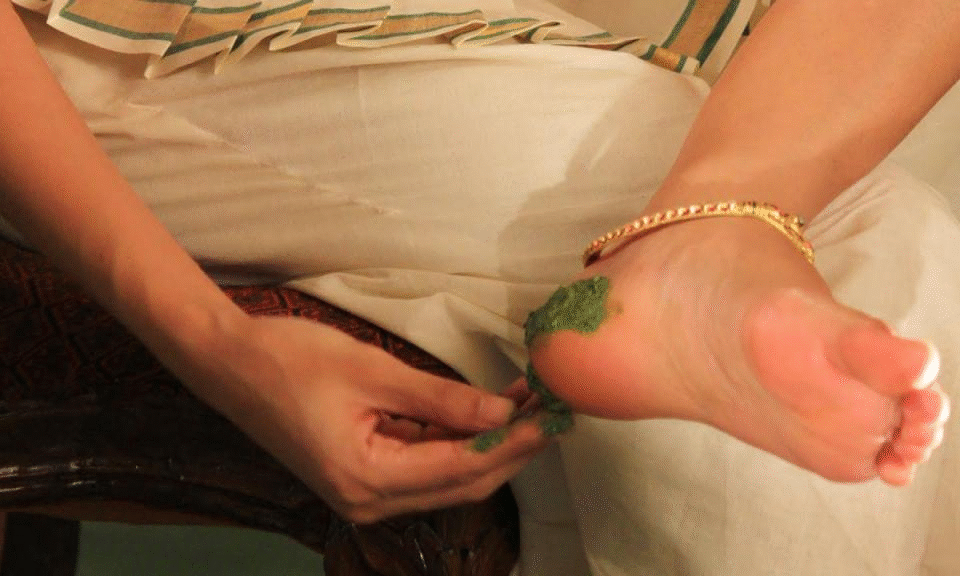
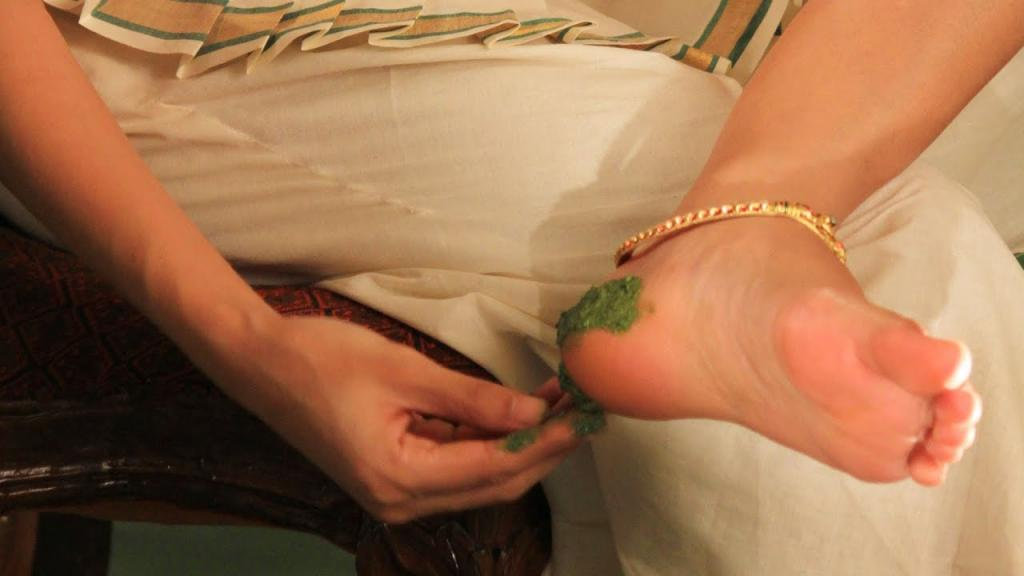
9. Dry, Cracked Heels – A Cosmetic and Comfort Issue
Dry heels can become thick, cracked, and even painful. Walking barefoot, dehydration, cold weather, or standing for long hours can trigger it.
Treatments
- Thick moisturizers or heel balms
- Pumice stone exfoliation
- Wearing socks after applying lotion
- Hydration
Severe cracks may need professional care to prevent infection.
10. Toenail Fungus – Thick, Discolored Nails
Fungal nail infections cause yellow, brittle, or thick toenails. They’re stubborn and can spread if untreated.
Treatments
- Antifungal creams or gels
- Oral antifungal medications (more effective)
- Laser treatment (depending on availability)
- Keeping feet dry and clean
Treatment may take several months because nails grow slowly.
How to Prevent Most Foot Problems
Many foot issues can be avoided with simple habits:
- Wear comfortable, supportive shoes.
- Wash and dry feet daily.
- Cut toenails straight across.
- Moisturize feet regularly.
- Avoid walking barefoot in public places.
- Replace old shoes that have worn-out soles.
- Stretch your feet and calves regularly.
- Maintain a healthy body weight to reduce foot pressure.
Final Thoughts
Healthy feet are essential for an active, comfortable life. Ignoring small foot discomfort can lead to long-term complications, so it’s important to pay attention to early signs and treat problems quickly. Whether it’s heel pain, nail issues, or fungal infections, most foot problems have simple solutions—especially when treated early. If pain doesn’t improve or gets worse, it’s always wise to see a podiatrist for proper diagnosis and personalized treatment.
5 Frequently Asked Questions (FAQs)
1. What is the most common foot problem?
Plantar fasciitis and bunions are among the most common foot conditions, especially in adults who walk or stand for long hours.
2. When should I see a doctor for foot pain?
If foot pain lasts longer than a week, becomes severe, or makes walking difficult, you should consult a podiatrist.
3. Can flat feet be cured?
Flat feet can’t always be “cured,” but symptoms can be managed with orthotics, strengthening exercises, and supportive shoes.
4. How do I prevent ingrown toenails?
Trim nails straight across, avoid cutting them too short, and wear shoes with enough toe space.
5. Is toenail fungus contagious?
Yes, toenail fungus can spread through shared surfaces, socks, shoes, and public areas like locker rooms or pools.