

Common Foot Problems and Treatments: A Complete, Easy Guide
November 14, 2025
Menopause Symptoms and Solutions: A Complete Guide
November 14, 2025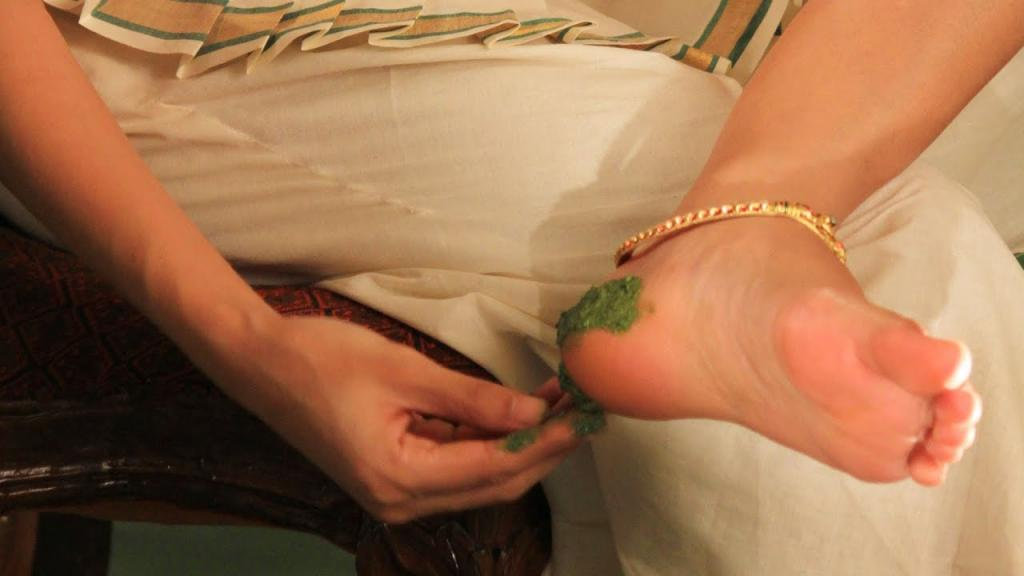
Cracked heels are one of the most common foot problems people face, especially in dry climates, during seasonal changes, or when we spend long hours on our feet. In the beginning, cracked heels might seem harmless—just a little rough skin or dryness—but if ignored, they can worsen into painful splits, bleeding cracks, and even infections. The good news is that taking care of cracked heels is simple, affordable, and highly effective when done consistently.
In this detailed, easy-to-understand guide, we’ll explore why cracked heels happen, how you can treat them at home, and what habits help prevent them in the future. Think of this as your go-to handbook for restoring soft, smooth, comfortable feet.
What Causes Cracked Heels?
Before we jump into treatment, it’s helpful to understand why cracked heels happen. Some of the most common causes include:
1. Dry Skin
When the skin around the heels becomes overly dry, it loses elasticity and becomes prone to cracking. Dry weather, indoor heating, and dehydration can all contribute.
2. Lack of Moisture
The heels bear a lot of pressure throughout the day. Without enough moisture, the skin thickens and becomes rigid, making it easier for deep cracks to form.
3. Standing for Long Hours
Jobs that require standing—teachers, retail workers, factory workers—add extra pressure to the heels, contributing to dryness and cracking.
4. Improper Footwear
Open-back shoes, sandals, or footwear with thin soles cause the heel to expand sideways, increasing the chances of splits.
5. Medical Conditions
Certain conditions such as diabetes, eczema, psoriasis, and thyroid disorders can make the skin more susceptible to cracking.
6. Poor Foot Hygiene
Infrequent exfoliation, improper cleaning, or ignoring calluses can lead to hardened heel skin.
Understanding the underlying cause helps you choose the right treatment and prevent the issue from returning.
How to Care for Cracked Heels: Step-by-Step Guide
Caring for cracked heels is not complicated—it just requires consistency. Follow these steps for soft, smooth, and healthy heels.
1. Soak Your Feet Regularly
Foot soaking is one of the easiest ways to soften the skin and remove dead skin buildup.
How to Do It:
- Fill a basin with warm water.
- Add mild soap, Epsom salt, or a few drops of essential oils like lavender or tea tree.
- Soak your feet for 10–15 minutes.
This softens hard skin, reduces inflammation, and prepares your feet for exfoliation.
2. Exfoliate Gently
Exfoliation removes dead skin and calluses, helping your moisturizer absorb better.
Methods to Exfoliate:
- Use a pumice stone to gently rub the heels.
- Try a foot file if you have thicker calluses.
- Use mild chemical exfoliators like urea (10–20%), lactic acid, or salicylic acid creams—these help dissolve dead skin without scrubbing too hard.
Important Tip:
Don’t scrub aggressively. Over-exfoliating can make the skin sensitive and worsen cracks.
3. Moisturize Deeply and Consistently
Moisturizing is the most important part of cracked heel care.
Best Moisturizers for Cracked Heels:
- Shea butter
- Coconut oil
- Petroleum jelly
- Urea cream
- Glycerin-based lotions
- Foot creams with ceramides or hyaluronic acid
How to Use:
Apply moisturizer right after bathing or soaking—when your skin is still slightly damp—to lock in hydration.
For deeper hydration, apply a thick layer of petroleum jelly at night and wear cotton socks while sleeping.
4. Treat Deep Cracks Carefully
If your heels have deep, painful cracks, they need extra care.
Home Tips:
- Use a thicker healing ointment like petroleum jelly or a urea-based cream.
- Avoid harsh scrubbing until the cracks soften.
- Keep the area clean and dry to avoid infection.
If cracks bleed, swell, or show signs of infection, you may need professional care.
5. Choose the Right Footwear
Your shoes play a big role in protecting your heels.
Do:
- Wear shoes with cushioned soles.
- Choose closed-back shoes to prevent the heel from expanding sideways.
- Use heel pads or silicone heel sleeves for protection.
Avoid:
- Hard soles
- Flip-flops
- Worn-out shoes
The right footwear can significantly reduce pressure and improve skin healing.
6. Stay Hydrated
Foot cracks often appear when the body is dehydrated. Drinking enough water helps maintain skin elasticity and prevents dryness from the inside.
Aim to drink 8–10 glasses of water daily, especially if you live in a hot or dry climate.
7. Use Home Remedies (Optional but Effective)
Some simple home remedies can support your healing process:
Honey Foot Mask
Honey has antibacterial and moisturizing properties.
Apply raw honey to your heels at night and leave it overnight under socks.
Aloe Vera Gel
Aloe helps heal cracks and soothes inflammation.
Apply before bed and let it absorb overnight.
Coconut Oil
Great for deep hydration and healing.
Warm a small amount and massage into the heels before sleeping.
8. Maintain Good Foot Hygiene
To keep your heels soft and healthy:
- Wash feet daily with mild soap.
- Dry thoroughly, especially between the toes.
- Exfoliate lightly 2–3 times a week.
- Moisturize twice daily when heels are cracked.
Good hygiene prevents bacteria from entering open cracks and encourages faster healing.
When to See a Doctor
While most cracked heels can be treated at home, seek professional care if you notice:
- Deep cracks that won’t heal
- Bleeding or severe pain
- Swelling, redness, or pus
- Cracks associated with diabetes (always check with a doctor)
- Signs of fungal infection
A podiatrist can safely remove hard skin, prescribe stronger creams, or diagnose underlying issues.
How to Prevent Cracked Heels
Once your heels heal, the next goal is to keep them smooth. Prevention is simple:
- Moisturize daily.
- Avoid walking barefoot on hard surfaces.
- Wear cushioned shoes.
- Exfoliate regularly.
- Stay hydrated.
- Avoid harsh soaps that dry the skin.
Small habits make a big difference.
Conclusion
Cracked heels are a common and often uncomfortable issue, but with the right care, they can be healed quickly and easily. Regular soaking, gentle exfoliation, and proper moisturizing can transform dry, rough heels into soft, smooth, and healthy skin. With consistent care and good daily habits, you can prevent cracks from returning and enjoy comfortable, beautiful feet all year long.
5 FAQs About Caring for Cracked Heels
1. How long does it take for cracked heels to heal?
Mild cracks can heal in 3–7 days with regular moisturizing. Deep cracks may take 2–3 weeks.
2. Is it okay to cut off dead skin?
No. Cutting dead skin can cause infections or deeper cracks. Use a pumice stone or urea cream instead.
3. Can cracked heels be a sign of a medical condition?
Yes. Conditions like diabetes, eczema, psoriasis, and thyroid issues can make cracked heels more likely.
4. Why do my heels crack even when I moisturize?
Check your footwear, hydration, and exfoliation routine. Moisturizer alone cannot remove thick dead skin.
5. Are home remedies enough to treat cracked heels?
Home remedies work for mild to moderate cracks. Severe or painful cracks may need professional treatment.