
Dentist Near Me: How to Find the Right Dentist for Your Needs
August 27, 2026
Oral Exams Near Me: How to Find the Right Dental Exam and What to Expect
August 28, 2026
Learning how to keep teeth healthy does not require a complicated routine. The most important habits are simple: brush your teeth twice a day with fluoride toothpaste, clean between your teeth every day, choose foods and drinks that are kinder to your teeth, avoid tobacco, and visit a dentist regularly. These habits help remove plaque, protect tooth enamel, lower the risk of cavities, and support healthy gums. The American Dental Association and the National Institute of Dental and Craniofacial Research both emphasize daily oral hygiene and fluoride as important parts of preventing tooth decay and gum disease.
Many people think healthy teeth are mainly about having a bright white smile. In reality, healthy teeth are about much more than appearance. Strong teeth help you chew food, speak clearly, and enjoy everyday life. Healthy gums are also important because gum disease can damage the tissues that support your teeth. Good oral care is therefore a long-term habit, not simply something you do before a special event.
If you want to know how to keep teeth healthy for many years, focus on consistency rather than perfection. You do not need dozens of expensive products. A fluoride toothpaste, a suitable toothbrush, a way to clean between your teeth, healthy food choices, and professional dental care can provide a strong foundation.
What Does It Mean to Have Healthy Teeth?
Healthy teeth should be free from untreated cavities, significant damage, and persistent pain. Healthy gums generally should not be constantly swollen, tender, or bleeding.
Good oral health also means being able to eat and speak comfortably.
Some basic signs of good oral health include:
- Teeth that are clean and well cared for
- Gums that look healthy
- No ongoing tooth pain
- No unexplained swelling
- No persistent bad breath caused by an untreated dental problem
- No untreated cavities
- Comfortable chewing
- Regular professional dental care
It is important to remember that some dental problems may not cause obvious symptoms in the beginning. This is one reason routine dental examinations can be valuable.
How to Keep Teeth Healthy Every Day
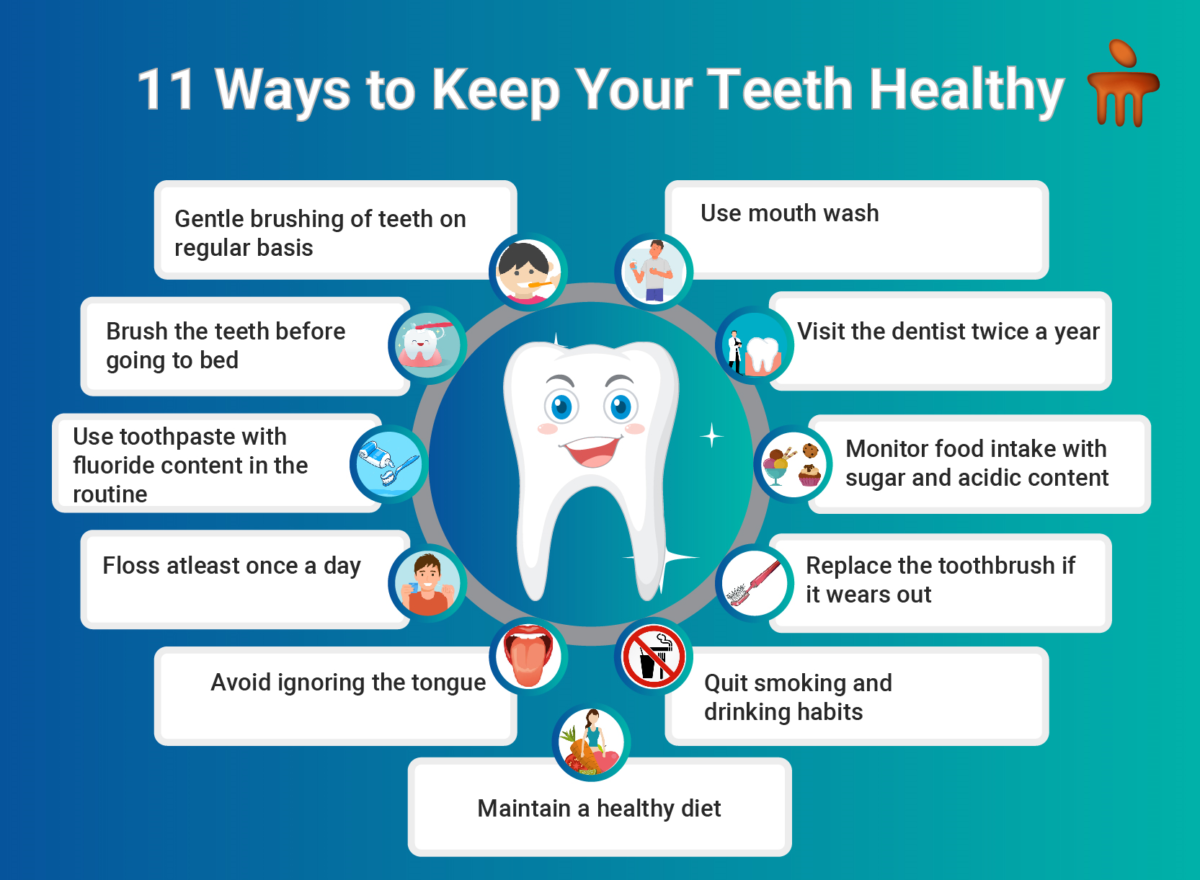
The simplest answer to how to keep teeth healthy is to build a reliable daily routine.
Your routine should include:
- Brush twice a day with fluoride toothpaste.
- Brush for about two minutes each time.
- Clean between your teeth every day.
- Limit frequent sugary foods and drinks.
- Drink water regularly.
- Avoid tobacco products.
- Protect your teeth from injuries.
- Visit your dentist regularly.
The ADA recommends brushing twice daily for two minutes with fluoride toothpaste and cleaning between teeth daily.
The important part is consistency. Brushing once in a while or flossing only when food gets stuck is not the same as having a daily oral care routine.
Why Brushing Your Teeth Matters
Brushing removes plaque from the surfaces of your teeth.
Plaque is a sticky film containing bacteria. When plaque remains on teeth, it can contribute to tooth decay and gum disease. If plaque is not removed, it can eventually harden into tartar, which cannot be removed effectively with ordinary brushing alone.
Regular brushing helps interrupt this process.
For most people, a simple goal is:
- Brush in the morning.
- Brush before going to bed.
- Use fluoride toothpaste.
- Brush for about two minutes.
- Clean all tooth surfaces.
- Brush gently rather than aggressively.
How to Brush Your Teeth Correctly
Good brushing is about technique, not force.
Place the toothbrush near the gumline and use gentle, short movements. Clean the outside, inside, and chewing surfaces of your teeth.
Do not scrub aggressively.
Hard brushing can irritate the gums and may contribute to wear around the teeth in some people.
The NIDCR recommends gently brushing with attention to the gumline and all sides of the teeth.
A simple brushing routine can look like this:
- Start on the outside surfaces.
- Move to the inside surfaces.
- Clean the chewing surfaces.
- Gently clean along the gumline.
- Brush the tongue.
- Spit out the toothpaste after brushing.
Why Fluoride Is Important for Healthy Teeth
Fluoride is one of the most important ingredients to understand when learning how to keep teeth healthy.
Fluoride is a naturally occurring mineral that helps protect tooth enamel from decay. It can strengthen enamel and help reverse or stop some early tooth decay before a cavity develops.
This is why fluoride toothpaste is recommended for most people.
Fluoride may also be available through fluoridated community water and certain professional dental treatments.
If you have a high risk of cavities, your dentist may recommend additional fluoride treatment.
Is Fluoride Toothpaste Better Than Non-Fluoride Toothpaste?
For preventing cavities, fluoride toothpaste has an important advantage because fluoride helps protect and strengthen tooth enamel.
When choosing toothpaste, look for one that contains fluoride.
There are many toothpaste varieties for different needs, including products designed for sensitive teeth, whitening, gum care, or other concerns. However, the basic cavity-protection benefit of fluoride remains important.
If you are unsure which toothpaste is right for you, ask your dentist.
How Often Should You Floss?
Cleaning between your teeth once a day is an important part of a good oral hygiene routine.
A toothbrush cannot effectively reach every area between tightly positioned teeth. Plaque and food particles can remain in these spaces.
You can use:
- Traditional dental floss
- Dental tape
- Interdental brushes
- Water flossers
- Other interdental cleaners recommended by a dental professional
The ADA explains that interdental cleaning helps remove plaque and debris from areas a toothbrush cannot easily reach.
The best tool is often the one you can use correctly and consistently.
How to Floss Without Hurting Your Gums
Floss should be used gently.
Do not force it aggressively into the gums. Carefully guide the floss between the teeth and curve it around the side of each tooth.
The goal is to clean the tooth surfaces near and below the gumline without damaging the tissue.
If your gums bleed when you begin cleaning between your teeth, do not automatically assume that flossing is causing a problem. Plaque-related gum inflammation can cause bleeding. If bleeding continues or is frequent, talk with a dental professional.
Can You Use a Water Flosser Instead?
A water flosser can be an option for cleaning between teeth.
Some people find water flossers easier to use than traditional floss. Others prefer interdental brushes or regular floss.
The important question is whether the method allows you to clean effectively and consistently.
The ADA recognizes water flossers and other interdental cleaners as options for cleaning between teeth.
If you have braces, dental bridges, implants, large spaces between teeth, or other dental work, your dentist or hygienist can recommend the most suitable method.
Do You Need to Brush Hard to Get Cleaner Teeth?
No.
More pressure does not automatically mean cleaner teeth.
A gentle technique can remove plaque while being kinder to your gums and tooth surfaces.
Think of brushing as cleaning rather than scrubbing.
Use a soft-bristled toothbrush and focus on reaching all areas of your mouth.
Manual vs. Electric Toothbrushes
Both manual and powered toothbrushes can be effective when used properly.
Some people prefer an electric toothbrush because it may make it easier to brush for the recommended amount of time. Some powered toothbrushes also include built-in timers.
Other people prefer a manual toothbrush because it is inexpensive, simple, and portable.
The ADA notes that both manual and powered toothbrushes can effectively remove plaque when used appropriately.
The best toothbrush is one you can use correctly and regularly.
Choose a Soft-Bristled Toothbrush
A soft-bristled toothbrush is generally a good choice for everyday brushing.
You should also choose a brush that fits comfortably in your mouth and allows you to reach difficult areas.
Replace your toothbrush or toothbrush head when the bristles become worn.
A worn toothbrush may not clean as effectively.
How Often Should You Replace Your Toothbrush?
There is no reason to keep using a toothbrush with badly worn bristles.
Check the condition of your toothbrush regularly.
Replace it when the bristles become damaged or worn, or follow the replacement schedule recommended by the manufacturer or your dental professional.
Children may need toothbrushes replaced more often if they chew on the bristles.
How Diet Affects Tooth Health
Your eating pattern can affect your teeth.
Bacteria in dental plaque can use sugars to produce acids. These acids can damage tooth enamel and contribute to tooth decay.
This does not mean you can never eat dessert.
The bigger issue is frequent exposure to sugary foods and drinks.
A practical approach is to reduce how often your teeth are exposed to sugar throughout the day.
Consider:
- Drinking water instead of sugary beverages more often
- Limiting frequent candy or sweet snacks
- Choosing nutritious meals
- Avoiding constant grazing throughout the day
- Eating a balanced diet
NIDCR recommends limiting sugary foods and drinks and choosing nutritious, balanced meals as part of preventing tooth decay.
Why Sugary Drinks Can Be a Problem
Soda, sweetened coffee drinks, energy drinks, sports drinks, sweet tea, and other sugary beverages can expose teeth to sugar.
Some beverages are also acidic, which can contribute to enamel erosion.
You do not have to completely eliminate every drink you enjoy.
Instead, consider making water your main everyday beverage and treating sugary drinks as occasional choices.
Is Fruit Bad for Your Teeth?
No.
Whole fruit provides important nutrients and can be part of a healthy diet.
The concern is not that fruit is automatically harmful to teeth. The bigger issue is frequent exposure to sugars and acids, especially when consuming sweet foods and drinks repeatedly throughout the day.
Whole fruit is generally a better everyday choice than constantly drinking sugary beverages.
What Are the Best Foods for Healthy Teeth?
A balanced diet supports overall health, including oral health.
Useful choices can include:
- Vegetables
- Whole fruits
- Plain dairy foods when appropriate
- Lean proteins
- Whole grains
- Nuts and seeds
- Water
The goal is not to find one magical food that makes teeth healthy.
A better strategy is to build an overall eating pattern that provides nutrients while limiting frequent exposure to added sugars.
Why Water Is a Good Choice for Teeth
Water is a simple choice for staying hydrated without adding sugar.
In communities with appropriately fluoridated public water, tap water can also provide fluoride that helps prevent tooth decay.
However, fluoride levels vary depending on the water source.
If you mostly drink bottled water and are concerned about fluoride exposure, ask your dentist or local water provider about your specific situation.
What About Sugar-Free Gum?
Sugar-free chewing gum can be useful for some people.
Chewing gum stimulates saliva production, and saliva helps protect the mouth.
Sugar-free gum is different from regular sugary gum because it does not provide the same sugar exposure to plaque bacteria.
However, gum should not replace brushing, fluoride toothpaste, or cleaning between teeth.
Think of it as an optional addition to good oral care rather than a substitute for the basics.
How to Prevent Cavities
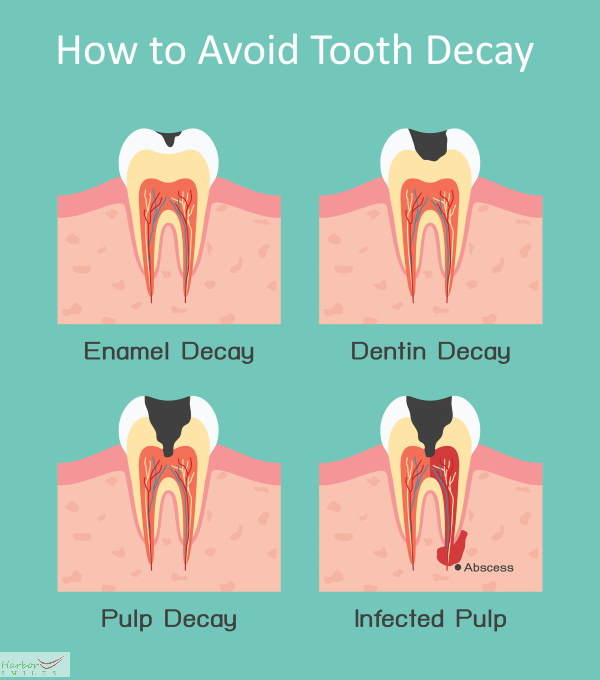
Cavities develop when acids produced by bacteria damage tooth enamel over time.
Several habits can reduce the risk.
- Brush twice daily with fluoride toothpaste.
- Clean between teeth daily.
- Limit frequent sugary snacks and drinks.
- Drink water.
- Get regular dental care.
- Use additional fluoride products if recommended.
Early tooth decay can sometimes be stopped or reversed with fluoride before a permanent cavity develops. Once a significant cavity forms, professional dental treatment may be needed.
Why Gum Health Matters
Healthy teeth need healthy supporting tissues.
Gum disease begins when plaque builds up around the teeth and irritates the gums. Early gum disease is called gingivitis.
Signs can include:
- Red gums
- Swollen gums
- Tender gums
- Bleeding during brushing
- Bleeding during interdental cleaning
If plaque remains and disease progresses, more serious periodontal disease can develop.
NIDCR recommends brushing twice daily, cleaning between teeth, regular dental visits, and avoiding tobacco to help protect teeth and gums.
Is Bleeding When Flossing Normal?
Occasional bleeding can happen when gums are inflamed, especially if you have not been cleaning between your teeth regularly.
However, persistent or frequent bleeding should not simply be ignored.
Bleeding gums can be a sign of gum inflammation or disease.
A dentist or dental hygienist can examine your gums and determine what is happening.
How Tobacco Affects Your Teeth and Gums
Tobacco use can seriously affect oral health.
Smoking and smokeless tobacco are associated with oral health problems, including gum disease and other serious conditions.
If you use tobacco, quitting is one of the most valuable steps you can take for your overall health.
NIDCR specifically recommends quitting tobacco as part of protecting healthy teeth and gums.
What About Vaping?
Vaping is not a reason to ignore oral health.
People who use vaping products should discuss their oral health habits with a dental professional.
If you are trying to stop using nicotine, consider speaking with a healthcare professional about evidence-based quitting support.
Why Regular Dental Visits Matter
Even an excellent home routine cannot replace professional dental care.
A dentist can identify problems that you may not notice yourself.
Professional dental care can help detect:
- Cavities
- Gum disease
- Damaged teeth
- Tooth wear
- Dental infections
- Other oral health concerns
Professional cleaning can also remove tartar that cannot be removed through normal brushing and flossing.
How Often Should You See a Dentist?
There is no universal schedule that works perfectly for everyone.
Your dentist may recommend visits based on your individual risk.
People with a history of cavities, gum disease, dry mouth, certain medications, or other risk factors may need more frequent care.
The most useful approach is to follow the schedule recommended by your dental professional rather than assuming everyone needs exactly the same number of visits.
Dry Mouth and Healthy Teeth
Saliva plays an important role in protecting your mouth.
Dry mouth can increase the risk of tooth decay because there may be less saliva available to help protect teeth.
Some medications and health conditions can contribute to dry mouth.
If your mouth often feels unusually dry, tell your dentist or healthcare professional.
Do not stop prescribed medication simply because you think it is causing dry mouth. Instead, ask a healthcare professional about possible solutions.
Protect Your Teeth From Injury
Healthy teeth can still be damaged by accidents.
If you participate in contact sports or activities where your mouth could be injured, ask your dentist about an appropriate mouthguard.
A properly fitted mouthguard can help protect teeth and oral tissues during certain physical activities.
Do not use your teeth as tools to open packages, cut objects, or hold hard items.
That habit can cause chips or cracks.
Teeth Grinding and Clenching
Some people grind or clench their teeth, particularly during sleep.
Over time, this may contribute to tooth wear, sensitivity, jaw discomfort, or other problems.
If you regularly wake with jaw pain, headaches, tooth sensitivity, or signs of tooth wear, discuss the symptoms with a dentist.
A dental professional can determine whether grinding or clenching may be contributing to the problem.
How to Keep Children’s Teeth Healthy
Children need oral care from the beginning.
Parents and caregivers should help children develop good brushing habits and supervise brushing when needed.
For young children, the amount of fluoride toothpaste should be appropriate for their age.
ADA guidance recommends a small smear of fluoride toothpaste for children younger than 3 and a pea-sized amount for children ages 3 to 6, with adult supervision.
Parents should follow advice from their child’s dentist or healthcare professional.
How to Keep Baby Teeth Healthy
Baby teeth matter.
They help children chew, speak, and maintain space for developing permanent teeth.
Cavities in baby teeth can cause pain and other problems.
Parents should begin appropriate oral hygiene early and arrange dental care based on professional recommendations.
Avoid putting a child to bed with a bottle containing sugary liquids.
Healthy Teeth During Pregnancy
Pregnancy can bring changes to the mouth.
Some people experience increased gum sensitivity or bleeding.
Hormonal changes can affect gum tissues, while changes in eating patterns or oral hygiene can also influence cavity risk.
Pregnant patients should continue caring for their teeth and gums and discuss dental care with their dentist.
If you are pregnant and have dental pain, swelling, or other concerns, do not simply ignore the problem.
Oral Health and Overall Health
Your mouth is part of your body.
Good oral health supports basic activities such as eating, speaking, and smiling.
Some health conditions can also affect oral health. For example, diabetes can increase the risk of gum problems.
This is another reason to tell your dentist about important health conditions and medications.
Dental care works best when your oral health and overall health are considered together.
Common Mistakes That Can Damage Teeth
Sometimes people work hard to care for their teeth but use habits that are not helpful.
Common mistakes include:
- Brushing too aggressively
- Skipping nighttime brushing
- Cleaning between teeth only occasionally
- Drinking sugary beverages throughout the day
- Ignoring bleeding gums
- Delaying dental care because there is no pain
- Using tobacco
- Using teeth as tools
- Ignoring persistent tooth sensitivity
- Assuming whitening products can replace dental care
The solution is usually not more products.
The solution is better habits.
Do Whitening Products Keep Teeth Healthy?
Teeth whitening is mainly a cosmetic goal.
Whitening products may make teeth look brighter, but whitening is not the same as preventing cavities or gum disease.
If you are considering whitening, especially if you have tooth sensitivity, cavities, gum disease, crowns, fillings, or other dental work, ask your dentist first.
Not every discoloration can be corrected through ordinary whitening.
Is Mouthwash Necessary?
Mouthwash can be useful for some people, but it is not a replacement for brushing and cleaning between teeth.
The ADA describes mouthwash as a potentially helpful addition to a daily oral care routine.
Some people may benefit from specific mouth rinses based on their dental risk.
If your dentist recommends a fluoride or antimicrobial rinse, follow the directions carefully.
What Should You Look for in Oral Care Products?
You do not need a bathroom full of dental products.
A basic routine can be built around:
- Fluoride toothpaste
- Soft-bristled toothbrush
- Dental floss or another interdental cleaner
- Water
Additional products may be useful depending on your needs.
If you have difficulty choosing among many products, look for products with the ADA Seal of Acceptance when available and ask your dental professional for personalized advice. The ADA evaluates products submitted for its Seal based on safety and effectiveness requirements.
A Simple Morning Dental Routine
A practical morning routine can be very short.
- Brush for two minutes with fluoride toothpaste.
- Clean your tongue gently.
- Spit after brushing.
- Drink water.
- Eat a balanced breakfast.
- Avoid constantly sipping sugary drinks.
You do not need to make your routine complicated.
A Simple Nighttime Dental Routine
Nighttime care is especially important because there is a long period when you are not eating or drinking.
Before bed:
- Clean between your teeth.
- Brush for about two minutes.
- Use fluoride toothpaste.
- Clean all tooth surfaces.
- Avoid eating afterward unless necessary.
The goal is to go to sleep with your teeth and gums as clean as possible.
A Simple Daily Plan for Healthy Teeth
If you want a routine that is easy to remember, use this basic plan:
Morning:
- Brush with fluoride toothpaste for two minutes.
- Drink water.
- Eat a balanced meal.
During the day:
- Choose water often.
- Limit sugary drinks.
- Eat nutritious foods.
- Avoid tobacco.
- Protect your teeth from injury.
Evening:
- Clean between your teeth.
- Brush with fluoride toothpaste for two minutes.
- Check for unusual pain or changes.
- Follow your dentist’s recommendations.
How to Keep Teeth Healthy When You Are Busy
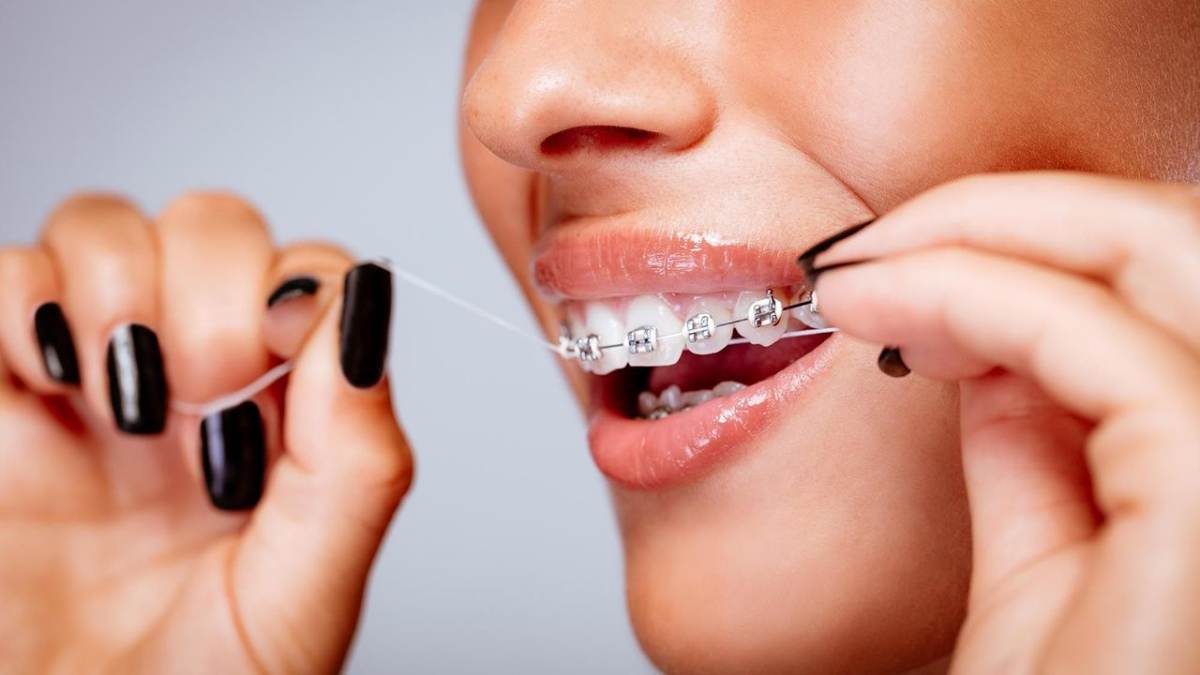
A busy lifestyle can make dental care easy to forget, but a simple routine can help. Keep your toothbrush and fluoride toothpaste somewhere visible, set reminders if needed, and keep floss or another interdental cleaner nearby. If you travel often, carry a small dental care kit with you. The key is to make healthy habits simple and convenient so you can maintain them even on your busiest days.
- Brush twice a day.
- Clean between your teeth daily.
- Keep dental products easy to reach.
- Carry a dental kit when traveling.
- Use reminders to stay consistent.
What to Do If You Miss a Day
Do not give up.
Missing one brushing session does not mean your entire routine has failed.
Simply return to your normal routine.
Long-term consistency matters much more than trying to be perfect every day.
When Should You See a Dentist Quickly?
Contact a dental professional if you develop:
- Severe tooth pain
- Facial or mouth swelling
- A broken tooth
- A knocked-out permanent tooth
- Persistent bleeding
- Signs of infection
- Significant sensitivity that does not improve
- A painful or swollen gum
- A dental problem that is getting worse
Do not wait for a minor problem to become a major one.
The Biggest Lesson About Healthy Teeth
The biggest lesson about how to keep teeth healthy is simple: there is no magic product or quick fix. Strong teeth and healthy gums come from everyday habits practiced consistently. You do not need expensive dental products or complicated supplements. Focus on brushing with fluoride toothpaste, cleaning between your teeth, limiting frequent sugar, protecting your gums and enamel, and getting regular dental care. Simple habits done every day are usually more valuable than searching for a “miracle” solution.
Final Thoughts
Knowing how to keep teeth healthy is really about building simple habits that you can maintain for years. Brush twice a day with fluoride toothpaste, clean between your teeth every day, choose water and nutritious foods more often, limit frequent sugary drinks and snacks, avoid tobacco, protect your teeth from injuries, and visit your dentist according to your individual needs. These habits may seem basic, but their value comes from doing them consistently.
Healthy teeth are not only about having a beautiful smile. They help you eat, speak, and enjoy everyday life. If you notice pain, swelling, persistent bleeding, or another unusual change, seek professional dental advice rather than trying to manage the problem indefinitely at home.
Frequently Asked Questions
What is the most important habit for keeping teeth healthy?
Brushing twice a day with fluoride toothpaste is one of the most important daily habits. Cleaning between your teeth every day and receiving regular dental care are also important parts of maintaining oral health.
Can healthy teeth become damaged even if I brush every day?
Yes. Brushing is important, but it does not eliminate every risk. Frequent sugary drinks, tobacco use, poor interdental cleaning, grinding, injuries, dry mouth, and other factors can affect oral health. Regular dental care helps identify problems that may not be obvious at home.
Is it possible to have a dental problem without tooth pain?
Yes. Some dental problems can develop before noticeable pain occurs. This is one reason routine dental examinations can be useful, even when your teeth seem fine.
What should I do if my teeth are naturally yellow?
Natural tooth color varies from person to person. Teeth do not have to be bright white to be healthy. If you are concerned about discoloration, talk with a dentist before using whitening products because the cause of the discoloration can affect which treatment is appropriate.
What is the easiest way to start improving my oral health?
Start with the basics. Brush twice a day with fluoride toothpaste, clean between your teeth once a day, drink water more often instead of sugary drinks, avoid tobacco, and schedule a dental appointment if you are overdue. Small improvements that become daily habits can be more valuable than a complicated routine you cannot maintain.