

Where Can I Find Dental Offices Hiring Near Me and Get Hired?
September 3, 2026
What Is a DMD Dentist Meaning? A Simple and Complete Guide for US Patients
September 4, 2026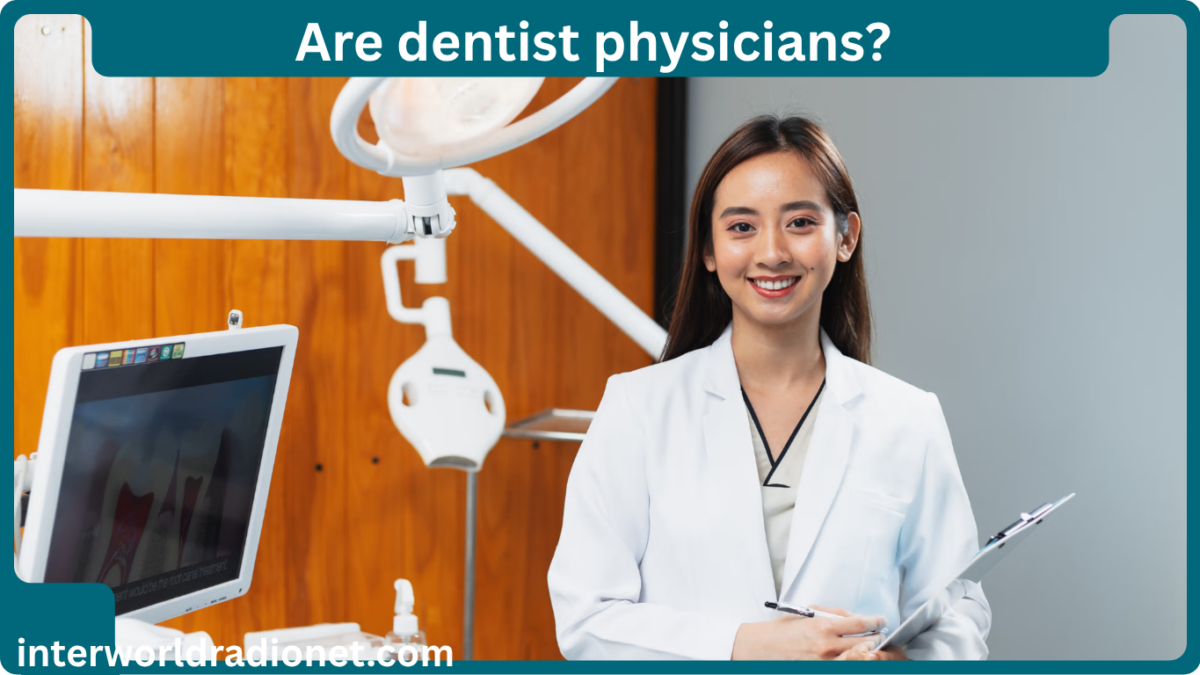
Are dentists physicians? This is one of the most common questions people ask when they visit a dental office. You sit in the chair, and your dentist introduces themselves as “Doctor.” You may wonder what kind of doctor they are. Are they the same as your family doctor? Do they go to medical school? Can they treat the whole body, or just your teeth and mouth?
These are fair questions. The answer matters because your health is personal. You want to know who is caring for you and what kind of training they have. In this article, we will look closely at the question, “are dentists physicians?” We will keep the language simple and clear. By the end, you will know exactly what a dentist is, what a physician is, and how the two are different yet connected.
We will also explore related questions many people have. Are dentists doctors? Are dentists real doctors? What is the difference between a dentist and a physician? How does dental training compare to medical training? Where do dentistry and medicine overlap? And why does this matter for your everyday health?
Let us start by looking at the simple, direct answer.
The Short Answer: Are Dentists Physicians?
The short answer is no, dentists are not physicians in the usual sense. Dentists are doctors, but they are doctors of dentistry, not doctors of medicine. A physician is someone who earns a medical degree (MD or DO) and is trained to care for the whole body. A dentist earns a dental degree (DDS or DMD) and is trained to care for your mouth, teeth, gums, and jaws.
So when people ask, “are dentists physicians?” the clearest reply is this: dentists are doctors of oral health, not physicians of general medicine. They are highly educated and licensed health care providers, but their focus and their degree are different from those of a medical doctor.
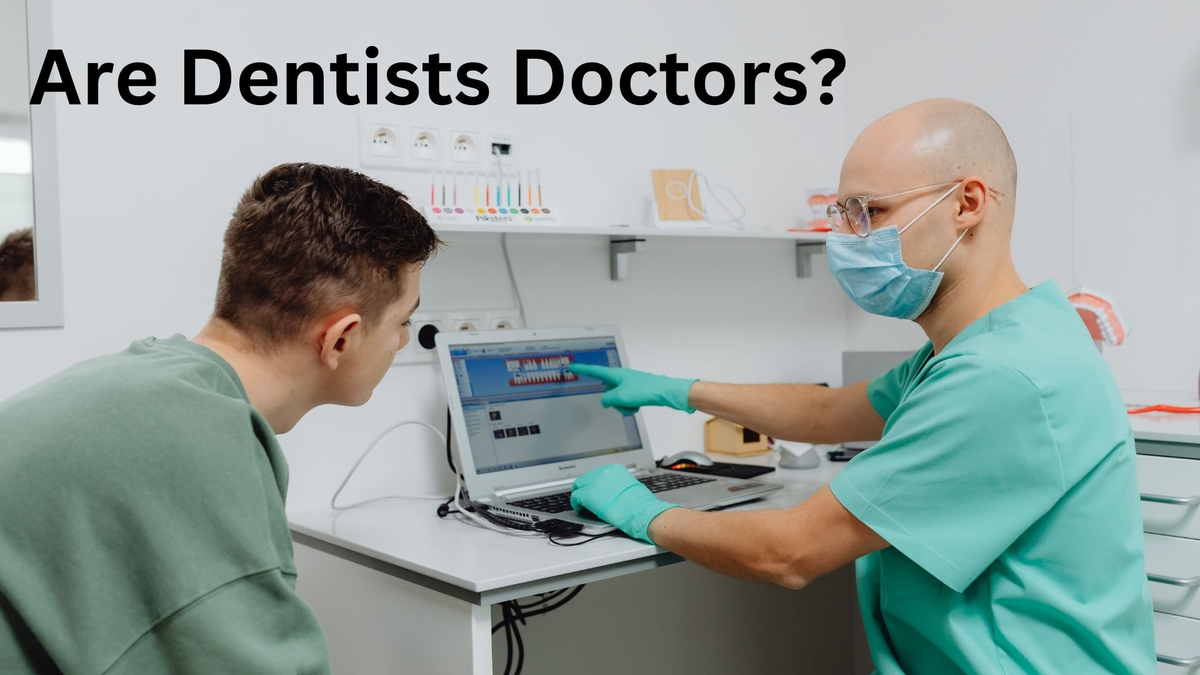
This does not make dentists any less important. Your mouth is deeply connected to the rest of your body. Dentists play a vital role in your total health. But the words “dentist” and “physician” point to two different paths in health care.
Also read:Where Can I Find Dental Offices Hiring Near Me and Get Hired?
What Does the Word “Physician” Really Mean?
The Common Use of “Physician” in the United States
In the United States, the word “physician” usually means a medical doctor. This is a person who went to medical school and earned an MD (Doctor of Medicine) or a DO (Doctor of Osteopathic Medicine). A physician is trained to diagnose and treat diseases across the entire body. They can prescribe a wide range of medicines, perform medical procedures, and admit patients to hospitals.
When you visit your primary care doctor, a cardiologist, or a pediatrician, you are seeing a physician. These professionals completed medical school, a residency program, and passed medical licensing exams. Their training covers the whole human body and all of its systems.
Why the Title “Doctor” Can Cause Confusion
The confusion starts because both dentists and physicians use the title “Doctor.” When your dentist says, “Hello, I am Dr. Smith,” they are using a real, earned title. Dentists earn a doctoral degree. But the title “Doctor” does not always mean “physician.” A PhD holder in history is also called “Doctor.” A pharmacist with a PharmD is called “Doctor.” The word “doctor” means someone who holds a doctoral-level degree. The word “physician” is more specific. It refers to a medical doctor.
So, are dentists physicians? No. Are dentists doctors? Yes. This is the key difference, and it explains a lot of the confusion.
What Kind of Doctor Is a Dentist?
Dental Degrees: DDS and DMD
Dentists in the United States earn one of two dental degrees. The first is the DDS, which stands for Doctor of Dental Surgery. The second is the DMD, which stands for Doctor of Medicine in Dentistry or Doctor of Dental Medicine. Both degrees mean the same thing. They require the same education. They lead to the same license to practice dentistry.
The only reason two different names exist is history. Some dental schools chose one name, and other schools chose the other. A dentist with a DDS and a dentist with a DMD have the same training, the same skills, and the same legal standing. When you ask, “are dentists physicians?” knowing about these degrees helps. Neither a DDS nor a DMD is a medical degree. They are dental degrees.
How Long Dental School Takes
Dental school usually takes four years to complete after a bachelor’s degree. During those four years, dental students study the mouth, teeth, gums, jaw, face, and related structures. They learn about oral diseases, dental materials, surgery of the mouth, and much more. They also study general medical subjects like anatomy, physiology, and pharmacology, but the focus is on the head, neck, and oral cavity.
After dental school, dentists must pass national board exams and get a state license. Some dentists go on to do extra training in specialties like orthodontics, periodontics, or oral surgery.
Dentist vs Physician: How the Training Compares
Medical School Training
Physicians go to medical school, which also takes about four years after a bachelor’s degree. Medical students study the entire body. They learn about every organ system, every type of disease, and how the body works as a whole. They rotate through many departments, like internal medicine, surgery, pediatrics, and psychiatry.
After medical school, physicians complete a residency. This is several more years of hands-on training in their chosen field. A family doctor may do three years of residency. A surgeon may do five or more.
Dental School Training
Dental students focus on a smaller but very important area of the body. Their four years of dental school cover the mouth, teeth, gums, jaws, face, and neck. They learn to fill cavities, place crowns, extract teeth, treat gum disease, straighten teeth, and do oral surgery. They also learn how to manage pain and infections in the mouth.
Dentists do learn about the whole body, too, because general health affects oral health. But their deep training is in oral health. When we ask, “are dentists physicians?” the training shows us the line. Dental school is not medical school. The paths are separate from the start.
A Side-by-Side Look
Here is a simple comparison:
- A physician earns an MD or DO. A dentist earns a DDS or DMD.
- A physician goes to medical school. A dentist goes to dental school.
- A physician trains for the whole body. A dentist trains for the mouth, teeth, gums, and jaws.
- A physician does a medical residency. A dentist may do a dental residency or go straight into practice.
- Both must pass national exams and get a state license.
This is the heart of the dentist vs physician question. They are both real doctors with real, hard-earned training. But their degrees and scope are different.
Are Dentists Real Doctors?
Understanding the Title “Doctor”
Yes, dentists are real doctors. They hold a doctoral degree, which is the highest level of education in their field. The degree is earned through years of difficult study and clinical work. Dentists must pass tough national board exams. They must be licensed by the state. They are regulated health care providers.
When someone says, “dentists are not real doctors,” they are usually mixing up two words. They are thinking “doctor” only means “medical doctor.” That is not true. There are many types of doctors. Dentists are doctors of dental medicine or dental surgery.
The Legal and Professional Standing of Dentists
In the eyes of the law, dentists are licensed professionals with the right to use the title “Doctor.” Hospitals, insurance companies, and government agencies all treat dentists as doctors. Dentists can diagnose conditions, create treatment plans, perform surgery, and prescribe certain medicines.
So when friends or family ask you, “are dentists real doctors?” you can say yes with confidence. They are real doctors of oral health. They are just not medical physicians.
The Scope of Practice: What a Dentist Can and Cannot Do
What Dentists Do Every Day
Dentists diagnose and treat problems of the mouth, teeth, gums, and jaws. They fill cavities. They place crowns and bridges. They extract teeth. They treat gum disease. They straighten teeth with braces or aligners. They place dental implants. They screen for oral cancer. They teach patients how to keep their mouths healthy.
Dentists can also prescribe medicines. This includes antibiotics for infections and pain medicine after a procedure. They can give local anesthesia and sedation for dental work.
What Dentists Usually Do Not Do
Dentists do not treat diseases outside the mouth. They do not manage diabetes, heart disease, or high blood pressure. They do not set broken bones or treat infections in other parts of the body. If a dentist spots a health problem that is not related to the mouth, they will refer you to a physician.
This is why the question, “are dentists physicians?” has a clear answer. A dentist’s scope of practice is focused on the oral cavity. A physician’s scope covers the whole body. They are partners in care, not the same role.
Where Dentistry and Medicine Overlap
The Mouth-Body Connection
This is where things get interesting. The mouth is part of the body. What happens in the mouth can affect the rest of the body. Research shows links between gum disease and several serious health conditions. These include heart disease, diabetes, and problems in pregnancy.
For example, people with diabetes are more likely to have gum disease. At the same time, gum disease can make it harder to control blood sugar. This back-and-forth shows how oral health and general health are connected.
Because of this connection, dentists need to understand general health. They ask about your medical history. They check your blood pressure. They watch for signs of diseases that show up in the mouth. In this way, dentists are part of your overall health team.
Why Dentists Study the Whole Body
Dental students study more than just teeth. They learn anatomy, which covers the whole body. They study how medicines work, how infections spread, and how diseases affect the body. They learn about medical emergencies because a medical problem can happen right in the dental chair.
Dentists also need to know how general health affects dental treatment. A patient on blood thinners may need special care before a tooth extraction. A patient with a heart valve problem may need antibiotics before dental work. This is where dental knowledge and medical knowledge meet.
What Is an Oral and Maxillofacial Surgeon?
There is one group of dental professionals who come closest to being both dentists and physicians. These are oral and maxillofacial surgeons, often called OMFS. They perform complex surgery of the mouth, face, and jaws. They remove wisdom teeth, fix broken jaws, place implants, and treat oral cancer.
The Unique Training of Oral Surgeons
Oral surgeons start as dentists. They finish dental school first. Then they enter a hospital-based surgical residency program that can last four to six years. During this time, they train alongside medical doctors. In many programs, oral surgeons also earn a medical degree (MD) as part of their training.
This is one of the few paths where a dental professional also becomes a physician. So, if someone asks, “are dentists physicians?” and they are talking about an oral and maxillofacial surgeon with an MD, the answer can be yes for that specific person. This is a special case, and it shows that the lines can blur.
Other Dual-Degree and Special Paths
Besides oral surgeons, there are other areas where dentistry and medicine meet. Oral medicine is a specialty that deals with diseases of the mouth that are linked to general health. Some dentists in this field have extra medical training. There are also dental anesthesiologists who are experts in sedation and pain control. In rare cases, a person may hold both a DDS and an MD.
These paths are not the norm. Most dentists have a dental degree only and are not physicians. But these special paths show that the worlds of dentistry and medicine can and do connect.
How Dentists and Physicians Work Together
Team-Based Care for Better Health
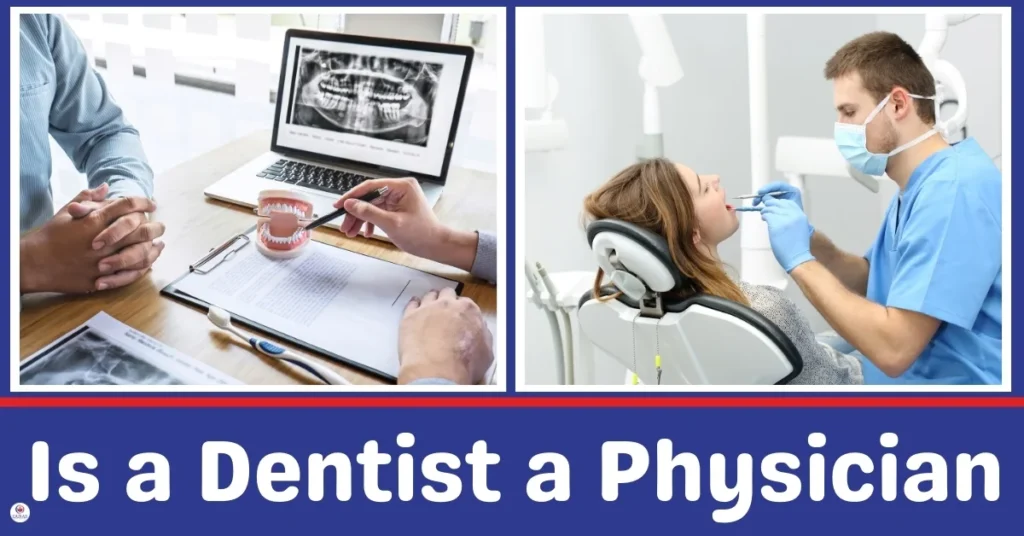
Good health care is a team effort. Your dentist and your physician share a common goal: keeping you healthy. They often work together, even if you do not see it.
For example, if your dentist notices that your gums are bleeding a lot and are slow to heal, they might suspect diabetes. They will suggest you see your physician for a blood sugar test. If your physician is treating you for a heart condition, they may ask about your dental health because some heart patients need antibiotics before dental work.
Real-World Examples of Dentist-Physician Collaboration
Here are some ways dentists and physicians team up:
- A dentist spots signs of oral cancer and refers the patient to a physician for a biopsy and treatment.
- A physician sends a patient with a jaw problem to a dentist for evaluation.
- Before major surgery, a physician may ask for a dental clearance to make sure the patient has no mouth infection that could cause problems.
- A pregnant patient’s dentist and obstetrician coordinate care to keep both mother and baby healthy.
This teamwork is a big part of modern health care. It shows that while dentists are not physicians, they are essential partners in whole-body health.
Also read:What Is Oral Pathology? Causes, Conditions, Diagnosis, and Treatment
Common Myths About Dentists and Physicians
Myth 1: Dentists Are Not Real Doctors
We already covered this, but it is worth repeating. Dentists are real doctors. They have a doctoral degree. They are licensed by the state. They pass national exams. Calling a dentist “Doctor” is correct and respectful.
Myth 2: Dentists Just Fix Teeth
Some people think dentists only clean and fix teeth. This is far from the truth. Dentists are trained to spot many health problems. They screen for oral cancer. They can see signs of acid reflux, eating disorders, and even stress in the mouth. They manage infections and facial pain. Dentists are primary care providers for the mouth, and the mouth tells a story about the whole body.
Myth 3: Dental School Is Easier Than Medical School
Both dental school and medical school are extremely hard. Both take about four years of intense study after a bachelor’s degree. Both have tough board exams. The subjects are different, but the difficulty is real in both. Dental students spend long hours in class and in hands-on clinical training. A dentist’s education is every bit as serious as a physician’s, just focused on a different part of the body.
Myth 4: You Only Need a Dentist for Tooth Pain
Your mouth is the gateway to your body. You do not wait for pain to see a physician for a checkup, and you should not wait for pain to see a dentist. Regular dental visits help prevent problems before they start. They also catch early signs of disease, sometimes before you feel anything at all.
Why This Matters for You as a Patient
Knowing Who to See and When
Understanding the difference between a dentist and a physician helps you make smart choices. If you have a toothache, see your dentist. If you have chest pain, see your physician or go to the emergency room. If you have a sore that will not heal in your mouth, start with your dentist, who may send you to a physician.
When you know what each professional does, you get better care. You save time. You avoid confusion. You build a stronger relationship with your whole health care team.
The Importance of Telling Your Dentist About Your Health
One of the most important things you can do is tell your dentist about your full medical history. Share your list of medicines. Tell them about any long-term conditions, like diabetes or heart disease. Tell them if you are pregnant or if you have allergies.
This is not just paperwork. It changes your care. For example, some common dental medicines can interact with your prescriptions. Some conditions mean you need special steps before dental work. Your dentist is a doctor who uses this information to keep you safe.
The History Behind the Split
How Dentistry and Medicine Grew Apart
The split between dentistry and medicine has deep roots. In the past, barbers and tooth-drawlers did much of the dental work. Over time, dentistry became its own science. The first dental school in the world opened in Baltimore in 1840. This was a big step. It set dentistry on its own path, separate from medical schools.
Because dentistry grew up on its own track, it developed its own degrees, its own licenses, and its own rules. That is why, today, dentists and physicians are trained in different schools and licensed by different boards.
Why the Split Still Exists Today
The split still exists because it works well for most patients. Dentistry needs its own focused training. The mouth is complex. It deserves special study. At the same time, the connection between oral health and general health is getting more attention every year.
In the future, we may see dentistry and medicine work even more closely. Some experts want to bring the two fields closer together. But for now, the paths remain separate, and the question “are dentists physicians?” still has the same clear answer.
LSI Keywords: A Closer Look at the Language
“Are Dentists Doctors” vs “Are Dentists Physicians”
These two questions sound alike, but they have different answers. Are dentists doctors? Yes. Are dentists physicians? No, not in most cases. The first is about holding a doctoral title. The second is about holding a medical degree.
Knowing this difference helps you speak clearly. When you talk to your dentist, you can call them “Doctor.” When you talk about your health care team, you can say you have a dentist for your mouth and a physician for your body.
Also read:Why Do My Stomach Hurt Every Time I Eat? Causes, Symptoms, and What to Do
“Dentist vs Physician” in Everyday Language
People use the phrase “dentist vs physician” when they want to compare the two. It is not about one being better than the other. It is about understanding what each one does. Both are experts. Both are essential. They just have different jobs, different degrees, and different training.
Frequently Asked Questions
Can a Dentist Prescribe Medicine?
Yes, dentists can prescribe medicine. They most often prescribe antibiotics for mouth infections and pain medicine after a procedure. They can also write prescriptions for mouth rinses and other dental products. Their prescribing power is focused on oral health, not general medical conditions.
Can a Dentist Work in a Hospital?
Yes, some dentists work in hospitals. Oral surgeons, dental anesthesiologists, and pediatric dental specialists often work in hospital settings. They may treat patients in the operating room, especially young children or people with special needs.
Is a Dentist a Medical Doctor (MD)?
No, a general dentist does not hold an MD. A general dentist holds a DDS or DMD. The exception is some oral and maxillofacial surgeons who earn an MD as part of their residency training. For those individuals, they hold both a dental degree and a medical degree.
Do Dentists Take the Same Exams as Doctors?
No, dentists and physicians take different national board exams. Dentists take the National Board Dental Examinations. Physicians take the United States Medical Licensing Examination. These are separate exams for separate professions, each covering its own area of knowledge.
Can a Dentist Treat Other Parts of the Body?
In their daily practice, a dentist treats the mouth, teeth, gums, and jaws. They do not treat other parts of the body. However, dentists are trained to spot signs of general diseases that show up in the mouth. If they see something outside their scope, they refer you to a physician.
Should I Tell My Physician About My Dental Visits?
Yes, it is a good idea to keep your physician informed about your dental health. Some dental procedures can affect your general health, especially if you have a chronic condition. Your physician and your dentist do a better job when they both have the full picture.
Why Do Dentists Use the Title “Doctor” If They Are Not Physicians?
Dentists use the title “Doctor” because they hold a doctoral degree, just like a PhD holder does. The title “Doctor” refers to the level of education, not the type of medicine. It is legal, standard, and respectful for dentists to use this title.
Is Dental School Part of Medical School?
No, dental school and medical school are separate. They are different schools with different programs. Some are in the same university, but the students study different things and earn different degrees.
Conclusion: Are Dentists Physicians?
So, are dentists physicians? The clearest answer is no. Dentists are doctors of dentistry. They earn a DDS or DMD, not an MD or DO. They go to dental school, not medical school. Their focus is your mouth, teeth, gums, and jaws. They are not physicians of the whole body.
But that does not mean they are less important. Dentists are highly trained, licensed health care professionals who are real doctors in their own field. They are your first line of defense for oral health, and your oral health is deeply tied to your overall health. Dentists and physicians are partners on the same team, working together to keep you well.
Understanding the difference between a dentist and a physician helps you get the right care at the right time. It helps you speak clearly about your health. And it gives you respect for both professions and the hard work behind each one.
The next time someone asks, “are dentists physicians?” you will have a clear, confident answer. Dentists are doctors, just not the kind you see for a checkup on your whole body. They are the doctors who keep your smile healthy, your mouth working well, and your overall health on track. And that makes them a vital part of your health care team.