

What Causes Bubble Gut? Common Causes, Symptoms, Bodybuilding Connections, and What to Do
September 3, 2026
What Is Oral Pathology? Causes, Conditions, Diagnosis, and Treatment
September 3, 2026
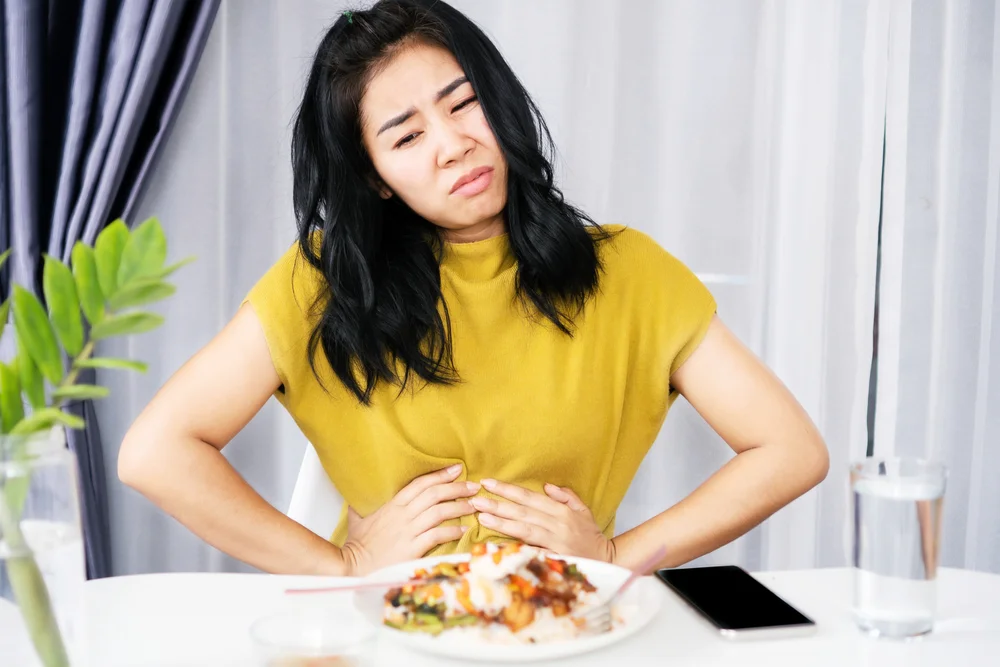
If you are asking, “Why do my stomach hurt every time I eat?” you are not alone. Pain that happens after meals can be uncomfortable, frustrating, and sometimes worrying. Eating should normally give your body energy, not leave you dealing with stomach pain, cramping, burning, bloating, or nausea.
There are many possible reasons for stomach pain after eating. Some are relatively mild, such as gas, overeating, constipation, food intolerance, or indigestion. Others may need medical evaluation, including gastritis, stomach ulcers, gallstones, gastroesophageal reflux disease, inflammatory bowel disease, pancreatitis, or certain infections.
The timing of the pain can provide useful clues. Pain that starts immediately after eating may have a different cause from pain that appears several hours later. The location also matters. Pain in the upper abdomen, lower abdomen, right side, or left side can point toward different organs and conditions.
It is also important to understand that “stomach pain” does not always come from the stomach itself. The digestive system includes the esophagus, stomach, small intestine, large intestine, gallbladder, pancreas, liver, and other structures. Problems in several of these areas can feel like stomach pain.
This article explains the common and less common reasons your stomach may hurt every time you eat, what symptoms may occur with each cause, when you should see a doctor, and what you can do while figuring out the cause.
Why Does My Stomach Hurt Every Time I Eat?
Stomach pain after eating can happen because food changes the activity of your digestive system. When you eat, your stomach stretches, digestive acids and enzymes are released, the intestines begin moving food forward, and the gallbladder and pancreas release substances that help with digestion.
If one part of this process is irritated or not working normally, eating can trigger pain.
Common causes include:
- Indigestion
- Gas and bloating
- Acid reflux
- Gastritis
- Stomach ulcers
- Food intolerance
- Food allergies
- Constipation
- Irritable bowel syndrome
- Gallstones
- Pancreas problems
- Infections
- Inflammatory bowel disease
- Functional dyspepsia
The phrase “every time I eat” is especially important. If the problem happens repeatedly rather than once in a while, it is worth paying attention to the pattern.

A single episode after eating a very large or spicy meal may not mean the same thing as pain that occurs after almost every meal for several weeks.
Also read:What Is an Odontologist? A Complete Guide to Forensic Dentistry, Training, Jobs, and What They Do
Where Does Your Stomach Hurt After Eating?
The location of your pain can provide useful information.
Upper abdominal pain may be associated with indigestion, gastritis, acid reflux, ulcers, gallbladder problems, or pancreas problems.
Pain in the upper right abdomen may occur with gallbladder problems, especially after fatty meals.
Pain in the upper middle abdomen can occur with stomach or pancreas problems.
Lower abdominal pain may be related to intestinal conditions, constipation, gas, or irritable bowel syndrome.
Pain that spreads toward the back can occur with certain stomach, gallbladder, or pancreatic conditions.
However, location alone cannot diagnose the cause. Several digestive conditions can produce pain in similar areas.
Does the Pain Start Immediately After Eating?
The timing of pain can sometimes provide an important clue.
If pain begins almost immediately after eating, possible explanations include indigestion, stomach irritation, reflux, food sensitivity, or a response to the stomach stretching as food enters.
If pain develops one to several hours after eating, other conditions may become more likely, including some food intolerances, gallbladder problems, or intestinal causes.
Pain that repeatedly appears several hours after eating should be discussed with a healthcare professional, especially if it is severe or associated with vomiting, weight loss, or changes in bowel movements.
The timing does not provide a diagnosis by itself, but keeping track of it can make your doctor’s evaluation much easier.
Can Indigestion Cause Stomach Pain After Every Meal?
Yes. Indigestion, also called dyspepsia, is a common reason people experience discomfort after eating.
Indigestion can cause:
- Upper abdominal discomfort
- Burning
- Feeling overly full
- Bloating
- Burping
- Nausea
- Feeling full sooner than expected
Some people experience indigestion occasionally, while others have repeated symptoms.
Certain foods and habits can make symptoms worse. Eating quickly, eating very large meals, drinking alcohol, smoking, consuming large amounts of caffeine, or eating foods that trigger symptoms may contribute.
Persistent indigestion should not simply be ignored, particularly if it continues for weeks or becomes more severe.
Can Gas Make Your Stomach Hurt After Eating?
Gas is another common explanation.
When you eat and drink, you naturally swallow some air. Your digestive system also produces gas as bacteria in the large intestine break down certain carbohydrates.
Too much gas or difficulty moving gas through the digestive tract can cause:
- Cramping
- Pressure
- Bloating
- Burping
- Passing gas
- A feeling of fullness
Certain foods are more likely to cause gas in some people. These may include beans, certain vegetables, high-fiber foods, carbonated drinks, and some dairy products.
Eating quickly can also increase swallowed air.
If your pain improves after passing gas or having a bowel movement, gas or intestinal activity may be contributing. However, repeated severe pain should still be evaluated rather than automatically labeled as gas.
Could Lactose Intolerance Cause Stomach Pain After Eating?
Yes. Lactose intolerance can cause digestive symptoms after consuming foods containing lactose, the natural sugar found in milk and many dairy products.
People with lactose intolerance may have difficulty digesting lactose because they do not produce enough lactase, the enzyme needed to break it down.
Symptoms may include:
- Abdominal cramps
- Bloating
- Gas
- Diarrhea
- Nausea
Symptoms often occur after eating or drinking dairy products.
If you notice that your symptoms repeatedly happen after milk, ice cream, soft cheese, or other dairy foods, lactose intolerance may be worth discussing with a healthcare professional.
It is better to identify the actual trigger than to unnecessarily remove large groups of foods from your diet.
Can a Food Intolerance Cause Stomach Pain?
Yes. Food intolerance can cause stomach discomfort after eating certain foods.
Unlike a food allergy, a food intolerance generally does not involve the same immune response associated with an allergic reaction.
Common examples include lactose intolerance and sensitivity to certain fermentable carbohydrates.
Symptoms can include:
- Bloating
- Gas
- Abdominal pain
- Diarrhea
- Nausea
Keeping a food and symptom diary can help identify patterns.
Write down what you ate, how much you ate, when symptoms started, and what symptoms occurred.
This can help you and your healthcare professional identify possible connections without unnecessarily eliminating many foods.
Can a Food Allergy Cause Stomach Pain?
A food allergy can cause digestive symptoms, but it may also cause symptoms elsewhere in the body.
Possible symptoms include:
- Stomach pain
- Vomiting
- Diarrhea
- Hives
- Swelling
- Wheezing
- Trouble breathing
- Throat tightness
- Dizziness
A severe allergic reaction can be life-threatening.
If stomach symptoms occur together with difficulty breathing, swelling of the tongue or throat, fainting, or other signs of a severe allergic reaction, seek emergency medical care immediately.
Do not assume a food allergy is simply a sensitive stomach.
Can Gastritis Cause Pain Every Time You Eat?
Gastritis means inflammation of the stomach lining.
It can cause:
- Upper abdominal pain
- Burning discomfort
- Nausea
- Vomiting
- Feeling full quickly
- Loss of appetite
Some people notice symptoms after eating, while others may have symptoms at different times.
Gastritis can have several causes. One important cause is infection with Helicobacter pylori, commonly called H. pylori. Certain medications, particularly nonsteroidal anti-inflammatory drugs such as ibuprofen and naproxen, can also irritate the stomach lining.
Alcohol and other factors may contribute in some people.
If you regularly experience upper stomach pain after eating, a healthcare professional can help determine whether gastritis or another condition may be responsible.
Could a Stomach Ulcer Be Causing the Pain?
A stomach ulcer is an open sore in the stomach lining.
Ulcers can cause burning or aching pain in the upper abdomen. Some people notice pain related to meals, although symptoms can vary.
Other symptoms may include:
- Nausea
- Feeling full
- Bloating
- Belching
- Vomiting
H. pylori infection and certain pain-relieving medications are common causes of peptic ulcers.
An ulcer can sometimes bleed. Black, tarry stools, vomiting blood, or vomit that looks like coffee grounds can be signs of gastrointestinal bleeding and require urgent medical attention.
Can Acid Reflux Cause Stomach Pain After Eating?
Acid reflux happens when stomach contents move backward into the esophagus.
The classic symptom is heartburn, but some people experience less typical symptoms.
Eating large meals, lying down soon after eating, or consuming certain trigger foods may make reflux symptoms worse.
Possible symptoms include:
- Burning in the chest
- Upper abdominal discomfort
- Sour taste
- Regurgitation
- Burping
- Difficulty swallowing
- Chronic cough in some people
If you regularly have reflux symptoms, especially if they interfere with sleep or daily life, talk with a healthcare professional.
Can Eating Too Much Cause Stomach Pain?
Yes. Eating a very large meal can cause temporary stomach discomfort.
The stomach expands as it fills. A very large meal may produce a feeling of pressure, fullness, bloating, or discomfort.
Eating too quickly can make this worse because you may eat more before your body has time to recognize fullness.
Try eating smaller portions and slowing down. Give yourself time to chew your food and notice when you are becoming comfortably full.
If even small meals consistently cause significant pain, however, the issue may be more than overeating.
Can Eating Too Fast Cause Stomach Pain?
Eating quickly can contribute to several digestive symptoms.
When you eat fast, you may swallow more air. You may also eat a larger amount before feeling full.
This can contribute to:
- Bloating
- Burping
- Gas
- Fullness
- Abdominal discomfort
Slowing down during meals can be a simple experiment.
Try taking smaller bites, chewing thoroughly, and putting your utensils down occasionally.
If pain continues despite changing your eating habits, look for other possible causes.
Can Constipation Cause Stomach Pain After Eating?
Constipation can cause abdominal pain, pressure, and bloating.
Eating naturally stimulates movement in the digestive tract. If stool is already backed up, this increased intestinal activity may make discomfort more noticeable after meals.
Signs of constipation can include:
- Infrequent bowel movements
- Hard stools
- Straining
- Feeling that you have not completely emptied your bowels
- Abdominal bloating
Increasing fiber gradually, drinking enough fluids, and staying physically active can help many people with constipation.
However, severe abdominal pain, vomiting, significant swelling, or an inability to pass stool or gas requires medical attention.
Can Irritable Bowel Syndrome Cause Pain After Eating?
Irritable bowel syndrome, or IBS, is a common digestive disorder involving abdominal pain and changes in bowel habits.
People with IBS may experience:
- Abdominal pain
- Bloating
- Diarrhea
- Constipation
- Alternating diarrhea and constipation
- Changes in stool appearance
Food can trigger symptoms in some people.
Stress can also influence symptoms, although IBS is not simply “all in your head.” The communication between the brain and digestive system can affect how the gut moves and how strongly sensations are felt.
IBS is usually diagnosed based on symptoms and medical evaluation. Other conditions may need to be ruled out depending on your age, symptoms, and medical history.
Can Gallstones Cause Stomach Pain After Eating?
Gallstones can cause pain when a stone blocks part of the biliary system.
Gallbladder pain often occurs in the upper right or upper middle abdomen and may occur after eating, particularly after a fatty meal.
The pain may be strong and can sometimes spread to the back or right shoulder.
Other symptoms may include nausea and vomiting.
A gallstone attack can last for hours rather than only a few minutes.
If you have severe or persistent upper abdominal pain, particularly with fever, jaundice, vomiting, or significant tenderness, medical evaluation is important.
Can Pancreatitis Cause Stomach Pain After Eating?
Pancreatitis means inflammation of the pancreas.
It can cause significant upper abdominal pain that may spread toward the back.
Other symptoms can include:
- Nausea
- Vomiting
- Fever
- Abdominal tenderness
- Rapid heartbeat
Pain can become worse after eating in some cases.
Acute pancreatitis can be serious and requires medical evaluation.
Severe, persistent abdominal pain with vomiting or other concerning symptoms should not be treated at home as ordinary indigestion.
Can a Stomach Infection Cause Pain After Eating?
Infections involving the digestive system can cause abdominal pain.
Depending on the infection, symptoms may include:
- Diarrhea
- Vomiting
- Fever
- Nausea
- Abdominal cramps
- Loss of appetite
Food poisoning can develop after eating contaminated food, although the exact timing varies depending on the organism or toxin.
Most uncomplicated stomach infections improve with time and supportive care, but dehydration and severe symptoms can require medical treatment.
Can Inflammatory Bowel Disease Cause Pain After Eating?
Inflammatory bowel disease, or IBD, mainly includes Crohn’s disease and ulcerative colitis.
These conditions cause chronic inflammation in the digestive tract.
Symptoms may include:
- Abdominal pain
- Persistent diarrhea
- Blood in the stool
- Weight loss
- Fatigue
- Reduced appetite
- Urgency to have a bowel movement
Some people notice that eating worsens symptoms.
IBD is different from IBS. IBS does not cause the same type of intestinal inflammation seen in IBD.
Also read:What Can Dentists Do? A Complete Guide to Dental Treatments and Services
If you have ongoing diarrhea, blood in your stool, unexplained weight loss, or persistent abdominal pain, you should speak with a healthcare professional.
Why Does My Stomach Hurt After Eating Fatty Foods?
Fatty foods can cause digestive discomfort in some people.
They may slow stomach emptying and can trigger symptoms in people with reflux or certain digestive disorders.
Fatty meals can also trigger gallbladder symptoms in people with gallstones.
If you repeatedly notice upper abdominal pain after fried foods, greasy meals, or other high-fat foods, record the pattern and discuss it with your doctor.
You do not necessarily need to eliminate all dietary fat. The goal is to identify the cause and follow an appropriate eating plan.
Why Does My Stomach Hurt After Eating Spicy Foods?
Spicy foods can trigger burning, reflux, indigestion, or abdominal discomfort in some people.
Capsaicin, the compound responsible for the heat in chili peppers, can produce a burning sensation and may aggravate symptoms in people who are sensitive to spicy foods.
However, spicy foods do not cause stomach problems in everyone.
If you notice a consistent connection between spicy meals and pain, temporarily reducing them may help you understand whether they are a trigger.
Why Does My Stomach Hurt After Eating Bread?
Bread can cause digestive symptoms for several different reasons.
Some people may react to wheat or gluten because of a diagnosed condition such as celiac disease or a wheat allergy.
Others may experience symptoms from fermentable carbohydrates found in certain wheat-based foods.
Celiac disease is an immune-mediated condition triggered by gluten in people who have it. It can cause diarrhea, bloating, abdominal pain, weight loss, fatigue, and nutritional problems.
If you suspect celiac disease, do not start a strict gluten-free diet before speaking with your healthcare professional. Testing can become more difficult after gluten is removed from the diet.
Why Does My Stomach Hurt After Drinking Coffee?
Coffee can trigger digestive symptoms in some people.
It may increase stomach acid production and can stimulate intestinal movement.
Some people experience:
- Heartburn
- Stomach discomfort
- Loose stools
- Cramping
- Increased bowel movements
Coffee is not automatically harmful to the stomach, and many people tolerate it well.
If you repeatedly develop pain after coffee, try tracking the amount you drink, whether you drink it on an empty stomach, and whether added cream, milk, or sweeteners may be contributing.
Can Stress Cause Stomach Pain After Eating?
Stress can affect digestion.
The brain and digestive system communicate continuously through what is often called the gut-brain connection.
Stress can influence intestinal movement, sensitivity, and digestive symptoms. Some people notice more bloating, abdominal pain, diarrhea, or constipation during stressful periods.
This does not mean that the pain is imaginary.
The sensation is real, even when stress contributes to the digestive response.
However, doctors should not assume that recurring stomach pain is caused by stress without considering other possible medical explanations.
Could Your Medications Be Causing Stomach Pain?
Yes.
Several medications can cause digestive symptoms.
Nonsteroidal anti-inflammatory drugs, including ibuprofen and naproxen, can irritate the stomach and increase the risk of ulcers and gastrointestinal bleeding.
Other medications can also cause nausea, constipation, diarrhea, reflux, or abdominal discomfort.
If your stomach pain began after starting a new medicine, tell your healthcare professional.
Do not stop a prescribed medication on your own unless a healthcare professional tells you to do so.
Also mention vitamins, herbal products, and dietary supplements because “natural” does not always mean harmless.
Why Does My Stomach Hurt After Every Meal but Feel Better When I Do Not Eat?
This pattern can have several explanations.
Eating stimulates the digestive system, so symptoms from gastritis, ulcers, gallbladder disease, functional dyspepsia, and certain intestinal conditions may become more noticeable after meals.
But pain that consistently changes with eating deserves attention.
Do not respond by severely restricting food without medical guidance.
Avoiding food may temporarily reduce symptoms while allowing an underlying problem to continue.
If eating consistently causes pain, make an appointment with a healthcare professional and explain exactly when the pain begins, where it occurs, how long it lasts, and which foods seem to trigger it.
What Does Stomach Pain After Eating Mean in Children?
Children can experience stomach pain after eating for many of the same reasons as adults, including constipation, infections, food intolerance, reflux, and functional abdominal pain.
However, children may have difficulty describing exactly where the pain is or what it feels like.
Parents should pay attention to associated symptoms such as:
- Poor appetite
- Vomiting
- Diarrhea
- Constipation
- Fever
- Weight loss
- Blood in stool
- Reduced energy
- Problems with growth
A child who repeatedly experiences pain after eating should be evaluated by a pediatric healthcare professional, especially if the pain affects eating, sleep, school, or normal activities.
What Tests Might a Doctor Use?
There is no single test that explains every case of stomach pain after eating.
Your healthcare professional may begin with your medical history and physical examination.
Depending on your symptoms, they may consider:
- Blood tests
- Stool tests
- H. pylori testing
- Abdominal ultrasound
- Other imaging
- Endoscopy
- Colonoscopy
- Food-related testing when appropriate
The right tests depend on the symptoms.
For example, upper abdominal pain after fatty meals may lead to evaluation of the gallbladder, while persistent upper abdominal burning may lead to evaluation for gastritis, H. pylori infection, or ulcers.
Testing should be based on the clinical picture rather than ordering every possible test.
What Should You Tell Your Doctor?
Before your appointment, write down useful details about your symptoms.
Record:
- Where the pain occurs
- When it begins after eating
- How long it lasts
- What the pain feels like
- How severe it is
- What foods seem to trigger it
- Whether bowel movements change the pain
- Whether you have nausea
- Whether you vomit
- Whether you have diarrhea
- Whether you are constipated
- Whether you have heartburn
- Any recent weight changes
- Your medications and supplements
- Your alcohol intake
- Any previous digestive conditions
A simple symptom diary can reveal patterns that are difficult to remember during an appointment.
What Can You Do at Home for Mild Stomach Pain After Eating?
If your stomach pain is mild and you do not have any warning signs, a few simple habits may help while you monitor your symptoms. Try eating smaller meals instead of very large ones, eat slowly, and chew your food well. If you experience acid reflux, avoid lying down immediately after eating and give your body time to digest the meal. Drink enough fluids throughout the day and limit foods that you notice regularly trigger your symptoms. Staying physically active may also support healthy digestion if you feel comfortable doing so. It is also wise to avoid excessive alcohol and to avoid regularly taking pain medicines such as ibuprofen or naproxen for unexplained stomach pain unless a healthcare professional recommends them. Most importantly, home care should not replace medical attention if your stomach pain becomes severe, keeps returning, or is accompanied by other concerning symptoms.
When Should You See a Doctor for Stomach Pain After Eating?
Make an appointment with a healthcare professional if stomach pain happens after most meals, continues for several weeks, keeps getting worse, or interferes with eating and daily activities.
You should also seek medical evaluation if you have unexplained weight loss, persistent vomiting, ongoing diarrhea, constipation that does not improve, difficulty swallowing, or recurring severe indigestion.
Your symptoms may be caused by something simple, but repeated pain deserves an explanation.
When Is Stomach Pain an Emergency?
Some abdominal symptoms require urgent or emergency medical care.
Seek immediate medical attention if you experience severe or rapidly worsening abdominal pain, especially if it is accompanied by:
- Vomiting blood
- Black or bloody stools
- Fainting
- Severe weakness
- Trouble breathing
- Chest pressure or pain
- A rigid or severely swollen abdomen
- Persistent vomiting
- High fever with significant abdominal pain
- Yellowing of the skin or eyes
- Confusion
- Severe dehydration
A sudden, severe abdominal pain should not be assumed to be gas or indigestion.
How Can You Find Your Personal Food Triggers?
Finding food triggers requires looking for patterns rather than blaming the last thing you ate.
Keep a diary for several days or weeks.
Record the food, portion size, time of eating, symptoms, bowel movements, stress level, and sleep.
For example, you may discover that symptoms happen after very large meals rather than one particular food.
Another person may find that dairy consistently causes bloating and diarrhea.
Someone else may notice symptoms after fatty foods.
This approach is more useful than randomly removing multiple foods at once.
If you eliminate five foods simultaneously, it becomes difficult to know which change actually helped.
Should You Follow an Elimination Diet?
An elimination diet can sometimes be useful for identifying food-related triggers, but it should be approached carefully.
Removing many foods without guidance can lead to nutritional deficiencies and unnecessary dietary restrictions.
Also read:What Is a DMD? Meaning, Degree, Education, Licensing, and Dental Career Guide
People with suspected food allergies should not try to diagnose a potentially serious allergy through casual home experimentation.
If you have ongoing symptoms, a registered dietitian or healthcare professional can help create a structured approach.
Is Stomach Pain After Eating Always a Sign of a Serious Disease?
No.
Many causes of post-meal stomach pain are manageable and not life-threatening.
Gas, indigestion, constipation, mild food intolerance, and functional digestive disorders can all cause significant discomfort.
The important issue is the pattern.
Pain that is occasional and mild may require only observation and simple lifestyle changes.
Pain that happens after almost every meal, persists for weeks, becomes severe, or comes with warning signs deserves medical evaluation.
The goal is not to assume the worst. It is to avoid assuming that repeated symptoms are normal.
Why the Pattern of Pain Matters More Than the Pain Alone
When stomach pain keeps happening after you eat, the pattern can provide important clues about what may be causing it. Pay attention to whether the pain happens after every meal or only after certain foods, whether it starts immediately or a few hours later, and whether it feels like burning, cramping, pressure, stabbing, or aching. Notice where the pain occurs, whether it improves after passing gas or having a bowel movement, and whether it spreads to your back or shoulder. Also watch for other symptoms such as nausea, vomiting, diarrhea, constipation, heartburn, or unexplained weight loss. Recent changes in your diet, medications, illness, travel, stress, or eating habits may also be important. These details can help a healthcare professional understand the problem much better than simply saying that your stomach hurts after eating.
Common Mistakes People Make When Their Stomach Hurts After Eating
One common mistake is assuming every stomach problem is caused by “too much acid.”
Another is repeatedly taking over-the-counter pain medicine that can actually irritate the stomach.
Some people eliminate entire food groups without first identifying a clear trigger.
Others ignore symptoms because they are able to continue their normal activities.
Another mistake is searching for a single “best food” that will cure the problem.
There is no universal stomach-pain diet because the underlying causes are different.
The most effective approach is to identify the pattern, rule out important medical conditions, and then make targeted changes.
Can Drinking Water Help Stomach Pain After Eating?
Water is important for normal digestion and hydration, but it is not a universal treatment for stomach pain.
If dehydration or constipation contributes to your discomfort, drinking enough fluids may help.
However, severe pain caused by gallstones, ulcers, pancreatitis, intestinal obstruction, or another medical condition will not be fixed simply by drinking more water.
Drink normally and avoid forcing large amounts of water quickly if you already feel nauseated or overly full.
Can Walking After Eating Help?
A gentle walk after a meal may help some people with digestion, bloating, and general comfort.
It can also support healthy blood sugar control and physical activity levels.
However, intense exercise immediately after eating may make some people feel worse.
If walking feels comfortable, a short, easy walk can be a reasonable habit.
If movement increases severe pain, stop and seek medical advice if the pain is significant or persistent.
What Is the Best Diet for Stomach Pain After Eating?
There is no single diet that works for everyone because the cause matters.
A generally balanced diet with minimally processed foods, adequate protein, fruits, vegetables, whole grains, and appropriate healthy fats supports overall health.
But a person with lactose intolerance may need a different approach from someone with gallstones, IBS, celiac disease, reflux, or an ulcer.
This is why personalized advice is more useful than internet lists of “good” and “bad” foods.
If your symptoms are persistent, focus first on finding the cause.
Final Thoughts
If you keep asking, “Why do my stomach hurt every time I eat?” the most important message is that repeated pain should not be ignored. There are many possible causes, ranging from gas, indigestion, constipation, and food intolerance to gastritis, ulcers, gallstones, pancreatitis, IBS, and inflammatory bowel disease. The location, timing, severity, and associated symptoms can provide important clues, but they cannot replace a proper medical evaluation. Keep track of your symptoms and food triggers, avoid obvious triggers when possible, and speak with a healthcare professional if the pain continues or affects your ability to eat normally. Seek urgent care for severe pain, vomiting blood, black or bloody stools, jaundice, fainting, severe dehydration, or other serious warning signs.
Frequently Asked Questions
Can anxiety make my stomach hurt every time I eat?
Anxiety and stress can affect communication between the brain and digestive system and may worsen abdominal pain, bloating, diarrhea, constipation, or nausea. However, recurring stomach pain should not automatically be blamed on anxiety. A healthcare professional can help determine whether another digestive condition is involved.
Why does my stomach hurt even when I eat healthy foods?
Healthy foods can still cause symptoms if you have an intolerance, IBS, difficulty digesting certain carbohydrates, or another digestive condition. Large portions, high-fiber foods, or foods that are healthy but personally difficult to tolerate can also cause discomfort.
Why does my stomach hurt after eating but not after drinking water?
Solid food causes more digestive activity and requires the stomach and intestines to process nutrients. If a digestive condition is triggered by eating, symptoms may appear with meals but not with water. Persistent symptoms should be evaluated to determine the cause.
Can dehydration cause stomach pain after eating?
Dehydration can contribute to constipation and digestive discomfort, which may make abdominal pain more noticeable. However, repeated pain after meals should not automatically be attributed to dehydration. Adequate fluid intake is important, but persistent symptoms may need medical evaluation.
Why does my stomach hurt after eating small amounts of food?
Feeling pain or becoming uncomfortable after only a small amount of food can occur with several digestive conditions, including functional dyspepsia and problems affecting stomach emptying. If you regularly feel full unusually quickly or have ongoing pain after small meals, discuss it with a healthcare professional.