
What Is a Hygienist? Role, Duties, Education, and Career Guide
September 10, 2026
What Does “Define Forensic Dentistry” Mean? A Complete Guide to Forensic Dentistry in the United States
September 11, 2026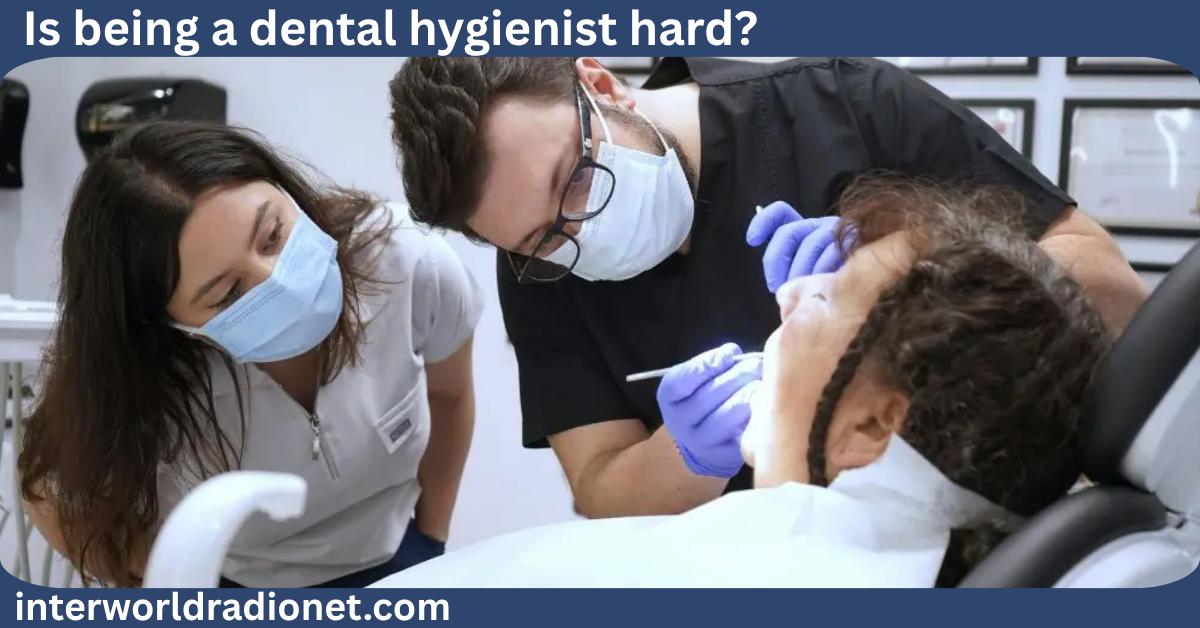
Yes, being a dental hygienist can be hard, but the level of difficulty depends on the person, workplace, training program, and type of dental practice. The job requires clinical knowledge, careful hand skills, physical stamina, communication skills, and the ability to work comfortably around patients who may feel nervous about dental treatment.
For many people, dental hygiene is challenging but manageable. Dental hygienists do not simply clean teeth. They assess oral health, remove plaque and calculus, take dental images when permitted by state law and workplace rules, provide preventive care, educate patients, document treatment, and work closely with dentists and other dental professionals.
Dental hygiene school can also be demanding. Students must learn anatomy, physiology, microbiology, pharmacology, dental materials, radiography, periodontology, infection control, and clinical procedures. They also spend significant time practicing patient care.
The physical side of the career is another important factor. Dental hygienists often sit or stand in fixed positions for long periods while performing precise movements with their hands and wrists. Poor posture or repetitive movements can contribute to discomfort and injury over time.
At the same time, dental hygiene can offer meaningful advantages. Many hygienists enjoy helping patients, building relationships with regular patients, working in a healthcare environment, and having a career that can provide a relatively predictable schedule.
So, is being a dental hygienist hard? The honest answer is that it is not an easy career, but it can be a very rewarding one for people who enjoy healthcare, patient interaction, detailed work, and preventive medicine.
What Does a Dental Hygienist Do?
A dental hygienist is a licensed oral healthcare professional who focuses heavily on preventing and managing oral health problems.
The exact responsibilities vary by state because dental hygiene is regulated differently across the United States. A hygienist’s duties may include:
- Cleaning teeth and removing plaque and calculus
- Assessing the condition of the teeth and gums
- Checking for signs of gum disease
- Taking dental X-rays when legally permitted
- Applying fluoride treatments
- Applying preventive dental sealants in appropriate situations
- Providing oral hygiene instructions
- Teaching patients how to brush and floss effectively
- Recording clinical information
- Reviewing health histories
- Taking measurements around the gums
- Communicating findings to the dentist
- Maintaining infection-control procedures
- Educating patients about preventive oral healthcare
The work requires much more than simply using dental instruments.
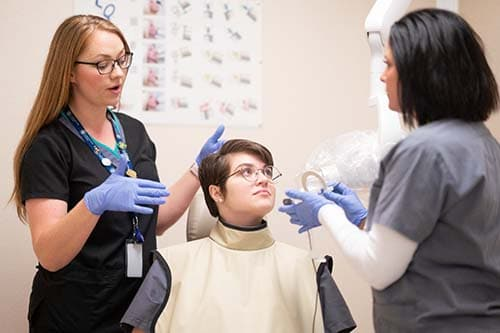
A good dental hygienist must understand what they are seeing, know how to use instruments safely, communicate clearly, recognize potential problems, and know when a patient’s condition needs further evaluation by a dentist.
Also read:Are Dentist Medical Doctors and What Degree Do They Have?
Why Do People Ask, “Is Being a Dental Hygienist Hard?”
The question usually comes from someone considering dental hygiene as a career.
People may be wondering about several different types of difficulty at the same time.
They may want to know:
- Is dental hygiene school difficult?
- Are dental hygiene classes hard?
- Is the licensing process difficult?
- Is cleaning teeth physically demanding?
- Is dental hygiene stressful?
- Is the job emotionally difficult?
- Is working with patients hard?
- Is dental hygiene hard on your body?
- Is the career worth the effort?
- Can someone succeed without being naturally good at science?
These are different questions, and the answer to each one can be different.
Someone might find the academic side easy but struggle with the physical demands. Another person may enjoy clinical work but dislike dealing with anxious patients. Someone else may find school difficult but love the actual career.
Understanding these differences is important before deciding whether dental hygiene is right for you.
Is Dental Hygienist School Hard?
For many students, dental hygiene school is one of the most challenging parts of becoming a dental hygienist.
Dental hygiene programs combine classroom education with hands-on clinical training. Students have to learn scientific concepts while also developing precise clinical skills.
Typical subjects may include:
- Human anatomy
- Physiology
- Microbiology
- Pathology
- Pharmacology
- Nutrition
- Dental anatomy
- Head and neck anatomy
- Periodontology
- Dental radiography
- Infection prevention
- Local anesthesia, where permitted
- Dental materials
- Patient assessment
- Clinical dental hygiene
The challenge is not necessarily that every individual subject is extremely difficult. The bigger challenge is the amount of information students need to learn and apply.
A student might study a disease in class and then need to recognize related signs during a clinical appointment.
That means dental hygiene education requires both memory and practical reasoning.
Why Dental Hygiene School Can Feel Overwhelming
Dental hygiene students often have multiple responsibilities at once.
They may need to:
- Attend lectures.
- Study scientific information.
- Complete written assignments.
- Practice clinical skills.
- Treat patients.
- Complete clinical requirements.
- Prepare for practical examinations.
- Prepare for written examinations.
- Maintain accurate patient documentation.
- Follow strict infection-control procedures.
This combination can make the program feel intense.
Unlike a program based mostly on classroom learning, dental hygiene education requires students to demonstrate that they can safely perform clinical procedures.
A student cannot simply memorize information and expect to pass every clinical requirement.
They must demonstrate competence.
Are Dental Hygiene Classes Hard?
Some classes can be particularly challenging because they involve detailed scientific information.
Anatomy is a common example.
Students need to understand the structures of the human body, including structures related to the head, neck, teeth, nerves, muscles, blood vessels, and surrounding tissues.
Periodontology can also require significant study because students learn about the supporting structures of the teeth and diseases affecting those tissues.
Pharmacology can be challenging because medications can have different effects, side effects, interactions, and implications for dental care.
Dental radiography requires students to understand both technical procedures and safety principles.
The difficulty is usually less about one impossible subject and more about consistently keeping up with several demanding subjects.
Is Dental Hygiene School Harder Than It Looks?
For some students, yes.
People outside the profession may assume that dental hygiene is mostly about cleaning teeth.
That view misses much of the educational and clinical responsibility.
A hygienist needs to understand:
- Oral anatomy
- Disease processes
- Preventive care
- Medical histories
- Infection control
- Patient safety
- Dental instruments
- Ergonomics
- Communication
- Documentation
- Professional ethics
The job requires attention to detail because mistakes in healthcare can affect patients.
This is one reason dental hygiene education can be demanding.
Is the Dental Hygiene Licensing Process Hard?
After completing an approved dental hygiene education program, graduates generally need to meet licensing requirements in the state where they intend to practice.
Licensing requirements vary by state.
Depending on the jurisdiction, requirements may include examinations, clinical assessments, background requirements, jurisprudence requirements, and other documentation.
Because regulations can change, anyone considering dental hygiene should check the current requirements of the state dental board where they want to work.
The licensing process can feel stressful because students are moving from supervised education toward professional responsibility.
However, completing the required education and preparing systematically can make the process much more manageable.
Is Being a Dental Hygienist Physically Hard?
The physical demands of dental hygiene are one of the most important parts of the career to understand.
Dental hygienists frequently perform small, precise movements with their hands while maintaining a particular working position.
They may spend much of the day:
- Sitting beside a dental chair
- Leaning forward
- Turning their neck
- Holding instruments
- Using repetitive hand movements
- Maintaining visual concentration
- Reaching around patients
- Adjusting equipment
This does not mean every hygienist develops physical problems.
However, ergonomics matters.
Good positioning, appropriate equipment, regular movement, stretching, and healthy work habits can help reduce unnecessary strain.
Is Dental Hygiene Hard on Your Hands and Wrists?
It can be.
Dental hygienists perform repetitive movements involving their fingers, hands, wrists, and forearms.
Instrument handling requires control and precision. Scaling and other clinical procedures can involve repeated movements throughout the day.
This is one reason proper technique is important.
A hygienist who uses excessive force or maintains poor wrist positioning may experience more strain than someone who uses efficient techniques.
Workload also matters.
A hygienist seeing many patients without adequate breaks may experience more physical fatigue than someone with a more balanced schedule.
Is Dental Hygiene Hard on Your Back and Neck?
The neck, shoulders, and back can also be affected by clinical posture.
A hygienist may need to maintain a close visual position while working inside a patient’s mouth.
If the dental chair, patient, operator stool, lighting, or equipment is poorly positioned, the hygienist may compensate by bending or twisting.
Over time, repeated awkward positioning can contribute to discomfort.
This is why ergonomics should not be treated as an optional part of dental hygiene education.
It is an important career skill.
Is Being a Dental Hygienist Mentally Hard?
The mental demands are often underestimated.
Dental hygienists must pay attention to many details during a patient appointment.
They may need to consider:
- The patient’s health history
- Medications
- Oral health condition
- Previous dental treatment
- Current symptoms
- Clinical findings
- Infection-control requirements
- Patient concerns
- Documentation
- Communication with the dental team
At the same time, they must remain focused while performing precise clinical work.
This requires concentration.
A busy day can become mentally tiring even when the physical work seems routine.
Is Being a Dental Hygienist Stressful?
Dental hygiene can be stressful, but the amount of stress depends heavily on the workplace.
A hygienist working in a supportive practice with reasonable appointment times may have a very different experience from someone working in a high-volume environment.
Potential sources of stress include:
- Busy schedules
- Difficult patients
- Anxious patients
- Running behind schedule
- Physical fatigue
- Documentation
- Workplace expectations
- Productivity pressures
- Communication problems
- Managing unexpected clinical findings
Not every dental office has the same culture.
When evaluating a dental hygiene job, it is useful to consider the work environment rather than focusing only on salary or schedule.
Is Working With Dental Patients Hard?
Working with patients can be one of the most rewarding and challenging parts of dental hygiene.
Patients have different personalities, expectations, fears, communication styles, and levels of oral health knowledge.
Some patients are relaxed and cooperative.
Others may be nervous about dental treatment.
Some may have had negative experiences with dental care in the past.
A good hygienist needs patience and communication skills.
The goal is not simply to complete a procedure. The goal is also to help the patient feel respected and understood.
How Dental Hygienists Work With Nervous Patients
Dental anxiety is common.
A nervous patient may worry about pain, dental instruments, sounds, previous experiences, or embarrassment about their oral health.
A hygienist can often make the experience easier through simple communication.
For example, they may:
- Explain what will happen before starting
- Ask whether the patient has concerns
- Use simple language
- Check on comfort during treatment
- Give the patient time to ask questions
- Avoid judgmental language
- Explain preventive recommendations clearly
Communication can make a major difference.
Patients are more likely to engage with oral health recommendations when they feel respected rather than criticized.
Is Cleaning Teeth Difficult?
Professional dental cleaning requires training and practice.
Dental hygienists work in a small area and need to control instruments carefully.
They must identify deposits and remove them while protecting surrounding tissues.
The procedure can become more challenging when patients have:
- Heavy calculus
- Inflamed gums
- Deep periodontal pockets
- Sensitive teeth
- Limited mouth opening
- Strong gag reflexes
- Significant anxiety
- Complex medical histories
This is why dental hygiene is a clinical profession rather than simply a cosmetic cleaning service.
What Makes Dental Hygiene Easier Over Time?
Experience can make many parts of the job easier.
During the early stages of training, students may think carefully about every movement.
With practice, many clinical skills become more natural.
Experienced hygienists often become better at:
- Instrument control
- Time management
- Patient communication
- Positioning
- Identifying clinical findings
- Organizing appointments
- Explaining home-care recommendations
- Managing difficult situations
Experience does not eliminate challenges, but it can improve confidence and efficiency.
Is Being a Dental Hygienist Hard for Introverts?
Being introverted does not automatically prevent someone from becoming a successful dental hygienist.
However, the job involves regular patient interaction.
Hygienists communicate with patients throughout appointments. They may explain procedures, answer questions, provide education, and discuss oral hygiene habits.
Someone who prefers very little social interaction may find this tiring.
But communication is a skill that can improve with practice.
You do not need to be extremely outgoing.
You need to be able to communicate professionally, listen carefully, and make patients feel comfortable.
Do You Need to Be Good at Science to Become a Dental Hygienist?
You do not necessarily need to be a science genius.
However, you should be willing to study science.
Dental hygiene education includes several science-based subjects, so students need to understand concepts rather than simply memorize everything.
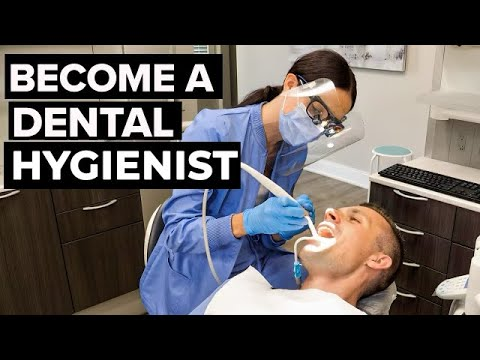
Strong study habits can make a significant difference.
Someone who struggles with science at first may still succeed by:
- Attending class consistently
- Asking instructors for help
- Reviewing material regularly
- Using diagrams
- Practicing terminology
- Studying in smaller sessions
- Connecting theory to clinical examples
The ability to learn is often more important than being naturally gifted.
Is Dental Hygiene Harder Than Dental Assisting?
Dental hygiene and dental assisting are different careers, so comparing their difficulty is not always straightforward.
Also read:What Are the Benefits of Being a Dentist?
Dental hygienists generally have a larger focus on preventive oral healthcare and independent clinical responsibilities within the scope allowed by their state.
Dental assistants may perform different clinical and administrative duties, depending on their education, credentials, state regulations, and workplace.
Neither career should automatically be considered “easy.”
The education, responsibilities, working environment, and career goals are different.
Someone choosing between them should compare the actual duties and requirements in their state.
Is Being a Dental Hygienist Harder Than Being a Dentist?
Dentists and dental hygienists have different educational paths and professional responsibilities.
Becoming a dentist requires substantially more education and training.
Dentists diagnose and treat dental diseases and perform procedures that fall within their professional scope.
Dental hygienists focus heavily on preventive care and periodontal health within their legal scope of practice.
This does not mean dental hygiene is easy.
A career can have a shorter educational pathway while still requiring strong technical skills and professional responsibility.
What Are the Hardest Parts of Being a Dental Hygienist?
The hardest parts vary from person to person, but several challenges appear repeatedly in discussions about the profession.
1. Dental Hygiene School
The academic workload can be intense.
2. Clinical Skill Development
Students must develop precise hand skills and demonstrate competence.
3. Physical Strain
Repetitive movements and static postures can make the work physically demanding.
4. Patient Communication
Not every patient is easy to work with.
5. Time Management
Appointments may be scheduled closely together.
6. Emotional Challenges
Some patients may be embarrassed, fearful, frustrated, or uncomfortable.
7. Continuing Education
Healthcare professionals need to keep their knowledge current and meet applicable continuing education requirements.
8. Workplace Culture
A difficult workplace can make an otherwise enjoyable profession much less satisfying.
What Are the Easiest Parts of Being a Dental Hygienist?
Some parts of being a dental hygienist can become easier with experience. As you gain more practice, routine tasks such as talking to patients, explaining oral care, and using dental instruments may feel more natural. You may also become better at preparing for appointments and recognizing common oral health problems.
Many dental hygienists also like having a regular work routine. Appointments usually follow a planned schedule, which can make the work easier to organize. For people who enjoy predictable routines and working with patients, this can be one of the more comfortable parts of the job.
Is Being a Dental Hygienist Worth It?
Whether dental hygiene is worth it depends on your personal goals.
For someone who enjoys healthcare, patient education, preventive care, and hands-on work, dental hygiene may be a good career choice.
For someone who strongly dislikes working inside patients’ mouths, repetitive hand movements, or close patient contact, the career may not be a good fit.
The best decision comes from comparing the complete career rather than focusing on one factor.
Consider:
- Education requirements
- Program cost
- Licensing requirements
- Expected work schedule
- Physical demands
- Patient interaction
- Career advancement
- Local employment opportunities
- Compensation
- Work-life balance
- Personal interests
Dental Hygienist Salary and Career Outlook
Income and employment opportunities vary by location, experience, employer, hours worked, and other factors.
Some dental hygienists work full time, while others work part time across one or more dental practices.
Part-time work can be attractive to people who value scheduling flexibility.
However, part-time employment can also mean fewer benefits or less predictable income depending on the employer.
Anyone researching dental hygiene as a career should use current U.S. labor-market information and state-specific sources rather than relying on an old salary figure from a random website.
Can Dental Hygienists Work Part Time?
Yes, part-time employment is an important feature of dental hygiene for some professionals.
Dental practices may employ hygienists for selected days or shifts.
This can appeal to people who want greater control over their schedules.
However, availability varies by location and employer.
Part-time work is not automatically better than full-time work.
It depends on your financial needs, benefits, lifestyle, and long-term career goals.
Can Dental Hygienists Have a Good Work-Life Balance?
Dental hygiene can provide a good work-life balance for some people.
Many dental offices operate during standard daytime hours, although some practices may offer evening or weekend appointments.
Compared with careers involving overnight hospital shifts or unpredictable emergency schedules, some dental hygiene positions may have more predictable working hours.
However, work-life balance depends on the specific job.
A high-volume practice with tightly scheduled appointments may feel much more demanding than a slower-paced office.
What Skills Make Dental Hygiene Easier?
Certain skills can make the profession more manageable.
Communication Skills
You need to explain oral health information in a way patients understand.
Hand Skills
Clinical procedures require precise movements.
Attention to Detail
Small findings can matter.
Time Management
Appointments usually have specific time limits.
Patience
Patients may have different needs and personalities.
Organization
Accurate records and preparation are important.
Empathy
Patients may feel nervous or embarrassed.
Physical Awareness
Good ergonomics can help reduce unnecessary strain.
Willingness to Learn
Dental hygiene education does not end after graduation.
How to Know If Dental Hygiene Is Right for You
Before committing to a program, try to learn what the job actually feels like.
One useful approach is to speak with working dental hygienists.
You can ask them:
- What do you enjoy most?
- What is the hardest part?
- How physically demanding is your schedule?
- What was school like?
- What would you do differently?
- What type of dental practice do you prefer?
- How many patients do you see per day?
- What do you wish you knew before becoming a hygienist?
If possible, observing a dental hygiene workplace can provide valuable insight.
Real-world exposure can help you determine whether your expectations match the profession.
Is Dental Hygiene a Good Career for People Who Like Helping Others?
It can be.
Preventive oral healthcare can have a meaningful impact on patients.
A dental hygienist may help patients understand how daily habits affect their oral health.
They can also help patients become more comfortable with professional dental care.
For some professionals, seeing a patient’s oral health improve over time is one of the most satisfying parts of the job.
The career can therefore provide a strong sense of purpose for people who enjoy patient education and healthcare.
Common Misconceptions About Dental Hygiene
Myth: Dental Hygienists Only Clean Teeth
Cleaning teeth is an important part of the job, but dental hygienists also perform assessment, education, documentation, prevention, and other duties within their scope.
Myth: Dental Hygiene School Is Easy
The program may be shorter than some other healthcare programs, but that does not mean it is academically or clinically easy.
Myth: You Never Have to Talk to Patients
Patient communication is a major part of the profession.
Myth: Dental Hygiene Is Completely Stress-Free
Every healthcare career can involve stress.
Myth: Everyone Can Work the Same Schedule
Schedules vary significantly between dental practices.
Myth: Physical Strain Is Unavoidable
The work can create physical demands, but ergonomics and healthy work practices can make a meaningful difference.
How to Prepare for Dental Hygiene School
If you are thinking about dental hygiene school, good preparation can make things easier. First, research dental hygiene programs in your area and check their admission requirements. Some schools may require you to complete certain courses before you can start the main dental hygiene program.
It is also helpful to build good study habits before school begins. Make a regular study schedule instead of waiting until the last minute. Dental hygiene includes many science terms, so studying a little each day can help you remember the information better.
How to Make Dental Hygiene School Easier
Dental hygiene school can be challenging, but good habits can make it more manageable. Create a weekly schedule and divide large topics into smaller sections. Use diagrams and notes to help you understand subjects such as anatomy.
Practice important terms regularly and review clinical procedures step by step. If you do not understand something, ask your instructor for help early. Practice your clinical skills often so you can become more comfortable and confident.
Try not to leave assignments or studying until the last minute. Getting enough sleep, eating well, and taking care of your physical health are also important.
Most importantly, do not compare yourself too much with other students. Some students learn clinical skills quickly, while others need more practice. Everyone learns at a different pace, and steady improvement is more important than being perfect right away.
The Difference Between Being Good at School and Being Good at Dental Hygiene
Academic success and clinical success are related, but they are not identical.
A student may earn excellent grades but feel nervous during clinical appointments.
Another student may struggle with memorization but develop excellent patient communication and clinical skills.
A successful dental hygienist needs a combination of knowledge and practical ability.
That is why clinical education is such an important part of the profession.
The Emotional Side of Dental Hygiene
Dental hygienists sometimes work with patients who have neglected their oral health for years.
Patients may feel embarrassed or ashamed.
A professional approach can help change that experience.
Instead of judging a patient, a hygienist can focus on what can be done next.
This requires emotional intelligence.
The ability to communicate without making patients feel embarrassed can be just as valuable as technical knowledge.
Does Dental Hygiene Get Easier After Graduation?
For many people, yes, but “easier” does not mean effortless.
Graduates often become more comfortable with clinical procedures as they gain experience.
They may become better at recognizing common situations and communicating with patients.
However, experienced hygienists still have physically demanding days and challenging patients.
The difference is that experience often provides better confidence, efficiency, and problem-solving ability.
What Can Make Dental Hygiene More Difficult?
The profession can become more difficult when several challenging factors occur together.
For example, a hygienist may have a full schedule, complex patients, limited breaks, poor equipment positioning, and a stressful workplace.
That combination can create significant pressure.
On the other hand, supportive coworkers, good equipment, reasonable appointment times, and strong ergonomics can make the same profession feel much more manageable.
Also read:DDS vs DDS: What Is the Difference Between Two DDS Degrees?
This is an important insight for anyone researching the question, “Is being a dental hygienist hard?”
The job itself is only part of the equation.
The environment matters too.
Questions to Ask Before Accepting a Dental Hygiene Job
If you become a licensed dental hygienist, do not evaluate a job based only on hourly pay.
Ask about:
- Number of patients per day
- Appointment length
- Breaks
- Equipment
- Instrument maintenance
- Workplace ergonomics
- Scheduling expectations
- Benefits
- Paid time off
- Continuing education
- Team communication
- Clinical autonomy within legal scope
- Training for new employees
These details can strongly influence your daily experience.
Is Being a Dental Hygienist Hard for Everyone?
No, being a dental hygienist is not equally hard for everyone. People have different skills, interests, and comfort levels. Someone who enjoys science, healthcare, detailed work, and talking with patients may find the job challenging but rewarding. However, someone who dislikes repetitive tasks, close patient contact, or working in a clinical setting may find it more difficult. The important question is not only, “Is being a dental hygienist hard?” but also, “Can I handle the challenges that come with this career?” Thinking about your own strengths and interests can help you decide if dental hygiene is right for you.
How Long Does It Take to Become a Dental Hygienist?
The timeline depends on the educational program and state requirements.
Many students complete an associate-level dental hygiene program, while other educational pathways also exist.
After education, graduates generally need to satisfy applicable licensing requirements before practicing.
The exact process can vary by state.
Because requirements can change, prospective students should confirm current information with their chosen educational program and state licensing authority.
What Is the Biggest Challenge in Dental Hygiene?
There is no single biggest challenge for everyone.
For many students, school is the hardest part.
For some working hygienists, physical strain is the bigger concern.
Others may find patient communication or workplace pressure more difficult.
This is why career research should look at the entire profession rather than focusing on one aspect.
Is Dental Hygiene a Good Choice for the Future?
Dental hygiene can be a strong healthcare career for people who enjoy preventive care and direct patient interaction.
However, career planning should be based on current and local information.
Look at education costs, licensing rules, employment opportunities, wages, scheduling, and workplace conditions in the area where you expect to live and work.
A career can be attractive nationally while having different opportunities in individual communities.
Final Thoughts
So, is being a dental hygienist hard? Yes, it can be challenging, especially during school and the early stages of clinical training. The career requires scientific knowledge, technical skills, attention to detail, communication, patience, and physical awareness. Dental hygienists also need to manage patient expectations while maintaining professional standards and safe clinical practices. However, difficulty does not mean the career is a bad choice. For someone who enjoys healthcare, preventive care, hands-on work, and helping patients, dental hygiene can be a rewarding profession. The most important step is to understand both the advantages and challenges before investing time and money into a dental hygiene program.
Frequently Asked Questions About Is Being a Dental Hygienist Hard?
What personality type is best suited for a dental hygienist?
There is no single personality type required for dental hygiene. People who are patient, detail-oriented, responsible, empathetic, and comfortable communicating with others may find the profession a good fit. You do not need to be extremely outgoing, but you should be comfortable working directly with patients.
Can someone with weak hand skills become a dental hygienist?
Hand skills can improve through education and repeated practice. Dental hygiene requires precision, so students need to develop good instrument-control skills. Someone who starts with average hand skills can improve considerably with consistent practice and proper instruction.
Do dental hygienists get bored doing the same thing every day?
Some people may enjoy the routine, while others may find repetitive work less interesting. Patient conditions, personalities, treatment needs, and workplace environments can vary from appointment to appointment. Whether the routine feels satisfying depends largely on the individual.
Can dental hygienists change careers later?
Yes. Skills gained through dental hygiene, such as healthcare knowledge, patient communication, documentation, and clinical experience, may support different professional paths. Some hygienists may also pursue additional education or roles related to education, administration, public health, sales, or other areas, depending on their qualifications and goals.
What should I do if I am interested in dental hygiene but worried about the difficulty?
Start by researching accredited dental hygiene programs and current licensing requirements in your state. Speaking with practicing dental hygienists can also provide valuable real-world information. If possible, observe the profession in an appropriate educational or professional setting so you can understand the daily work before making a major career decision.