
Are Dentist Medical Doctors and What Degree Do They Have?
September 9, 2026
Is Being a Dental Hygienist Hard? A Complete Guide to the Job, School, and Career
September 10, 2026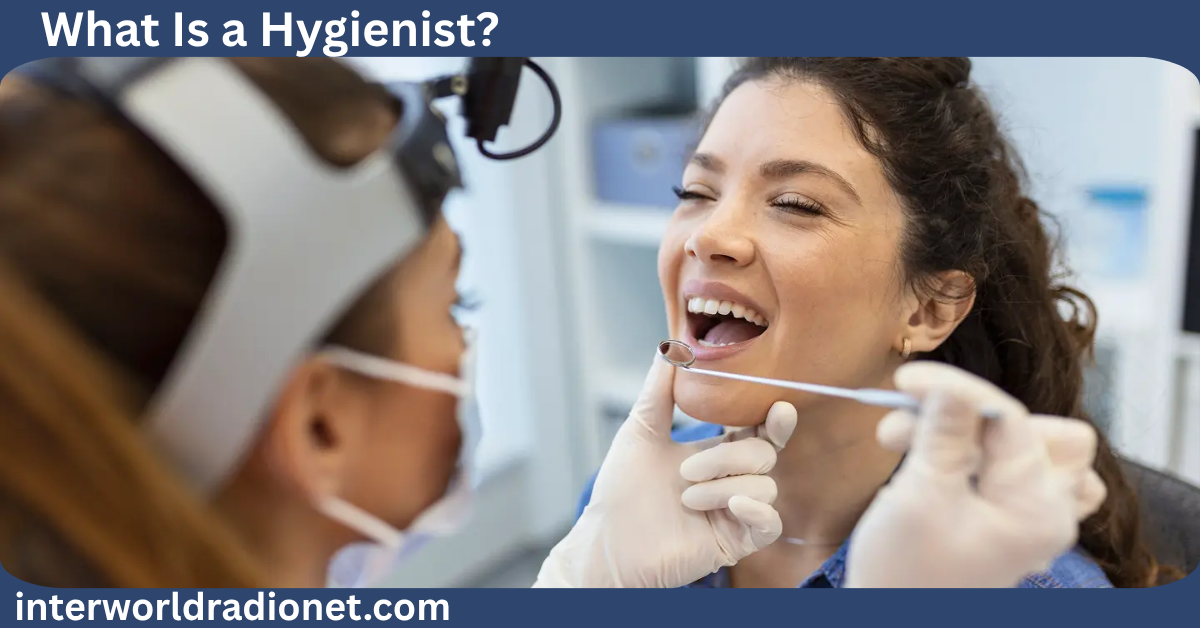
A hygienist is a trained healthcare professional who helps prevent disease, maintain health, and teach people how to care for their bodies. The term can refer to different types of professionals, but in the United States, the phrase “what is a hygienist” most often refers to a dental hygienist.
A dental hygienist is a licensed oral health professional who focuses mainly on preventing dental disease and helping patients maintain healthy teeth and gums. Dental hygienists commonly provide preventive care, clean teeth, examine the mouth for signs of potential problems, take dental X-rays when permitted by state law and workplace rules, apply preventive treatments, and educate patients about oral hygiene.
Unlike a dentist, a dental hygienist does not usually diagnose and treat every type of dental condition. Instead, hygienists work as part of the dental care team and focus strongly on prevention and oral health education.
In simple terms, a dental hygienist helps keep your mouth clean and healthy and helps identify possible concerns early.
For example, during a routine dental visit, a hygienist may remove plaque and tartar from the teeth, clean around the gumline, polish the teeth, measure areas around the gums, provide oral hygiene instructions, and discuss habits such as brushing, flossing, and diet.
The exact duties of a dental hygienist can vary by state because dental hygiene is regulated through state laws and licensing requirements.
What Does a Dental Hygienist Do?
A dental hygienist performs many preventive and educational services. The exact scope of practice depends on the state where the hygienist is licensed.
Common duties can include:
- Cleaning teeth
- Removing plaque and tartar
- Evaluating gum health
- Taking certain dental X-rays
- Applying fluoride treatments
- Applying dental sealants
- Providing oral hygiene education
- Recording information about a patient’s oral health
- Taking dental impressions or other records when permitted
- Screening for signs that may require attention from a dentist
- Discussing proper brushing and flossing techniques
- Helping patients understand ways to reduce their risk of gum disease and tooth decay
A hygienist may also ask questions about a patient’s general health, medications, allergies, and oral health habits. This information can be important because some health conditions and medications can affect the mouth.
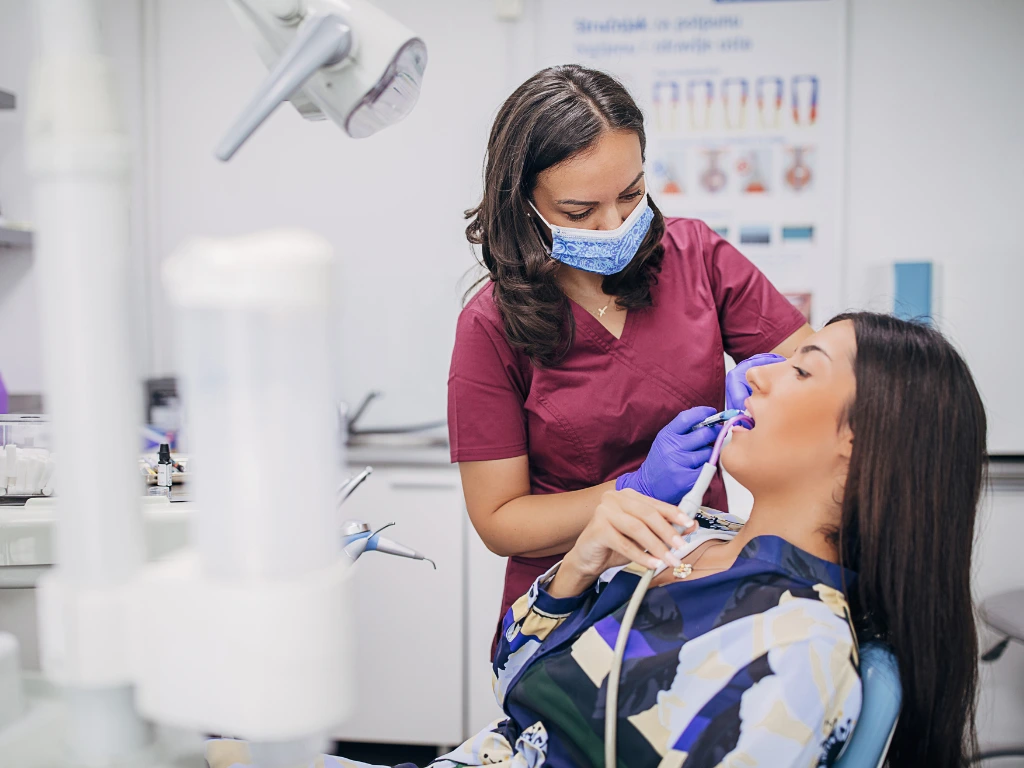
The hygienist then shares relevant findings with the dentist or other members of the dental team.
Also read:Are Dentist Medical Doctors and What Degree Do They Have?
What Is a Dental Hygienist Responsible For?
The main responsibility of a dental hygienist is preventive oral healthcare.
Dental hygienists help patients reduce the buildup of harmful plaque and tartar. Plaque is a sticky film that develops on teeth. If it is not removed regularly, it can contribute to tooth decay and gum disease.
Tartar, also called calculus, is hardened plaque. Once plaque becomes tartar, normal brushing and flossing generally cannot remove it completely. Professional dental cleaning can remove deposits that cannot be adequately removed at home.
A hygienist also helps patients understand that oral health is not limited to having clean-looking teeth. Healthy gums, proper oral hygiene habits, and regular professional care are important parts of maintaining a healthy mouth.
What Happens During a Dental Hygiene Appointment?
A typical dental hygiene appointment may involve several steps.
The visit often begins with a review of the patient’s health information. The hygienist may ask whether there have been changes in medications, medical conditions, dental symptoms, or oral hygiene habits.
The hygienist may then examine the mouth for signs of plaque, tartar, gum inflammation, bleeding, or other concerns.
Next, professional cleaning is performed. The hygienist uses specialized dental instruments to remove plaque and tartar from the teeth.
The teeth may then be polished to remove certain surface stains and leave the tooth surfaces feeling smoother.
Depending on the patient’s needs and state regulations, the hygienist may provide fluoride treatment, dental sealants, X-rays, or other preventive services.
The hygienist may also explain how the patient can improve oral care at home.
A dentist may examine the patient during the same appointment or at another time, depending on the dental practice and the patient’s needs.
What Is the Difference Between a Hygienist and a Dentist?
One of the most common questions about dental care is the difference between a dental hygienist and a dentist.
Both professionals are important members of the dental healthcare team, but their education, responsibilities, and scope of practice are different.
A dentist is a doctor of dentistry who can diagnose oral health conditions and provide a wide range of treatments. Depending on training and licensing, dentists can perform procedures such as fillings, crowns, root canals, extractions, and other forms of dental treatment.
A dental hygienist focuses more heavily on preventive care and oral health maintenance.
For example, a hygienist may clean your teeth and evaluate your gums, while a dentist may diagnose a cavity and determine whether a filling is needed.
The two professionals often work together.
A simple way to remember the difference is:
- Dental hygienist: prevention, cleaning, education, and oral health maintenance
- Dentist: diagnosis, treatment, restorative care, and overall dental management
The exact division of duties can vary depending on state law and the dental practice.
What Is a Dental Hygienist’s Main Goal?
The main goal of a dental hygienist is to help patients maintain good oral health and prevent dental problems whenever possible.
Prevention is important because many dental problems can become more difficult and expensive to manage when they are ignored.
For example, regular professional cleanings can help control plaque and tartar. Good daily brushing and flossing can further reduce the amount of plaque that accumulates between appointments.
Dental hygienists also help patients recognize the importance of regular dental visits.
Their work is therefore not simply about making teeth look clean. It is about supporting long-term oral health.
Why Are Dental Hygienists Important?
Dental hygienists play an important role in preventive healthcare in the United States.
Many people do not realize that oral health can change gradually. Gum disease, for example, may develop without causing severe pain during its early stages.
Regular preventive appointments give dental professionals opportunities to observe changes and educate patients about better oral care.
Dental hygienists can also help patients understand why certain habits matter.
Someone who brushes quickly for 30 seconds may believe they are doing enough. A hygienist can demonstrate a more effective brushing technique and explain areas that are commonly missed.
This educational role is one of the most valuable parts of dental hygiene.
How Does a Dental Hygienist Clean Teeth?
Professional dental cleaning usually involves specialized instruments designed to remove plaque and tartar.
The hygienist carefully works around the surfaces of the teeth, particularly areas where deposits commonly accumulate.
The process may include scaling, which removes hardened deposits, followed by polishing.
Some offices may use powered instruments that help remove deposits and rinse away debris.
Patients may notice sounds, water spray, pressure, or mild sensitivity during cleaning. Most routine cleanings are well tolerated, although the experience can vary depending on gum health and the amount of buildup.
If a patient has significant gum disease or sensitive areas, the dental team may recommend a different type of cleaning or additional treatment.
Does a Hygienist Remove Cavities?
No. A dental hygienist does not normally remove cavities.
A cavity is damage to a tooth caused by tooth decay. Treating a cavity generally requires evaluation and treatment by a dentist or another appropriately licensed dental professional.
However, a hygienist can play an important role in preventing cavities.
During an appointment, a hygienist may remove plaque and provide education about brushing, flossing, fluoride, diet, and other factors that influence oral health.
A hygienist may also notice something that should be evaluated by a dentist.
Can a Hygienist Diagnose Gum Disease?
A dental hygienist may assess and document signs of gum problems within the scope permitted by state law and the dental practice. However, formal diagnosis and treatment responsibilities depend on applicable laws and the dental professional’s license.
During a hygiene appointment, the hygienist may measure areas around the gums and look for signs such as inflammation, bleeding, recession, or periodontal pockets.
If concerning findings are present, the hygienist can communicate them to the dentist.
This teamwork allows patients to receive more complete care.
What Is Gum Disease?
Gum disease is an infection or inflammation affecting the tissues that support the teeth. It can range from early gum inflammation to more advanced periodontal disease.
Early gum disease is often called gingivitis.
Common signs can include:
- Red or swollen gums
- Bleeding during brushing or flossing
- Tender gums
- Persistent bad breath
- Gum recession
- Changes in how teeth fit together
- Loose teeth in advanced cases
Not everyone experiences obvious symptoms, which is one reason regular dental care is important.
A hygienist can help patients improve daily oral hygiene and can alert the dental team when additional evaluation may be needed.
What Is the Education Required to Become a Dental Hygienist?
Becoming a dental hygienist in the United States generally requires specialized education and professional licensing.
Many dental hygienists complete an accredited dental hygiene program. Programs may be offered at community colleges, technical schools, universities, or other approved educational institutions.
Students typically study subjects such as:
- Anatomy
- Physiology
- Microbiology
- Dental anatomy
- Oral pathology
- Periodontology
- Radiography
- Pharmacology
- Patient care
- Dental materials
- Infection prevention
- Clinical dental hygiene
Students also complete hands-on clinical education.
After completing the required education, candidates generally need to meet their state’s licensing requirements. Requirements vary between states and may include examinations, background requirements, clinical assessments, or other conditions.
Because laws can change, people interested in this career should check the current requirements of the state where they intend to practice.
How Long Does It Take to Become a Dental Hygienist?
The amount of time required depends on the educational pathway and the state’s licensing requirements.
Many people enter the profession after completing a dental hygiene program that takes about two years of full-time study. Other educational pathways can take longer and may provide additional academic opportunities.
An associate degree is a common educational route for entry-level dental hygiene careers.
Some hygienists pursue bachelor’s or master’s degrees. Advanced education can be useful for people interested in education, public health, administration, research, or other career paths.
The important point is that completing an approved educational program is only one part of becoming a licensed dental hygienist. Candidates must also satisfy applicable licensing requirements.
Where Do Dental Hygienists Work?
Dental hygienists work in many different healthcare settings.
The most common workplace is a private dental office.
However, dental hygienists can also work in:
- Community dental clinics
- Public health programs
- Schools and educational programs
- Hospitals
- Nursing facilities
- Government programs
- Dental education settings
- Research environments
- Corporate or administrative positions
The work environment can affect a hygienist’s daily responsibilities.
For example, a hygienist working in a public health program may focus heavily on community education and access to preventive care, while a private dental office hygienist may spend most of the day providing clinical services to individual patients.
How Much Does a Dental Hygienist Work With Patients?
Dental hygienists often spend a large part of their working day directly interacting with patients.
This makes communication skills extremely important.
A good hygienist needs to explain procedures clearly and make patients feel comfortable.
Some patients may be nervous about dental treatment. Others may feel embarrassed about their oral hygiene habits.
A professional hygienist should avoid unnecessary judgment and instead provide practical guidance.
For example, instead of simply telling someone to floss more, a hygienist may explain how to hold the floss, how to move it between teeth, and why cleaning between teeth matters.
This patient-centered approach can make oral health education more useful.
What Tools Does a Dental Hygienist Use?
Dental hygienists use specialized equipment and instruments during patient care.
Depending on the procedure, these may include hand instruments, ultrasonic instruments, polishing equipment, suction devices, mirrors, probes, and other dental tools.
Protective equipment and infection-control procedures are also essential.
Dental offices follow infection-prevention practices designed to reduce the risk of spreading infections.
Modern dental hygiene is therefore a combination of clinical knowledge, manual skills, technology, communication, and preventive healthcare.
Is a Dental Hygienist a Doctor?
A dental hygienist is a licensed healthcare professional, but a dental hygienist is not the same type of professional as a dentist.
In the United States, dentists earn professional degrees such as a Doctor of Dental Surgery or Doctor of Dental Medicine.
Dental hygienists generally complete specialized dental hygiene education and obtain a professional license.
Calling a hygienist a healthcare professional is accurate, but the title and professional scope are different from those of a dentist.
Can Dental Hygienists Take X-Rays?
Dental hygienists may take dental X-rays in some settings when permitted by state law, professional requirements, and the dental practice.
Radiography is commonly included in dental hygiene education.
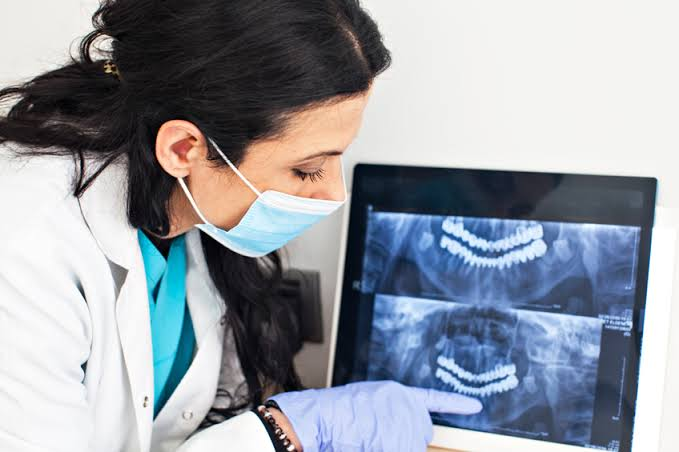
However, rules about who may expose dental X-rays and under what conditions differ between states.
Also read:What Are the Benefits of Being a Dentist?
This is an important example of why people should not assume that every dental hygienist performs exactly the same procedures across the United States.
What Is Preventive Dental Care?
Preventive dental care means taking steps to reduce the risk of oral health problems before they become serious.
Dental hygiene is an important part of preventive dental care.
Preventive care may include:
- Regular dental examinations
- Professional dental cleanings
- Brushing with fluoride toothpaste
- Cleaning between teeth
- Fluoride treatments when appropriate
- Dental sealants when recommended
- Limiting frequent exposure to sugary foods and drinks
- Avoiding tobacco products
- Maintaining regular dental appointments
A hygienist can help patients understand which preventive habits are most appropriate for their individual situation.
How Often Should You See a Dental Hygienist?
There is no single schedule that works for every person.
Some people may benefit from routine cleanings at regular intervals, while patients with certain oral health conditions may need more frequent professional care.
The appropriate schedule depends on factors such as gum health, plaque and tartar buildup, dental history, overall health, medications, smoking or tobacco use, and other risk factors.
Instead of following a fixed schedule simply because someone else does, patients should follow the recommendations of their dental care team.
What Is the Difference Between a Dental Cleaning and Deep Cleaning?
A routine dental cleaning generally focuses on removing plaque, tartar, and surface stains from accessible areas of the teeth.
A deep cleaning, often called scaling and root planing, is a periodontal treatment used when gum disease has affected areas below the gumline.
Scaling removes deposits from tooth surfaces, while root planing smooths affected root surfaces.
Deep cleaning is more involved than a standard preventive cleaning and may be performed according to a dentist’s treatment plan.
The terms are sometimes used casually online, so patients should ask their dental office exactly what procedure is being recommended.
Can a Hygienist Help With Bad Breath?
Yes. A dental hygienist can help identify oral hygiene factors that may contribute to bad breath.
Bad breath can be associated with plaque, gum disease, tongue bacteria, dry mouth, food debris, and other oral conditions.
A hygienist can provide guidance about brushing, cleaning between teeth, cleaning the tongue, and maintaining regular professional care.
However, persistent bad breath can have causes outside the mouth. If the problem continues despite good oral hygiene, a dentist or healthcare professional may recommend further evaluation.
Can Children See a Dental Hygienist?
Yes. Dental hygienists can provide preventive oral health services to children when working within their professional scope and the policies of the dental practice.
Children can benefit from learning good oral hygiene habits at an early age.
A hygienist may teach children how to brush properly, explain why sugary snacks and drinks can affect teeth, and provide age-appropriate oral health education.
Children may also receive preventive treatments such as fluoride or sealants when appropriate.
Early positive experiences can help children become more comfortable with dental care.
Dental Hygienists and Oral Health Education
Education is one of the most important parts of the profession.
Many people know they should brush their teeth but may not know how to brush effectively.
A hygienist can explain:
- How long to brush
- How to position a toothbrush
- How much pressure to use
- How to clean between teeth
- Why gumline cleaning matters
- How diet affects dental health
- How tobacco can affect oral health
- Why regular dental visits matter
Good education can turn a dental appointment into a practical learning experience.
What Skills Does a Dental Hygienist Need?
Dental hygiene requires both technical and interpersonal skills.
A hygienist needs strong attention to detail because small areas of plaque and tartar can be difficult to see.
Hand coordination is also important because dental instruments must be used carefully in a small working area.
Communication is equally important.
Dental hygienists regularly explain procedures, answer questions, discuss oral hygiene, and communicate findings to dentists and other professionals.
Other useful skills include:
- Patience
- Organization
- Professionalism
- Critical thinking
- Time management
- Empathy
- Infection-control awareness
- Knowledge of anatomy and oral disease
The combination of these skills helps hygienists provide safe and effective patient care.
What Is the Work Environment Like for a Dental Hygienist?
Dental hygienists often work in clean, organized clinical environments.
Their work may involve sitting or standing for extended periods and performing repetitive hand movements.
Because dental hygiene is physically demanding, ergonomics and proper positioning are important.
A hygienist may work with multiple patients in a day, so time management can also be important.
At the same time, the career can be rewarding because hygienists directly help people improve their oral health.
Is Dental Hygiene a Good Career?
Dental hygiene can be a strong career choice for people interested in healthcare, preventive medicine, science, and patient interaction.
It can offer opportunities to work directly with patients without requiring the same educational pathway as becoming a dentist.
Career opportunities and pay vary by location, experience, workplace, education, and other factors.
People considering dental hygiene as a career should research current employment conditions, education costs, licensing rules, and job opportunities in their state.
Common Misunderstandings About Dental Hygienists
There are several misconceptions about dental hygienists.
One misconception is that hygienists simply “clean teeth.”
In reality, dental hygiene involves patient assessment, preventive treatment, health education, documentation, infection control, and communication with other members of the dental team.
Another misconception is that hygienists are dental assistants.
Dental assistants and dental hygienists have different educational requirements and professional responsibilities.
A dental assistant may support dentists and hygienists with clinical, administrative, and procedural tasks, depending on state law and training.
A dental hygienist has specialized education focused on preventive oral healthcare.
Another misconception is that every hygienist has exactly the same legal scope of practice. State regulations can create important differences.
Dental Hygienist vs Dental Assistant
Dental hygienists and dental assistants both contribute to dental care, but they perform different roles.
A dental hygienist generally focuses on preventive oral health services, professional cleaning, patient education, and related clinical duties.
A dental assistant may help prepare patients and treatment rooms, assist during dental procedures, manage instruments, handle records, and perform other tasks depending on education, certification, and state requirements.
Both roles are valuable, but they should not be treated as interchangeable.
Why Oral Hygiene at Home Still Matters
Professional dental cleaning cannot replace daily oral care.
A hygienist can remove deposits that cannot easily be removed at home, but patients still need to maintain their teeth and gums between appointments.
Daily oral hygiene generally includes brushing with fluoride toothpaste and cleaning between teeth.
Regular home care helps control plaque accumulation.
Diet also matters. Frequent consumption of sugary foods and drinks can increase the risk of tooth decay.
The best results usually come from combining professional preventive care with consistent daily habits.
What Should You Tell Your Dental Hygienist?
Patients should provide accurate information about their health and medications.
Also read:DDS vs DDS: What Is the Difference Between Two DDS Degrees?
It can be useful to tell the dental team about:
- New medications
- Allergies
- Changes in health
- Pregnancy when relevant to care
- Dental pain
- Gum bleeding
- Tooth sensitivity
- Dry mouth
- Changes in oral hygiene
- Tobacco or nicotine use
Patients should also mention anything unusual they have noticed in their mouth.
Good communication helps the dental team provide safer and more appropriate care.
How Technology Is Changing Dental Hygiene
Dental hygiene continues to evolve as technology improves.
Digital radiography, electronic health records, advanced ultrasonic instruments, improved infection-control equipment, and other technologies have changed how dental professionals work.
Technology can help dental teams document information more efficiently and identify certain oral health findings.
However, technology does not replace professional judgment.
A trained dental professional still needs to interpret findings, communicate with patients, and determine when additional care is needed.
What Should You Expect From a Good Dental Hygienist?
A good dental hygienist should provide professional, respectful, and patient-centered care.
Patients should feel comfortable asking questions.
A hygienist should explain procedures in understandable language and provide realistic recommendations.
Good communication is particularly important for patients who have dental anxiety.
Patients should not feel ashamed to discuss problems such as bleeding gums, missed brushing, flossing difficulties, or sensitivity.
The purpose of preventive dental care is to improve health, not to make patients feel embarrassed.
When Should You Contact a Dentist Instead of Waiting for a Cleaning?
A routine cleaning should not be used as a substitute for evaluation of a serious dental problem.
Patients should contact a dental professional if they experience symptoms such as significant tooth pain, facial swelling, persistent bleeding, a broken tooth, severe sensitivity, or other concerning changes.
In some situations, urgent dental or medical attention may be appropriate.
A hygienist can provide preventive care, but a dentist or other healthcare professional may need to evaluate conditions that require diagnosis or treatment.
How to Choose a Dental Practice With a Hygienist
When choosing a dental practice, consider whether the office provides the services you need and whether the professionals are properly licensed.
You can ask:
- Is the hygienist licensed in the state?
- What preventive services are provided?
- How often are hygiene appointments recommended?
- Does the practice work with patients who have dental anxiety?
- What happens if the hygienist identifies a concern?
- Does the office explain treatment costs before procedures?
- What infection-control practices are followed?
It is also reasonable to check whether the dental professionals are licensed through the appropriate state regulatory authority.
What Is a Hygienist? A Simple Answer
If someone asks, “What is a hygienist?” the simplest answer is:
A dental hygienist is a licensed oral healthcare professional who specializes in preventive dental care, professional teeth cleaning, gum health assessment, and patient education.
Dental hygienists work alongside dentists and other members of the dental team.
Their main purpose is to help people prevent oral health problems and maintain healthy teeth and gums.
Frequently Asked Questions About What Is a Hygienist
Can a dental hygienist work without a dentist?
Whether a dental hygienist can provide services without a dentist physically present depends on state law and the type of dental hygiene practice. Some states allow forms of direct access or expanded practice under specific conditions, while others have more restrictive rules.
Can a dental hygienist prescribe medication?
Generally, dental hygienists do not have the same prescribing authority as dentists or physicians. Medication-related responsibilities depend on state law and the professional’s specific authorization.
Can dental hygienists work in public health?
Yes. Dental hygienists can work in public health programs, community clinics, schools, government programs, and other settings designed to improve access to preventive oral healthcare.
Can a dental hygienist become a dentist?
Yes. A dental hygienist can pursue the additional education required to become a dentist. However, becoming a dentist requires completing the appropriate dental education and meeting all applicable licensing requirements. Dental hygiene experience does not by itself qualify someone to practice dentistry.
Do dental hygienists only work on teeth?
No. Dental hygienists focus on the entire oral environment, including the gums and supporting tissues. Their work can involve oral health education, periodontal assessment, preventive care, and other services within their legal scope of practice.
Conclusion
A dental hygienist is an important member of the oral healthcare team who focuses on prevention, professional cleaning, gum health, patient education, and maintaining good oral hygiene. Understanding what is a hygienist can help patients know what to expect during dental visits and why regular preventive care matters. While hygienists and dentists have different responsibilities, they often work together to protect a patient’s oral health. For people considering this profession, dental hygiene can also provide a meaningful healthcare career built around science, patient care, education, and disease prevention.