World music shapes cultural identity by carrying a community’s language, history, values and sense of place in sound. When people sing a traditional song, play a regional instrument or dance to a familiar rhythm, they express who they are and where they belong. At Interworldradio.net, we treat music as one of the clearest windows into the cultures we cover.
This guide looks at what “world music” means, how music builds and protects identity, how globalization is changing it, and how listeners can engage with it respectfully.
Key Takeaways
- “World music” is a broad, debated label for music rooted in specific cultures, often from outside the Western pop mainstream.
- Music expresses identity through language, instruments, scales, rhythms and the occasions where it is performed.
- Traditional music is part of intangible cultural heritage and depends on transmission from teacher to learner.
- Globalization spreads local sounds worldwide but can also flatten diversity.
- Respectful listening means crediting artists, learning context and supporting musicians directly.
What Does “World Music” Mean?
The term “world music” became popular as a marketing category for record shops and festivals. It grouped together traditional, folk and contemporary music from many regions, often from outside Europe and North America.
The label is useful but imperfect. It can lump together very different traditions, from Andean panpipes to Mongolian throat singing, and suggests that Western pop is the norm against which everything else is “world.” Many musicians and scholars prefer to name specific genres and communities instead.
A Working Definition
For this article, world music means music that is closely tied to a particular cultural or regional tradition, whether it is performed in its original setting or reinterpreted by contemporary artists. The key idea is rootedness: the music carries the marks of the place and people it comes from.
How Music Expresses Cultural Identity
Music signals identity on several levels at once. Listeners may not consciously notice each element, yet together they make a style instantly recognizable.
- Language and lyrics: songs preserve vocabulary, idioms, place names and poetic forms.
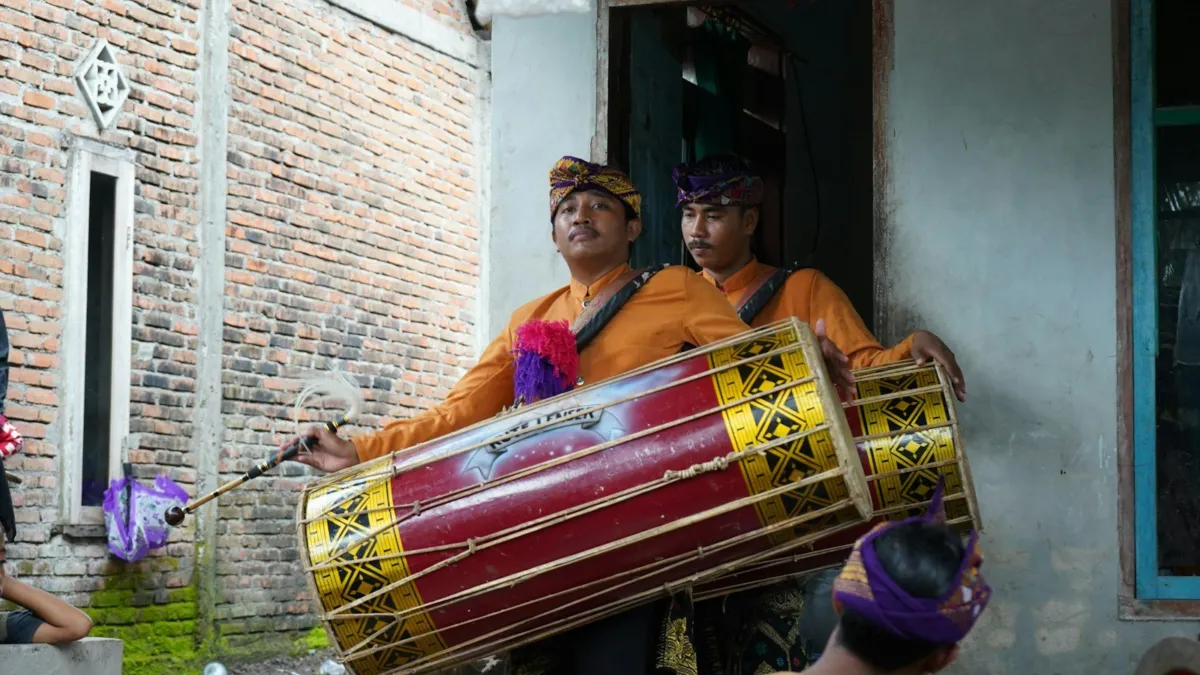
- Instruments: the kora, oud, sitar, charango or bagpipes are tied to particular regions and craft traditions.
- Scales and tuning: many traditions use intervals and modes that differ from Western major and minor keys.
- Rhythm: distinctive patterns, such as Afro-Cuban clave or Balkan odd meters, act as cultural fingerprints.
- Occasion and function: music for weddings, harvests, mourning and worship links sound to the life cycle.
- Dance and movement: shared steps turn listening into collective participation.
Music as Memory
Songs can record a community’s history in a form that is easy to remember and pass on. UNESCO’s page on performing arts as intangible cultural heritage notes that music is found in every society and can record a community’s history, often within rituals, festivals or oral traditions.
This overlap with spoken heritage is strong. Many epics are sung rather than spoken, a link we explore in our guide to oral storytelling traditions worldwide.
Examples of Music and Identity Around the World
The table below shows how a few well-known traditions connect sound with community identity.
| Tradition | Region | Identity it expresses |
|---|---|---|
| Flamenco | Andalusia, Spain | Roma and Andalusian heritage, expressed through song, guitar and dance |
| Griot music | West Africa | Lineage, history and social memory carried by hereditary musicians |
| Fado | Portugal | Longing, urban life and seafaring history in Lisbon and Coimbra |
| Tango | Argentina and Uruguay | The mixed migrant culture of the Río de la Plata region |
| Reggae | Jamaica | Resistance, spirituality and Caribbean identity |
| Qawwali | South Asia | Sufi devotion and shared spiritual practice |
Each of these styles has traveled far from home, yet audiences still associate it with a specific people and place. That association is what makes music such a powerful marker of identity.
Music, Migration and Diaspora
When people move, music moves with them. Diaspora communities often hold on to songs, instruments and dances as a way of staying connected to home and passing heritage to children born abroad.
Migration also creates new sounds. Genres such as tango, salsa and many forms of Afro-diasporic music grew out of encounters between different peoples. Identity in music is rarely fixed; it is built and rebuilt through contact.
Readers interested in these crossings can find more personal accounts in our Global Stories section.
Globalization: Opportunity and Risk
Streaming platforms and international festivals have made it easier than ever to hear music from almost anywhere. A musician in a small town can now find listeners on several continents.
The same forces can also narrow diversity. UNESCO warns that world music trends may homogenize diverse traditions into a consistent product, and that tourism can reduce performances to shortened highlights for visitors. Some practices vital to particular communities may be left behind.
Benefits and Risks at a Glance
- Wider audiences: artists can reach global listeners without major labels.
- New income: touring, festivals and online sales can support musicians.
- Cultural exchange: collaborations spark fresh styles and mutual understanding.
- Homogenization: pressure to sound “accessible” can strip away distinctive features.
- Loss of context: sacred or ceremonial music may be performed without its meaning.
- Uneven benefit: a few popular styles gain while lesser-known forms fade.
International frameworks try to balance these pressures. The UNESCO 2005 Convention on the Diversity of Cultural Expressions sets out commitments by countries to protect and promote diverse cultural expression, including music.
Language, Media and Musical Identity
Songs are among the most effective ways to keep a language in daily use. Young people who no longer speak a heritage language at home may still sing in it, and that exposure can spark wider interest.
Media decisions matter here. Which languages get airtime on radio playlists and streaming charts shapes which identities feel visible, a theme covered in our article on why language diversity matters in media. Broadcasters, including the editors of interworldradio.net, can help by featuring artists who sing in local and minority languages.
How to Listen to World Music Respectfully
Enjoying music from other cultures is a form of connection. A few habits make that connection more respectful and more rewarding:
- Learn the name of the genre, the artist and the community the music comes from.
- Read about the context: is the piece festive, sacred, political or mournful?
- Buy music, tickets or merchandise directly from artists when possible.
- Credit traditional sources when sampling or adapting a melody.
- Seek out local radio, archives and festivals, not only global playlists.
Our Culture section regularly features artists and traditions from around the world, and the music coverage on interworldradio.net is a good place to keep discovering new sounds.
Frequently Asked Questions
What is world music?
World music is a broad label for music rooted in particular cultural or regional traditions, often from outside the Western pop mainstream. It covers traditional, folk and contemporary styles. The term began as a marketing category, and many artists prefer naming the specific genre, such as fado, qawwali or highlife, instead.
How does music shape cultural identity?
Music carries language, history, values and a sense of place. Distinctive instruments, rhythms, scales and lyrics make a tradition recognizable, while performing it at weddings, festivals or rituals ties it to community life. Singing and dancing together reinforces belonging, especially for migrant and diaspora communities living far from home.
Is globalization good or bad for world music?
It is both. Streaming, touring and festivals give artists global audiences and new income. However, pressure to fit international tastes can homogenize styles, and tourism can reduce ceremonies to short performances. The outcome depends on whether communities keep control of their music and its meaning while sharing it widely.
How can I support traditional musicians?
Buy recordings and concert tickets directly from artists, attend local festivals, and share their work with proper credit. Learn about the context of the music you enjoy. Supporting community radio, cultural centers and music schools also helps, because they train new players and keep traditions active for the next generation.