International broadcasting works by producing programmes in one country and delivering them to listeners and viewers in others, using shortwave transmitters, satellites, relay stations, partner stations and the internet. Behind every cross-border broadcast sits a chain of editorial planning, language services, coordinated frequencies and distribution deals that lets a voice travel thousands of kilometres.
At interworldradio.net we follow this world closely, because international broadcasting shapes how billions of people hear about events far beyond their own borders. This guide explains the moving parts in plain language.
Key Takeaways
- International broadcasting means deliberately aiming content at audiences outside the broadcaster’s home country.
- Delivery mixes old and new technology: shortwave, satellite, local FM relays, partner stations, streaming and podcasts.
- Radio spectrum is a shared global resource, so frequencies are coordinated through international rules and schedules.
- Language services and local relevance matter as much as transmitter power.
- Most broadcasters now use a multi-platform strategy rather than relying on a single channel.
What Is International Broadcasting?
International broadcasting is any radio, television or online audio service designed for audiences in other countries. It differs from domestic broadcasting in purpose: the target listener lives abroad, often speaks a different language and may have very different access to media.
Broadcasters do this for many reasons. Some are public service organisations that want to share news and culture with the world. Others serve diaspora communities who want to stay connected with home, while religious, educational and cultural organisations reach out to listeners who share their interests.
Who Runs International Broadcasters?
The landscape includes publicly funded national broadcasters, independent non-profit services, religious networks and commercial operators. Their funding, editorial independence and goals vary widely, which is why audiences benefit from understanding who is behind a service before trusting it.
The Delivery Chain: From Studio to Listener
Every international broadcast follows a similar path, whatever the platform. Understanding the steps helps explain why some services sound crystal clear in one region and are hard to find in another.
- Editorial planning: newsrooms decide which stories matter to each target region and language.
- Production: programmes are recorded or broadcast live, often by dedicated language teams.
- Contribution: audio travels from the studio to transmission sites over fibre, satellite or internet links.
- Transmission: the signal goes out via shortwave, medium wave, satellite, local FM partners or streaming servers.
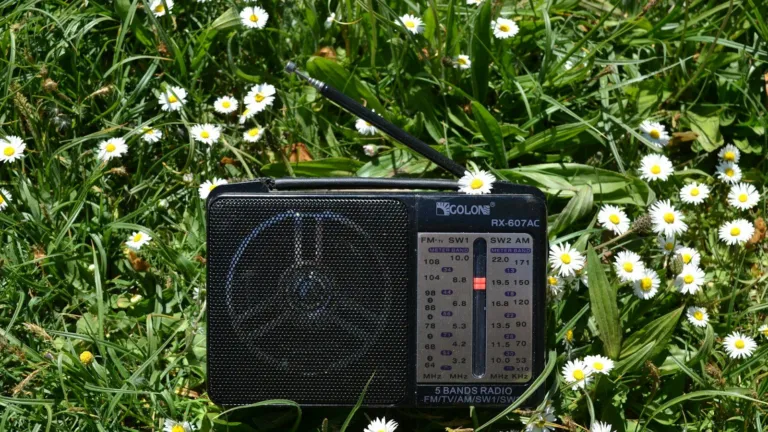
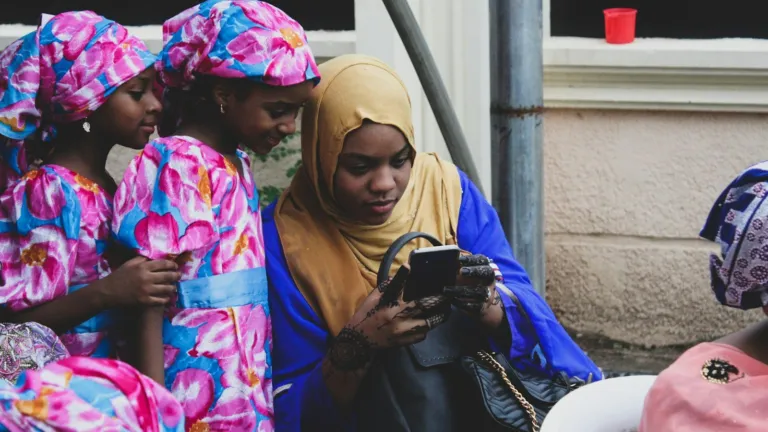
- Reception: listeners tune in on radios, satellite receivers, phones, smart speakers or computers.
Each step introduces choices. A broadcaster might keep high-power shortwave for remote regions while relying on streaming apps for cities with strong mobile networks.
The Main Platforms Compared
No single platform suits every audience. The table below summarises the main options and the trade-offs broadcasters weigh when planning a service.
| Platform | How it reaches listeners | Strengths | Limitations |
|---|---|---|---|
| Shortwave (HF) | Signals reflect off the ionosphere across continents | Very long range, no internet or gatekeeper needed | Variable quality, interference, fewer listeners own receivers |
| Medium wave (AM) | Ground wave by day, sky wave at night | Strong regional coverage | Large transmitters, high power costs |
| Local FM relays and partners | Programmes rebroadcast by stations in the target country | Clear sound, familiar dial position | Depends on local agreements and regulation |
| Satellite | Direct-to-home or feeds to rebroadcasters | Wide footprint, high quality | Requires a dish or receiver |
| Internet streaming and podcasts | Apps, websites and podcast platforms | On demand, global, interactive | Needs affordable data, can be blocked or filtered |
If you are curious how the newer options stack up against traditional radio, our explainer on the differences between internet radio and FM goes deeper.
How Frequencies Are Shared Across Borders
Radio waves ignore national borders, so broadcasting is impossible without cooperation. Frequency use is governed internationally through the ITU Radio Regulations, the treaty framework that allocates spectrum bands to services such as broadcasting.
Shortwave poses a special challenge because signals travel so far. Broadcasters therefore swap and adjust their seasonal schedules through bodies such as the HFCC, a non-profit association that coordinates international shortwave schedules, reducing the risk that two stations collide on the same frequency at the same time.
Why Schedules Change With the Seasons
The ionosphere behaves differently depending on time of day, season and the solar cycle. Engineers pick frequencies that will travel well to a target area at a given hour, which is why shortwave schedules are revised twice a year. Our beginner’s guide to shortwave radio explains how listeners can use these schedules.
Language Services and Editorial Choices
Technology delivers the signal, but content keeps the audience. Successful international broadcasters invest in language services staffed by native speakers who understand local culture, humour and political sensitivities.
Good practice in this area usually includes:
- Separating news from opinion and labelling commentary clearly.
- Covering stories that matter locally, not only those that matter to the home country.
- Inviting audience feedback through messaging apps, call-ins and social media.
- Publishing transparent information about ownership and funding.
Listeners who want to weigh different sources can explore the coverage in our global news section, where context and sourcing take centre stage.
The Shift to Multi-Platform Broadcasting
For decades, international radio meant powerful shortwave transmitters. Today the picture is more varied, and it is one of the trends interworldradio.net watches most closely. Many broadcasters have reduced or ended some shortwave services while expanding podcasts, social video and partnerships with local stations.
Shortwave has not vanished, however. It remains valuable in regions with weak internet infrastructure, during natural disasters and wherever online services are censored. Coordination groups now describe a multi-platform approach in which shortwave complements digital and internet distribution rather than competing with it.
Radio’s Enduring Role
Radio’s reach and low cost keep it relevant. UNESCO marks World Radio Day each year on 13 February to recognise the news broadcasters deliver and the voices they amplify. That mission sits at the heart of international broadcasting, and you can follow more of it in our world radio coverage.
Challenges Facing International Broadcasters
The field faces real pressures. Budgets for public international services are often debated, transmitter sites are expensive to maintain, and audiences are scattered across many platforms.
Signal jamming, website blocking and disinformation campaigns add further obstacles in some countries. In response, broadcasters experiment with mirror sites, proxy tools, satellite delivery and shortwave as a fallback, aiming to keep reliable information within reach.
For a wider view of how voices travel between cultures, browse the latest features from the interworldradio.net newsroom.
International broadcasting only works where journalists can report safely, so it is worth understanding how press freedom differs around the world and what limits it.
Frequently Asked Questions
What is the difference between international and domestic broadcasting?
Domestic broadcasting serves audiences inside the broadcaster’s own country, while international broadcasting targets listeners abroad. International services usually produce content in several languages, plan around time zones and use long-range or partner-based delivery. Their editorial focus also differs, since they explain events to people who may lack local context.
Is shortwave still used for international broadcasting?
Yes. Although many broadcasters have trimmed shortwave services, it is still used to reach remote regions, crisis zones and places where the internet is restricted or unaffordable. Shortwave needs no gatekeeper between transmitter and listener, which makes it resilient. Most broadcasters now combine it with streaming, satellite and local FM partnerships.
Who decides which frequencies broadcasters can use?
Spectrum is managed internationally through the ITU Radio Regulations, which allocate bands to different services, and nationally by each country’s regulator. For shortwave, broadcasters also coordinate their seasonal schedules through groups such as the HFCC so that stations avoid interfering with each other on the same frequency and time.
How can I listen to international broadcasters today?
You can use a shortwave or satellite receiver, tune in to local FM stations that rebroadcast international programmes, or stream services through websites, apps and smart speakers. Many broadcasters also publish podcasts. Checking a station’s current schedule first helps, because frequencies and programme times change with the seasons.