Community radio tells local stories by putting the microphone in the hands of the people it serves. Stations are usually non-profit, run largely by volunteers and owned or governed by their communities, so the programming reflects local languages, concerns and voices rather than national or commercial agendas. Here at Interworldradio.net, we see it as one of the most direct forms of grassroots storytelling.
This article explains what makes community radio different, how stations find and shape their stories, and why the model matters for neighborhoods, villages and minority groups around the world.
Key Takeaways
- Community radio is local, non-profit broadcasting run by and for a specific community.
- Its stories come from residents, volunteers and local groups rather than distant newsrooms.
- Stations often broadcast in minority or local languages that larger media overlook.
- Radio is low-cost and reaches remote listeners, which makes it vital for news, culture and emergencies.
- Participation, not just listening, is what turns a station into a community storyteller.
What Is Community Radio?
Community radio is a third broadcasting sector, alongside public service and commercial radio. Its defining features are local ownership, a not-for-profit purpose and active participation by the people it serves.
A community can be geographic, such as a rural district or an urban neighborhood. It can also be a community of interest, such as a linguistic minority, a migrant group, students or a faith community.
How It Differs From Other Radio
The clearest way to understand community radio is to compare it with the other two sectors.
| Feature | Community radio | Public service radio | Commercial radio |
|---|---|---|---|
| Ownership | Community groups or non-profits | Public bodies or independent public corporations | Private companies |
| Main purpose | Local participation and social benefit | National information, culture and education | Audience reach and profit |
| Funding | Donations, grants, membership, limited advertising | License fees or public funding | Advertising and sponsorship |
| Who makes programs | Mostly volunteers from the community | Professional staff | Professional staff |
| Coverage area | Small and local | National or regional | Market-based |
Why Radio Suits Local Storytelling
Radio remains one of the most accessible media in the world. The United Nations notes on its World Radio Day page that radio is low-cost and reaches remote and vulnerable people regardless of their level of education, and that it plays an essential role in emergency communication.
Those qualities make it a natural home for local stories. A receiver needs no data plan, no literacy and often no mains electricity. A small transmitter can cover a town, a valley or a cluster of islands.
Radio is also intimate, a quality the interworldradio.net team returns to again and again. A familiar voice speaking the local dialect about the local market, school or football team creates a sense of connection that national media rarely match.
How Community Radio Finds and Tells Stories
Community stations do not wait for stories to arrive from news agencies. They gather them from the ground up, often through formats that invite listeners to speak for themselves.
Common Story Formats
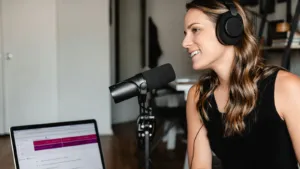
- Call-in and open-mic shows: residents raise issues, ask questions and share opinions live on air.
- Local news bulletins: short reports on council decisions, roadworks, health services and events.
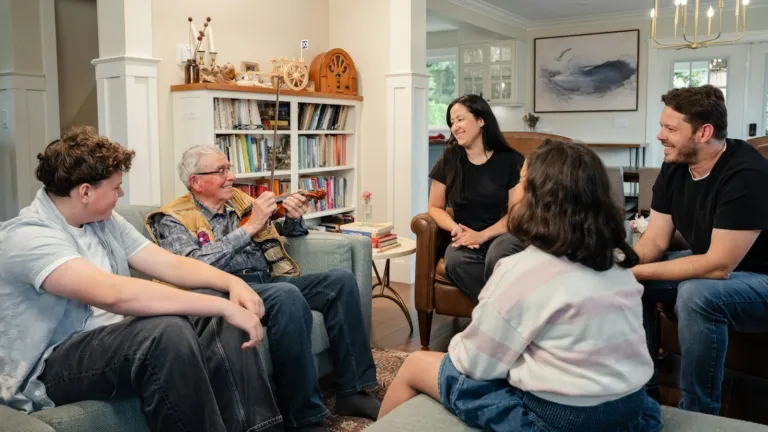
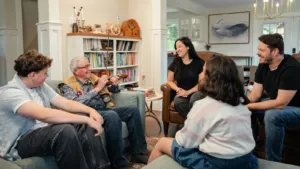
- Oral history programs: interviews with elders about how the area has changed.
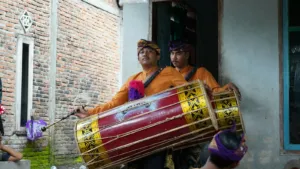
- Music and culture shows: local artists, traditional songs and festival coverage.
- Practical information: farming advice, weather, market prices and public health messages.
- Youth and school programs: young people produce and present their own segments.
From Idea to Broadcast
Many stations follow a simple, participatory process to turn a community concern into a program:
- Listen: volunteers gather ideas at meetings, markets and through listener calls.
- Plan: a small team chooses a topic and decides whose voices should be heard.
- Record: volunteers interview residents, often in their homes or workplaces.
- Produce: the material is edited into a feature, discussion or bulletin.
- Broadcast and respond: the program airs, and listener feedback shapes the next one.
This cycle keeps stories rooted in real lives. It also builds skills, as residents learn interviewing, editing and presenting along the way.
Voices That Mainstream Media Often Miss
National broadcasters must serve large audiences, so small communities and minority languages can receive little airtime. Community radio fills that gap by making local relevance its main goal.
Stations frequently broadcast in Indigenous, regional or migrant languages. That keeps languages audible in public life and connects with spoken traditions explored in our guide to oral storytelling traditions worldwide.
They also give space to groups who are often discussed but rarely heard: women in rural areas, young people, people with disabilities and residents of informal settlements. Hearing those voices directly can change how a whole community understands an issue.
Community Radio and Social Change
Because it is participatory, community radio often becomes a forum for public debate. Listeners hear neighbors discuss water supply, local elections, health campaigns or land rights, and that conversation can lead to action.
The link between broadcasting and civic life is a recurring theme in our Social Issues coverage, and we look at specific examples in our article on radio as a tool for social change.
A Lifeline in Emergencies
When floods, storms or conflicts disrupt power and mobile networks, battery-powered radios often keep working. Local stations can share evacuation routes, shelter locations and health advice in the languages people understand best.
Their local knowledge is a major advantage. Volunteers know the roads, the landmarks and the community leaders, so their information is specific and trusted.
Challenges Facing Community Stations
Community radio is resilient, but it is rarely easy to sustain. Common challenges include:
- Funding: limited advertising and reliance on grants make budgets fragile.
- Licensing: in some countries, legal recognition for the sector is weak or slow.
- Volunteer turnover: skilled presenters and technicians may move on.
- Equipment: transmitters, studios and power supplies need regular maintenance.
- Digital competition: stations must adapt to streaming and podcasts while serving listeners who rely on FM.
Many stations now stream online and publish programs as podcasts, letting migrants and diaspora listeners stay connected. For a wider view of how broadcasters reach audiences across borders, read how international broadcasting works.
Celebrating Radio’s Local Voice
Each year on 13 February, UNESCO’s World Radio Day, proclaimed by its Member States in 2011, highlights the medium’s role in informing and connecting people. For community stations, it is a reminder that small transmitters can carry stories of great importance.
You can explore more people-centered reporting in our Global Stories section. And if you want to follow how local voices shape global conversations, the interworldradio.net newsroom publishes new stories regularly.
Frequently Asked Questions
What is community radio?
Community radio is non-profit broadcasting owned or governed by the community it serves. Volunteers usually make most programs, and content focuses on local news, culture, languages and issues. It sits alongside public service and commercial radio as a distinct third sector, defined by participation rather than profit or national reach.
How is community radio funded?
Most stations combine several sources: listener donations, membership fees, grants from foundations or development agencies, local sponsorship and, where rules allow, limited advertising. Volunteers keep costs low. Funding is often the biggest challenge, so many stations rely on fundraising events and partnerships with local organizations to stay on air.
Why is community radio important for local stories?
It gives residents a direct way to tell their own stories in their own languages. Instead of outsiders deciding what matters, local people choose the topics, conduct the interviews and present the programs. That makes coverage more relevant, more trusted and more inclusive of groups that mainstream media tend to overlook.
Can anyone volunteer at a community radio station?
In most cases, yes. Community stations welcome volunteers for presenting, reporting, editing, technical work, fundraising and administration, and many offer basic training. Requirements vary by station and country, so the best first step is to contact your local station, attend an open meeting and ask how to get involved.