Radio for social change is the use of broadcasting to inform, empower and connect communities so they can improve their own lives. Because radio is affordable, portable and works without literacy or internet access, it remains one of the most effective tools for shifting attitudes, sharing vital information and giving marginalized people a voice.
In this feature, interworldradio.net looks at why radio still matters for social progress, how successful programs are designed, and what challenges stations face today.
Key Takeaways
- Radio reaches people that newer media often miss, including rural, low-income and non-literate audiences.
- Social change radio works best when communities help shape programs rather than simply receive them.
- Formats such as drama, call-in shows and listening groups turn information into conversation and action.
- Funding, safety and trust are the biggest ongoing challenges for change-focused broadcasters.
Why Radio Is Such a Powerful Tool for Change
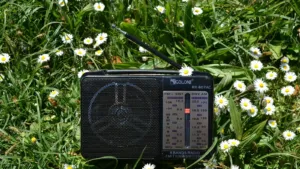
Radio’s strength lies in its simplicity. A battery or wind-up set can bring news, education and entertainment to places without electricity, mobile data or printed newspapers.
It is also intimate. Hearing a familiar voice in your own language builds a sense of trust that is hard to achieve through text alone. That trust is what allows radio to tackle sensitive subjects, from health and gender equality to conflict and climate.
The United Nations observes World Radio Day every 13 February to celebrate the medium’s role in informing, educating and connecting people around the world.
Key Strengths at a Glance
- Low cost: receivers are cheap, and listening is free.
- Wide reach: signals travel across mountains, deserts and borders.
- Oral format: no reading skills are required to benefit.
- Local language: stations can broadcast in minority and regional languages.
- Resilience: radio often keeps working when power grids or networks fail.
How Radio Drives Social Change
Change rarely comes from a single broadcast. It grows when programs combine accurate information with stories, discussion and opportunities for listeners to respond.
Giving Communities a Voice
Community-run stations put microphones in the hands of local people. Farmers, young people, women’s groups and minority communities can raise their own concerns rather than waiting for national media to notice them. Our feature on how community radio tells local stories explores this model in depth.
Sharing Life-Saving Information
During health emergencies, floods or conflict, radio can deliver clear, timely guidance to large populations at once. Development organizations such as BBC Media Action work with local stations on health, climate and safety programming, including support for community radio in Kenya and efforts to keep women’s voices on air in Afghanistan.
Changing Attitudes Through Stories
Radio dramas and serialized stories let listeners explore difficult issues through characters they care about. A storyline about a family facing illness or discrimination can open conversations that a lecture never would.
Holding Power to Account
Call-in programs and local investigative reporting let citizens question officials and share their experiences publicly. That accountability depends on a free and safe media environment in which reporters can work without fear.
Common Formats and What They Achieve
Different formats suit different goals. Many successful projects combine several of them over a season of programming.
| Format | How It Works | Best For |
|---|---|---|
| Radio drama | Serialized fictional stories with relatable characters | Shifting attitudes and social norms |
| Call-in show | Listeners phone or message with questions and views | Public debate and accountability |
| Magazine program | Mix of news, interviews and features | Practical information and education |
| Listening groups | Communities listen together, then discuss | Turning awareness into collective action |
| Public service announcements | Short, repeated messages | Urgent alerts and simple behavior tips |
| Participatory reporting | Local residents produce their own segments | Amplifying underrepresented voices |
Designing a Radio Program for Social Change
Effective programs are planned with, not just for, their audiences. The following steps reflect common good practice in the field.
- Listen first. Talk with the community to understand its priorities, language and listening habits.
- Set a clear goal. Decide whether you aim to inform, change attitudes, encourage a behavior or spark debate.
- Choose the right format. Match drama, call-ins or magazine shows to that goal.
- Use local voices. Feature presenters and contributors the audience recognizes and trusts.
- Build in feedback. Invite calls, messages and listening-group reports, and act on them.
- Measure and adapt. Track responses over time and refine content accordingly.
Language choice deserves special attention. Broadcasting in the languages people speak at home, as we discuss in why language diversity matters in media, can be the difference between being heard and being ignored.
Challenges Facing Social Change Radio
Despite its strengths, change-focused radio operates under real pressure. Understanding these obstacles, which come up again and again in the reporting we publish on interworldradio.net, helps supporters respond effectively.
Sustainable Funding
Many community and nonprofit stations rely on short-term grants. When projects end, programs can disappear just as audiences have come to depend on them.
Safety and Independence
Journalists and presenters who challenge powerful interests may face threats, censorship or closure. Protecting their independence is essential if radio is to remain a trusted space.
Competition for Attention
Mobile phones and social media now compete for listeners, especially younger ones. Stations that stream online, share clips and use messaging apps can extend their reach rather than lose it.
Why This Matters for a Connected World
Radio remains a bridge between communities and the decisions that shape their lives. It turns isolated experiences into shared conversations and helps people see that change is possible.
Explore more coverage of inequality, rights and inclusion in our social issues section, find first-hand voices among our global stories, or return to the interworldradio.net front page for the latest features.
Frequently Asked Questions
Why is radio still effective for social change?
Radio remains effective because it is cheap, portable and works without literacy or internet access. It can broadcast in local languages, reach remote areas and keep running during emergencies. Its familiar human voices build trust, which helps listeners engage with sensitive topics such as health, rights, gender equality and community development.
What is the difference between community radio and social change radio?
Community radio describes who owns and runs a station: local people, usually on a nonprofit basis. Social change radio describes a purpose: programming designed to improve lives or shift attitudes. The two often overlap, but national broadcasters and international organizations also produce change-focused programs, and not every community station focuses on social issues.
How can a radio program measure its social impact?
Programs can track listener calls, messages and listening-group feedback, run surveys before and after a series, and work with partners such as health clinics or schools to spot changes in behavior. Combining audience numbers with stories from listeners gives a fuller picture than any single measurement, and helps refine future content.
Can ordinary people get involved in social change radio?
Yes. Many community stations welcome volunteers as presenters, reporters, technicians or researchers, and often provide training. Listeners can also contribute by calling in, joining listening groups, suggesting topics or sharing personal experiences. Supporting local stations through donations or advocacy helps keep independent voices on air.