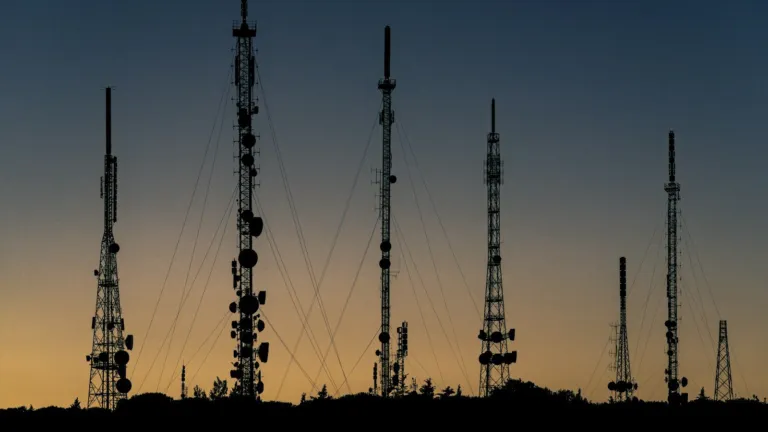
Shortwave radio is a form of broadcasting in the high-frequency (HF) range whose signals bounce off the ionosphere, letting a single transmitter reach listeners on other continents. To get started you need a radio with shortwave bands, a simple antenna, a current schedule and a little patience, especially in the evening when distant stations come alive.
This guide from interworldradio.net walks beginners through how shortwave works, what equipment to choose and how to find stations worth hearing.
Key Takeaways
- Shortwave signals travel long distances by reflecting between the ionosphere and the Earth’s surface.
- Reception changes with time of day, season and solar activity, so schedules matter.
- A portable receiver and a length of wire are enough to begin listening.
- Broadcasters coordinate shortwave schedules internationally to reduce interference.
- Shortwave remains valuable where the internet is unavailable, unaffordable or censored.
What Is Shortwave Radio?
Shortwave refers to radio frequencies higher than the familiar medium wave (AM) band but lower than FM. The name comes from the relatively short wavelength of these signals compared with the long and medium wave bands used in early radio.
What makes shortwave special is distance. While FM usually covers a city or region, a shortwave signal can cross oceans without satellites, cables or internet servers in between. That is why it became the backbone of international broadcasting for much of the twentieth century.
How Signals Travel So Far
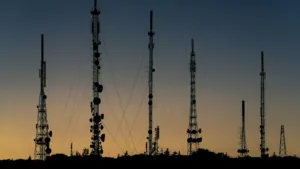
The ionosphere is a layer of charged particles high in the atmosphere. Shortwave signals strike it and are bent back towards Earth, sometimes hopping several times before reaching a receiver thousands of kilometres away.
The ionosphere is shaped by sunlight, so conditions shift through the day and across the seasons. As a rule of thumb, lower shortwave frequencies tend to work better after dark, while higher frequencies often perform best in daylight.
Who Still Broadcasts on Shortwave?
Shortwave is quieter than it was in its heyday, yet it remains active. International public broadcasters, religious networks, regional and national services and some independent stations still use it, particularly to reach remote areas.
Because shortwave travels so far, frequency planning is a global task. The ITU’s Broadcasting Services Division handles frequency assignment work for broadcasting bands including HF, and the HFCC, a non-profit coordination association, maintains a database of international shortwave transmission schedules that it makes freely available online.
Equipment You Need to Get Started
You do not need a large budget or technical training. The approach we recommend at interworldradio.net is to start with modest gear and upgrade only once you know what you enjoy.
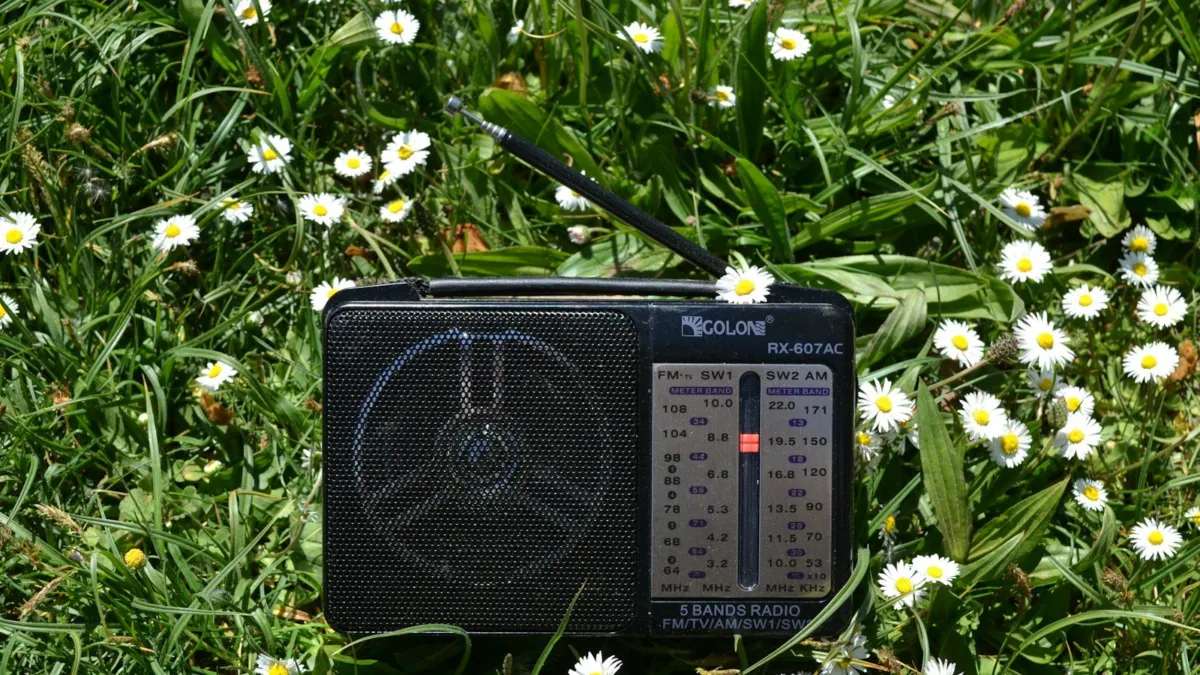
- A shortwave receiver: portable world-band radios are compact and battery powered; tabletop receivers offer finer tuning.
- An antenna: the built-in telescopic antenna works, but a length of insulated wire clipped on and run near a window often improves reception.
- Headphones: they help you pick out weak signals and reduce listening fatigue.
- A schedule: an up-to-date frequency list tells you who is on air, when and where.
- A notebook or log: recording what you hear helps you learn propagation patterns.
Choosing Between Receiver Types
The table below compares the main types of equipment beginners consider. Features vary by model, so treat it as a general guide.
| Receiver type | Best for | Advantages | Trade-offs |
|---|---|---|---|
| Analogue portable | Casual listening | Simple to use, often inexpensive | Harder to tune precisely |
| Digital portable (DSP) | Most beginners | Digital frequency display, memory presets | Some models struggle with strong nearby signals |
| Tabletop communications receiver | Dedicated hobbyists | Better selectivity and sensitivity | Larger, costlier, needs an outdoor antenna to shine |
| Software-defined radio (SDR) | Tech-minded listeners | Visual spectrum display, recording, flexible software | Requires a computer and setup time |
| Online web receivers | Trying before buying | Listen through remote receivers worldwide | Depends on internet access, not true off-grid listening |
If the software side appeals to you, our technology coverage explores how digital tools are reshaping radio reception.
How to Find Stations: A Step-by-Step Approach
Tuning shortwave is part science, part treasure hunt. These steps will help your first sessions feel rewarding rather than frustrating.
- Pick the right time. Evenings and early mornings usually bring the most activity.
- Check a schedule. Look up which stations target your region at that hour.
- Get away from interference. Move away from chargers, LED lights, routers and televisions, which create electrical noise.
- Extend your antenna. Fully extend it, or add a wire, and try positions near a window.
- Tune slowly. Signals can be faint, so scan carefully and pause on anything interesting.
- Log what you hear. Note the time, frequency, language and signal quality.
Understanding Fading and Noise
Shortwave audio often rises and falls in strength. This fading happens because the signal arrives by different paths through a changing ionosphere. It is normal, and part of the character of long-distance listening.
Static and crackle come from natural sources such as thunderstorms and from household electronics. Turning off nearby devices is often the single most effective improvement you can make.
Why Shortwave Still Matters
In an age of streaming, it is fair to ask why anyone still tunes in. The answer lies in resilience: shortwave needs no mobile network, no data plan and no platform that can quietly remove a station.
- It can keep information flowing during disasters when local infrastructure fails.
- It reaches listeners in places where websites are blocked.
- It offers a direct window on how other countries present themselves.
- It connects a worldwide hobby community that shares reception reports and tips.
Digital radio is advancing too, and our explainer on how DAB+ digital radio works shows how broadcasting technology keeps evolving alongside shortwave.
For more on the people and stations behind the signals, explore our world radio section or browse the latest stories on the interworldradio.net homepage.
Frequently Asked Questions
Do I need a licence to listen to shortwave radio?
In most countries you can listen to shortwave broadcasts without any licence, because receiving public broadcasts is generally permitted. Transmitting is a different matter and requires authorisation. Rules vary by country, so if you plan to travel with a receiver or listen to non-broadcast services, check your national regulator’s guidance first.
Why can I hear more shortwave stations at night?
After sunset, changes in the ionosphere allow lower shortwave frequencies to travel much farther, so distant stations become audible. Many broadcasters also schedule transmissions for evening listening in their target regions. Daytime conditions favour higher frequencies, which is why the bands you tune should change as the day goes on.
What is the best antenna for a shortwave beginner?
Start with the telescopic antenna on your radio, fully extended. If reception is weak, clip on a length of insulated wire and run it near a window or outdoors, away from electrical noise. This simple step often makes a noticeable difference. Never place any antenna near power lines.
Can I listen to shortwave without buying a radio?
Yes. Online web receivers let you tune real shortwave radios located around the world through your browser. They are a great way to explore the bands and learn how conditions behave. However, they depend on the internet, so they cannot replace a personal receiver during outages or emergencies.