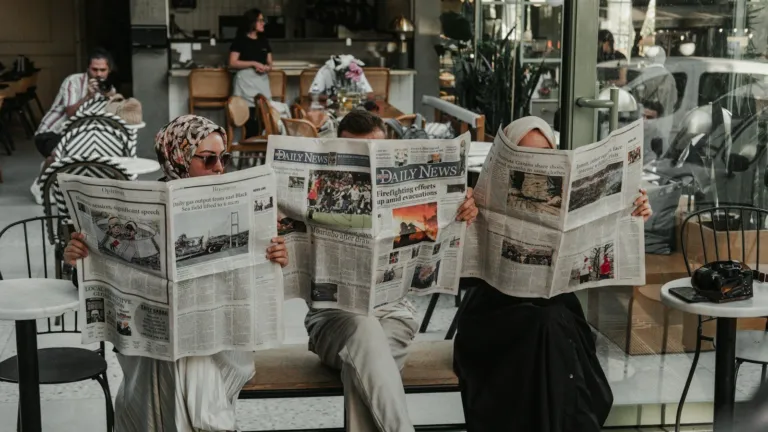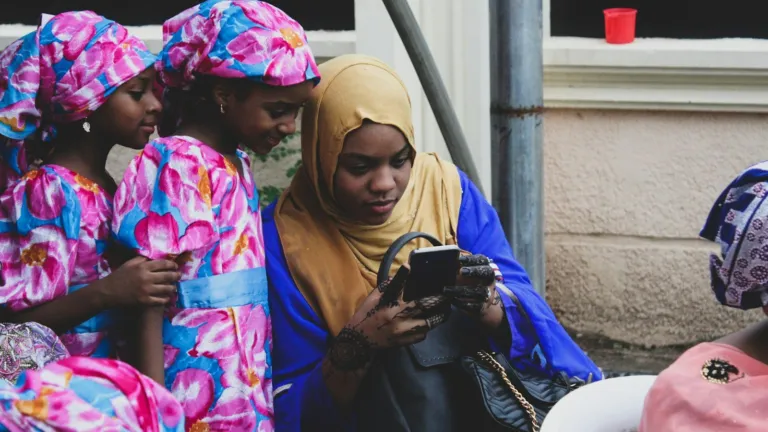
Press freedom is the right of journalists and media outlets to report, publish and broadcast without censorship, harassment or fear of reprisal. Around the world, it varies widely, from countries where independent journalism is legally protected and safe to places where reporters face prison, violence or economic pressure for doing their jobs.
For a platform like interworldradio.net, which shares stories from many countries, press freedom is not an abstract idea. It shapes which stories can be told, who gets to tell them and how much of the world’s news ever reaches an international audience.
Key Takeaways
- Press freedom means journalists can work without censorship, intimidation or punishment.
- It is rooted in the universal right to freedom of opinion and expression.
- Independent indexes compare countries using political, economic, legal, sociocultural and security factors.
- Threats include restrictive laws, violence, surveillance, ownership pressure and online harassment.
- Audiences protect press freedom by supporting independent media and seeking diverse sources.
What Press Freedom Means
At its core, press freedom allows the media to act as a watchdog. Journalists investigate those in power, explain complex events and give a voice to people who might otherwise go unheard.
The principle is anchored in international human rights. Article 19 of the Universal Declaration of Human Rights states that everyone has the right “to seek, receive and impart information and ideas through any media and regardless of frontiers.” Press freedom is how that promise becomes real for entire societies.
Press Freedom vs Freedom of Expression
Freedom of expression belongs to every individual. Press freedom applies that right to journalism, and it also depends on practical conditions: access to public information, the ability to protect confidential sources, financial independence and physical safety.
How Press Freedom Is Measured
Because conditions differ so much between countries, independent organisations track them systematically. The most widely cited is the World Press Freedom Index from Reporters Without Borders (RSF), which ranks 180 countries and territories every year.
RSF scores each place using five indicators. Together, they show not only whether laws protect journalists, but whether reporters can actually work safely and sustainably.
| Indicator | What it looks at | Example of a problem |
|---|---|---|
| Political | Independence of media from government and political pressure | State control of major broadcasters |
| Economic | Financial conditions and ownership of media | Owners using outlets to serve business interests |
| Legal | Laws and regulations affecting journalism | Vague “fake news” or defamation laws used against reporters |
| Sociocultural | Social and cultural pressures on journalists | Stigma for reporting on religion, gender or minorities |
| Security | Physical and psychological safety of journalists | Threats, attacks, detention or surveillance |
Nordic countries consistently appear near the top of the index. In the 2026 edition, Norway is ranked first. At the other end, some states allow almost no independent reporting at all.
The Main Threats to Press Freedom
Press freedom rarely disappears overnight. More often it is worn down gradually, through a combination of pressures that make independent journalism harder, riskier or financially impossible.
- Restrictive laws. Broad rules on national security, defamation or “false information” can be used to silence critical reporting.
- Violence and intimidation. Journalists may face physical attacks, arrest or threats against their families.
- Surveillance. Monitoring of phones and communications puts confidential sources at risk.
- Economic pressure. Concentrated ownership, withdrawn advertising and shrinking revenues weaken independent outlets.
- Online harassment. Coordinated abuse campaigns, often aimed at women journalists, push reporters to self-censor or leave the profession.
- Internet shutdowns and blocking. Restricting access to websites or platforms cuts audiences off from independent sources.
Press Freedom Around the World
Conditions vary within regions as well as between them, and a country’s position can change quickly after elections, conflicts or new legislation.
Strong Protections
Where press freedom is strongest, journalists generally benefit from legal protections, well-funded public service media, transparency rules and a culture that accepts criticism of officials. Even here, economic pressure and online abuse remain real concerns.
Fragile or Declining Conditions
In many places, the media is formally free but under strain. Political polarisation, ownership by allies of those in power and legal harassment can narrow the space for critical coverage without any outright ban.
Severe Restrictions
In the most repressive environments, the state controls most media, foreign outlets are blocked and independent journalists work in exile or underground. Here, cross-border broadcasting and online services can become vital lifelines for audiences.
Why Radio Matters for Press Freedom
Radio has long been one of the most resilient ways to reach audiences when other channels are restricted. International broadcasters and independent stations have carried news across borders for generations, and community stations often serve areas mainstream media overlooks. That resilience is a recurring theme in the radio coverage we publish on interworldradio.net.
Our feature on how community radio tells local stories shows how small, locally run stations give voice to people who are rarely heard elsewhere. For a wider view of how media drives change, explore our Social Issues section.
What Audiences Can Do
Press freedom is not only the responsibility of journalists and governments. Readers and listeners play a part too.
- Support independent media by subscribing, donating or simply engaging with quality reporting.
- Seek diverse sources, including outlets from the countries you are reading about.
- Check before sharing, using the habits in our guide on how to spot reliable global news.
- Speak up when journalists are threatened or unfairly prosecuted.
You can follow international developments on media freedom in our Global News coverage, and discover more voices from around the world through stories on interworldradio.net.
For readers, the practical counterpart to press freedom is careful news consumption, and our checklist on how to spot reliable global news shows how to weigh sources from different countries.
Frequently Asked Questions
What is press freedom in simple terms?
Press freedom is the ability of journalists and media organisations to gather, publish and broadcast news without censorship, intimidation or punishment from governments or other powerful interests. It protects the public’s right to receive accurate information about how their society is run, and it allows citizens to hold leaders accountable for their decisions.
Who measures press freedom around the world?
Several independent organisations monitor media freedom. One of the best known is Reporters Without Borders, which publishes the annual World Press Freedom Index. It scores countries and territories using political, economic, legal, sociocultural and security indicators, giving a comparable snapshot of conditions for journalists and of how those conditions change from year to year.
Is press freedom the same as freedom of speech?
They are closely related but not identical. Freedom of expression is a right that belongs to everyone, while press freedom applies that principle to journalism and the media. Press freedom also covers practical conditions, such as access to information, protection of sources, economic independence and physical safety, that allow reporting to happen at all.
How does a lack of press freedom affect ordinary people?
When the media cannot report freely, people lose reliable information about health, the economy, elections and their own rights. Corruption and abuses are harder to expose, and rumours fill the gap left by independent journalism. Over time, citizens find it harder to make informed decisions or to challenge those in power peacefully.