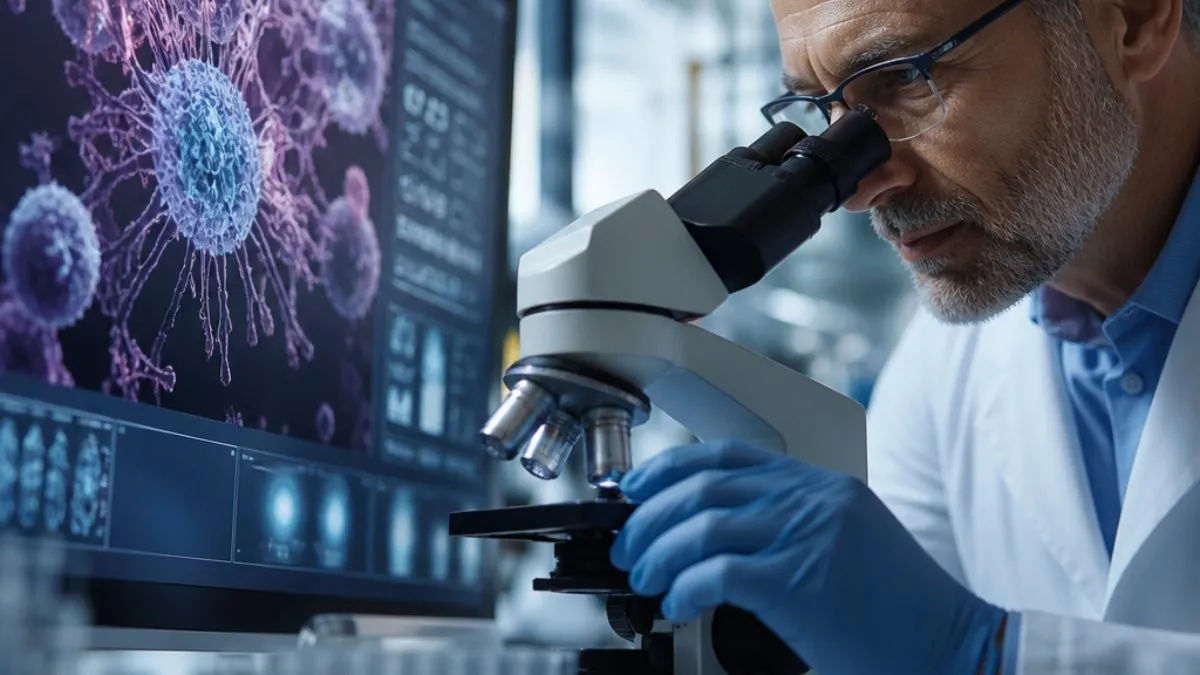
The relationship between immune function and cancer development has become one of the most studied areas in oncology over the past two decades. While most people understand that a strong immune system helps fight off infections, fewer realize how crucial immune health is in detecting and responding to abnormal cell growth that can lead to cancer. This connection has profound implications for how we approach cancer screening, particularly for breast cancer, where early detection remains the most effective tool for improving survival outcomes.
How the Immune System Monitors for Cancer
Every day, the human body produces millions of new cells, and occasionally some develop mutations that could become cancerous. The immune system acts as a surveillance network, identifying and eliminating these abnormal cells before they can multiply and form tumors. Natural killer cells, T cells, and other immune components patrol the body, recognizing cells that display unusual surface proteins or behave differently from healthy tissue.
However, this system is not infallible. Cancer cells can develop mechanisms to evade immune detection, essentially hiding in plain sight. Some tumors secrete substances that suppress local immune responses, while others lose the surface markers that would normally trigger an immune attack. This is why regular screening remains essential, even in people with healthy immune systems. Screening technologies can detect tumors at stages when they are still small and have not yet developed sophisticated evasion strategies.
Immune Disorders and Cancer Risk
People with compromised immune systems face elevated cancer risks, though the degree varies depending on the specific immune dysfunction. Those with autoimmune conditions, organ transplant recipients taking immunosuppressive medications, and individuals with primary immunodeficiency disorders all show higher rates of certain cancers compared to the general population. The connection is particularly strong for cancers linked to viral infections, such as cervical cancer and certain lymphomas, but extends to other malignancies as well.
Interestingly, some autoimmune conditions involve chronic inflammation, which itself can increase cancer risk through a different mechanism. Chronic inflammation damages DNA over time and creates an environment where abnormal cells are more likely to survive and proliferate. This dual risk from both immune dysfunction and inflammation underscores why individuals with conditions affecting the immune system require careful monitoring and often modified screening protocols tailored to their specific health profiles.
The Role of Advanced Screening in High-Risk Populations
Women with immune-related health conditions or family histories of breast cancer benefit significantly from comprehensive screening programs that go beyond standard mammography. Advanced imaging techniques, including 3D mammography and breast MRI, can detect smaller lesions and provide clearer images in women with dense breast tissue, where conventional mammograms may miss early-stage tumors.
For women in Abu Dhabi seeking comprehensive evaluation, facilities offering multidisciplinary approaches provide integrated care that addresses both screening and subsequent treatment if needed. Programs that combine breast cancer screening abu dhabi services with genetic testing and risk assessment can identify women who would benefit from enhanced surveillance protocols, including more frequent screening intervals or additional imaging modalities beyond standard recommendations.
Lifestyle Factors That Support Both Immune Function and Cancer Prevention
While screening detects existing cancers, maintaining robust immune function may help prevent cancer development in the first place. Several lifestyle factors influence both immune health and cancer risk, creating opportunities for risk reduction through daily choices.
Nutrition plays a fundamental role. Diets rich in vegetables, fruits, whole grains, and lean proteins provide the vitamins, minerals, and antioxidants that immune cells need to function optimally. Specific nutrients like vitamin D, selenium, and zinc have documented roles in immune regulation, while fiber supports gut health, where a significant portion of immune activity occurs. Limiting processed foods, excessive alcohol, and added sugars reduces inflammation and may lower cancer risk independent of immune effects.
Regular physical activity strengthens immune function through multiple pathways. Exercise improves circulation, helping immune cells move through the body more efficiently. It reduces chronic inflammation, lowers levels of certain hormones linked to breast cancer risk, and helps maintain healthy body weight. Women who engage in moderate exercise for 150 minutes weekly show measurably lower breast cancer rates compared to sedentary individuals.
When Cancer Spreads: Understanding Secondary Breast Cancer
Despite optimal screening and immune health, some breast cancers are diagnosed at advanced stages or recur after initial treatment. Secondary breast cancer, also called metastatic breast cancer, occurs when cancer cells spread beyond the breast to other organs, most commonly the bones, liver, lungs, or brain. This represents a different disease trajectory than early-stage breast cancer and requires specialized treatment approaches that often involve the immune system.
Modern treatments for advanced disease increasingly harness immune mechanisms. Immunotherapy drugs help the immune system recognize and attack cancer cells that have evaded detection. Targeted therapies block specific proteins that cancer cells use to grow and spread, while newer approaches combine multiple treatment modalities to attack cancer through different mechanisms simultaneously. For detailed information about treatment options and living with secondary disease, resources like those provided by specialized breast cancer support organizations offer valuable guidance for patients and families.
Integrating Screening Into a Broader Health Strategy
The most effective approach to breast cancer prevention and early detection combines regular screening with lifestyle measures that support overall health. Women should begin discussing their individual risk factors with healthcare providers in their twenties, establishing a baseline understanding of family history, genetic factors, and any conditions that might affect immune function or cancer risk.
Screening recommendations vary based on age, risk level, and individual circumstances. Average-risk women typically begin annual or biennial mammograms between ages 40 and 50, depending on national guidelines. High-risk women may start screening earlier, undergo more frequent examinations, and include additional imaging modalities. Those with known genetic mutations, strong family histories, or previous chest radiation require personalized screening plans developed with specialists.
Beyond scheduled screenings, women should perform regular breast self-examinations to become familiar with normal breast tissue. While self-exams do not replace professional screening, they can help identify changes between scheduled appointments. Any new lumps, skin changes, nipple discharge, or persistent pain warrants prompt medical evaluation regardless of when the last screening occurred.
Moving Forward With Informed Vigilance
The intersection of immune health and cancer detection reminds us that cancer prevention is not a single action but an ongoing process. Regular screening catches cancers that develop despite our best prevention efforts, while lifestyle choices that support immune function may prevent some cancers from developing at all. Neither approach alone is sufficient, but together they provide the strongest defense available with current medical knowledge.
Women who understand their personal risk factors, maintain regular screening schedules appropriate to their risk level, and support their immune systems through healthy lifestyle choices position themselves to benefit from early detection when it matters most. As screening technologies continue to advance and our understanding of immune-cancer interactions deepens, the tools for fighting breast cancer will only improve, but the fundamentals remain constant: vigilance, prevention, and early action save lives.