Last updated: 13 November 2026
Quick answer
- The IWRTech archives are the radio-history and technology collection described in a long guide on InterWorldRadio.net.
- According to that guide, the material spans roughly the 1980s to the 2020s: show recordings, programme logs, schematics and station correspondence.
- Access is split into a public section and a restricted section that needs a request with a short statement of use.
- Audio is described as FLAC and documents as PDF, each bundled with a metadata file and a checksum.
- This page is an independent companion summary, not the official archive, so always check details at the source.
The IWRTech archives on InterWorldRadio are a collection of old radio programmes, logs and technical papers that the parent site presents as a record of how community and early internet radio actually worked. Searches such as “iwrtech archives interworldradio” usually come from people who have heard about the collection and want a plain overview before they dig in. This guide gives that overview: what the archive is said to hold, how the access rules work, which finds stand out and how to use the material well.
We are an independent companion blog, not the parent publication. If you are new here, start with what Interworld Radio Net is, and browse the full set of InterWorldRadio.net guides for related topics.
What are the IWRTech archives?
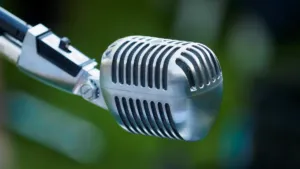
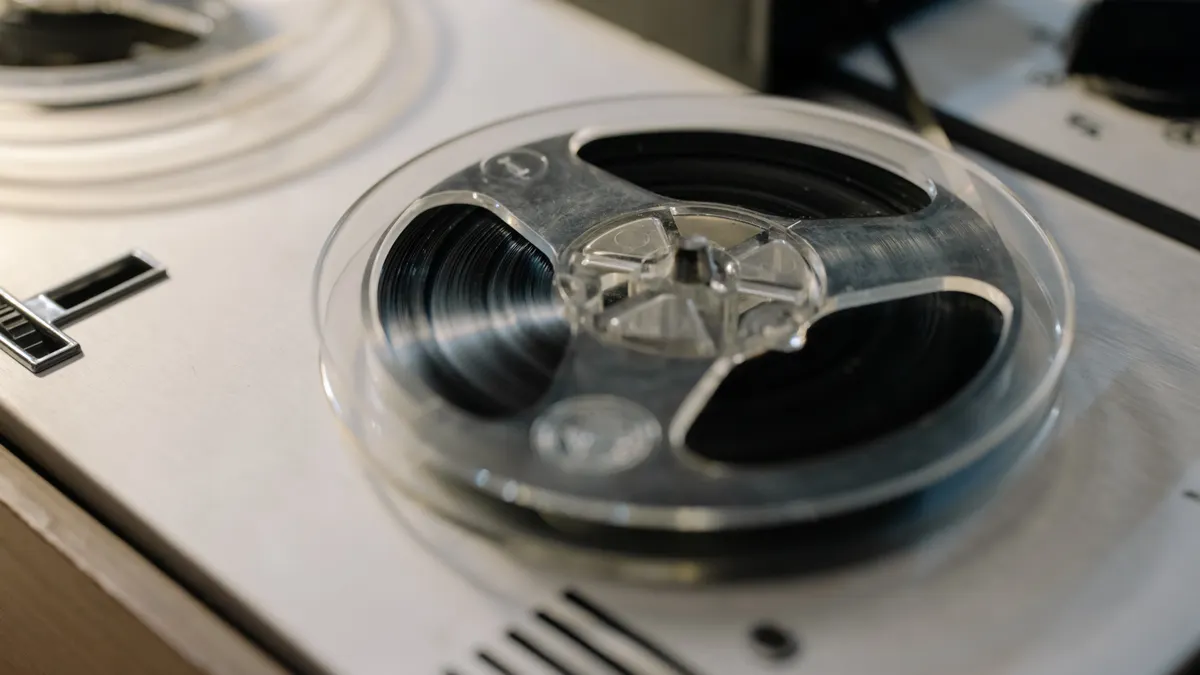
The IWRTech archives are presented as a store of radio history: recorded shows, live broadcasts, interviews, test transmissions and the paperwork that sat behind them. The parent article frames them as a resource for anyone who wants to understand how hosts and engineers made radio before streaming became the default. Paper records are said to be scanned, and old cassettes converted to lossless digital files.
The full explanation is in the original piece, Inside the IWRTech Archives on InterWorldRadio. What follows is our summary and commentary, written in our own words.
The main types of material
- Audio: show reels, live broadcasts, interviews and test transmissions.
- Programme logs: records that help confirm what aired and when.
- Technical documents: schematics plus notes on transmitters and antennas.
- Correspondence: letters and station paperwork that give context to the recordings.
- Metadata: timestamps, contributor consent forms and distribution tags.
Which eras and topics does the archive cover?
The parent guide places the audio between the 1980s and the 2020s, which takes in the analogue years, the first experiments with internet radio and the move to always-on streaming. Recurring themes include hosts adapting broadcast habits for online listeners and volunteers keeping equipment working on tight bandwidth. No individual show titles are named in the article, so we don’t list any here.
That span matters because it covers a real turning point. If you want background on the technology shift itself, our explainer on internet radio vs FM sets out the practical differences that the archived shows were working through.
Why do the IWRTech archives matter?
They matter because community and amateur radio is easily lost. Tapes degrade, volunteers move on and paperwork gets thrown away. An organised archive keeps the formats, decisions and voices of that era available for study and reuse.
The parent article suggests the archive serves several groups at once. The table below summarises who benefits and how, based on that description.
| Who uses it | What they look for | Why it helps |
|---|---|---|
| Researchers | Show formats, signal routing, programming patterns | Primary sources instead of second-hand memories |
| Collectors | Air dates, credits, episode chains | Logs and metadata help verify details |
| Engineers and hobbyists | Transmitter notes, antenna tuning write-ups, schematics | Practical insight into how older kit was adapted |
| Fans and producers | Lost episodes, live feeds, interviews | Restoration, retrospectives and annotated collections |
How do you access and search the archive?
The parent guide describes two tiers. The public section holds shows whose permissions have been confirmed, while the restricted section holds donor-only or rights-pending items that staff release on request, usually as a time-limited download. Search is said to cover title, host, date and frequency, with exact and fuzzy matching.
A sensible search routine
- Start broad with a host name or a rough date, then filter by decade, language or format.
- Switch between exact and fuzzy matching if spellings in old logs are inconsistent.
- Preview audio before you queue files, so you only download what you need.
- For restricted items, send an access request with a clear, honest statement of how you will use the material.
Downloads and file checks
According to the article, audio comes as FLAC and documents as PDF, each packaged with a metadata text file and a checksum. Download limits apply, and academic researchers can ask for extended access. Checking the checksum after download confirms the file arrived intact, which is worth doing with large lossless audio.
What are the most notable finds?
The parent piece highlights several kinds of material rather than single famous recordings. Early experimental shows that mixed talk, music and remote feeds stand out, and the article argues they anticipated ideas later associated with podcasting. It also points to interviews with volunteers and engineers about production and bandwidth choices.
- Recovered live feeds of sports and local events, showing how play-by-play and remote coordination were handled.
- Technical write-ups on antenna tuning and transmitter modifications.
- Episode chains that show personality-led programming, call-ins and themed weeks.
For a wider look at how volunteer stations shaped local life, our collection of community radio stories is a natural companion read.
How can today’s listeners and creators use the material?
The archive is most useful when you treat it as source material rather than nostalgia. Producers can study how earlier hosts kept listeners engaged with limited tools, and engineers can compare old workarounds with modern set-ups. Fan groups, the parent site notes, already build annotated collections and retrospectives from it.
Practical ideas
- Compare an archived call-in show with a current live stream to see what has changed in pacing and audience interaction.
- Use programme logs to build a timeline of a station or presenter before writing about them.
- Read the technical notes alongside a modern guide to see which principles still hold.
- Check the metadata and consent tags before republishing anything, because rights are part of the record.
How do you stay up to date with new uploads?
The parent guide mentions a public changelog that lists new uploads and metadata corrections, with an option to subscribe. It also says the archive accepts donations of tapes, scans and notes. If you hold old recordings, that route can help preserve them.
Elsewhere on the parent site, the science and technology section carries related reading, such as a piece titled “How Artificial Intelligence Is Changing Scientific Research”. For the science side of the network, see our IWR Science News recap, and for climate coverage, our guide to IWR Environment and Eco Vibes.
Is this companion blog the official archive?
No. InterWorldRadioNet.com is an independent companion blog that explains and summarises coverage from the parent site. We don’t host archive files, handle access requests or speak for the archive’s staff. For anything official, go to the original article and follow its instructions.
You can read more about how we work on the InterWorldRadio.net blog home page.
Frequently Asked Questions
What is in the IWRTech archives?
The parent guide describes recorded shows, live broadcasts, interviews and test transmissions from about the 1980s to the 2020s, together with programme logs, schematics and station correspondence. Paper items are said to be scanned and cassettes converted to lossless files, with metadata such as timestamps and consent forms attached to help with verification.
Is the IWRTech archive free to access?
The article describes a public section with items whose permissions are confirmed, plus a restricted section for donor-only or rights-pending material. Restricted items require an access request with a statement of use, and staff may grant a time-limited download. Check the original article for current terms, because access rules can change over time.
What file formats does the archive use?
According to the parent guide, audio is supplied as FLAC, a lossless format, and documents as PDF. Each download is packaged with a metadata text file and a checksum, so you can confirm that a file arrived intact. Download limits are mentioned, and academic researchers can ask for extended access to larger sets.
Can I donate old radio recordings?
Yes, the parent article says the archive accepts donations of tapes, scans and notes. Before offering material, gather any information you have about air dates, presenters and permissions, since metadata and consent are central to how the collection is organised. Contact details and the donation process are on the original page, not on this companion blog.
Is InterWorldRadioNet.com part of the archive team?
No. InterWorldRadioNet.com is an independent companion blog that summarises and explains coverage from the parent site in its own words. We do not host recordings, process access requests or represent archive staff. For official information, downloads or questions about rights, always use the original IWRTech archives article on the parent site.