
What Dental Schools Require CASPer? A Complete U.S. Dental School Guide
September 12, 2026
What Is the Oldest Medical Profession in the World?
September 12, 2026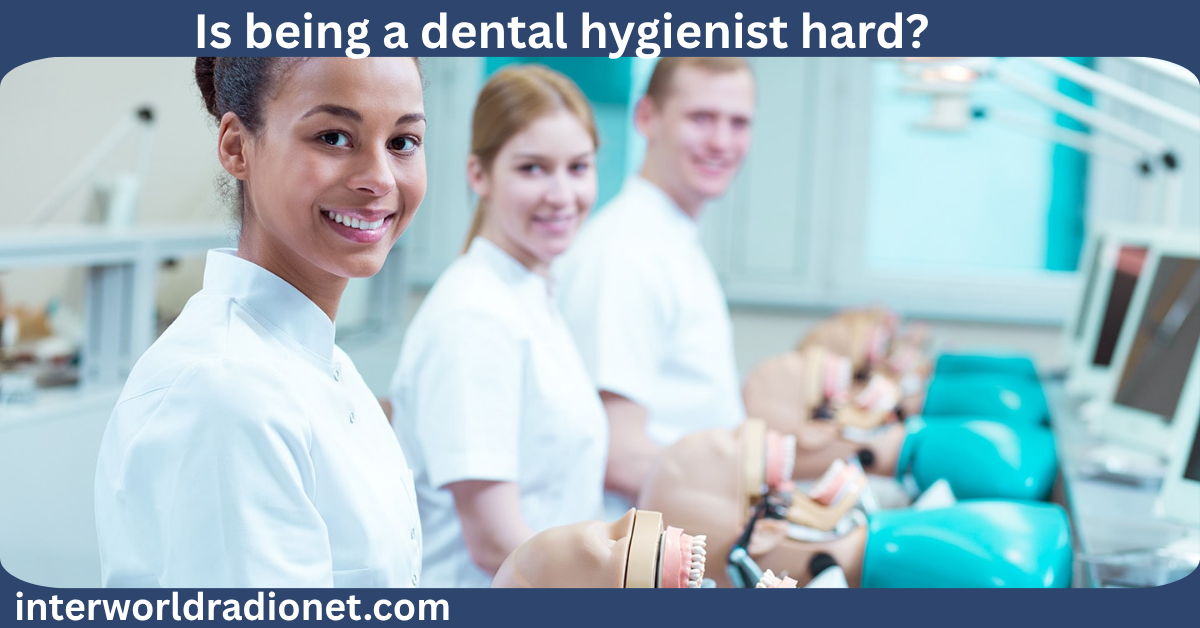
If you are thinking about a career in dental hygiene, you may be asking, “Is being a dental hygienist hard?” The honest answer is that dental hygiene can be challenging, but it is not impossible. The job requires education, technical skills, physical stamina, attention to detail, and good communication with patients.
Dental hygienists work closely with dentists and patients to help prevent oral health problems. Their daily work can include cleaning teeth, taking dental X-rays when permitted by state law and employer policies, checking for signs of oral health problems, educating patients, and maintaining detailed patient records.
For some people, dental hygiene is a rewarding career because it combines healthcare, hands-on work, and regular patient interaction. For others, the physical demands, school requirements, repetitive movements, and responsibility may make the profession more difficult.
This guide explains how hard dental hygiene school can be, what dental hygienists do every day, the physical and emotional challenges of the job, salary and career considerations, and what type of person may be a good fit for this profession.
Is Being a Dental Hygienist Hard?
Being a dental hygienist can be hard in several different ways, but the level of difficulty depends on the person and the workplace.
The education and training require serious effort. Students must learn subjects such as anatomy, physiology, microbiology, dental anatomy, pharmacology, infection control, radiography, and periodontal care. They also need to develop hands-on clinical skills.
The job itself can also be physically demanding. Dental hygienists often sit in one position for long periods while working inside a patient’s mouth. They may perform repeated hand and wrist movements throughout the day.
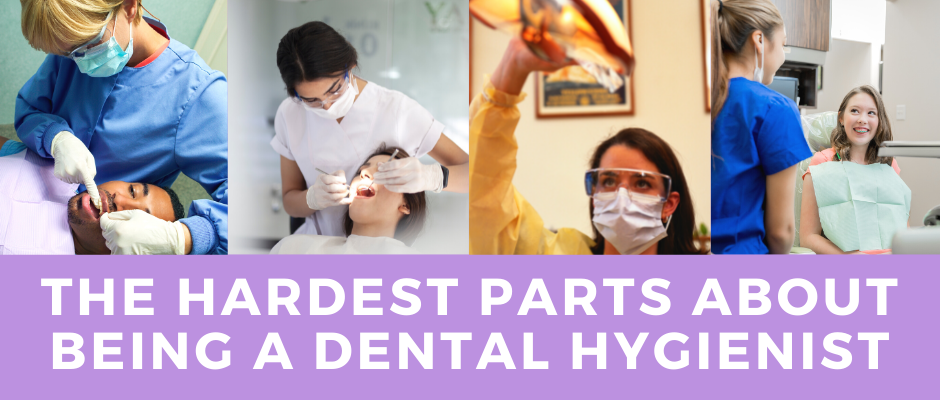
There is also a mental side to the job. A hygienist must pay attention to small details, follow infection-control procedures, understand patient histories, recognize possible problems, and communicate clearly.
Also read:How Much Is Loma Linda Dental School Tuition? A Complete DDS Program Cost Guide
At the same time, many people find the profession manageable after gaining experience. Skills usually become more comfortable with practice, and experienced hygienists often become faster and more confident.
So, is being a dental hygienist hard? Yes, it can be challenging, but the difficulty is often manageable for someone who enjoys healthcare, working with people, and hands-on tasks.
Why Do People Ask, “Is Being a Dental Hygienist Hard?”
People considering this career often want to know what their future work life will actually feel like.
A career can look attractive on paper but feel very different in daily practice. Dental hygiene is a good example because it involves much more than simply cleaning teeth.
Future students may be concerned about the difficulty of dental hygiene school. They may also wonder if the clinical work is tiring, whether patients are difficult to work with, or whether the job can cause physical discomfort.
Some people are also interested in dental hygiene because the educational path can be shorter than many other healthcare careers. This makes the profession attractive to people who want a healthcare job without spending many years in medical or dental school.
Understanding both the advantages and challenges can help you decide whether dental hygiene is right for you.
What Does a Dental Hygienist Do?
A dental hygienist provides preventive oral healthcare under the rules and scope of practice established by the state.
One of the most common responsibilities is professional teeth cleaning. Hygienists remove plaque, tartar, and other deposits from teeth.
They may also polish teeth and provide fluoride treatments when appropriate. Depending on state laws and workplace responsibilities, hygienists may perform other preventive procedures.
Dental hygienists also educate patients. They may explain how to brush properly, how to floss, how to use interdental cleaning tools, and how lifestyle habits can affect oral health.
Another important part of the job is observation. During a visit, a hygienist may notice changes in the mouth that should be evaluated by a dentist or other qualified professional.
The exact duties can vary by state, dental practice, education, and level of authorization.
Is Dental Hygiene School Hard?
Dental hygiene school can be difficult because students must learn both academic information and practical clinical skills.
You are not only studying from books. You are also learning how to safely work with real patients.
Students may have to learn dental anatomy, head and neck anatomy, infection control, pathology, pharmacology, radiography, nutrition, patient education, and other subjects.
Clinical education can be especially demanding. Students must develop hand skills and learn how to use dental instruments correctly.
They also have to learn how to position patients, maintain proper ergonomics, follow safety procedures, communicate with patients, and complete clinical requirements.
The workload can feel heavy because classroom learning and clinical training often happen at the same time.
However, difficult does not mean impossible. Students who attend class regularly, practice consistently, stay organized, and ask instructors for help can improve their chances of success.
What Makes Dental Hygiene School Difficult?
Several parts of dental hygiene education can be challenging.
Learning Dental Science
Students must understand how the body and oral cavity work. They may study anatomy, physiology, microbiology, pathology, and other healthcare subjects.
These courses require memorization as well as understanding.
Developing Hand Skills
Dental hygiene is a hands-on profession. Students must learn to control small instruments accurately.
At first, using instruments correctly may feel uncomfortable. With repeated practice, these movements usually become more natural.
Clinical Requirements
Clinical training can be stressful because students must demonstrate that they can perform procedures correctly.
They may have specific requirements for patient care, documentation, infection control, and clinical performance.
Time Management
Dental hygiene programs can require a large time commitment. Students may have classes, studying, laboratory work, clinical sessions, and other assignments.
Good time management can make a major difference.
Is Dental Hygiene School Harder Than Regular College?
It is difficult to make a simple comparison because every college program is different.
Dental hygiene programs can feel demanding because they combine academic education with hands-on clinical training.
In a traditional academic program, a student may spend much of the day attending classes and studying. In dental hygiene, students also have to develop physical and technical skills.
This combination can make the program feel intense.
The important point is that dental hygiene school requires consistent effort. Waiting until the last minute to study may make the program much harder.
How Long Does It Take to Become a Dental Hygienist?
In the United States, many dental hygienists begin their careers by completing an accredited associate degree program in dental hygiene.
Some students choose a bachelor’s degree, while others pursue additional education later.
The length of the program depends on the school and degree. Many associate programs take about two years of professional study, although prerequisite coursework and admission requirements can make the total college timeline longer.
After completing the required education, graduates generally need to meet their state’s licensing requirements.
Because licensing rules differ by state, students should check the requirements where they plan to work.
What Classes Do Dental Hygiene Students Take?
Dental hygiene students usually study a combination of general education, basic science, dental science, and clinical subjects.
Common areas may include:
- Anatomy
- Physiology
- Microbiology
- Chemistry
- Dental anatomy
- Oral pathology
- Periodontology
- Pharmacology
- Dental radiography
- Infection control
- Nutrition
- Patient education
- Dental materials
- Clinical dental hygiene
The exact course list depends on the program.
Some students find science courses difficult, especially if they have not taken biology or chemistry recently.
Preparing for science classes before entering the program can make the transition easier.
Is Dental Hygiene Physically Hard?
Yes, dental hygiene can be physically demanding.
A hygienist may spend many hours sitting or leaning in a specific position while treating patients.
The hands, wrists, shoulders, neck, and back can experience repeated stress.
Dental hygienists also perform small and precise movements repeatedly. Over time, poor posture or poor working habits can contribute to discomfort.
This is one reason ergonomics is important in dental hygiene.
Why Ergonomics Matters
Ergonomics means designing work habits and equipment in a way that supports safe and comfortable movement.
Dental hygienists need to position the patient, chair, instruments, and their own body carefully.
Good posture and proper positioning can help reduce unnecessary strain.
Taking appropriate breaks when possible can also help.
Is Being a Dental Hygienist Hard on Your Back?
It can be if a hygienist works with poor posture or remains in uncomfortable positions for long periods.
The dental chair and patient position can require a hygienist to lean forward or rotate the body.
If these movements are repeated throughout the workday, they may contribute to neck, shoulder, or back discomfort.
Proper ergonomics is therefore an important part of a long dental hygiene career.
Good equipment, appropriate positioning, regular movement, and attention to body mechanics can help support physical comfort.
Is Being a Dental Hygienist Hard on Your Hands?
Dental hygiene involves frequent hand and wrist movements.
Hygienists use small instruments and perform detailed work in a limited area. This requires control and precision.
Repeated movements can become tiring, particularly during busy workdays.
Learning efficient instrument techniques and using proper hand positioning can help make the work more comfortable.
Students should take ergonomics seriously from the beginning rather than waiting until discomfort becomes a problem.
Is Dental Hygiene Mentally Hard?
Dental hygiene can also be mentally demanding.
A hygienist has to stay focused while working with patients.
Small details matter. The hygienist must follow proper procedures, maintain infection control, use equipment correctly, document care, and communicate important information.
Patient education also requires attention.
A patient may have questions about bleeding gums, brushing, flossing, sensitivity, or other oral health concerns. The hygienist needs to explain information in a way the patient can understand.
The job can become especially challenging when the schedule is busy.
Is Being a Dental Hygienist Emotionally Hard?
For some people, it can be.
Dental hygienists work with many different personalities. Some patients may feel nervous, embarrassed, uncomfortable, or afraid of dental treatment.
A hygienist must remain professional and patient.
Some patients may also have poor oral hygiene habits and feel embarrassed about their teeth. A good hygienist should educate rather than shame the patient.
This requires empathy and communication skills.
The emotional difficulty varies from person to person. Someone who enjoys helping people may find patient interaction rewarding rather than stressful.
Is Being a Dental Hygienist Stressful?
Dental hygiene can be stressful, but workplace conditions make a major difference.
A hygienist working in a busy dental office may see many patients during the day. A full schedule can require the hygienist to move quickly while maintaining quality and safety.
Other sources of stress may include difficult patients, unexpected clinical findings, scheduling pressure, documentation, and workplace expectations.
However, not every dental office operates the same way.
A supportive employer, reasonable schedule, good equipment, and positive workplace culture can make the job much more comfortable.
Is Being a Dental Hygienist Harder Than Being a Dental Assistant?
These are different careers with different responsibilities, so one is not automatically harder than the other.
Dental assistants may support dentists during procedures, prepare treatment rooms, manage instruments, assist with patient care, and perform administrative or clinical duties depending on their training and state regulations.
Dental hygienists focus more directly on preventive oral healthcare and periodontal care.
Dental hygiene education is often more extensive than dental assisting education because hygienists have a different clinical role and scope of practice.
The better career depends on your interests, educational goals, and preferred type of work.
What Is the Hardest Part of Being a Dental Hygienist?
There is no single hardest part for everyone.
For some people, dental hygiene school is the hardest part.
For others, the physical demands of clinical work are the biggest challenge.
Some hygienists may find patient communication more difficult, especially when patients are anxious or unwilling to change their habits.
Others may struggle with busy schedules and the need to maintain accuracy while working efficiently.
Understanding your own strengths can help you decide whether these challenges are manageable for you.
What Are the Easiest Parts of Being a Dental Hygienist?
Not every part of dental hygiene is difficult.
Once a hygienist gains experience, many routine procedures become more familiar.
Patient education can also become easier with practice. Over time, hygienists usually develop their own way of explaining oral health concepts.
Working with familiar instruments and equipment can also become more comfortable.
Many hygienists enjoy the routine nature of the profession. A predictable schedule can be attractive to someone who prefers structured work.
The easier parts often become more noticeable after the first years of education and professional practice.
What Skills Do You Need to Be a Dental Hygienist?
Successful dental hygienists need a combination of technical and personal skills.

Communication Skills
A hygienist must communicate clearly with patients and coworkers.
Attention to Detail
Oral healthcare requires careful observation and accurate documentation.
Hand Coordination
Dental hygiene requires precise hand movements and good coordination.
Patience
Some patients need extra reassurance or repeated explanations.
Organization
Hygienists need to manage appointments, instruments, records, and clinical responsibilities.
Professionalism
Patients trust healthcare professionals with important aspects of their care, so professionalism is essential.
Do You Have to Be Good at Science to Become a Dental Hygienist?
You do not need to be a science expert before entering a dental hygiene program.
However, you should be prepared to study science seriously.
Courses such as anatomy, physiology, microbiology, and other health sciences are important parts of dental hygiene education.
If science is currently difficult for you, that does not automatically mean dental hygiene is the wrong career.
It may mean you need additional preparation and study support.
Students can improve their performance by reviewing basic biology, attending tutoring sessions, creating a study schedule, and asking instructors questions.
Is Dental Hygiene a Good Career?
Dental hygiene can be a good career for people who enjoy healthcare, patient education, and hands-on work.
The profession can offer a direct role in preventive oral health.
Many dental hygienists also appreciate having a clearly defined clinical profession without going through the longer educational path required to become a dentist.
However, no career is perfect.
Dental hygiene can involve physical strain, repetitive work, patient-related stress, and continuing education requirements.
The right question is not simply whether dental hygiene is a good career. The better question is whether it matches your interests, abilities, lifestyle, and long-term goals.
What Are the Benefits of Being a Dental Hygienist?
There are several potential benefits.
Healthcare Career
Dental hygiene allows you to work directly in healthcare and contribute to patients’ oral health.
Hands-On Work
If you dislike sitting at a desk all day, dental hygiene may be appealing because much of the job involves practical clinical work.
Patient Relationships
Hygienists often see patients regularly, which can allow them to build professional relationships.
Career Flexibility
Depending on location and employer opportunities, dental hygienists may work in different types of dental settings.
Educational Path
The educational path can be shorter than that of a dentist or many other advanced healthcare professionals.
Preventive Care Focus
People interested in prevention may enjoy helping patients avoid or reduce future oral health problems.
What Are the Disadvantages of Being a Dental Hygienist?
Dental hygiene has some challenges that should be considered before choosing this career. The work can involve repetitive movements and sitting in the same position for long periods, which may become uncomfortable. Some patients may also be nervous or difficult to work with. Dental hygiene school requires serious study and clinical practice, while the job requires careful attention to infection control and safety. Some hygienists may later want more variety or broader clinical responsibilities. Understanding these challenges can help you decide if dental hygiene is the right career for you.
Can Dental Hygienists Have a Good Work-Life Balance?
Dental hygiene can provide a good work-life balance for some professionals, but this depends heavily on the workplace.
Some dental offices offer part-time schedules or predictable working hours.
Others may require longer days or more patients.
The schedule can also vary depending on whether you work in a private dental practice, public health setting, educational environment, or another healthcare setting.
When researching jobs, do not look only at salary. Consider working hours, patient volume, benefits, commute, workplace culture, and opportunities for advancement.
How Much Do Dental Hygienists Make?
Dental hygienist pay varies across the United States.
Income can depend on factors such as location, experience, education, employer, work schedule, and local demand.
Some hygienists work full time, while others work part time or at multiple offices.
Hourly pay can be an important factor because dental hygiene is often structured around scheduled patient appointments.
People researching salary should look at current wage information for the specific state or metropolitan area where they plan to work rather than relying on a national average alone.
A high salary in one location may not provide the same lifestyle as a lower salary in an area with different housing and living costs.
Is Dental Hygiene Worth It?
Whether dental hygiene is worth it depends on your goals.
If you want a healthcare career with hands-on patient care and a relatively direct educational path, dental hygiene may be worth considering.
If you dislike repetitive work, physical positioning, or frequent patient interaction, you may find the career less attractive.
The best way to evaluate the profession is to look beyond salary.
Consider the entire experience, including education, clinical training, daily responsibilities, physical demands, schedule, workplace environment, and long-term career options.
Can Dental Hygienists Work Part Time?
Yes, part-time dental hygiene work is possible in many settings.
Some dental practices employ hygienists for only certain days of the week.
Part-time work can appeal to people who want greater schedule flexibility.
However, the availability of part-time positions depends on the local job market and individual employers.
A hygienist may also work at more than one dental office to create a preferred schedule.
Can Dental Hygienists Work in Different Settings?
Dental hygienists are commonly associated with private dental offices, but other opportunities may exist.
Depending on education, state requirements, and the position, dental hygienists may work in areas such as public health, education, community programs, specialty dental practices, or other healthcare-related environments.
Some professionals also move into roles involving education, administration, sales, or other dental industry activities.
Career options can expand with additional education and experience.
Is Being a Dental Hygienist Hard for Introverts?
Being an introvert does not automatically make dental hygiene a bad career choice.
However, the job involves regular communication with patients.
A hygienist needs to explain procedures, answer questions, provide education, and create a comfortable environment.
You do not need to be extremely outgoing.
Good listening skills, professionalism, patience, and clear communication are often more important than having a highly social personality.
An introverted person can become an excellent hygienist with practice and confidence.
Is Being a Dental Hygienist Hard If You Are Afraid of Blood?
Dental hygiene can involve exposure to blood and other bodily fluids.
Students and professionals must learn appropriate infection-control and safety procedures.
If you have a strong reaction to blood, this is something to seriously consider before choosing the career.
Some people become more comfortable after repeated exposure in a professional environment.
Others may continue to find it difficult.
It can be helpful to understand the reality of clinical work before enrolling in a program.
Is Being a Dental Hygienist Hard If You Do Not Like Teeth?
This is an important question.
Dental hygienists spend most of their working day dealing with teeth, gums, and the oral cavity.
If you strongly dislike working around mouths or teeth, dental hygiene may not be a good match.
Also read:Is Being a Dental Hygienist Hard? A Complete Guide to the Job, School, and Career
Enjoying or at least feeling comfortable with oral healthcare is important.
You do not need to be fascinated by teeth, but you should be comfortable performing close-up clinical work inside a patient’s mouth.
How Can You Make Dental Hygiene School Easier?
Good preparation can make dental hygiene school easier to manage. Build strong study habits before the program becomes busy, and review basic science if you have been away from school for some time. Create a weekly study schedule, practice clinical skills regularly, and ask for help when needed. Tutoring, study groups, instructor guidance, and organized notes can also help. Getting enough sleep and taking regular breaks can improve focus and make studying more effective.
What Should You Know Before Becoming a Dental Hygienist?
Before becoming a dental hygienist, understand that the career involves both healthcare and physical work. You will work closely with patients, use precise hand movements, follow strict infection-control procedures, and communicate with people from different backgrounds. You will also have professional responsibilities that depend on your state’s rules. Understanding these demands before enrolling can help you decide whether dental hygiene is the right career for you.
What Personality Is Best for a Dental Hygienist?
There is no single personality type required.
However, certain traits can make the job easier.
A good dental hygienist is often patient, organized, detail-oriented, calm, professional, and comfortable communicating with others.
Empathy is also important.
Patients may feel embarrassed about their oral health. A respectful hygienist can provide education without making the patient feel judged.
Being able to remain focused during repetitive clinical tasks is another useful quality.
Can Dental Hygiene Become Easier With Experience?
Yes.
Like many careers, dental hygiene often becomes more comfortable with practice.
New graduates may need more time to complete procedures because they are still developing their clinical skills.
Over time, they may become more efficient with instruments, patient communication, documentation, and scheduling.
Experience can also make difficult situations easier to manage.
A nervous patient who seems challenging to a new hygienist may be easier for an experienced professional to understand and reassure.
However, experience does not remove every challenge. The physical nature of the work remains an important consideration throughout a dental hygiene career.
How to Know If Dental Hygiene Is Right for You
Ask yourself several practical questions.
Do you enjoy healthcare?
Are you comfortable working closely with people?
Do you like hands-on work?
Are you willing to study science?
Can you work carefully for long periods?
Are you comfortable working around mouths, teeth, and bodily fluids?
Can you communicate respectfully with different types of patients?
Are you willing to learn proper ergonomics?
If most of your answers are yes, dental hygiene may be worth exploring.
You should also research accredited programs, admission requirements, licensing rules, and employment opportunities in your area before making a final decision.
Dental Hygienist vs. Dentist
Dental hygienists and dentists both work in oral healthcare, but their education and responsibilities are different.
A dentist completes dental school and is trained to diagnose and treat a broad range of oral health conditions.
A dental hygienist focuses heavily on preventive care and patient education within the scope allowed by state law.
Becoming a dentist requires substantially more education and training.
Becoming a dental hygienist generally requires a shorter educational pathway, although it still requires serious academic and clinical preparation.
Neither profession is simply a better version of the other. They are different career paths.
Dental Hygienist vs. Dental Assistant
Dental hygienists and dental assistants also have different roles.
Dental assistants commonly help dentists during procedures, prepare treatment areas, handle instruments, support patient care, and perform other duties depending on their training and state regulations.
Dental hygienists focus more directly on preventive oral healthcare.
The educational requirements and licensing rules are different.
Someone who wants more direct responsibility for preventive oral health may prefer hygiene, while someone who enjoys supporting a broader range of dental procedures may prefer dental assisting.
Is Being a Dental Hygienist Harder at the Beginning?
The first stage of the career can feel harder because everything is new.
New hygienists are learning how to manage patients, work efficiently, document care, maintain proper positioning, and handle the pace of a real dental office.
School provides clinical experience, but real-world work can still feel different.
Confidence usually develops with repeated practice.
It is normal for a new professional to need time to become comfortable.
What Can Make a Dental Hygienist Job Easier?
Several workplace factors can make a major difference.
A supportive dental team can reduce stress.
Modern equipment can improve comfort and efficiency.
A reasonable appointment schedule can reduce pressure.
Good ergonomics can help reduce physical strain.
Clear communication between dentists, hygienists, assistants, and administrative staff can improve the working environment.
This is why two dental hygienists can have very different experiences even though they have the same job title.
The workplace matters.
Common Misconceptions About Dental Hygiene
One common misconception is that dental hygienists only clean teeth.
In reality, the profession involves patient education, clinical observation, documentation, infection control, and other responsibilities.
Another misconception is that dental hygiene is easy because the educational program may be shorter than dental school.
Shorter does not mean easy.
The program still requires science knowledge and clinical competence.
A third misconception is that dental hygienists spend the entire day talking with patients.
There is communication, but much of the work also requires concentration and precise clinical movements.
Final Thoughts
So, is being a dental hygienist hard? It can be, but the difficulty comes from several manageable areas rather than one impossible challenge. Dental hygiene school requires serious study and clinical practice, while the job requires physical stamina, attention to detail, communication, and patience.
The profession may be a good choice for people who enjoy healthcare, hands-on work, preventive care, and regular patient interaction. It may be less suitable for someone who dislikes repetitive movements, working closely inside patients’ mouths, or physically demanding clinical tasks.
Before choosing this career, look at the complete picture. Research dental hygiene programs, understand your state’s licensing requirements, learn about the physical demands, and consider the type of workplace you want. Talking with practicing dental hygienists or observing a dental office can also give you a more realistic idea of daily work.
Dental hygiene is not an effortless career, but with the right preparation, skills, and work environment, it can be a meaningful and sustainable healthcare profession.
Frequently Asked Questions About Being a Dental Hygienist
Can dental hygienists advance their careers?
Yes. Dental hygienists can pursue additional education and experience to move into areas such as education, administration, public health, research, or other dental-related roles. The available opportunities depend on education, state rules, and professional goals.
Do dental hygienists have to renew their licenses?
In most states, licensed dental hygienists must meet continuing education and license-renewal requirements. The exact rules are different in each state, so professionals should check with their state’s dental regulatory authority.
Can a dental hygienist become a dentist later?
Yes, a dental hygienist can eventually pursue dental school. However, becoming a dentist requires completing the required prerequisites, dental school admission requirements, dental education, clinical training, and licensing steps. Dental hygiene experience does not replace dental school.
Is dental hygiene a good career for someone who wants a stable healthcare job?
Dental hygiene can be a good option for people interested in a healthcare career focused on preventive oral health. However, job availability, pay, schedules, and workplace conditions vary by location, so prospective students should research their local market before choosing a program.
Can dental hygienists specialize in a particular area?
Dental hygienists may develop interests or additional expertise in areas such as periodontal care, public health, education, or specialty dental settings. The specific duties they can perform depend on their training, employer, and state scope-of-practice rules.