What Is a DMD Dentist Meaning? A Simple and Complete Guide for US Patients
September 4, 2026
Why Is Dental School So Expensive? A Complete Guide for Future Dental Students
September 5, 2026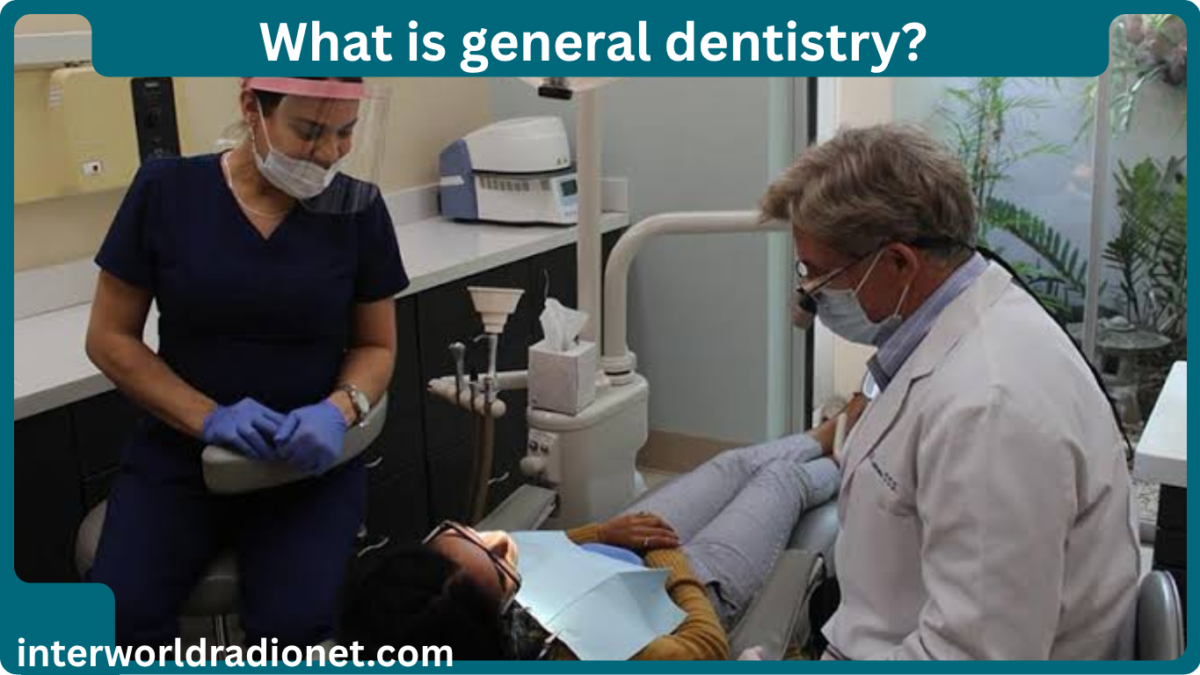
When people search for “what is general dentistry,” they are usually trying to understand what a general dentist actually does, what services are included, and when they should see one. General dentistry is the part of dental care that focuses on the overall health of your teeth, gums, mouth, and related oral structures. A general dentist can provide preventive care, diagnose common dental problems, treat many conditions, and help coordinate care when a patient needs a dental specialist.
In the United States, general dentists often serve as the first point of contact for dental care. They may see children, teenagers, adults, and older adults, depending on their training, practice, and state requirements. Their role is not limited to filling cavities. General dental care can include examinations, professional cleanings, fluoride treatments, fillings, crowns, gum care, dental X-rays, treatment planning, and referrals when more specialized treatment is needed. The American Dental Association describes a general dentist as a primary dental care provider responsible for the diagnosis, treatment, management, and coordination of a patient’s oral health needs.
Understanding general dentistry can make dental visits less confusing. It also helps patients recognize why regular dental care matters even when their teeth do not hurt.
What Is General Dentistry?
General dentistry is the area of dental care that focuses on preventing, identifying, managing, and treating common problems involving the teeth, gums, and mouth. A general dentist provides ongoing oral health care rather than focusing only on one specific dental condition or procedure.
Think of a general dentist as the main dental professional for many everyday oral health needs. When you need a routine dental exam, have a cavity, notice bleeding gums, need a filling, or want advice about preventing dental problems, a general dentist is often the right place to start.
General dentistry combines preventive care and treatment. The preventive side focuses on helping you avoid dental problems or find them early. The treatment side addresses problems that have already developed.

The goal is not simply to make teeth look good. Healthy teeth and gums help you eat, speak, smile, and maintain normal oral function. Oral health is also connected with overall health, which is one reason routine dental care has an important place in general healthcare.
Also read:What Is a DMD Dentist Meaning? A Simple and Complete Guide for US Patients
What Does a General Dentist Do?
A general dentist performs and coordinates many types of dental services. The exact services available can differ from one dental office to another, but the basic role is broad.
During a typical dental visit, a general dentist may examine your teeth and gums, look for signs of tooth decay, evaluate your bite, review your dental history, and discuss any symptoms or concerns you have. Depending on your needs, the dentist may recommend an X-ray or another diagnostic procedure.
General dentists also treat common problems. For example, they may repair cavities with fillings, restore damaged teeth with crowns, provide care for certain gum problems, or recommend treatment for a cracked or painful tooth.
Another important part of the job is planning future care. A dentist may identify a problem that does not require immediate treatment but should be monitored. In other situations, the dentist may refer you to a specialist for more complex care.
This makes general dentistry more than a collection of individual procedures. It is an ongoing approach to managing oral health throughout different stages of life.
General Dentistry vs. Dental Specialties
General dentistry and dental specialties are related, but they are not the same thing.
A general dentist provides broad dental care and manages many common oral health needs. A specialist, on the other hand, receives additional education and focuses on a particular area of dentistry.
For example, an orthodontist focuses primarily on correcting problems involving tooth position and bite. A periodontist specializes in the gums and other supporting structures around teeth. An endodontist focuses on the inside of the tooth, including root canal treatment. An oral and maxillofacial surgeon performs certain surgical procedures involving the mouth, jaw, and related structures.
The American Dental Association recognizes 12 dental specialties in the United States. General dentistry remains important because many patients can receive most of their routine and preventive care from a general dentist, with specialist care added when appropriate.
You do not necessarily need to choose between a general dentist and a specialist. In many cases, your general dentist helps determine whether specialized care would benefit you.
What Services Are Included in General Dentistry?
General dentistry covers a wide range of services. Not every general dental office offers every procedure, but many practices provide several major categories of care.
Common general dentistry services include dental examinations, professional cleanings, dental X-rays, cavity detection and treatment, fillings, fluoride treatments, preventive education, gum evaluations, crowns, treatment planning, and certain emergency dental services.
Some general dentists also provide tooth extractions, dentures, night guards, mouthguards, cosmetic procedures, or other restorative services. The availability of these treatments depends on the dentist’s training, experience, equipment, and the needs of the patient.
The most important point is that general dentistry is broad. It is designed to manage many routine oral health needs while helping patients receive specialized treatment when necessary.
Preventive Dentistry Is a Major Part of General Dental Care
Preventive dentistry focuses on reducing the chance of dental disease before it becomes a larger problem. This is one of the most important parts of general dentistry because preventing or detecting a problem early may be easier than treating advanced disease.
Preventive care can include regular dental examinations, professional cleanings, fluoride treatments when appropriate, oral hygiene education, dietary guidance, and recommendations based on individual risk.
Daily home care is also essential. The CDC recommends brushing teeth twice a day with fluoride toothpaste, cleaning between the teeth daily, limiting foods and drinks high in added sugar, and having regular dental care.
Preventive dentistry does not mean that dental problems will never happen. Instead, it gives you a better opportunity to identify risks early and manage them before they become more serious.
Why Are Regular Dental Exams Important?
A dental exam is not simply a quick look at your teeth. It gives the dentist an opportunity to evaluate your overall oral health and identify problems that may not cause obvious symptoms.
Some cavities do not hurt in their early stages. Gum disease can also develop without severe pain. A professional examination may identify changes that are difficult for a person to see at home.
A typical dental examination can involve checking the teeth for decay, evaluating the gums, looking at the mouth for other abnormalities, and reviewing your oral health history. X-rays may be recommended when they are appropriate for your individual situation. Dental X-rays can help identify problems that may not be visible during a visual examination, such as certain cavities, bone loss, or other changes.
The CDC recommends at least yearly dental checkups for adults as part of maintaining oral health, while some people may need more frequent care based on their individual risk and dental condition.
There is no single appointment schedule that is perfect for everyone. Your dentist can recommend a schedule based on your oral health, history, risk factors, and treatment needs.
What Happens During a General Dentistry Appointment?
A general dental appointment usually begins with a review of your concerns and health history. If you have pain, sensitivity, bleeding gums, bad breath, or another concern, tell the dental team because these details can help guide the examination.
A dental hygienist may perform a professional cleaning, depending on the type of appointment. The cleaning helps remove plaque and hardened deposits that cannot always be removed effectively with normal brushing and flossing.
The dentist then evaluates your teeth, gums, and mouth. Depending on what they find and your dental history, they may recommend X-rays or other diagnostic procedures.
If everything looks healthy, you may simply receive preventive advice and a recommendation for your next visit. If a problem is found, the dentist can explain the available treatment options.
A good dental appointment should not be about rushing directly into a procedure. It should help you understand your oral health and what, if anything, needs to be done next.
How Does General Dentistry Treat Cavities?
Cavities, also called dental caries or tooth decay, are among the most common oral health problems. They develop when acids produced by bacteria in dental plaque damage tooth structure over time.
General dentists can identify cavities during examinations and may use X-rays when appropriate to look for decay that is not easy to see. Treatment depends on how advanced the problem is.
A smaller cavity may be treated with a filling. More extensive damage may require a crown or another restoration. If decay reaches the inner part of the tooth and affects the pulp, a root canal procedure may be needed, sometimes involving an endodontist.
The earlier a cavity is identified, the more options may be available for managing it. This is one reason routine dental examinations remain valuable even if you do not currently have tooth pain.
The CDC reports that untreated cavities remain common among U.S. adults, showing why prevention and regular dental care continue to matter.
How Does General Dentistry Help With Gum Health?
Healthy gums are an important part of a healthy mouth. General dentists evaluate the gums during routine visits and look for signs such as inflammation, bleeding, swelling, recession, or other changes.
Plaque can contribute to gum disease when it is not removed regularly. Over time, plaque can harden into tartar, which can irritate the gums and contribute to inflammation.
Early gum disease is commonly called gingivitis. If gum disease progresses, it can develop into periodontitis, which can damage the tissues and bone that support the teeth.
General dentists can provide preventive guidance and may treat certain gum problems. When gum disease is more advanced or requires specialized periodontal treatment, a general dentist may refer the patient to a periodontist.
The CDC identifies periodontal disease as one of the major oral health conditions affecting people in the United States, which makes gum evaluation an important part of general dental care.
What Is Restorative General Dentistry?
Restorative dentistry focuses on repairing teeth that have been damaged, weakened, or affected by disease.
Common restorative treatments include fillings and crowns. Depending on the dentist’s training and the patient’s needs, restorative care may also include bridges, dentures, or other treatments designed to restore oral function.
For example, a filling can restore a tooth affected by decay. A crown can cover and protect a tooth that has lost a significant amount of structure. A bridge or denture may help replace missing teeth.
Restorative dentistry is not only about appearance. Restoring damaged teeth can help improve chewing, protect remaining tooth structure, and support normal oral function.
The best restoration depends on factors such as the amount of tooth damage, the health of surrounding teeth and gums, your preferences, and the dentist’s clinical judgment.
Can a General Dentist Perform Root Canals?
In many cases, a general dentist can perform root canal treatment. However, not every general dentist provides this procedure.
Root canal treatment is used when the pulp inside a tooth becomes infected or severely inflamed. The dentist removes the affected tissue, cleans and shapes the inside of the tooth, fills the space, and restores the tooth so it can continue functioning.
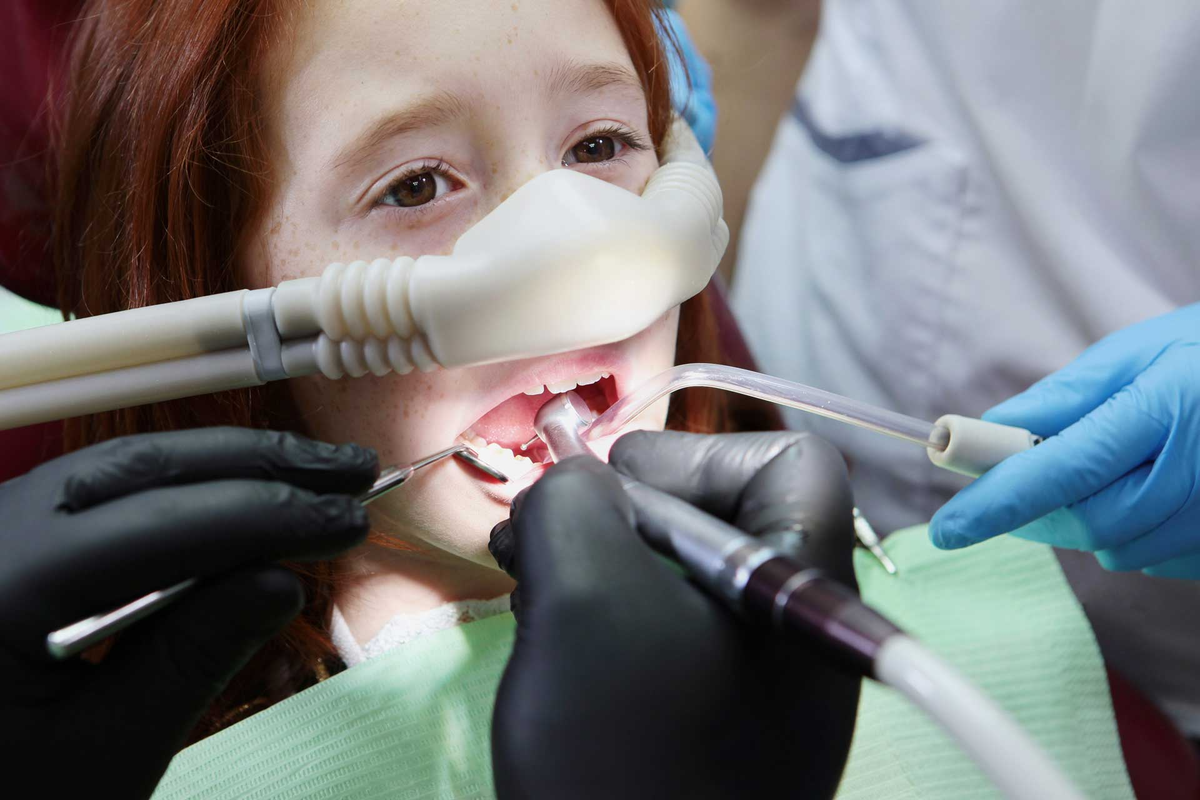
Some cases are more complicated than others. A general dentist may refer a patient to an endodontist if specialized expertise is needed.
Also read:Are Dentists Physicians? A Clear, Friendly Guide for US Patients
This is a good example of how general dentistry and dental specialties can work together. A general dentist may identify the problem, explain treatment options, and either provide appropriate treatment or coordinate specialist care.
Can a General Dentist Remove a Tooth?
Some general dentists perform routine tooth extractions. An extraction may be considered when a tooth is severely damaged, cannot be restored, is causing certain problems, or needs to be removed for another dental reason.
However, complex extractions may require an oral and maxillofacial surgeon. The decision depends on factors such as the tooth’s position, its condition, surrounding anatomy, and the complexity of the procedure.
A dentist should explain why an extraction is being considered and whether other treatment options may be available.
Removing a tooth is not always the first choice. When a natural tooth can be predictably restored and maintained, preserving it may be considered. The appropriate decision depends on the individual clinical situation.
Does General Dentistry Include Cosmetic Dentistry?
General dentistry can overlap with cosmetic dentistry, although the two terms are not identical.
Cosmetic dentistry focuses primarily on improving the appearance of teeth or a smile. General dentistry focuses more broadly on oral health, prevention, diagnosis, treatment, and function.
Some general dentists offer cosmetic services such as tooth-colored fillings, professional whitening, veneers, or other appearance-focused treatments. Others may refer patients to a dentist with particular training or experience in a specific cosmetic procedure.
A healthy smile and an attractive smile can sometimes involve the same treatment. For example, replacing an old damaged restoration with a modern tooth-colored restoration may improve both function and appearance.
Patients should understand the purpose, limitations, risks, benefits, and expected results of cosmetic procedures before choosing treatment.
General Dentistry for Children
Children need dental care just as adults do, but their needs change as they grow.
General dental care for children can include examinations, preventive guidance, fluoride treatments when appropriate, cavity prevention, monitoring of tooth development, and education for parents and children.
Early dental care can help children become comfortable with dental visits and can give parents guidance about brushing, fluoride, diet, habits, and other oral health concerns.
The CDC recommends early dental care and emphasizes brushing with fluoride toothpaste and other age-appropriate preventive practices.
Some general dentists treat children, while others primarily treat adults. Pediatric dentists receive additional training focused on children’s dental needs, so a child with complex needs may benefit from seeing a pediatric dental specialist.
General Dentistry for Older Adults
Oral health needs can change as people get older. Older adults may experience tooth loss, dry mouth, gum problems, root cavities, worn teeth, or challenges related to dentures and other dental appliances.
General dentists can help monitor these changes and create a treatment plan that fits the patient’s overall health and daily needs.
For someone with dentures, dental care does not necessarily stop. Dentists can check the mouth, evaluate the fit and condition of dentures, and look for oral health problems.
The CDC recommends regular dental checkups even for people who have lost some or all of their natural teeth.
This highlights an important point: dental care is about the health of the mouth, not simply the number of natural teeth a person has.
How Often Should You See a General Dentist?
The right dental visit schedule depends on your individual needs.
Some people may benefit from routine visits about twice a year, while others may need appointments more or less frequently. Factors such as a history of cavities, gum disease, oral hygiene, tobacco use, certain medical conditions, medications, age, and previous dental treatment can affect the recommended schedule.
The CDC recommends at least a yearly dental checkup for adults, but it also notes that additional visits may be recommended based on individual needs.
Instead of choosing an appointment schedule based only on what a friend or family member does, ask your dentist what schedule makes sense for your mouth.
The goal is to receive enough professional care to manage your individual risks without assuming that every patient needs exactly the same number of visits.
What Is the Difference Between a General Dentist and a Family Dentist?
The terms “general dentist” and “family dentist” can sometimes sound different, but they often describe overlapping types of dental practices.
A general dentist is a dental professional who provides broad oral healthcare services. A family dental practice may describe an office that welcomes patients from different age groups, including children and adults.
The important thing is not necessarily the name used by the office. Look at the services provided, the dentist’s qualifications, the ages they treat, and whether they can meet your particular needs.
If you have a child, complex dental condition, or specialized treatment need, ask whether the practice provides that care or works with appropriate specialists.
When Should You See a General Dentist?
You should not wait for severe tooth pain before seeking dental care. Routine appointments can help identify problems before they become more complicated.
You should contact a dentist if you develop tooth pain, unusual sensitivity, bleeding or swollen gums, a broken or cracked tooth, persistent bad breath, loose teeth, changes in your bite, or other unexplained changes in your mouth.
A dental problem that does not hurt can still require attention. Some oral conditions may have few noticeable symptoms during their early stages.
Sudden or severe dental pain, facial swelling, signs of infection, or an injury to the mouth may require prompt dental attention. If swelling affects breathing or swallowing, emergency medical care may be necessary.
The right response depends on the symptoms and their severity, so do not ignore significant changes simply because they do not seem serious at first.
How Much Does General Dentistry Cost in the U.S.?
The cost of general dentistry in the United States can vary significantly. There is no single price that applies to every patient or every dental office.
Costs can depend on the procedure, geographic area, dentist’s fees, insurance coverage, laboratory charges, complexity of treatment, and whether additional diagnostic procedures are needed.
For example, a routine examination and cleaning generally costs much less than extensive restorative treatment. A simple filling may cost less than a crown, while more complex procedures can involve additional fees.
Dental insurance may cover some preventive services and contribute toward other treatments, but coverage varies between plans.
Before receiving expensive treatment, patients can ask the dental office for an estimate and contact their insurance provider to understand expected benefits and out-of-pocket costs. When appropriate, ask whether there are different clinically reasonable treatment options and how their costs compare.
Does Dental Insurance Cover General Dentistry?
Many dental insurance plans provide some level of coverage for general dental services, but benefits vary widely.
Preventive examinations and cleanings may have different coverage from fillings, crowns, root canals, extractions, or other restorative procedures. Some plans have deductibles, annual maximums, waiting periods, provider networks, or limitations on particular services.
Because insurance policies differ, do not assume that a procedure is fully covered simply because it is considered general dentistry.
Before treatment, you can ask the dental office to submit a pre-treatment estimate when available and review your plan documents. The American Dental Association notes that dental coding and benefit systems are used to document and process dental procedures, with CDT codes updated annually.
Your dental office and insurance company can provide the most accurate information about your particular plan.
What Should You Look for in a General Dentist?
Choosing a general dentist is a personal decision, but several practical factors can help.
Start by checking whether the dentist is licensed to practice in your state. You can also consider the dentist’s experience, services, communication style, office location, appointment availability, emergency policy, and accepted insurance or payment options.
A good dentist should explain findings and treatment choices in language you can understand. You should feel comfortable asking questions about why a treatment is recommended, what happens if you wait, what alternatives exist, and what the expected costs are.
Trust is particularly important because dental care is often ongoing. You may see the same dental team for years, so finding a practice where communication feels comfortable can make regular care easier.
The ADA also emphasizes evidence-based dentistry, which combines relevant scientific evidence with clinical expertise and the patient’s condition, needs, and preferences.
How General Dentistry Supports Long-Term Oral Health
One of the biggest benefits of general dentistry is continuity.
Your dentist can compare your oral health over time instead of looking at every appointment as a completely separate event. A history of cavities, gum problems, dental restorations, tooth wear, or other concerns can help guide future decisions.
For example, if you repeatedly develop cavities, your dentist may look at factors such as oral hygiene, diet, fluoride exposure, dry mouth, medications, and other risk factors. The solution may not simply be another filling. A broader prevention strategy may help reduce future problems.
The same principle applies to gum health. If your gums frequently bleed or become inflamed, the goal should be to understand why and create a plan rather than simply treating each episode separately.
This long-term perspective is what makes general dentistry particularly valuable. It connects prevention, diagnosis, treatment, education, and monitoring into one ongoing approach to oral health.
How to Take Care of Your Teeth Between Dental Visits
What you do at home has a major influence on your oral health.
Brush your teeth twice a day with fluoride toothpaste and clean between your teeth every day. Floss or use another suitable interdental cleaner based on your needs. Limit frequent consumption of sugary foods and drinks, and avoid tobacco products.
Your dentist or dental hygienist can show you techniques that fit your mouth. If you have braces, dentures, implants, crowns, bridges, or other dental appliances, your home-care routine may need to be adjusted.
Regular dental visits cannot replace daily oral hygiene. Likewise, brushing and flossing at home cannot completely replace professional dental care.
The two work together. Home care helps manage plaque every day, while professional care allows trained dental professionals to examine areas you may not notice yourself and address problems that require clinical treatment.
Common Misunderstandings About General Dentistry
One common misunderstanding is that general dentists only clean teeth and fill cavities. In reality, their role can include prevention, diagnosis, treatment planning, restorative care, gum evaluation, patient education, and coordination with specialists.
Another misconception is that you only need a dentist when something hurts. Many dental problems can develop before noticeable pain occurs, so waiting for symptoms may allow a problem to become more advanced.
Some people also believe that every patient should visit the dentist on exactly the same schedule. In reality, dental needs differ. A person with a history of gum disease may need a different maintenance schedule from someone with very low dental risk.
Another common misunderstanding is that dental health is completely separate from general health. Oral health is connected with overall health, and some medical conditions can affect the mouth while oral conditions can also be relevant to broader health.
Understanding these differences can help patients make better decisions about routine dental care.
Why General Dentistry Matters for U.S. Patients
General dentistry plays an important role in the U.S. healthcare system because oral diseases are common and many are preventable or manageable when identified early.
Tooth decay and gum disease can affect eating, speaking, comfort, appearance, and quality of life. Untreated problems can sometimes progress to infection, tooth loss, or more complicated treatment.
The CDC notes that cavities and periodontal disease are major causes of tooth loss and that many oral health problems can be prevented or treated before they lead to tooth loss.
Access to regular dental care can therefore be viewed as part of maintaining health rather than simply an optional service for people who want a better smile.
General dentistry also provides a starting point for patients who are unsure about what kind of dental treatment they need. Instead of trying to diagnose yourself, you can describe your symptoms to a general dentist and receive a professional evaluation.
What Questions Should You Ask Your General Dentist?
Patients should feel comfortable asking questions before agreeing to treatment. You might ask what condition the dentist found, how serious it is, and whether treatment is needed immediately.
Also read:Where Can I Find Dental Offices Hiring Near Me and Get Hired?
It can also be useful to ask what happens if you wait, whether there are other reasonable treatment options, what the benefits and risks of each option are, how long the treatment may take, and what you can do to prevent the problem from returning.
If cost is a concern, ask for an estimate and discuss insurance coverage or payment options before treatment when possible.
Good communication helps you become an active participant in your dental care. You do not need to understand every technical dental term. Your dentist should be able to explain the important information in language that makes sense to you.
Frequently Asked Questions About General Dentistry
Is general dentistry the same as regular dentistry?
General dentistry is the broad area of dental care that covers routine prevention, diagnosis, treatment, and management of many common oral health problems. “Regular dentistry” is not usually a separate dental specialty; people often use the phrase informally when they mean general dental care.
Can a general dentist treat dental emergencies?
Many general dentists provide emergency or urgent dental care for problems such as tooth pain, broken teeth, lost fillings, or certain dental injuries. However, emergency services differ between offices. Severe facial swelling, difficulty breathing, or difficulty swallowing may require emergency medical attention rather than waiting for a routine dental appointment.
Can I see a general dentist if I have missing teeth?
Yes. A general dentist can evaluate missing teeth and discuss options such as bridges, dentures, implants, or referral to another dental professional when appropriate. The best option depends on your oral health, bone and gum condition, overall health, preferences, and treatment goals.
Does general dentistry include dental implants?
Some general dentists place or restore dental implants, while others refer patients to an oral surgeon, periodontist, or another implant-focused provider. Implant treatment often involves several stages, and different dental professionals may participate depending on the case.
Can a general dentist diagnose oral cancer?
General dentists examine the mouth and can look for unusual changes that may require further evaluation. If a suspicious area is found, the dentist may recommend additional testing or referral to an appropriate specialist. Regular dental examinations are therefore useful for more than checking for cavities.
Is a general dentist a doctor?
A dentist is a healthcare professional with specialized education and training in oral health. In the United States, dentists commonly earn a Doctor of Dental Surgery (DDS) or Doctor of Dental Medicine (DMD) degree and must meet state licensing requirements. The title and degree do not mean that a dentist and a physician have identical training or scopes of practice.
Final Thoughts
General dentistry is much more than routine teeth cleaning. It is the broad area of dental care that helps people prevent oral health problems, identify disease early, treat common conditions, restore damaged teeth, protect gum health, and maintain normal oral function. A general dentist often acts as the main dental care provider, helping patients manage their oral health over time and referring them to specialists when advanced treatment is needed.
For most people, good oral health comes from a combination of daily care at home and professional dental care. Brushing twice a day with fluoride toothpaste, cleaning between the teeth, limiting frequent added sugar, avoiding tobacco, and maintaining regular dental visits can all contribute to healthier teeth and gums.
The most important lesson is that you do not have to wait until something hurts before seeing a dentist. Regular general dentistry gives you an opportunity to understand your individual risks, catch problems earlier, and make informed decisions about treatment. Whether you need a routine examination, treatment for a cavity, help with gum health, a restoration, or a referral to a specialist, general dentistry provides a foundation for maintaining your oral health throughout life.