
What Are the Benefits of Being a Dentist?
September 9, 2026
What Is a Hygienist? Role, Duties, Education, and Career Guide
September 10, 2026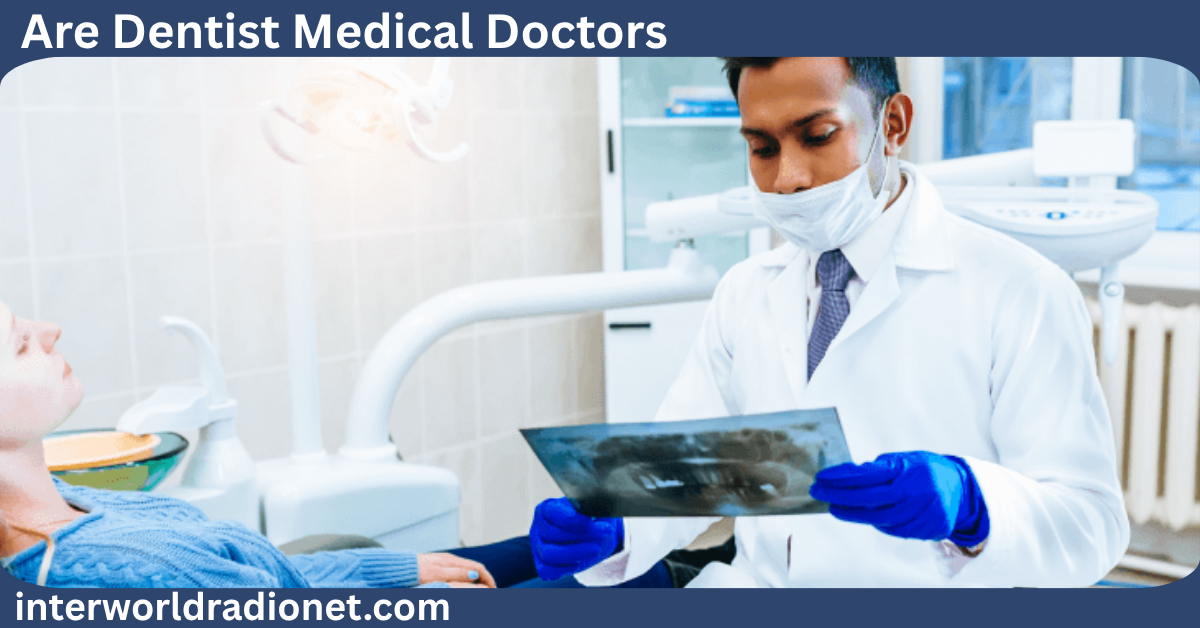
Are dentist medical doctors? This is a common question in the United States because dentists are healthcare professionals who earn doctoral-level degrees and are often addressed as “doctor.” However, a dentist and a physician are not the same type of doctor.
In simple terms, dentists are doctors who specialize in oral health. They are highly trained healthcare professionals who examine the mouth, teeth, gums, jaw, and related structures. They diagnose and treat many dental conditions, perform procedures, manage oral diseases, and help patients prevent future problems.
Physicians, on the other hand, are doctors of medicine or doctors of osteopathic medicine who are trained to diagnose and treat diseases and conditions across the broader human body. Their education and medical licenses are different from those of dentists.
In the United States, dentists commonly earn either a Doctor of Dental Surgery (DDS) or Doctor of Dental Medicine (DMD) degree. These degrees are considered equivalent professional degrees for dental practice. After completing dental school, graduates generally must meet state licensing requirements before practicing independently.
Understanding the difference between a dentist and a medical doctor is useful when deciding which healthcare professional to see. It also explains why a dentist can correctly use the title “Dr.” while not being a physician.
This guide explains what dentists are, what degrees they earn, how dental school compares with medical school, what dentists can diagnose and treat, how dental licensing works, and when you should see a dentist versus a physician.
Are Dentist Medical Doctors?
The short answer is that dentists are doctors, but they are generally not medical doctors in the physician sense.
A dentist is a doctor of dental medicine or dental surgery. A physician is a medical doctor, usually holding an MD or DO degree in the United States.
Both professions require extensive education and clinical training. Both work in healthcare and diagnose and treat patients. However, their professional education, scope of practice, licensing, and areas of specialization are different.
A useful way to understand the distinction is:
- Dentist: specializes in oral health and dental care.
- Physician: specializes in general medicine or a medical specialty.
- DDS: Doctor of Dental Surgery.
- DMD: Doctor of Dental Medicine.
- MD: Doctor of Medicine.
- DO: Doctor of Osteopathic Medicine.
Therefore, the statement “dentists are doctors” is correct.

The statement “every dentist is a medical doctor” is generally incorrect in the United States.
Also read:DDS vs DDS: What Is the Difference Between Two DDS Degrees?
Why Are Dentists Called Doctors?
Dentists are called doctors because they complete professional doctoral-level education in dentistry.
The title “doctor” does not belong only to physicians. Several healthcare professions use doctoral degrees and may use the title “doctor” in appropriate professional settings.
Dentists complete dental education that prepares them to diagnose oral diseases, provide dental treatment, perform procedures, and manage oral health.
The word “doctor” therefore describes their professional status and degree. It does not automatically mean that they are physicians.
For example, a person may meet a dentist and hear the dentist introduced as “Dr. Smith.” That does not mean Dr. Smith is a physician. The person may be a dentist with a DDS or DMD degree.
What Degree Does a Dentist Have?
In the United States, dentists typically earn one of two professional degrees:
- Doctor of Dental Surgery, or DDS
- Doctor of Dental Medicine, or DMD
Despite the different names, DDS and DMD programs are generally considered equivalent degrees for the purpose of becoming a dentist.
The difference is largely historical and related to the institution’s choice of degree name rather than a major difference in professional qualification.
A dentist with a DDS and a dentist with a DMD can both become licensed dentists if they meet the applicable requirements in their state.
What Does DDS Mean?
DDS stands for Doctor of Dental Surgery.
The degree prepares graduates to provide comprehensive dental care. Dental students study subjects such as anatomy, physiology, oral pathology, pharmacology, dental materials, radiology, and clinical dentistry.
The word “surgery” in the degree name does not mean that every DDS dentist is a surgeon in the same way a physician specializing in surgery is.
Dentists receive training in procedures involving the teeth, gums, mouth, and surrounding oral structures.
What Does DMD Mean?
DMD stands for Doctor of Dental Medicine.
The DMD degree provides professional education for dental practice.
Although the name sounds different from DDS, DMD and DDS graduates generally receive comparable dental education and qualify for dental licensure under applicable state requirements.
When choosing a dentist, the letters DDS versus DMD are usually not the most important factor. More useful considerations may include the dentist’s license, experience, area of practice, communication style, treatment approach, and whether the dentist’s services meet your needs.
Is a DDS the Same as a DMD?
For practical dental practice purposes, DDS and DMD are generally equivalent professional degrees.
Both are doctoral degrees in dentistry.
The difference is primarily the title used by the dental school. Some universities award a DDS, while others award a DMD.
Both programs prepare students for professional dental practice.
Therefore, patients generally should not assume that one degree is automatically better than the other.
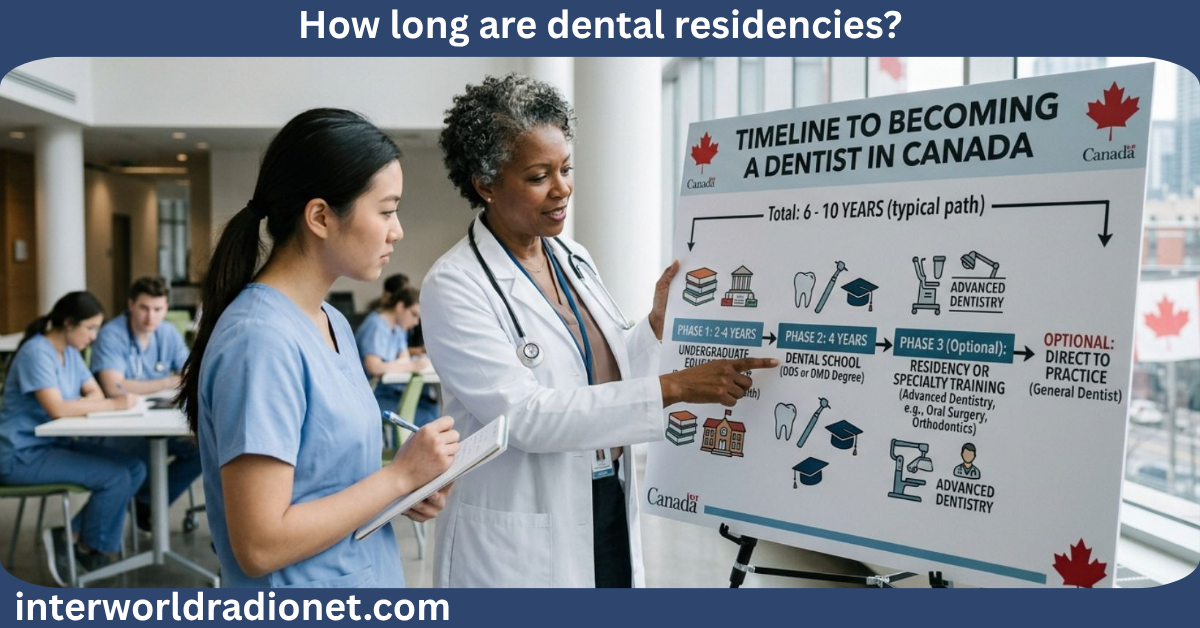
How Long Does It Take to Become a Dentist?
Becoming a dentist requires several years of education and training.
A typical path in the United States includes undergraduate education followed by dental school.
Dental school itself generally takes four academic years for the standard professional degree.
Students complete classroom instruction, laboratory education, simulation exercises, and clinical training.
Before becoming licensed, graduates must also satisfy applicable examination and state licensing requirements.
The exact pathway can vary depending on the dental school, state, specialty, and individual educational background.
What Do Students Learn in Dental School?
Dental school is much more than learning how to fill cavities.
Students receive education in both basic sciences and clinical dental care.
Common subjects include:
- Human anatomy
- Physiology
- Biochemistry
- Microbiology
- Pathology
- Pharmacology
- Oral anatomy
- Oral pathology
- Dental radiology
- Periodontology
- Endodontics
- Prosthodontics
- Restorative dentistry
- Pediatric dentistry
- Oral surgery
- Dental materials
- Pain management
- Patient assessment
- Infection control
- Clinical diagnosis
Students also develop practical skills.
They learn how to examine patients, interpret dental imaging, identify oral diseases, create treatment plans, and perform dental procedures under supervision.
This combination of scientific education and hands-on clinical training is what prepares a dental student for professional practice.
How Is Dental School Different From Medical School?
Dental school and medical school share some scientific foundations, but their professional focus is different.
Medical school focuses on the diagnosis and treatment of conditions affecting the entire body.
Dental school focuses primarily on the oral and maxillofacial region and its relationship to overall health.
Both fields require knowledge of anatomy, physiology, pathology, pharmacology, microbiology, and other sciences.
However, dental students spend substantial time developing skills for procedures involving teeth, gums, jaws, oral tissues, and related structures.
Medical students receive broader education across many body systems and later train in specific medical specialties.
The difference is therefore not about one profession being “more medical” than the other. The professions have different scopes and areas of expertise.
Do Dentists Go to Medical School?
Dentists generally do not attend medical school to become dentists.
They attend dental school.
Dental schools provide professional education specifically designed for dental practice.
A person who wants to become a physician normally attends medical school and earns an MD or DO degree.
A person who wants to become a dentist normally attends dental school and earns a DDS or DMD degree.
Both are rigorous professional programs, but they lead to different careers and licenses.
Are Dentists Healthcare Professionals?
Yes. Dentists are healthcare professionals.
They play an important role in preventing, diagnosing, and treating oral diseases.
Dental care is an important part of overall health because oral conditions can affect eating, speaking, sleep, comfort, appearance, and quality of life.
Dentists also identify signs of some conditions that may require attention outside dentistry.
For example, during an oral examination, a dentist may notice unusual changes in oral tissues or other findings that need further evaluation.
A dentist may then recommend that a patient consult a physician or another healthcare professional when appropriate.
What Does a Dentist Treat?
Dentists can diagnose and treat many conditions affecting the mouth and related structures.
Common dental problems include:
- Tooth decay
- Gum disease
- Tooth infections
- Broken teeth
- Cracked teeth
- Missing teeth
- Tooth sensitivity
- Oral pain
- Dental abscesses
- Certain oral tissue abnormalities
- Problems with tooth alignment
- Some jaw-related conditions
Treatment can include preventive care, fillings, crowns, bridges, dentures, periodontal treatment, root canal therapy, extractions, and other dental procedures depending on the dentist’s training and scope of practice.
Can Dentists Diagnose Diseases?
Yes, dentists can diagnose conditions that fall within their professional scope of practice.
Dental diagnosis includes examining the teeth, gums, oral tissues, jaw, and related structures.
A dentist may use:
- Physical examination
- Dental X-rays
- Other dental imaging
- Medical and dental history
- Symptoms reported by the patient
- Clinical tests
- Laboratory testing when appropriate
However, a dentist is not generally the appropriate professional for diagnosing every disease affecting the body.
If a patient has symptoms outside the dentist’s scope, the dentist may recommend evaluation by a physician or another healthcare professional.
Can Dentists Prescribe Medication?
Dentists can prescribe certain medications when they are appropriate for dental treatment and permitted under applicable laws and regulations.
Depending on the situation, dental prescriptions may include medications used to manage pain, infection, inflammation, or other dental conditions.
The exact medications a dentist may prescribe can depend on the dentist’s license, professional judgment, state law, and the patient’s individual circumstances.
Patients should always tell their dentist about medications, allergies, and relevant health information before receiving treatment.
Can Dentists Perform Surgery?
Some dentists perform surgical procedures as part of dental practice.
Examples may include tooth extraction and certain procedures involving the gums or oral structures.
Some dentists receive additional specialized training in oral and maxillofacial surgery.
Oral and maxillofacial surgeons have advanced training that can involve complex surgical treatment of the mouth, jaws, face, and related structures.
This is another reason it is important to distinguish a general dentist from a dental specialist.
What Is an Oral and Maxillofacial Surgeon?
An oral and maxillofacial surgeon is a dental specialist who receives advanced training in surgical treatment involving the mouth, jaws, face, and related areas.
Depending on their training and practice setting, they may treat complex conditions and perform procedures involving:
- Impacted teeth
- Jaw problems
- Facial injuries
- Oral pathology
- Dental implants
- Complex extractions
- Corrective jaw surgery
- Other surgical conditions
The education and training pathway for oral and maxillofacial surgery is more specialized than general dental education.
What Are Dental Specialists?
Dentistry includes multiple specialties.
A general dentist provides many common preventive and restorative services, while specialists focus on particular areas.
Common dental specialties include:
Orthodontist
Orthodontists specialize in diagnosing and treating problems involving tooth and jaw alignment.
They commonly use braces, clear aligners, retainers, and other orthodontic appliances.
Periodontist
Periodontists specialize in the gums and supporting structures around teeth.
They commonly treat complex gum disease and other periodontal conditions.
Endodontist
Endodontists focus on conditions involving the inside of teeth, especially the dental pulp.
Root canal treatment is a common procedure associated with endodontics.
Prosthodontist
Prosthodontists specialize in restoring and replacing missing or damaged teeth.
Their work can include crowns, bridges, dentures, and complex restorative treatment.
Pediatric Dentist
Pediatric dentists focus on oral healthcare for children and adolescents.
They receive additional training in caring for younger patients and their developing teeth and jaws.
Oral and Maxillofacial Pathologist
This specialty focuses on diagnosing diseases affecting oral and maxillofacial tissues.
Oral and Maxillofacial Radiologist
These specialists focus on imaging and interpretation of conditions involving the mouth and surrounding structures.
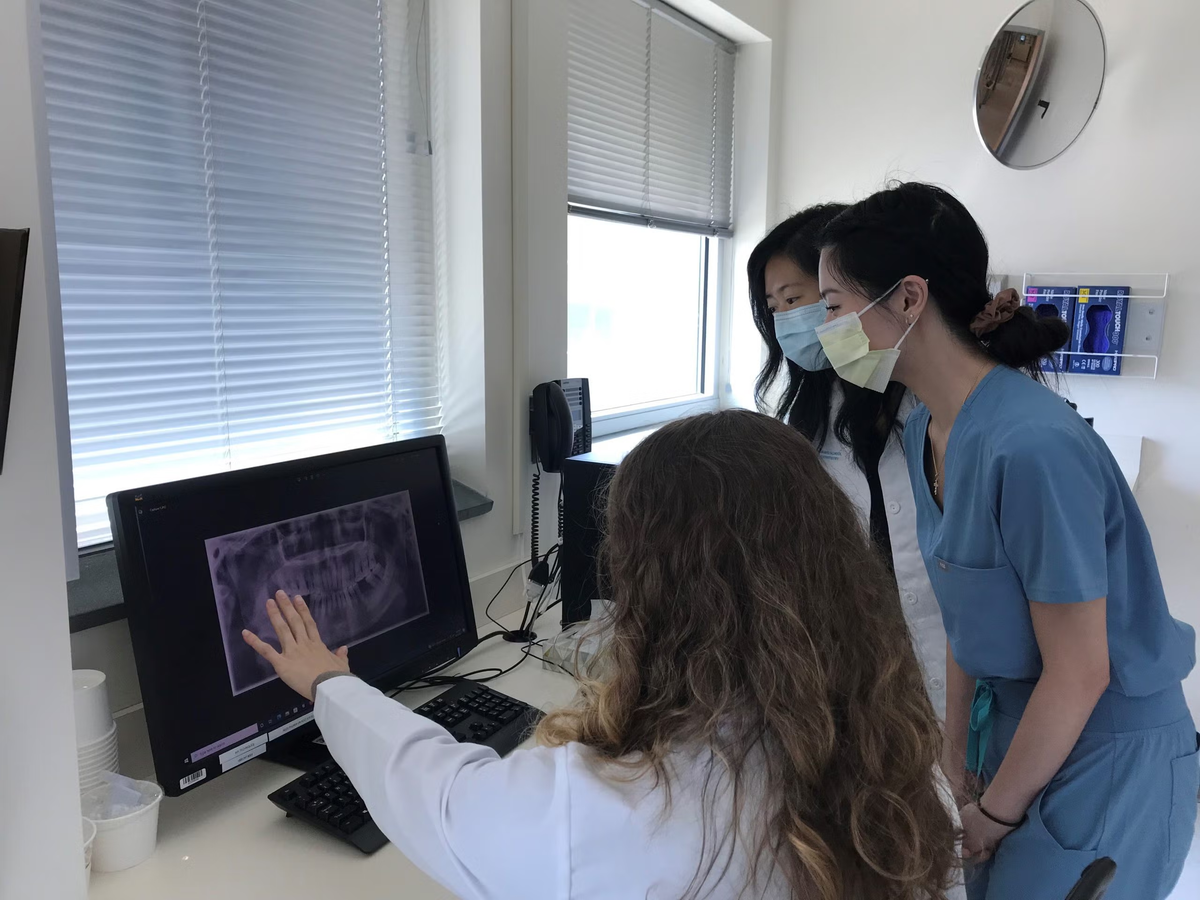
Oral and Maxillofacial Surgeon
These specialists provide advanced surgical care involving the oral and maxillofacial region.
Also read:DMD vs DDS: What Is the Difference Between These Dental Degrees?
Can a Dentist Treat the Whole Body?
A dentist’s primary professional focus is oral health rather than general medical care.
The mouth is connected to the rest of the body, and oral health can interact with broader health. However, this does not mean that a general dentist replaces a primary care physician.
For example, a dentist can treat tooth decay, gum disease, and many oral infections. A physician manages a much broader range of medical conditions involving organs and body systems.
This distinction helps patients choose the appropriate healthcare professional.
What Is the Difference Between a Dentist and a Medical Doctor?
The simplest difference is their professional focus.
A dentist specializes in oral health.
A medical doctor specializes in general medicine or a medical specialty.
Here is a simple comparison:
| Feature | Dentist | Medical Doctor |
| Common degree | DDS or DMD | MD |
| Primary focus | Oral health | General or specialized medicine |
| Professional school | Dental school | Medical school |
| Main treatment area | Teeth, gums, mouth, jaws | Whole body |
| Common procedures | Fillings, crowns, extractions, root canals | Medical procedures and treatments |
| Can prescribe medication? | Yes, within dental scope | Yes, within medical scope |
| Can perform procedures? | Yes, within dental scope | Yes, within medical scope |
| Specialist options | Orthodontics, endodontics, periodontics, etc. | Cardiology, dermatology, surgery, etc. |
The table shows why both professionals are doctors while having different areas of professional practice.
Is a Dentist a Doctor in the United States?
Yes. A licensed dentist who has earned a DDS or DMD is a doctor of dentistry.
However, “doctor” and “medical doctor” are not interchangeable terms.
A dentist can appropriately use the professional title “Dr.” in accordance with applicable professional and legal rules.
When a person needs medical care for a condition outside the dental field, they should seek an appropriate physician or other healthcare professional.
Can Dentists Call Themselves Doctors?
Dentists commonly use the title “doctor” because they hold professional doctoral degrees.
However, professional title rules can vary depending on the setting and jurisdiction.
For patients, the most useful distinction is to identify the provider’s profession.
For example:
“Dr. Jones, dentist” clearly communicates that the person is a dental professional.
“Dr. Jones, physician” communicates that the person is a medical doctor.
The title alone does not tell you the provider’s specialty.
Can Dentists Diagnose Oral Cancer?
Dentists can examine the mouth for abnormal findings and may identify changes that require further evaluation.
During routine examinations, dentists may look for unusual sores, tissue changes, lumps, discoloration, or other abnormalities.
If something appears concerning, the dentist may recommend additional testing, referral, or evaluation by an appropriate specialist.
This does not mean that every unusual oral finding is cancer. Many oral changes have noncancerous causes.
The important point is that regular dental examinations can provide opportunities for professional evaluation of oral tissues.
Can Dentists Identify Other Health Problems?
Sometimes.
The mouth can provide clues about a person’s overall health, and dental professionals may notice signs that warrant further investigation.
For example, changes in the mouth may sometimes be associated with nutritional problems, infections, medication effects, immune conditions, or other systemic issues.
A dentist should not be viewed as a replacement for a physician, but dental professionals can be an important part of a patient’s broader healthcare team.
When a finding falls outside dental practice, referral to another healthcare professional may be appropriate.
Do Dentists Need a Medical License?
Dentists need the appropriate dental license to practice dentistry independently in the United States.
Licensing is generally handled at the state level.
Requirements can vary by state but commonly involve:
- Graduation from an appropriate dental program
- Successful completion of required examinations
- Meeting state application requirements
- Background or character requirements where applicable
- Maintaining the professional license
Because licensing rules can change, anyone planning to practice dentistry should check the requirements of the specific state where they intend to work.
Are Dentists Doctors or Scientists?
Dentists can be considered healthcare professionals with extensive scientific training.
Dental education is built on biomedical science and clinical science.
Dentists use scientific knowledge to understand diseases, evaluate risk, interpret diagnostic information, select treatments, and provide patient care.
Some dentists also participate in research, teaching, public health, or academic work.
Therefore, dentistry combines science, medicine-related knowledge, clinical decision-making, and hands-on technical skills.
Why Does Dentistry Matter to Overall Health?
Oral health is an important part of overall well-being.
Teeth and gums affect basic activities such as:
- Eating
- Speaking
- Smiling
- Sleeping comfortably
- Maintaining normal oral function
Untreated dental problems can also cause pain and interfere with daily life.
Regular dental care can help identify problems early, prevent some conditions, and support long-term oral health.
Good oral hygiene at home is also important.
Brushing with fluoride toothpaste, cleaning between teeth, limiting frequent exposure to sugary foods and drinks, and receiving professional dental care are common parts of maintaining oral health.
When Should You See a Dentist?
You should consider seeing a dentist when you have concerns involving your teeth, gums, or mouth.
Examples include:
- Tooth pain
- Swollen gums
- Bleeding gums
- Persistent bad breath
- Tooth sensitivity
- Broken teeth
- Loose teeth
- Dental trauma
- Jaw discomfort
- Mouth sores that do not heal
- Changes in oral tissues
- Problems with chewing
Routine dental visits are also important because some dental conditions may develop before noticeable symptoms appear.
When Should You See a Medical Doctor Instead?
A physician or other medical professional may be more appropriate when symptoms primarily involve the broader body rather than the mouth.
Examples may include:
- Chest pain
- Difficulty breathing
- Severe abdominal pain
- Persistent fever
- Unexplained weight changes
- Neurological symptoms
- Severe or widespread illness
- Conditions involving organs outside the dental field
Sometimes both a dentist and physician may be involved.
For example, a patient may have a dental problem while also taking medication for a medical condition. Communication between healthcare professionals can help support safe treatment.
Can a Dentist Be a Medical Doctor Too?
Yes, a person can hold qualifications in both dentistry and medicine, but this is not the usual career pathway.
Someone could complete dental education and later pursue medical education and training, or follow another pathway that leads to qualifications in both fields.
However, simply being a dentist does not mean that the person is also a physician.
A dentist with a DDS or DMD is qualified as a dental professional. Additional medical qualifications would be required to practice as a physician.
Is Dentistry Considered Part of Medicine?
Dentistry is a healthcare profession closely related to medicine but is generally regulated as a distinct profession.
Both medicine and dentistry use biological sciences, clinical diagnosis, pharmacology, anatomy, pathology, and other areas of healthcare knowledge.
However, dentistry has its own professional education, licensing system, specialties, and scope of practice.
This is why dentistry can be viewed as an important part of healthcare without saying that dentists are identical to physicians.
What Is the Difference Between a Dentist, Doctor, and Physician?
The word “doctor” is broad.
A doctor may hold a doctoral degree in a healthcare or non-healthcare field.
In healthcare, several professionals may use the title “doctor.”
A dentist is a doctor of dentistry.
A physician is a medical doctor, generally an MD or DO in the United States.
The word “doctor” therefore does not always identify a person’s profession.
When choosing healthcare, it is more useful to ask what type of doctor the person is and what conditions they are licensed and trained to treat.
Common Misunderstandings About Dentists
Myth 1: Dentists Are Not Real Doctors
This is incorrect.
Dentists are doctors who complete professional doctoral education in dentistry.
Myth 2: DDS Is Better Than DMD
There is generally no basis for assuming that DDS is superior to DMD.
Both degrees prepare graduates for professional dental practice.
Myth 3: Dentists Only Clean Teeth
Dental professionals do much more than clean teeth.
Dentists diagnose oral diseases, develop treatment plans, perform procedures, manage dental conditions, and provide preventive care.
Dental hygienists may provide many professional cleaning services as part of the dental team.
Myth 4: A Dentist Can Treat Every Medical Condition
A dentist is not a replacement for a physician.
Dentists specialize in oral healthcare and practice within their professional scope.
Myth 5: You Only Need a Dentist When Your Teeth Hurt
Dental problems do not always cause pain during their early stages.
Regular professional examinations can help identify problems before they become more serious.
How Should Patients Choose a Dentist?
When choosing a dentist, consider factors beyond the letters DDS or DMD.
Useful questions include:
- Is the dentist properly licensed?
- Does the office provide the services you need?
- Does the dentist explain treatment clearly?
- Are treatment options discussed?
- Does the office maintain appropriate infection-control practices?
- Is the location convenient?
- Does the dentist work with your insurance or payment preferences?
- Are emergency services available when necessary?
- Does the dentist have experience with your particular dental concern?
You can also ask about treatment alternatives and expected costs before beginning major elective treatment.
Also read:How Long Does It Take to Become a Dentist After College
What Should You Ask Your Dentist?
Patients should feel comfortable asking questions.
Useful questions include:
- What is causing my symptoms?
- What treatment do you recommend?
- Are there other treatment options?
- What happens if I delay treatment?
- How many visits will I need?
- What will recovery be like?
- What will the treatment cost?
- Are there risks or side effects?
- Do I need to see a specialist?
- How can I prevent the problem from returning?
Clear communication can help patients make informed healthcare decisions.
Why Accurate Health Information Matters
Searches such as “are dentist medical doctors” often come from simple confusion about professional titles.
Online information can make the issue more confusing because different countries use different terminology and professional systems.
For example, the meaning of “doctor” can vary between countries and professions.
When reading health information online, look for information that clearly identifies:
- The country or jurisdiction
- The professional degree
- The licensing authority
- The provider’s scope of practice
- The type of healthcare being discussed
This approach is more reliable than assuming that the word “doctor” means the same thing everywhere.
Understanding the Search Intent Behind “Are Dentist Medical Doctors”
People searching for “are dentist medical doctors” may have several different questions.
Some may want to know whether dentists are doctors.
Others may be asking whether dentists attend medical school.
Some may want to understand whether a dentist can prescribe medication.
Others may be comparing a dentist with a physician.
The simplest answer is:
A dentist is a doctor of dentistry, usually holding a DDS or DMD in the United States, but a dentist is not generally a medical doctor or physician unless they also have the required medical education and credentials.
Understanding this distinction resolves most of the confusion behind the search.
Are Dentist Medical Doctors? A Simple Explanation
If you need the answer in one sentence, it is this:
Dentists are doctors who specialize in oral health, but in the United States they are generally not medical doctors or physicians.
A dentist typically earns a DDS or DMD degree.
A physician typically earns an MD or DO degree.
Both are highly trained healthcare professionals, but they have different professional roles.
Frequently Asked Questions
Can a dentist diagnose a problem outside the mouth?
A dentist can recognize findings that may suggest a broader health concern, but diagnosis and treatment outside the dentist’s professional scope generally require an appropriate medical professional. A dentist may recommend that the patient see a physician or another specialist.
Can dentists admit patients to hospitals?
Hospital privileges depend on the dentist’s qualifications, specialty, hospital policies, and applicable rules. Some dental specialists, particularly oral and maxillofacial surgeons, may have hospital-based practices and privileges.
Can a dentist give anesthesia?
Dentists receive training in pain control and anesthesia appropriate to their education and scope of practice. The specific types of anesthesia a dentist can administer depend on training, licensing, state regulations, and the treatment being performed.
Do dentists have to complete continuing education?
Licensed dentists generally have ongoing professional education requirements, although the exact requirements differ by state. Continuing education helps dental professionals maintain knowledge and skills throughout their careers.
Can dentists work in hospitals or universities?
Yes. Dentists can work in private practices, hospitals, universities, public health programs, research institutions, community clinics, and other healthcare settings. Their work environment often depends on their specialty and career goals.
Conclusion
So, are dentist medical doctors? The most accurate answer is that dentists are doctors, but they are generally not medical doctors or physicians in the United States.
Dentists usually earn a Doctor of Dental Surgery (DDS) or Doctor of Dental Medicine (DMD) degree. They receive extensive education in science, diagnosis, prevention, and treatment of conditions involving the teeth, gums, mouth, jaws, and related structures. They are licensed healthcare professionals who play an important role in maintaining oral health.
Physicians generally earn an MD or DO degree and receive broader medical education focused on the entire body. The two professions overlap in some scientific and healthcare areas, but they have different training pathways, professional licenses, specialties, and scopes of practice.
The important point is that being a dentist does not make someone less of a healthcare professional. Dentistry is a specialized healthcare field that requires advanced education, clinical judgment, technical skills, and continuing professional development.
When deciding whether to see a dentist or physician, focus on the type of health problem you have and the professional’s area of training. For teeth, gums, and other oral health concerns, a dentist is the appropriate healthcare professional. For broader medical conditions, a physician or another qualified medical provider may be needed. In some situations, both professionals can work together as part of a patient’s healthcare team.