
Is Dental Hygiene Considered a Professional Degree or a Healthcare Degree?
September 14, 2026
Do Dentists Have Residency After Dental School?
September 15, 2026
Choosing a career in dental care can be a smart option for people who enjoy healthcare, science, hands-on work, and helping others. The dental field offers much more than just becoming a dentist. There are many career paths, including dentist, dental hygienist, dental assistant, dental laboratory technician, dental office manager, dental educator, and dental researcher.
A career in dental care can be rewarding because dental professionals help people maintain their oral health and improve their quality of life. At the same time, every dental profession has different education requirements, responsibilities, salaries, and career opportunities.
If you are thinking about entering this field, it is important to understand what each career involves before making a decision. This guide explains the major dental careers in the United States, how to enter the profession, education requirements, important skills, earning potential, career benefits, challenges, and ways to choose the right path for your future.
What Is a Career in Dental?
A career in dental refers to professional work related to oral health, teeth, gums, dental treatment, prevention, patient education, dental technology, or dental practice management.
The dentist is usually the first professional people think about when they hear the word dentistry. However, modern dental care depends on a complete team. Different professionals work together to provide examinations, preventive services, treatments, patient support, laboratory services, and office operations.
Some common dental careers include dentists, dental hygienists, dental assistants, dental laboratory technicians, dental office managers, dental educators, and dental researchers.

This variety means you do not have to follow the same educational path as every other person in the dental field. Your choice can depend on how much time you want to spend in school, the type of work you enjoy, and the level of responsibility you want.
Why Choose a Career in Dental Care?
There are many reasons someone may consider a career in dental care. One major reason is that oral healthcare is an important part of everyday health. People need dental services at different stages of life, from childhood through older adulthood.
Dental careers also combine knowledge with practical skills. Many professionals spend their day working directly with people while also using specialized instruments, technology, and clinical knowledge.
Another advantage is career variety. One person may want to become a dentist and eventually own a practice. Another may prefer dental hygiene because of its focus on preventive care. Someone else may enjoy assisting, laboratory work, education, research, or administration.
Also Read: What Is the Oldest Medical Profession in the World?
This flexibility makes dental care a broad professional field rather than a single career.
Types of Dental Careers
Before choosing a career in dental care, it helps to understand the major jobs available in the field.
Dentist
A dentist is a licensed healthcare professional who examines the mouth, diagnoses dental problems, prevents oral diseases, and provides treatment.
Dentists may perform procedures such as fillings, crowns, extractions, preventive treatments, and restorative care. Their exact scope of practice depends on their education, training, and state laws.
Some dentists work for established dental practices, while others join group practices or eventually open their own offices. Dentists may also work in hospitals, public health programs, educational institutions, and other healthcare settings.
Dentistry can provide a high level of professional independence, but it also requires extensive education and significant responsibility.
Dental Hygienist
A dental hygienist focuses mainly on preventive oral healthcare.
Dental hygienists commonly provide professional teeth cleanings, examine oral health conditions within their legal scope, educate patients about oral hygiene, and support dentists in maintaining patients’ oral health.
Dental hygiene can be a good option for someone who wants to work directly with patients but does not want to complete the longer educational pathway required to become a dentist.
The specific duties of a dental hygienist vary by state because state laws determine the services hygienists are legally permitted to provide.
Dental Assistant
Dental assistants support dentists and other members of the dental team.
Their responsibilities may include preparing treatment rooms, organizing instruments, helping during procedures, communicating with patients, maintaining records, sterilizing equipment, and performing other clinical or administrative tasks.
The exact duties of a dental assistant depend on state regulations, education, certification, and the employer.
Dental assisting can be an attractive entry point for people who want to begin working in dental care without spending many years in professional school.
Dental Laboratory Technician
Dental laboratory technicians usually work behind the scenes.
They may create dental appliances and restorations based on instructions from dentists. Their work can include dentures, crowns, bridges, orthodontic appliances, and other dental products.
This career may be suitable for someone who enjoys detailed technical work and prefers not to spend most of the day interacting directly with patients.
Dental Office Manager
A dental office manager focuses on the administrative side of a dental practice.
This role can involve scheduling, patient communication, insurance coordination, billing, staff organization, inventory, and general office operations.
A person interested in healthcare but more comfortable with organization and business may find dental practice management appealing.
Dental Educator
Some dental professionals eventually move into teaching.
Dental educators may teach students at dental schools, hygiene programs, assisting programs, or other educational institutions. They may also provide professional training and continuing education.
Teaching can be a good option for people who enjoy explaining ideas, mentoring students, and helping others develop professional skills.
Dental Researcher
Dental research is another possible career path.
Researchers may study oral diseases, dental materials, treatment methods, preventive care, dental technology, public health, or other areas of oral healthcare.
Research positions may require advanced education, depending on the specific job.
How to Become a Dentist
Becoming a dentist requires a long educational journey.
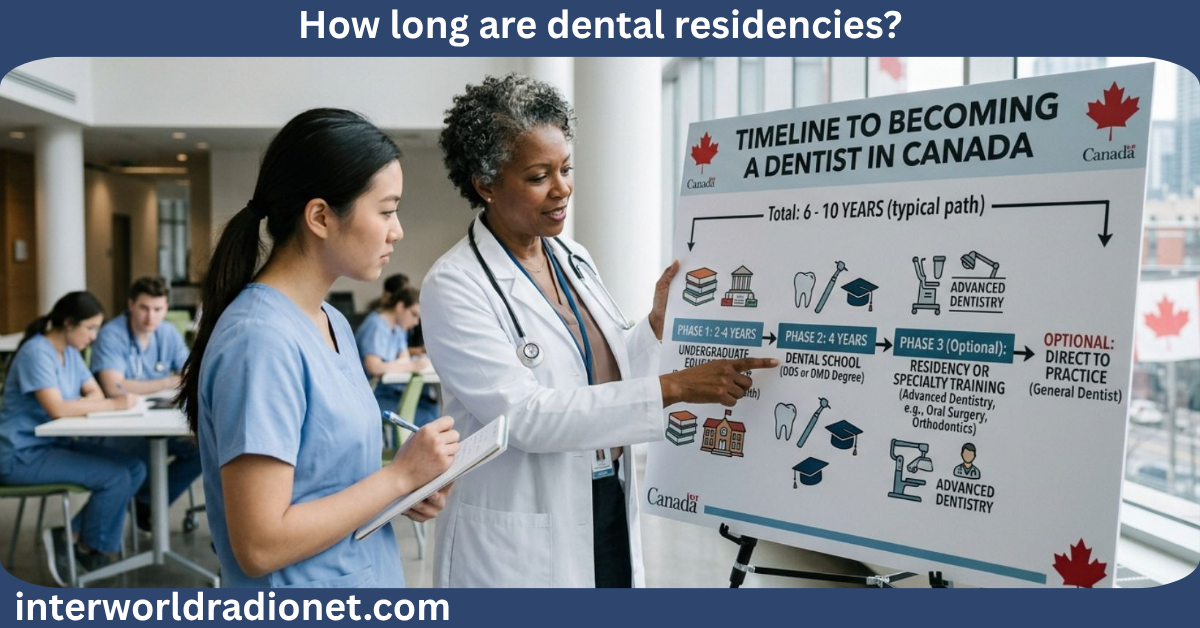
Most students first complete college-level education and the required prerequisite courses. They then apply to dental school. Once accepted, students generally complete a four-year dental program leading to either a Doctor of Dental Surgery or Doctor of Dental Medicine degree.
After dental school, graduates must meet the licensing requirements of the state where they want to practice.
The basic path usually looks like this:
- Complete high school.
- Attend college.
- Complete required science courses.
- Prepare a competitive dental school application.
- Complete dental school.
- Earn a DDS or DMD degree.
- Complete required licensing examinations and assessments.
- Obtain a state dental license.
- Begin practicing dentistry or continue into advanced training.
The exact requirements can vary, so students should check the current rules for their intended state and dental schools.
What Is a DDS Degree?
DDS stands for Doctor of Dental Surgery.
It is a professional dental degree that prepares graduates to practice general dentistry after meeting applicable licensing requirements.
The name can sometimes make students think that DDS is more focused on surgery than another dental degree. In general, however, the DDS is a standard professional dental degree and does not mean that every DDS graduate becomes a dental surgeon.
What Is a DMD Degree?
DMD stands for Doctor of Dental Medicine.
DMD programs provide the professional education needed to prepare students for general dental practice.
For students comparing dental schools, it is important to understand that DDS and DMD programs are generally considered equivalent professional degrees. The name of the degree does not automatically determine the quality of the dental school.
Instead of focusing only on DDS versus DMD, students should compare curriculum, clinical education, tuition, location, student support, facilities, financial aid, and other important factors.
How Long Does It Take to Become a Dentist?
The time required to become a dentist depends on the student’s educational starting point and the chosen career path.
After completing the necessary college education and prerequisites, dental school generally takes four years.
Students who decide to specialize after dental school usually need additional education and clinical training.
This means becoming a dentist is a long-term commitment. However, the extended education also provides preparation for a profession with significant clinical responsibility.
Also Read: Is Being a Dental Hygienist Hard? Complete Guide to the Career
Dental School Admission
Getting into dental school can be competitive.
Applicants usually need strong academic preparation, particularly in science subjects. Dental schools may also consider experiences, personal qualities, recommendations, interviews, and other parts of an application.
Students should not wait until the final year of college to think about dental school. Planning early can make it easier to complete prerequisites, gain relevant experience, prepare applications, and understand the admission process.
Every dental school can have its own requirements, so applicants should carefully review each school’s current information.
Dental School Curriculum
Dental school combines classroom learning with hands-on clinical training.
Early education often focuses heavily on subjects such as anatomy, physiology, microbiology, pathology, pharmacology, and other biomedical sciences.
As students progress, they spend more time learning about dental diagnosis, treatment planning, restorative dentistry, oral health, patient communication, and clinical procedures.
Clinical education is especially important because students must learn how to apply their knowledge when working with real patients under professional supervision.
Dental Specialties
A dentist does not have to remain in general dentistry forever. After completing dental school, qualified dentists may pursue additional training in a specialty.
Orthodontics
Orthodontists focus on correcting problems involving the position and alignment of teeth and jaws.
They commonly treat issues such as crowded teeth, spacing, and certain bite problems.
Pediatric Dentistry
Pediatric dentists focus on oral healthcare for children and teenagers.
Working with younger patients requires clinical knowledge as well as strong communication and behavior-management skills.
Endodontics
Endodontists specialize in conditions involving the dental pulp and tissues around tooth roots.
Root canal treatment is one of the procedures commonly associated with this specialty.
Periodontics
Periodontists focus on the gums and other supporting structures around teeth.
Their work can involve the prevention and treatment of periodontal conditions and related procedures.
Prosthodontics
Prosthodontists focus on restoring and replacing missing or damaged teeth.
Their work can involve complex restorations, dentures, implants, crowns, bridges, and other forms of dental rehabilitation.
Oral and Maxillofacial Surgery
Oral and maxillofacial surgeons receive advanced training for surgical procedures involving the mouth, jaws, face, and related areas.
This is one of the more extensive specialty pathways within dentistry.
Dental Public Health
Dental public health focuses on oral health at the community and population level.
Instead of working only with individual patients, professionals in this area may work on prevention programs, education, research, and policies designed to improve oral health across communities.
Dental Career Salary
Salary is an important consideration when choosing a career.
However, there is no single salary for the entire dental profession. Earnings depend on occupation, education, experience, location, employer, working hours, specialty, and other factors.
Dentists generally have higher earning potential than dental hygienists and dental assistants because they require more education and have greater clinical responsibility.
Dental hygienists can also earn competitive incomes, particularly with experience and in areas where demand for their services is strong.
Dental assistants usually have a lower average income than dentists and hygienists, but the educational pathway can also be shorter.
Salary should therefore be considered together with education costs, career responsibilities, lifestyle, and long-term goals.
Dental Career Job Outlook
Dental healthcare continues to offer employment opportunities in many parts of the United States.
Population changes, increased awareness of oral health, preventive care, and the growing needs of older adults can all influence demand for dental services.
However, employment opportunities are not identical everywhere.
Large cities may have many dental practices but also strong competition. Smaller communities and underserved areas may have different employment conditions and professional needs.
If you are researching a career in dental care, look at both national trends and the local market where you hope to work.
Skills Needed for a Dental Career
Being successful in dentistry requires more than good grades.
Communication
Dental professionals must explain procedures and answer patient questions clearly.
Good communication can also help patients feel more comfortable during treatment.
Attention to Detail
Dental work involves small structures and precise movements.
Professionals need to notice small changes and complete tasks carefully.
Hand Skills
Many dental careers involve instruments and detailed hand movements.
Good coordination and manual control can be very useful.
Science Knowledge
Science is an important part of dental education.
Students interested in becoming dentists should be prepared to study subjects such as biology, chemistry, anatomy, physiology, and microbiology.
Also Read: What Dental Schools Require CASPer? A Complete U.S. Dental School Guide
Patience
Some patients may feel nervous or uncomfortable during dental visits.
A calm and patient professional can make the experience easier for both the patient and the dental team.
Teamwork
Dental care is usually provided by a team.
Dentists, hygienists, assistants, laboratory professionals, and administrative staff need to communicate and work together.
Benefits of a Career in Dental Care
A career in dental care can provide several advantages.
One major benefit is the opportunity to work in healthcare while developing specialized professional skills.
Dental careers also offer different levels of education. Someone who wants a shorter training pathway can explore assisting, while someone who wants comprehensive clinical responsibility can pursue dentistry.
Another benefit is professional growth. Dental professionals can continue learning, specialize, teach, conduct research, move into management, or develop other areas of expertise.
Dentistry can also provide meaningful patient relationships. Many dental professionals see the same patients regularly, allowing them to become familiar with patients and their long-term oral health needs.
Challenges of a Dental Career
Every career has challenges, and dental care is no exception.
Long Education
Becoming a dentist requires years of education and training.
The workload can be demanding, especially during dental school.
Education Costs
Dental education can be expensive.
Students should carefully consider tuition, living expenses, financial aid, scholarships, and potential student debt before choosing a program.
Patient Anxiety
Some people feel nervous about dental appointments.
Dental professionals must learn how to communicate with anxious patients while still providing safe and effective care.
Physical Strain
Dental professionals often work in positions that require concentration and precise hand movements.
Poor posture or repetitive movements can contribute to physical discomfort over time.
Emotional Responsibility
Healthcare professionals have a responsibility to provide appropriate and ethical care.
Dentists and other dental workers must make careful decisions and communicate honestly with patients.
Is Dentistry a Good Career?
Dentistry can be an excellent career for the right person.
It may suit someone who enjoys science, healthcare, hands-on work, problem-solving, and patient interaction.
However, dentistry should not be chosen only because it can provide a good income. The profession requires years of education, continuous learning, responsibility, and regular interaction with patients.
A person who dislikes clinical work may be happier in dental administration, laboratory technology, research, or another healthcare field.
The right career is not simply the one with the highest salary. It is the one that fits your interests, abilities, financial plans, personality, and long-term goals.
Dental Hygiene vs Dentistry
Dental hygiene and dentistry are related but different careers.
Dental hygienists primarily focus on preventive oral care and work within the legal scope allowed by their state.
Dentists have broader responsibilities and can diagnose and treat a wider range of dental conditions.
The educational requirements are also different.
Dental hygiene can be a good choice for someone who wants to work directly with patients while following a shorter educational pathway. Dentistry may be better for someone who wants to take on comprehensive responsibility for diagnosis and treatment.
Dental Assisting vs Dental Hygiene
Dental assisting and dental hygiene also have different roles.
Dental assistants support dentists and the dental team with clinical and administrative tasks.
Dental hygienists have a more independent preventive-care role within the scope allowed by state law.
Someone who wants to enter the dental field relatively quickly may consider dental assisting. Someone who wants a more advanced clinical role may prefer dental hygiene.
How to Choose the Best Dental Career
Choosing the right dental career starts with understanding yourself.
Think about how much education you are willing to complete. Consider whether you want to work directly with patients or prefer technical, administrative, educational, or research work.
You should also think about your financial situation.
Becoming a dentist can require a major educational investment, while other dental careers may require considerably less time and money to enter.
Your preferred lifestyle matters too. Consider work schedules, location, patient interaction, physical demands, career advancement, and long-term responsibilities.
Talking with people who already work in dental care can also provide useful insight into what the job is really like.
How to Prepare for a Dental Career in High School
High school students interested in dental careers can begin by developing strong study habits.
Science and mathematics courses can provide a useful foundation for future education.
Students can also learn about different dental professions instead of assuming that becoming a dentist is the only option.
Understanding the differences between dentistry, dental hygiene, dental assisting, and other careers can help students make better decisions later.
How to Prepare in College
College students interested in becoming dentists should research dental school requirements early.
Science prerequisites should be planned carefully because missing a required course can delay an application.
Students may also benefit from gaining exposure to the dental profession. Learning about the daily work of dentists and other dental professionals can help confirm whether the career is a good personal fit.
Good academic performance is important, but students should also develop communication, time-management, and interpersonal skills.
The Role of Technology in Dental Careers
Technology has changed modern dentistry.
Dental practices now use digital imaging, electronic patient records, digital impressions, computer-based treatment planning, laboratory technology, and other advanced tools.
New technologies can make some processes faster and more precise, but technology does not replace the need for professional judgment.
Future dental professionals should be comfortable learning new systems throughout their careers.
The dental field is not static. Equipment, software, materials, procedures, and patient-care methods can continue to change.
Can Dental Professionals Work in Different Settings?
Yes. Dental professionals can work in many different environments.
Private dental offices are common, but opportunities may also exist in group practices, hospitals, community health centers, government programs, educational institutions, research organizations, and other healthcare settings.
The work environment often depends on the profession.
A dentist may work in private practice or a hospital, while a dental hygienist may work in a dental office, public health program, educational setting, or other approved environment.
Dental laboratory technicians may spend most of their working time in laboratory settings rather than clinical offices.
Can International Dental Graduates Work in the United States?
International dental graduates may have opportunities to pursue dental careers in the United States, but the process can be different from the pathway followed by graduates of U.S. dental schools.
A dental degree from another country does not automatically mean that a person can practice dentistry in every U.S. state.
Additional education, examinations, credential evaluation, and other requirements may apply depending on the state and the individual’s circumstances.
Anyone following this pathway should carefully research the current licensing requirements of the state where they want to practice.
Also Read: How Much Is Loma Linda Dental School Tuition? A Complete DDS Program Cost Guide
Career Growth in Dentistry
A dental career does not have to remain the same for your entire working life.
A dental assistant may gain additional education and move into another dental role.
A dental hygienist may pursue education, public health, management, or teaching opportunities.
A dentist may become a practice owner, specialist, educator, researcher, consultant, or leader within a healthcare organization.
This ability to grow is one reason the dental field can be attractive for long-term career planning.
Is a Career in Dental Care Right for You?
A career in dental care may be right for you if you enjoy helping people, learning about health, working carefully with your hands, and solving practical problems.
It may not be the best choice if you strongly dislike science, patient interaction, detailed work, or healthcare responsibilities.
You should also consider the educational commitment.
If you want to become a dentist, you need to be prepared for several years of education and professional training. If you prefer a shorter route, dental assisting or another dental profession may be more suitable.
There is no single “best” dental career for everyone.
Final Thoughts
A career in dental care can provide many opportunities in the United States, from clinical dentistry and dental hygiene to assisting, laboratory work, education, research, and practice management. The right path depends on how much education you want, what type of work you enjoy, and the level of responsibility you want to take on.
Becoming a dentist is a long and demanding process, but it can lead to a rewarding professional career. Other dental careers can also provide meaningful work without requiring the same level of education. Before making a decision, compare the responsibilities, education, costs, work environment, and long-term opportunities of each option.
The best dental career is ultimately the one that matches your skills, interests, goals, and lifestyle.
Frequently Asked Questions About Career in Dental
1. What is the best dental career for someone who wants to work with people?
Dentistry, dental hygiene, and dental assisting all involve regular patient interaction. The best choice depends on the level of education and responsibility you want. Dental hygiene may be attractive for someone who enjoys preventive care, while dentistry offers a broader clinical role.
2. Can a dental career be part-time?
Some dental professions can offer part-time opportunities, depending on the employer, location, and profession. Dental hygiene, for example, may provide flexible scheduling in some practices. However, available schedules vary widely.
3. Do dental careers require strong communication skills?
Yes. Communication is important throughout the dental field. Professionals need to explain procedures, answer questions, understand patient concerns, provide instructions, and work effectively with other members of the dental team.
4. Can someone change dental careers later?
Yes. People can change roles within the dental field when they meet the education, training, and licensing requirements for the new position. A person may begin in one dental role and later pursue additional education or professional responsibilities.
5. What is the most important thing to consider before choosing a dental career?
The most important consideration is whether the career matches your long-term goals and abilities. Look beyond salary and consider education, cost, patient interaction, daily responsibilities, work environment, physical demands, licensing, and opportunities for future growth.