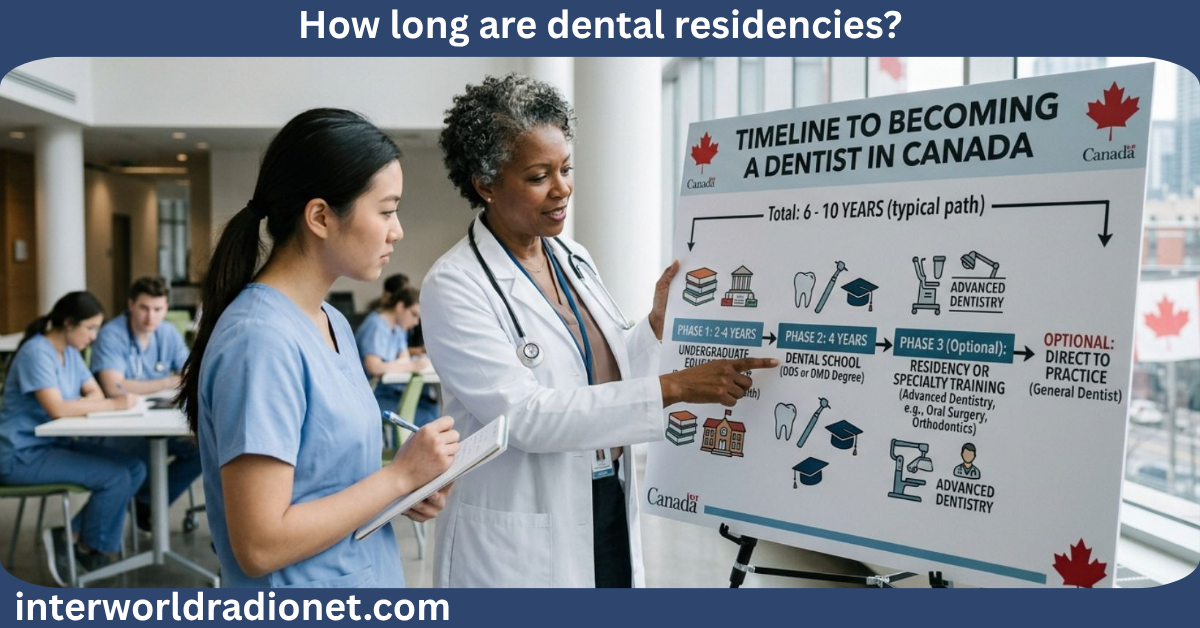

Why Is Dental School So Expensive? A Complete Guide for Future Dental Students
September 5, 2026
How Can I Fix My Teeth? A Complete Guide to Repairing, Straightening, Whitening, and Replacing Teeth
September 6, 2026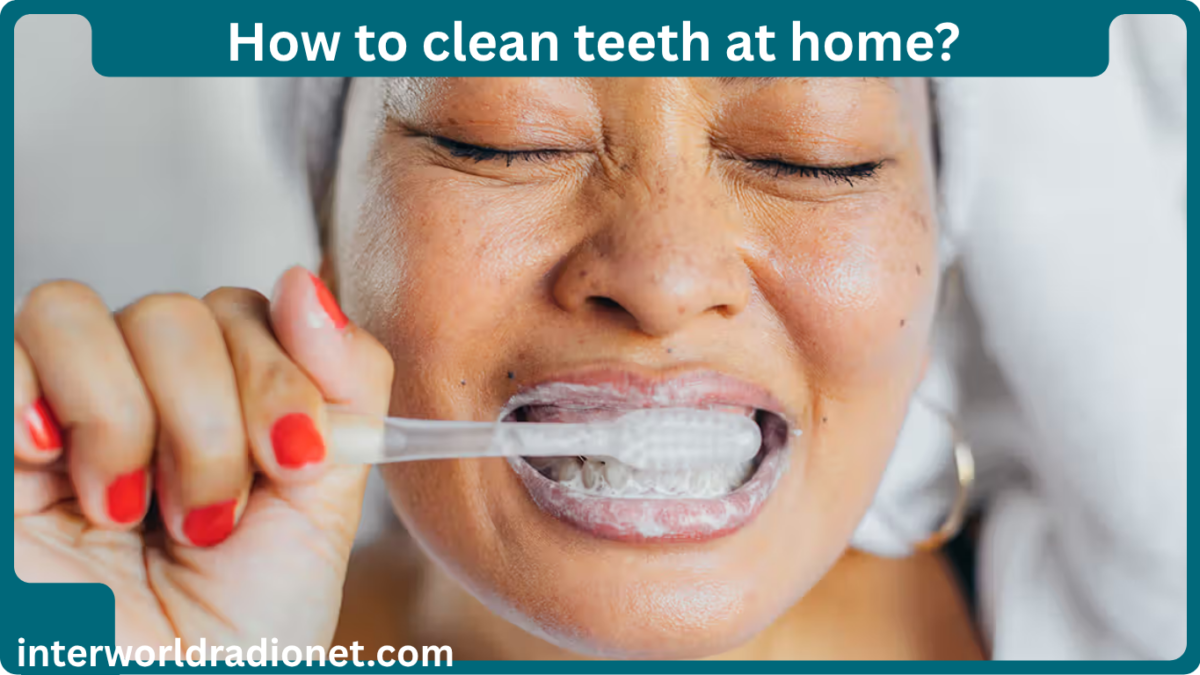
Keeping your teeth clean at home is one of the most important things you can do for your oral health. A good daily routine helps remove plaque, freshen your breath, protect your gums, and lower the risk of cavities and gum disease.
The good news is that you do not need a complicated routine or expensive products to clean your teeth effectively. What matters most is using the right techniques consistently. Brushing twice a day, cleaning between your teeth, using fluoride toothpaste, and making healthy food choices can make a major difference.
This guide explains how to clean teeth at home step by step. It also covers the best toothbrushes, how long to brush, flossing, mouthwash, tongue cleaning, common mistakes, natural cleaning methods, and when you should see a dentist.
What Does It Mean to Clean Your Teeth at Home?
Cleaning your teeth at home means removing plaque, food particles, and bacteria from your teeth, gums, tongue, and the spaces between your teeth.
Plaque is a soft, sticky film that forms on your teeth throughout the day. It contains bacteria that use sugars from food and drinks. These bacteria can produce acids that damage tooth enamel and contribute to cavities.
If plaque stays on your teeth for too long, it can harden into tartar, also called dental calculus. Tartar cannot be safely removed with normal brushing and flossing. A dental professional usually needs special instruments to remove it.
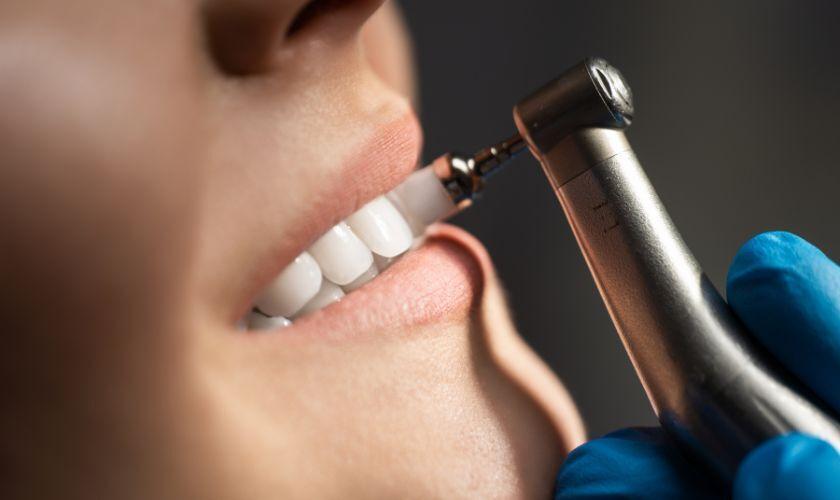
This is why daily cleaning is so important. The goal is not to make your teeth look temporarily white. The real goal is to keep plaque under control and protect your teeth and gums over time.
Also read:Why Is Dental School So Expensive? A Complete Guide for Future Dental Students
Why Is Cleaning Your Teeth at Home So Important?
Your mouth is connected to your overall health, but oral health starts with simple daily habits.
When plaque is not removed regularly, it can irritate the gums. Early gum inflammation is often called gingivitis. Signs may include red, swollen, or bleeding gums.
If gum problems are ignored for a long time, they can progress to more serious gum disease. Advanced gum disease can damage the tissues and bone that support your teeth.
Poor oral hygiene can also increase the risk of cavities. Cavities develop when acids produced by bacteria gradually weaken tooth enamel.
A simple home routine can help prevent many of these problems.
It can also help:
- Keep your breath fresher
- Reduce plaque buildup
- Protect tooth enamel
- Support healthy gums
- Reduce the risk of cavities
- Remove food trapped between teeth
- Make your mouth feel cleaner
- Help maintain your natural teeth as you age
However, home care does not completely replace professional dental care. Some problems can develop below the gumline or in places that are difficult to see.
How to Clean Teeth at Home Step by Step
A good routine does not have to be complicated. The following steps provide a practical way to clean your teeth at home.
Step 1: Choose the Right Toothbrush
Start with a toothbrush that is comfortable and easy to use.
For most people, a soft-bristled toothbrush is a good choice. Soft bristles can clean plaque effectively while being gentler on the gums and tooth surfaces.
A toothbrush that is too hard or aggressive can contribute to gum irritation and enamel wear.
You can use either a manual toothbrush or an electric toothbrush. Both can work well when used correctly.
An electric toothbrush may be helpful for people who have difficulty controlling brushing movements or who tend to brush too quickly.
Look for a toothbrush with:
- Soft bristles
- A comfortable handle
- A head that fits easily inside your mouth
- A design that allows you to reach back teeth
Replace your toothbrush or electric toothbrush head when the bristles become worn or about every three to four months, unless your dentist recommends replacing it sooner.
Step 2: Use Fluoride Toothpaste
Fluoride toothpaste is one of the most important parts of an effective tooth-cleaning routine.
Fluoride helps strengthen tooth enamel and makes teeth more resistant to acid attacks. It can also help stop or reverse very early stages of tooth decay before a cavity becomes established.
For adults, use a fluoride toothpaste and follow the instructions on the product.
You do not need a large amount of toothpaste. A modest amount is generally enough for effective brushing.
Do not assume that a toothpaste needs to burn or foam heavily to work. The cleaning comes mainly from proper brushing and the toothpaste ingredients, not from how much foam you see.
Step 3: Position Your Toothbrush Correctly
Place the toothbrush against your teeth at about a 45-degree angle toward the gumline.
This position helps you clean both the teeth and the area where the teeth meet the gums.
Use gentle, short movements.
You do not need to scrub aggressively. Plaque is a soft material, so excessive pressure is usually unnecessary.
Think of brushing as carefully cleaning each surface rather than trying to scrape the teeth clean.
Step 4: Brush the Outside Surfaces
Start with the outside surfaces of your teeth.
These are the surfaces that face your cheeks and lips.
Move the toothbrush slowly across the teeth. Make sure you reach the back teeth because they are easy to miss.
Instead of brushing randomly, follow a consistent pattern. For example, start on one side of your upper teeth and work toward the other side. Then repeat the process on the lower teeth.
A consistent pattern reduces the chance of accidentally skipping an area.
Step 5: Clean the Inside Surfaces
Next, brush the inside surfaces of your teeth.
These surfaces face your tongue.
People often spend less time cleaning the inside surfaces because they are harder to see. However, plaque can build up there just as it can on the outside.
Use gentle, controlled movements and take your time.
For the inside surfaces of your front teeth, you may need to hold the toothbrush more vertically and use small up-and-down movements.
Step 6: Brush the Chewing Surfaces
The chewing surfaces of your back teeth contain grooves and small spaces where food and plaque can collect.
Move the toothbrush back and forth gently over these surfaces.
Spend enough time on your molars because their shape can make them harder to clean.
Children may need extra help with these areas because their brushing skills are still developing.
Step 7: Brush for About Two Minutes
A common recommendation for adults and children is to brush for two minutes twice a day.
Two minutes may sound short, but many people brush for less time than they realize.
Using a timer can help.
Some electric toothbrushes have built-in timers that divide the brushing session into sections. This can make it easier to give similar attention to different parts of the mouth.
The goal is not simply to reach two minutes. Good technique matters too.
Two minutes of careful brushing is much more useful than two minutes of rushed scrubbing.
Should You Brush Your Teeth Before or After Breakfast?
For many people, brushing before breakfast can be a simple option.
The important thing is to brush twice daily with fluoride toothpaste rather than becoming overly focused on a single perfect time.
If you prefer to brush after breakfast, it is generally wise to avoid brushing immediately after consuming acidic foods or drinks. Acid can temporarily soften enamel.
Instead, consider waiting before brushing after an acidic meal or beverage.
Water can also help rinse the mouth after eating.
The most practical routine is one that you can follow consistently every day.
How to Clean Between Your Teeth at Home
Brushing alone cannot properly clean all the spaces between your teeth.
Food particles and plaque can remain in these areas even when your teeth look clean.
That is why cleaning between your teeth is an important part of oral hygiene.
You can use:
- Dental floss
- Floss picks
- Interdental brushes
- Water flossers
The best option is the one you can use correctly and consistently.
How to Floss Correctly
Take an appropriate length of dental floss and gently guide it between two teeth.
Do not force the floss down with a snapping motion because this can hurt the gums.
Curve the floss around one tooth and gently move it up and down along the side of the tooth.
Then clean the other tooth surface in the same space.
Repeat this process between all teeth.
Be gentle around the gumline.
If your gums bleed when you first begin flossing, do not automatically assume that flossing is damaging them. Inflamed gums can bleed when they are cleaned. However, persistent or heavy bleeding should be discussed with a dental professional.
Should You Floss Before or After Brushing?
Either can work, but flossing before brushing may help you remove debris from between the teeth before brushing.
The most important thing is doing it regularly.
If flossing after brushing is the routine you are most likely to maintain, that is still better than skipping it.
Consistency matters more than trying to find a perfect sequence.
Can You Use a Water Flosser Instead of Dental Floss?
A water flosser can be useful for cleaning between teeth and around the gumline.
It may be especially convenient for people with braces, bridges, dental implants, or limited hand movement.
However, different cleaning devices work differently, and not everyone uses them correctly.
If you use a water flosser, follow the manufacturer’s instructions and use a suitable pressure level.
For people with specific dental conditions or dental work, a dentist or dental hygienist can help determine which interdental cleaning method is most appropriate.
How to Clean Your Tongue at Home
Your tongue can collect bacteria, food debris, and dead cells.
Cleaning your tongue can make your mouth feel fresher and may help reduce some sources of bad breath.
You can gently brush your tongue with your toothbrush.
A tongue scraper is another option.
Do not scrape aggressively. Your tongue is delicate tissue, and excessive pressure can cause irritation.
You do not need to scrub until the tongue looks perfectly pink. Gentle cleaning is enough.
Should You Use Mouthwash Every Day?
Mouthwash can be useful, but it should not replace brushing and cleaning between the teeth.
Different mouthwashes serve different purposes.
Some are designed mainly to freshen breath. Others contain ingredients that can help reduce plaque or protect against tooth decay.
Fluoride mouthwash may provide additional protection for some people.
However, mouthwash is not a substitute for physically removing plaque with a toothbrush and interdental cleaning.
If you use a fluoride mouthwash, follow the product directions. Depending on the product and your dental routine, you may also be advised not to rinse your mouth immediately after brushing so that fluoride from toothpaste remains on your teeth.
What Is the Best Time to Clean Your Teeth?
A simple daily schedule is:
Morning: Brush with fluoride toothpaste.
During the day: Drink water, make sensible food choices, and clean between teeth as needed.
Night: Clean between your teeth and brush before going to bed.
The nighttime brushing session is particularly important because saliva production decreases while you sleep. A clean mouth before bed gives plaque fewer opportunities to remain undisturbed overnight.
How to Clean Teeth Naturally at Home
Many people search for natural ways to clean their teeth.
Some natural habits are helpful, but “natural” does not automatically mean safer or more effective.
Brushing with fluoride toothpaste remains one of the strongest evidence-based ways to prevent tooth decay.
You can support your oral health naturally by:
- Drinking water
- Limiting frequent sugary snacks
- Eating a balanced diet
- Eating crunchy fruits and vegetables as part of a healthy diet
- Avoiding tobacco
- Cleaning your teeth consistently
- Keeping regular dental appointments
Be careful with internet remedies that recommend abrasive powders, acids, or household ingredients.
Something that makes teeth feel unusually smooth may still damage enamel.
Is Baking Soda Safe for Cleaning Teeth?
Baking soda is found in some commercial toothpastes and can help with cleaning.
However, using homemade mixtures excessively or brushing with abrasive substances too aggressively can irritate the gums or wear dental surfaces.
If you like baking soda toothpaste, choosing a professionally formulated toothpaste is generally a more predictable option than creating strong homemade mixtures.
Do not use acidic ingredients such as lemon juice or vinegar to “clean” or whiten teeth.
Acids can erode tooth enamel.
Once enamel is significantly lost, the body cannot simply grow it back.
Can Salt Clean Your Teeth?
Salt water can be useful as a gentle rinse in certain situations, but salt is not a replacement for brushing with fluoride toothpaste.
Rubbing dry salt directly on the teeth is not necessary and may be too abrasive if done aggressively.
A balanced oral-care routine is safer and more effective than relying on a single home remedy.
Can Hydrogen Peroxide Clean Teeth?
Hydrogen peroxide is sometimes promoted online as a home whitening or cleaning treatment.
Using concentrated or improperly prepared hydrogen peroxide can irritate oral tissues.
It is better to use dental products that have been formulated and tested for oral use rather than experimenting with strong solutions at home.
If you want to whiten your teeth, discuss appropriate options with a dentist.
How to Clean Yellow Teeth at Home
Yellow teeth do not always mean that your teeth are dirty.
Natural tooth color varies from person to person. Enamel is partly translucent, and the underlying dentin has a naturally yellowish color.
Teeth can also become darker because of:
- Coffee
- Tea
- Tobacco
- Certain foods
- Aging
- Plaque buildup
- Tartar
- Some medications
- Changes within the tooth
Regular brushing can remove some surface stains, but it cannot change every type of tooth discoloration.
Whitening toothpaste may help with certain surface stains, but it does not bleach the underlying tooth structure in the same way as professional whitening treatments.
How to Remove Plaque at Home
Plaque is best controlled through regular mechanical cleaning.

Brush twice a day with fluoride toothpaste and clean between your teeth regularly.
Also read:What Is General Dentistry? A Complete Guide to General Dental Care
Pay particular attention to:
- Along the gumline
- Between teeth
- Behind the lower front teeth
- Around crowns or bridges
- Around braces
- The chewing surfaces of molars
If plaque has already hardened into tartar, trying to scrape it off yourself is not recommended.
Sharp objects can damage gums, enamel, and dental restorations.
A dental professional can remove tartar safely.
How to Clean Teeth With Braces
Braces create additional areas where plaque can collect.
If you wear braces, spend extra time around the brackets and wires.
A regular soft toothbrush can be combined with specialized orthodontic brushes or interdental cleaning tools.
Clean around each bracket rather than simply brushing across the entire row.
Fluoride toothpaste is especially important because braces can make it easier for plaque to remain against the teeth.
Your orthodontist may also recommend additional fluoride products or cleaning tools based on your needs.
How to Clean Teeth With Dental Implants
Dental implants still require daily cleaning.
Although the implant itself is not a natural tooth, the gum and bone around it need protection.
Plaque can build up around an implant and contribute to inflammation around the implant.
Follow your dentist’s instructions for cleaning around implants.
Special floss, interdental brushes, water flossers, or other tools may be recommended depending on the implant design.
Do not assume that implants are maintenance-free.
How to Clean Teeth With Crowns and Bridges
Crowns and bridges should be cleaned just like natural teeth, with additional attention to the areas around their edges.
Food and plaque can collect near the gumline or underneath certain bridge areas.
Your dentist or dental hygienist can show you how to clean around your specific restoration.
Keeping the surrounding teeth and gums healthy can help protect your dental work.
Common Tooth-Brushing Mistakes to Avoid
Even people who brush every day can make mistakes.
Brushing Too Hard
More pressure does not necessarily mean cleaner teeth.
Aggressive brushing can irritate gums and contribute to wear.
Use gentle pressure.
Using a Hard-Bristled Toothbrush
Hard bristles are not required for effective cleaning.
A soft toothbrush is generally a better everyday choice.
Brushing Too Quickly
A quick 30-second brush may leave many surfaces untouched.
Aim for about two minutes.
Ignoring the Gumline
Plaque often accumulates where the teeth meet the gums.
Angle the brush toward this area and clean it gently.
Forgetting the Back Teeth
The molars are easy to overlook.
Make sure your routine reaches the farthest teeth.
Skipping Interdental Cleaning
A toothbrush cannot completely clean between tightly spaced teeth.
Use floss or another interdental tool regularly.
Rinsing Aggressively After Fluoride Toothpaste
Immediately washing away all toothpaste residue can reduce the amount of fluoride that remains available to protect the teeth.
Many dental professionals recommend spitting out excess toothpaste rather than thoroughly rinsing immediately after brushing.
Follow your dentist’s advice and the directions for your toothpaste.
How Often Should You Clean Your Teeth at Home?
For most people, brushing twice a day is the basic recommendation.
Clean between your teeth regularly, ideally daily.
Your mouth does not become permanently clean after one brushing session. Plaque continuously forms again.
Think of oral hygiene as maintenance rather than a one-time cleaning project.
A consistent five-to-ten-minute routine spread across the day can provide much more benefit than an occasional intense cleaning session.
What Should You Do After Eating?
You do not need to brush after every meal.
Instead, you can drink water after eating and maintain your normal brushing schedule.
If you eat sugary foods frequently throughout the day, reducing how often your teeth are exposed to sugar may be more useful than simply trying to brush constantly.
Acidic foods and drinks can also affect enamel.
If you consume something acidic, rinsing with water and waiting before brushing can help avoid brushing while enamel is temporarily softened.
Foods That Can Support Healthy Teeth
No food can replace brushing and flossing, but your diet affects your dental health.
Helpful habits include choosing:
- Water instead of sugary drinks
- Milk or other nutritious options when appropriate
- Cheese and other calcium-containing foods
- Vegetables
- Fruits as part of a balanced diet
- Whole foods with limited added sugar
The goal is not to completely eliminate every food that contains sugar.
Instead, focus on reducing frequent exposure to added sugars and maintaining good oral hygiene.
Drinks That Can Affect Your Teeth
Sugary drinks can increase the risk of cavities.
Examples include:
- Regular soda
- Sweetened energy drinks
- Sweetened sports drinks
- Sweet tea
- Sugary coffee drinks
- Fruit drinks with added sugar
Acidic drinks can also contribute to enamel erosion.
Water is generally the simplest choice for keeping your mouth hydrated without exposing your teeth to sugar or acids.
How to Keep Your Breath Fresh While Cleaning Your Teeth
Bad breath can have many causes.
Poor oral hygiene is one common cause, but it is not the only one.
To support fresher breath:
- Brush twice daily
- Clean between your teeth
- Clean your tongue gently
- Drink enough water
- Avoid tobacco
- Clean dentures or dental appliances properly
- Address persistent dental problems
If bad breath continues despite good oral hygiene, talk to a dentist or healthcare professional.
Persistent bad breath can sometimes be associated with gum disease, dry mouth, dental infection, or other conditions.
Does Oil Pulling Clean Teeth?
Oil pulling involves swishing oil around the mouth.
It is popular online, but it should not replace established oral hygiene practices.
Brushing with fluoride toothpaste and cleaning between the teeth remain much more important.
If you choose to practice oil pulling, do not treat it as a substitute for brushing, flossing, fluoride, or professional dental care.
Can You Scrape Tartar Off at Home?
You may find dental scraping tools sold online, but using sharp instruments on your own teeth and gums can cause injury.
Tartar is hardened plaque. Once it forms, normal brushing cannot remove it completely.
Trying to scrape it away yourself may:
- Cut the gums
- Damage enamel
- Cause infection
- Damage dental restorations
- Push debris below the gumline
Professional dental cleaning is the safer option.
How to Know If Your Teeth Are Actually Clean
A clean mouth does not necessarily mean perfectly white teeth.
Instead, look for signs such as:
- Teeth feel smooth after brushing
- Little visible plaque
- Gums look healthy
- Breath is generally fresh
- Food is not regularly trapped between teeth
- There is no persistent bleeding
- No ongoing tooth pain or sensitivity
A plaque-disclosing product can sometimes help identify areas you repeatedly miss.
These products temporarily color plaque so you can see where cleaning needs improvement.
They can be particularly useful for children and people who are trying to improve their brushing technique.
When Should You See a Dentist?
Home care is essential, but professional dental care is also important.
Make a dental appointment if you have:
- Persistent tooth pain
- Swollen gums
- Frequent gum bleeding
- A loose permanent tooth
- Facial or jaw swelling
- Severe sensitivity
- A broken tooth
- A dental abscess or pus
- Persistent bad breath
- Difficulty chewing
- A sore in the mouth that does not heal
A dental emergency may require prompt treatment, particularly when swelling, severe pain, fever, or difficulty breathing or swallowing occurs.
Do not attempt to treat a serious dental infection only with home remedies.
How Often Should You Get a Professional Dental Cleaning?
There is no single schedule that is perfect for every person.
Some people may benefit from routine dental visits at regular intervals, while others with gum disease or other risk factors may need more frequent care.
Your dentist can recommend a schedule based on:
- Your oral health
- Cavity risk
- Gum health
- Age
- Dental history
- Medical factors
- Tobacco use
- Existing dental work
Professional cleanings can remove tartar that cannot be removed through normal home brushing.
A Simple Daily Teeth-Cleaning Routine
If you want a routine that is easy to remember, keep it simple.
In the morning, brush your teeth for about two minutes with fluoride toothpaste.
During the day, drink water regularly and limit frequent sugary snacks and drinks.
Clean between your teeth daily using floss, floss picks, interdental brushes, or another appropriate method.
At night, clean between your teeth and brush again for about two minutes.
Gently clean your tongue if desired.
After brushing at night, avoid eating or drinking sugary foods and beverages.
This simple routine is more valuable than buying a large collection of oral-care products and using them inconsistently.
How to Make Teeth Cleaning a Habit
The biggest challenge for many people is not knowing what to do. It is doing it every day.
One useful strategy is to connect tooth cleaning with an existing habit.
Also read:What Is a DMD Dentist Meaning? A Simple and Complete Guide for US Patients
For example, brush your teeth immediately after getting ready for bed.
Keep your toothbrush and toothpaste somewhere easy to see.
If you often forget to floss, keep floss or floss picks in a convenient location.
You can also use a two-minute timer until brushing for the full recommended time becomes automatic.
For children, brushing together as a family can make the routine easier and more enjoyable.
What Is the Best Home Teeth-Cleaning Routine for Adults?
A good home routine is simple: brush your teeth twice a day for about two minutes with a soft-bristled toothbrush and fluoride toothpaste. Clean between your teeth regularly, gently clean your tongue, drink plenty of water, and limit sugary foods and drinks. Avoid tobacco and visit your dentist regularly to keep your teeth and gums healthy.
What Is the Best Home Teeth-Cleaning Routine for Children?
Children need an age-appropriate approach.
Young children may not have the coordination needed to brush thoroughly on their own. Parents or caregivers should help or supervise brushing.
Use fluoride toothpaste in the appropriate amount for the child’s age and follow recommendations from the child’s dentist.
Children should learn that brushing is not about scrubbing as hard as possible.
It is about carefully cleaning every surface.
As children grow, they can gradually take more responsibility while adults continue checking their technique.
What If Your Gums Bleed When You Brush?
Bleeding gums should not simply be ignored.
Sometimes gums bleed because plaque has caused inflammation, especially when someone starts flossing after a long period without regular interdental cleaning.
Improving oral hygiene may help.
However, ongoing bleeding, swelling, tenderness, or gum recession deserves professional evaluation.
Healthy gums generally should not bleed regularly during gentle brushing and interdental cleaning.
What If Your Teeth Hurt When You Brush?
Tooth pain or sensitivity can have several causes.
Possible causes include:
- Tooth decay
- Gum recession
- Worn enamel
- Cracked teeth
- Certain dental procedures
- Tooth grinding
- Exposed tooth roots
If sensitivity is persistent or getting worse, do not simply switch products and hope it disappears.
A dentist can identify the underlying cause.
How to Clean Teeth Without Damaging Enamel
The best way to protect your enamel is to brush gently with a soft-bristled toothbrush and fluoride toothpaste. Avoid scrubbing too hard, using rough powders, acidic home remedies, or sharp tools to scrape your teeth. A gentle daily routine can remove plaque while helping keep your enamel strong and your teeth healthy.
The Biggest Insight: Better Technique Beats More Products
One of the most important things to understand about home dental care is that buying more products does not automatically produce better oral health.
A person with a basic toothbrush, fluoride toothpaste, and a reliable interdental-cleaning method can have an excellent routine.
Meanwhile, someone with whitening strips, multiple mouthwashes, expensive toothbrushes, and numerous gadgets can still develop cavities if plaque is consistently left around the gumline and between the teeth.
In other words, consistency and technique usually matter more than having a complicated bathroom shelf.
This is why it is better to build a routine you can maintain for years rather than constantly switching products.
Can You Really Clean Your Teeth Completely at Home?
You can do a great deal at home, but you cannot completely replace professional dental care.
Home cleaning can remove soft plaque and food debris.
Professional dental care can identify problems you cannot see and remove hardened tartar.
A dentist can also check for cavities, gum disease, damaged restorations, bite problems, and other oral health concerns.
The best approach is not home care versus dental visits.
It is home care plus appropriate professional care.
Final Thoughts
Learning how to clean teeth at home does not require complicated techniques. The foundation is simple: brush twice a day with fluoride toothpaste, clean between your teeth regularly, use gentle brushing pressure, and pay attention to the gumline and hard-to-reach areas. Limit frequent sugary foods and drinks, avoid harmful DIY cleaning methods, and seek professional dental care when something does not look or feel normal. The most effective routine is the one you can perform correctly and consistently every day.
FAQs About How to Clean Teeth at Home
Can I clean my teeth at home without toothpaste?
You can physically remove some plaque with a toothbrush, but fluoride toothpaste provides important protection against tooth decay. For routine brushing, fluoride toothpaste is generally the better choice.
How can I tell if I am brushing too hard?
If your gums regularly become sore, irritated, or recede, or your teeth become increasingly sensitive, you may be using too much pressure. Try holding the toothbrush gently and using smaller movements.
Is it okay to brush my teeth three times a day?
For some people, an additional gentle brushing session may be fine. However, brushing harder or excessively does not provide extra protection and may contribute to irritation or wear. Follow your dentist’s advice for your specific situation.
Can clean teeth still have cavities?
Yes. Cavities can develop even in people who brush regularly. Factors such as diet, fluoride exposure, saliva, genetics, dental anatomy, and bacterial activity can all affect cavity risk.
Why do my teeth feel clean but still look yellow?
Natural tooth color varies. The yellow appearance may come from the underlying dentin rather than dirt. Surface stains can also come from foods, drinks, tobacco, or plaque. Cleaning does not necessarily make naturally yellow teeth white.