What Other Jobs Can Dentists Do Besides Practicing Dentistry?
September 13, 2026
Is Dental Hygiene Considered a Professional Degree or a Healthcare Degree?
September 14, 2026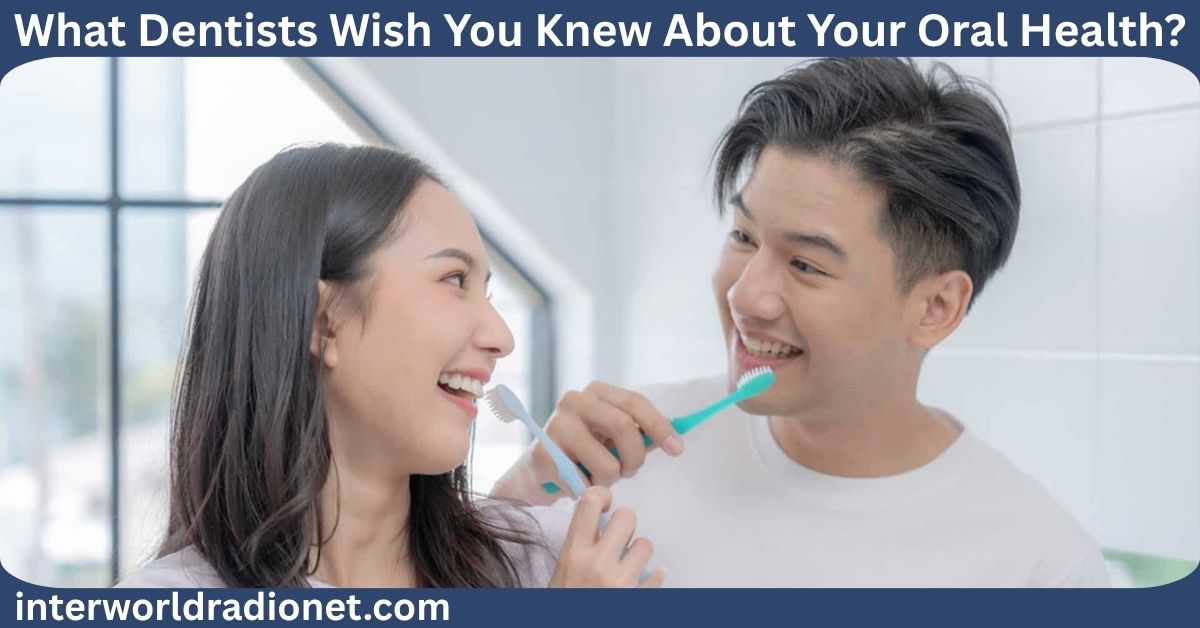
Many people visit the dentist when they have a toothache, a broken tooth, or another problem that they cannot ignore. But dentists often wish their patients knew that dental care is not only about fixing problems after they happen. Much of good dentistry is about preventing problems, finding them early, and helping people keep their natural teeth for as long as possible.
The phrase “what dentists wish you knew” covers many simple facts that can make a big difference to your oral health. Dentists want patients to understand that brushing harder does not always mean brushing better, bleeding gums should not be ignored, tooth pain is not the only sign of a dental problem, and regular dental care is about much more than getting your teeth cleaned.
Your daily habits matter, but so do your diet, medications, age, genetics, dental history, and overall health. Even people who brush and floss regularly can develop dental problems. At the same time, people who have not taken great care of their teeth in the past can still make meaningful improvements.
This guide explains what dentists commonly wish patients understood about teeth, gums, cavities, dental visits, oral hygiene, dental anxiety, costs, emergencies, and long-term oral health. The information is written in simple English for readers in the United States.
What Dentists Wish You Knew About Your Oral Health
The most important lesson is simple: oral health is easier to protect than to repair after serious damage occurs.
A cavity may begin without noticeable pain. Gum disease can develop gradually. A small crack in a tooth may become worse over time. Enamel erosion can happen slowly without obvious symptoms.
This is why waiting for pain is not always a good dental strategy.
Regular dental care gives your dentist an opportunity to look for problems that you may not be able to see or feel yourself. Your dentist can also help you understand which habits are working and which ones may need to change.
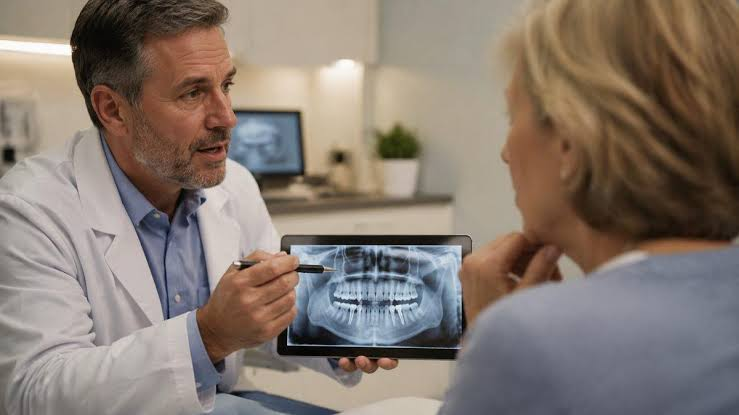
Good oral health is not about having perfect teeth. It is about taking reasonable steps to protect your teeth and gums over time.
Also raed:What Is the Oldest Medical Profession in the World?
1. Dentists Wish You Would Not Wait for Pain
One of the biggest things dentists wish patients knew is that pain is not a reliable warning system for every dental problem.
Some dental conditions can become advanced before they cause strong symptoms. A cavity, for example, may not hurt when it is small. Gum disease may also progress without severe pain.
When people wait until they are in significant pain, treatment can sometimes become more complicated.
This does not mean every dental problem will become serious. It means that a lack of pain should not be treated as proof that everything is healthy.
Preventive dental visits can help identify concerns earlier.
2. Brushing Harder Does Not Clean Your Teeth Better
Many people brush aggressively because they believe more pressure removes more plaque.
In reality, excessive force can irritate the gums and contribute to wear around the teeth.
Good brushing is about technique, consistency, and coverage.
A soft-bristled toothbrush is generally a good choice. Hold it gently and clean the teeth with controlled movements. Pay attention to the gumline and hard-to-reach areas.
If you use an electric toothbrush, let the brush do much of the work instead of pressing it forcefully against your teeth.
The goal is effective cleaning without unnecessary damage.
3. You Should Clean Between Your Teeth
A toothbrush cannot fully clean every surface of your teeth.
The spaces between teeth can collect plaque and food particles. Cleaning these areas is therefore an important part of oral hygiene.
Traditional dental floss is one option. Some people may prefer interdental brushes or water flossers.
The best tool depends on your mouth, dental work, hand ability, and personal preference.
What matters most is using an appropriate method consistently.
If you are unsure how to clean between your teeth, ask a dentist or dental hygienist to demonstrate the technique.
4. Bleeding Gums Are Worth Paying Attention To
Bleeding gums are sometimes treated as a normal part of brushing or flossing.
They should not simply be ignored.
Gums may bleed because of plaque-related inflammation, but other causes are also possible. Persistent bleeding, swelling, tenderness, redness, or changes in the gums deserve attention.
Some people stop flossing when their gums bleed because they think flossing caused the problem. However, avoiding the area may allow plaque to remain.
If your gums continue to bleed regularly, talk with a dental professional instead of guessing about the cause.
5. Gum Disease Can Affect More Than Your Smile
Many people are more worried about cavities than gum disease.
Healthy gums are just as important as healthy teeth because gums and supporting bone help hold teeth in place.
Early gum inflammation can often involve redness, swelling, or bleeding. More advanced periodontal disease can damage the tissues and bone supporting the teeth.
Over time, severe gum disease can contribute to loose teeth and tooth loss.
Good brushing, cleaning between teeth, professional dental care, and appropriate treatment can help protect gum health.
6. Cavities Are Not Caused Only by Candy
Candy is often blamed for cavities, but tooth decay is more complicated.
Cavities develop through interactions involving bacteria, carbohydrates, saliva, and tooth surfaces.
When certain bacteria use sugars and other fermentable carbohydrates, acids can be produced. Repeated acid exposure can cause minerals to leave the tooth surface.
This means frequency matters.
Someone who constantly snacks or slowly drinks a sugary beverage throughout the day may expose their teeth to repeated acid attacks.
Reducing frequent exposure can be helpful for cavity prevention.
7. Sugary Drinks Can Be a Major Dental Problem
Soda is an obvious example, but other beverages can also contain significant amounts of sugar.
Sweetened coffee, energy drinks, sports drinks, sweet tea, flavored beverages, and some fruit drinks can contribute to dental problems.
Some drinks also contain acids that can contribute to enamel erosion.
Water is generally an excellent everyday choice for hydration.
If you enjoy sweet drinks, reducing how often you consume them can be more useful for your teeth than simply brushing harder afterward.
8. Acidic Foods and Drinks Can Wear Down Enamel
Dental erosion is different from a traditional cavity.
Acids can soften and gradually wear away tooth enamel. Acidic drinks, citrus products, and certain foods can contribute to this process when exposure is frequent.
Once enamel is significantly lost, the body cannot simply grow it back.
This is one reason dentists often recommend limiting repeated exposure to acidic foods and beverages.
After consuming something acidic, immediately brushing with strong pressure may not be ideal because the tooth surface can temporarily be softer. Rinsing with water and waiting before brushing can be a more appropriate approach.
9. Water Is One of the Best Everyday Choices for Your Teeth
Water does not contain the added sugar found in many sweet drinks.
Fluoridated community water can also contribute to cavity prevention where fluoride is present at recommended levels.
Drinking water can help with hydration and can help rinse the mouth after eating or drinking.
This does not mean water replaces brushing and flossing.
It simply makes water a useful everyday beverage for many people.
10. Your Teeth Are Not Tools
Dentists regularly see teeth damaged because people use them to perform tasks.
Examples include opening packages, tearing plastic, cutting tape, removing tags, or holding objects.
Teeth are strong, but they are not designed to function like scissors or bottle openers.
Using them as tools creates unnecessary stress.
A tooth that appears perfectly healthy can chip or crack unexpectedly.
Using the right tool for the job is a simple way to protect your teeth.
11. Chewing Ice Can Be Risky
Chewing ice is another habit that can put unnecessary stress on teeth.
Ice may seem harmless because it is made from water, but it is hard.
Repeatedly biting hard ice can contribute to chips, cracks, or damage to dental restorations.
If you enjoy ice in drinks, letting it melt rather than chewing it can reduce this risk.
12. Tooth Sensitivity Has a Cause
Many people experience a short, sharp pain when eating something cold, hot, sweet, or acidic.
This is known as tooth sensitivity.
Sensitivity can have different causes. Gum recession, enamel wear, cavities, cracks, and exposed tooth surfaces can all be possible factors.
Sensitivity toothpaste may help some people, but it should not automatically be treated as the complete solution.
If sensitivity is persistent, severe, getting worse, or limited to one tooth, a dental examination can help determine the cause.
13. Whitening Does Not Make Teeth Healthier
White teeth are often associated with a healthy smile, but color and health are not the same thing.
Teeth can be naturally off-white and completely healthy.
A person can also have very white teeth while having cavities or gum disease.
Whitening is primarily a cosmetic treatment.
Before using whitening products, it can be helpful to make sure you do not have untreated dental problems that could affect the experience or result.
14. More Whitening Is Not Always Better
Using whitening products more often or for longer periods does not necessarily create better results.
Overuse can contribute to tooth sensitivity and gum irritation.
Different whitening products have different strengths and instructions.
Following the manufacturer’s directions is important. If you have significant sensitivity, gum problems, cavities, crowns, veneers, or other dental concerns, ask a dental professional whether whitening is appropriate for you.
15. Dentists Need You to Be Honest
One of the most useful answers to “what dentists wish you knew” is that honesty makes dental care easier.
If you do not floss regularly, tell your dentist.
If you brush only once a day, tell them.
If you smoke, use tobacco, grind your teeth, or have dental anxiety, tell them.
If you have pain that comes and goes, mention it even if you do not have pain during the appointment.
Your dentist is not helped by information that sounds better than reality.
Accurate information helps your dental team understand your risks and recommend care that fits your situation.
16. Dentists Are Not There to Judge You
Some people avoid dental visits because they feel embarrassed about their teeth.
They may worry that the dentist will judge them for having cavities, bad breath, stains, missing teeth, or poor oral hygiene.
Dental professionals see a wide range of oral health conditions every day.
Their job is to understand the problem and help you improve your oral health.
You do not need to have perfect teeth before making a dental appointment.
In fact, needing dental help is one of the main reasons dental professionals exist.
17. Dental Anxiety Is More Common Than You Think
Dental anxiety can make routine care difficult.
Some people are afraid of pain. Others have had a bad experience in the past. Some worry about needles, sounds, costs, embarrassment, or not knowing what will happen.
There is no reason to hide these concerns.
Tell your dental team that you are nervous.
The dentist may be able to explain the procedure before starting, provide breaks, use comfort techniques, or discuss appropriate options for managing anxiety.
A conversation before treatment can make the appointment feel more manageable.
18. Bad Breath Can Have Different Causes
Bad breath is not always caused by eating a particular food.
It can be related to bacteria, tongue coating, gum disease, dry mouth, tobacco use, certain foods, and other factors.
Occasional bad breath is normal.
Persistent bad breath is different.
If it continues despite regular oral hygiene, a dental examination may help identify the cause.
Mints and chewing gum may temporarily cover an odor, but they do not necessarily address the underlying problem.
19. Your Tongue Is Part of Your Oral Hygiene Routine
The tongue can collect bacteria and debris.
Gently cleaning your tongue can be included in your normal oral hygiene routine.
Some people use a tongue scraper, while others use their toothbrush.
There is no need to scrape aggressively.
If your tongue has persistent unusual color changes, sores, pain, swelling, or other changes, discuss them with a dental or medical professional.
20. Dry Mouth Can Increase Dental Risk
Saliva does more than keep your mouth comfortable.
It helps protect the mouth and teeth.
Dry mouth, also called xerostomia, can occur for many reasons, including medications, dehydration, aging, and certain medical conditions.
Reduced saliva can make it easier for cavities to develop and can contribute to mouth discomfort.
If you frequently feel that your mouth is unusually dry, tell your dentist.
Do not stop prescribed medication without speaking with the healthcare professional who prescribed it.
21. Some Medicines Can Affect Your Mouth
Many medications can affect oral health.
Some may contribute to dry mouth. Others can have different effects on the mouth or gums.
This is why your dentist should have an accurate medication history.
Include prescription medicines, over-the-counter medicines, and relevant supplements when discussing your health history.
If you believe a medicine is affecting your mouth, talk with your healthcare provider rather than stopping it on your own.
22. Regular Dental Visits Are About Prevention
A dental appointment is not simply a cleaning.
Depending on your needs, a visit may involve an examination of your teeth, gums, mouth, existing dental work, and other oral tissues.
Your dental team may also discuss brushing, flossing, fluoride, diet, tobacco, grinding, sensitivity, or other risk factors.
Not everyone needs exactly the same appointment schedule.
Your dentist can recommend an interval based on your individual oral health and risk factors.
23. Dental X-Rays Are Not Automatically Needed at Every Visit
Dental X-rays can show areas that cannot be fully examined during a normal visual examination.
They may help dentists identify certain types of decay, bone changes, problems around tooth roots, and other conditions.
However, taking X-rays is not necessarily appropriate at every visit for every patient.
Dental professionals consider factors such as age, symptoms, dental history, risk of decay, previous images, and other clinical information when deciding whether imaging is useful.
24. Your Dental History Helps Your Dentist
Your past dental treatment provides useful information.
Tell your dentist about previous fillings, crowns, root canals, extractions, braces, injuries, gum treatment, and other procedures.

If you recently changed dentists, previous records and X-rays may be useful.
Your dental health is a continuing story.
Also read:Is Being a Dental Hygienist Hard? Complete Guide to the Career
Understanding what happened in the past can help a dentist make better decisions about your current care.
25. Preventive Care Can Help Avoid Bigger Problems
Preventive dentistry is not only about saving money.
It can also help prevent pain, missed work, disrupted sleep, difficulty eating, and emergency visits.
A small dental issue can sometimes be treated more easily than a problem that has been allowed to progress.
Daily oral hygiene is therefore an investment in your future comfort and health.
What Dentists Wish You Knew About Dental Emergencies
Some dental problems require prompt attention.
Examples can include severe tooth pain, facial swelling, uncontrolled bleeding, significant dental trauma, or a knocked-out permanent tooth.
A dental emergency should not be ignored simply because symptoms temporarily improve.
Facial swelling combined with difficulty breathing or swallowing can be a serious medical emergency and may require immediate medical attention.
If a permanent tooth is knocked out, contact a dentist as quickly as possible because prompt care may affect the chances of saving the tooth.
What Dentists Wish You Knew About a Cracked Tooth
A cracked tooth can cause pain when biting or releasing a bite.
The symptoms may come and go.
Some cracks are difficult to see without a professional examination.
If you repeatedly experience pain when chewing, especially in one specific tooth, do not assume it is simply sensitivity.
A dentist can examine the tooth and determine whether additional testing is needed.
What Dentists Wish You Knew About Missing Teeth
Missing teeth can affect more than appearance.
Depending on the location and number of missing teeth, they may affect chewing, speech, bite, and the distribution of forces in the mouth.
Treatment options can include bridges, dentures, dental implants, or other approaches depending on the individual situation.
Not every person needs the same solution.
A dental professional can explain the available choices and their advantages, limitations, costs, and expected maintenance.
What Dentists Wish You Knew About Baby Teeth
Baby teeth may eventually fall out, but they still matter.
They help children chew food and develop speech. They also help maintain space for permanent teeth.
Untreated tooth decay in children can cause pain and interfere with eating, sleeping, school, and daily activities.
Parents can help by establishing regular brushing habits and limiting frequent exposure to sugary foods and drinks.
Children should also receive dental care appropriate for their age and individual needs.
What Dentists Wish You Knew About Fluoride
Fluoride is an important tool in cavity prevention.
It helps strengthen enamel and can make teeth more resistant to acid-related mineral loss.
Fluoride toothpaste is widely used for cavity prevention.
For young children, parents should use age-appropriate amounts and follow professional guidance.
Community water fluoridation is another important source of fluoride for many people in the United States, although water systems and fluoride levels vary by location.
What Dentists Wish You Knew About Mouthguards
Sports can expose teeth to injury.
A mouthguard can help protect the teeth during activities where there is a risk of impact to the face or mouth.
This can be especially important in contact and collision sports.
Different types of mouthguards are available, including stock, boil-and-bite, and professionally fitted options.
Ask your dentist which type makes sense for your activity and dental needs.
What Dentists Wish You Knew About Teeth Grinding
Teeth grinding, or bruxism, can happen during sleep or while awake.
Some people are unaware that they grind their teeth.
Possible signs include worn teeth, jaw soreness, headaches, tooth sensitivity, or damage to dental restorations.
Stress may contribute to grinding in some people, but it is not the only possible factor.
If you notice signs of grinding, discuss them with your dentist.
What Dentists Wish You Knew About Oral Cancer Checks
Dental examinations may include looking at more than the teeth.
Dental professionals can examine parts of the mouth for unusual changes.
A persistent sore, unexplained lump, unusual patch, or other change that does not heal should be evaluated.
Most mouth changes are not cancer, but unusual or persistent changes should not be ignored.
Early professional evaluation is important when something does not look or feel normal.
What Dentists Wish You Knew About Tobacco
Tobacco use can harm oral health.
Smoking and other tobacco products are associated with gum disease and other oral health problems. Tobacco can also stain teeth and contribute to persistent bad breath.
If you use tobacco, being honest with your dentist allows the dental team to give you more appropriate advice.
Quitting tobacco can provide benefits for oral health as well as overall health.
What Dentists Wish You Knew About Alcohol
Alcohol can affect oral health in several ways.
Some alcoholic drinks contain sugar or are acidic. Alcohol can also contribute to dry mouth.
Frequent or heavy alcohol consumption is associated with several health risks, including risks involving oral health.
If you have concerns about how alcohol may be affecting your mouth, discuss them with a healthcare professional.
What Dentists Wish You Knew About Dental Insurance
Dental insurance does not always work like medical insurance.
Plans can have different deductibles, annual maximums, waiting periods, coverage percentages, exclusions, and limits.
Preventive services may receive different coverage from major dental procedures.
Before treatment, ask your dental office and insurance provider about expected costs when appropriate.
Remember that an insurance estimate is not always a guarantee of the final amount you will owe.
What Dentists Wish You Knew About Dental Costs
Dental treatment prices can vary considerably.
Location, treatment complexity, materials, laboratory fees, insurance, and the provider’s practice can all influence cost.
If a dentist recommends a major procedure, ask questions.
You can ask what the treatment is for, how urgent it is, what alternatives may exist, and what the expected cost is.
For complex or expensive treatment, a second opinion may sometimes be reasonable.
What Dentists Wish You Knew About Second Opinions
Getting a second opinion does not automatically mean you distrust your dentist.
It can be useful when you are considering extensive treatment or when you do not fully understand your options.
Different dentists may sometimes recommend different approaches because dental treatment can involve several reasonable options.
A second opinion is most useful when the second dentist has enough information to properly evaluate the problem.
What Dentists Wish You Knew About Home Dental Products
There are countless dental products on the market.
You can find electric toothbrushes, manual toothbrushes, water flossers, toothpaste, mouthwash, whitening products, tongue scrapers, interdental brushes, and many other products.
You do not need to buy every product.
An expensive toothbrush cannot compensate for poor consistency.
The best products are usually the ones that meet your needs and that you can use correctly and regularly.
What Dentists Wish You Knew About Mouthwash
Mouthwash can be useful in certain situations, but it should not replace brushing and cleaning between your teeth.
Different mouth rinses serve different purposes.
Some contain fluoride. Some are designed for specific oral health concerns. Others mainly provide temporary breath freshening.
Also read:What Dental Schools Require CASPer? A Complete U.S. Dental School Guide
Choosing a mouthwash based on your specific needs is more useful than choosing one simply because it has attractive advertising.
What Dentists Wish You Knew About Natural Dental Remedies
The word “natural” does not automatically mean safe for your teeth.
Some internet remedies involve acidic ingredients, abrasive substances, or products that have not been properly evaluated for dental use.
Repeated use of abrasive or acidic substances can potentially damage enamel or irritate the gums.
If you have a cavity, infection, gum problem, or severe toothache, treating the underlying problem is more important than trying an unproven home remedy.
What Dentists Wish You Knew About Oral Health and Overall Health
The mouth is part of the body, so oral health and general health can influence each other.
Poor oral health can affect eating, speaking, sleep, comfort, and quality of life.
At the same time, certain medical conditions and medications can affect the mouth.
This is why it is useful for your dentist to know about relevant changes in your health.
Your dental team and medical team may need to work together when a health condition affects dental treatment.
How to Prepare for a Dental Appointment
Before your dental appointment, think about any changes in your mouth, such as tooth sensitivity, bleeding gums, pain, swelling, or jaw soreness. Tell your dentist about any new medicines or concerns you have. If you feel nervous about dental treatment, let the dental office know. Writing down your questions can also help you remember what you want to discuss.
Questions You Should Ask Your Dentist
Do not be afraid to ask questions during your dental visit. You can ask what is causing the problem, how serious it is, whether treatment is needed now, and what options are available. You can also ask about the cost, insurance, and how to prevent the problem from coming back. Your dentist should explain everything in simple language.
What Dentists Wish You Knew About Your Daily Routine
Taking care of your teeth does not have to be difficult. Brush twice a day with fluoride toothpaste and clean between your teeth regularly. Try to limit sugary foods and drinks, choose water more often, and avoid tobacco. Do not use your teeth to open packages or bite hard objects. Simple habits done every day can help protect your teeth and gums.
What Dentists Wish You Knew About Prevention
Preventing dental problems is often easier than treating them later. Your oral health can be affected by your age, diet, medicines, genetics, and daily habits. Regular brushing, cleaning between your teeth, fluoride, healthy food choices, and dental checkups can help lower your risk of cavities and gum disease. Prevention cannot stop every dental problem, but it can support better oral health.
The Biggest Mistake Is Giving Up
Even if your teeth have been neglected or damaged, it is never too late to improve your oral health. Better brushing, healthier habits, and professional dental care can still make a difference. You do not need to fix everything at once. Start with one small change and continue building better habits over time.
What Dentists Wish You Knew About Long-Term Dental Health
Healthy teeth are protected by simple habits repeated over many years. Missing one brushing session will not ruin your teeth, but regular care makes a difference. Find a routine that works for you, keep your dental appointments, and ask for help when you notice a problem. Good oral health is a long-term process, not something you achieve in one visit.
Final Thoughts
What dentists wish you knew is that good dental health is not about having perfect teeth or never making mistakes. It is about understanding your mouth, taking care of your teeth and gums consistently, and getting professional help when something changes.
Do not wait for severe pain before paying attention to your oral health. Brush gently and regularly, clean between your teeth, limit frequent sugary and acidic drinks, avoid using your teeth as tools, protect your mouth during sports, and tell your dentist about symptoms and habits honestly.
It is also important to remember that dental anxiety, cavities, gum disease, missing teeth, sensitivity, and other problems are common reasons people seek dental care. You do not need to feel embarrassed about asking for help.
The most valuable dental habit may be consistency. Small actions repeated every day can help protect your natural teeth and support your oral health for many years.
Frequently Asked Questions About What Dentists Wish You Knew
What do dentists notice first when they examine a patient’s mouth?
Dentists look at many different things rather than focusing on one feature. They may evaluate the teeth, gums, bite, existing dental work, plaque, signs of decay, wear, swelling, and other changes. The exact examination depends on the patient’s age, history, symptoms, and dental needs.
Can healthy-looking teeth still have dental problems?
Yes. Teeth can look normal while problems exist in areas that are difficult to see. Some cavities, cracks, gum problems, and other conditions may require professional examination or imaging to identify. This is one reason regular dental evaluations can be useful even when your teeth look fine.
Why do dentists ask about my diet?
Food and drinks can affect the risk of tooth decay and enamel erosion. Dentists may ask about your eating and drinking habits to understand how often your teeth are exposed to sugar and acids. This information can help them provide practical advice that fits your lifestyle.
Is it embarrassing to tell a dentist that I have not visited for years?
No. Dentists regularly treat people who have not received dental care for a long time. Being honest about how long it has been since your last appointment can actually help the dental team understand your situation. The important thing is taking the next step toward better oral health.
What is the best thing I can do if I have neglected my teeth?
Make an appointment with a dental professional and start improving your daily routine. Do not try to fix everything at once. A dentist can identify the most important problems and help you create a treatment and prevention plan. Even small improvements can be worthwhile when they become consistent habits.